



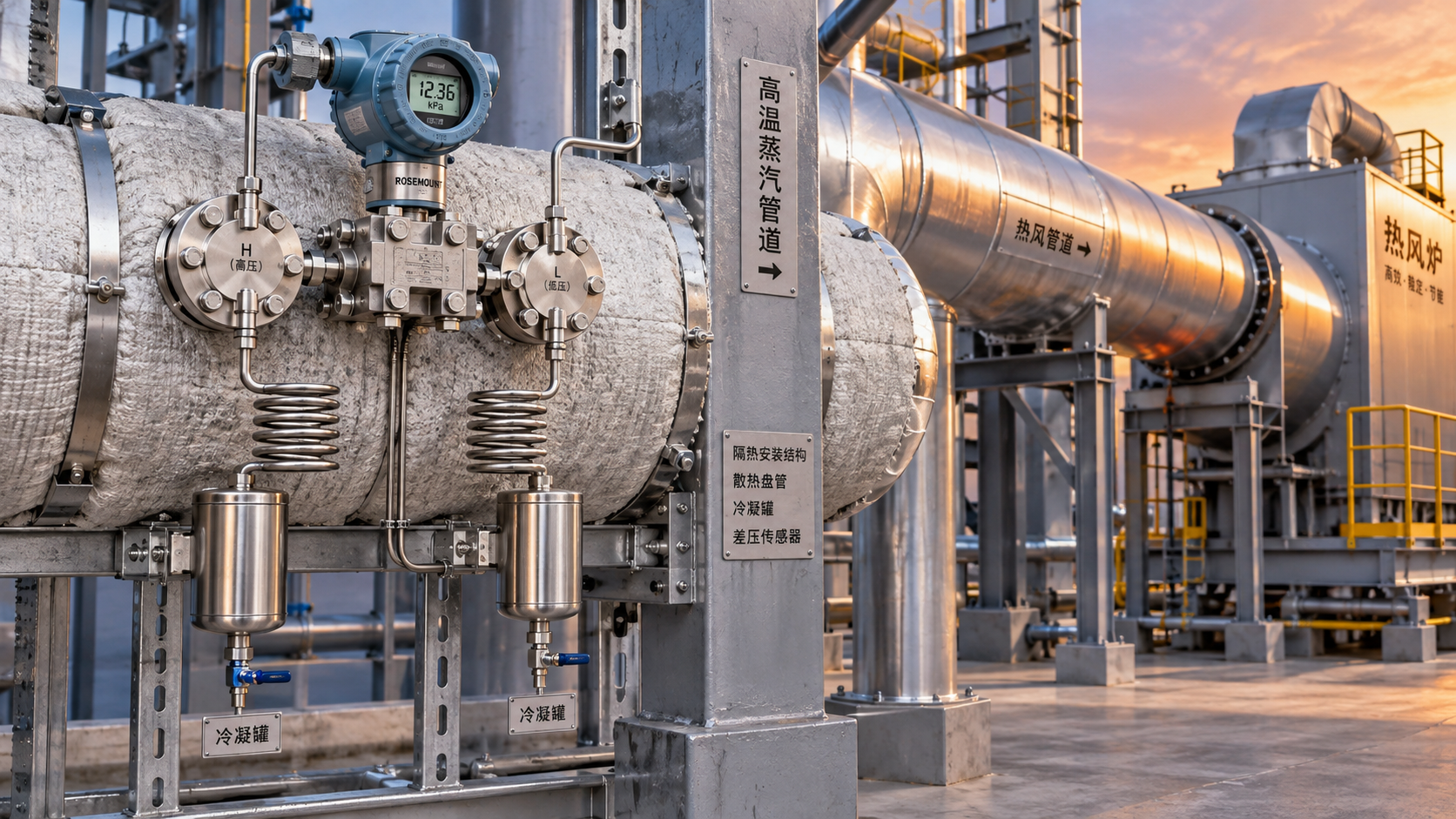
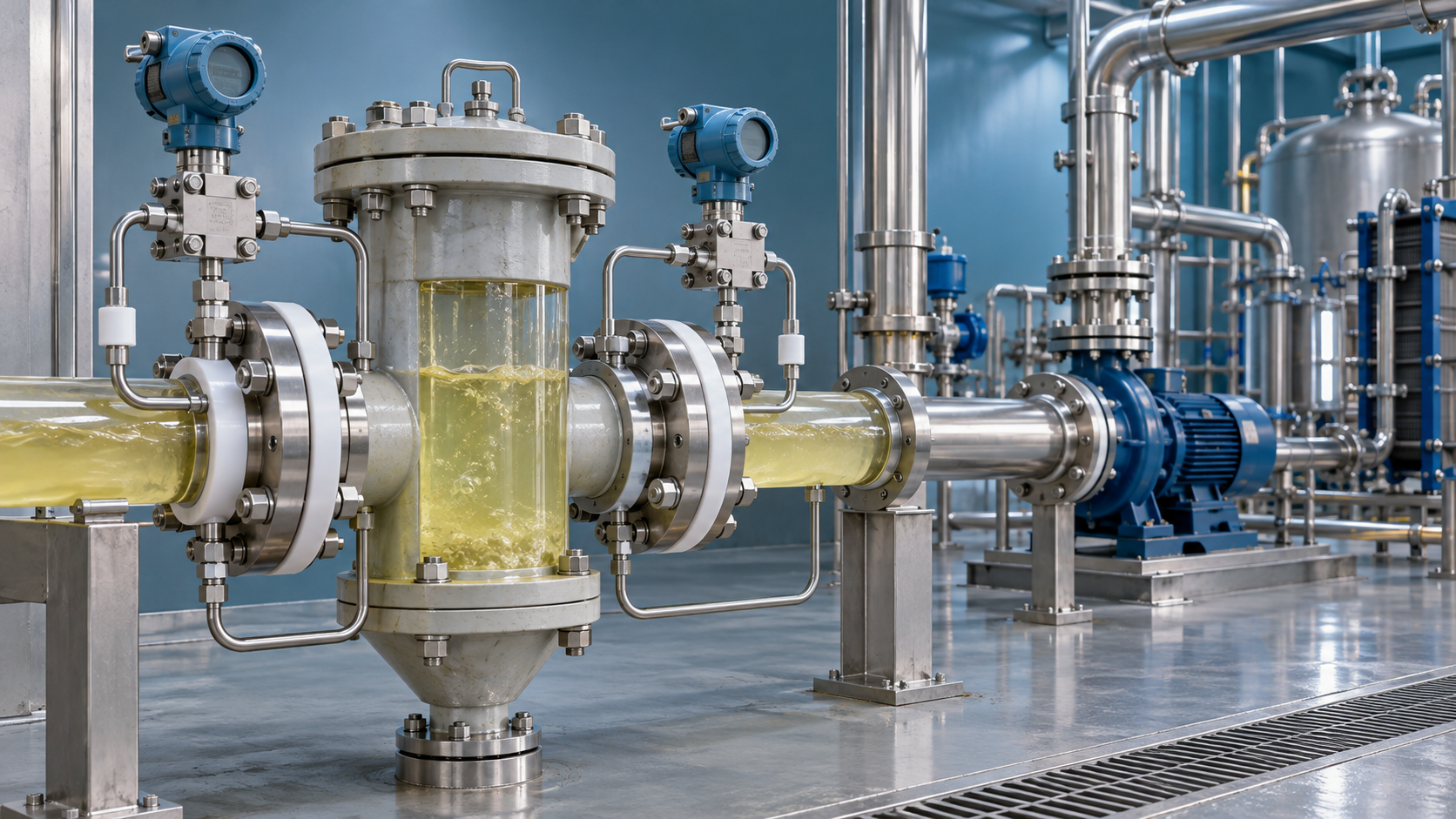
 Why High-Temperature Differential Pressure Sensors Require Remote Seals and Cooling MeasuresWhy do high-temperature differential pressure sensors require remote seals and cooling measures? This article analyzes thermal isolation, stable pressure transmission, and installation considerations for high-temperature steam, corrosive, and high-viscosity media, helping you reduce the risks of drift, blockage, and failure for reliable selection.
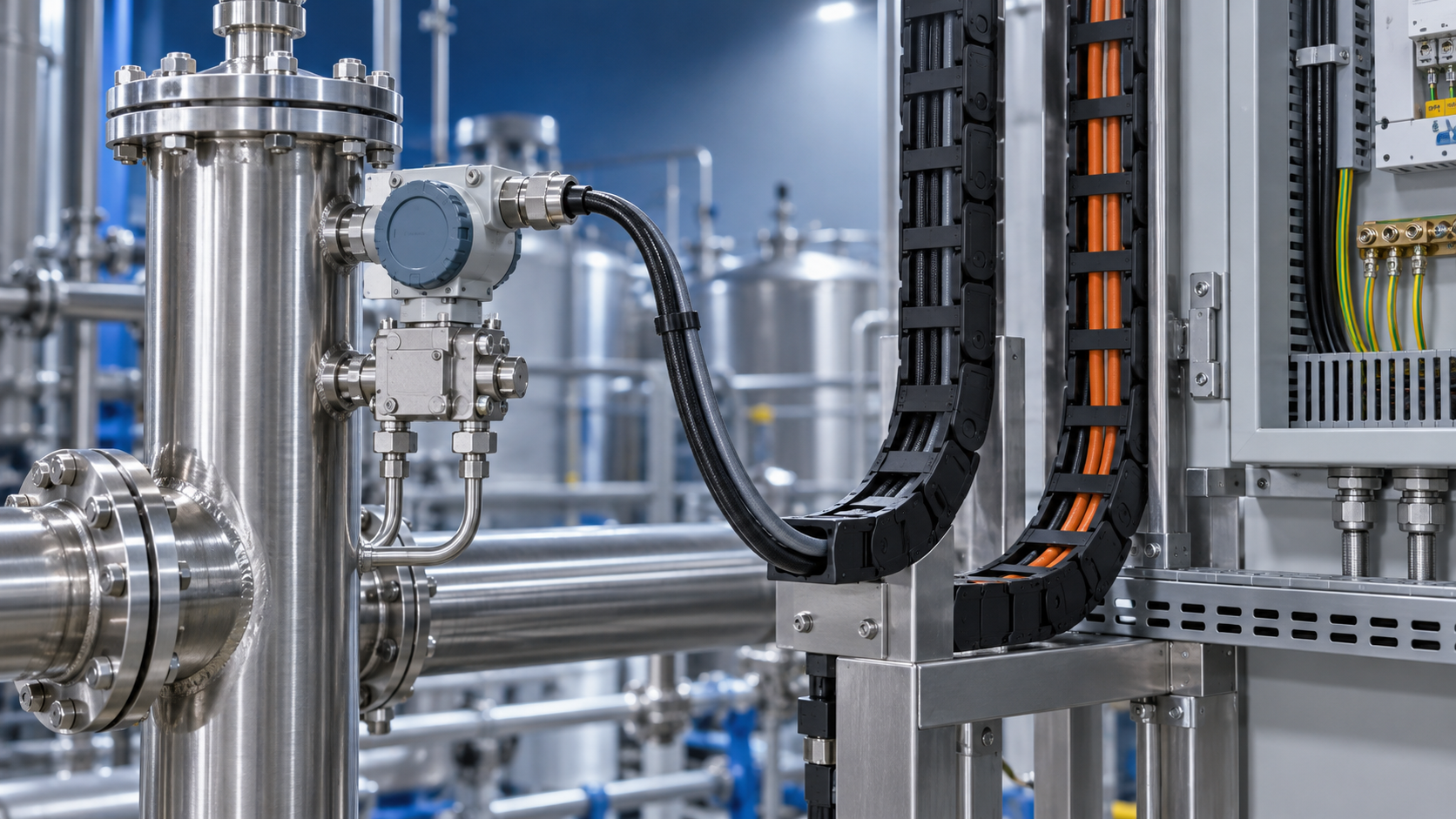
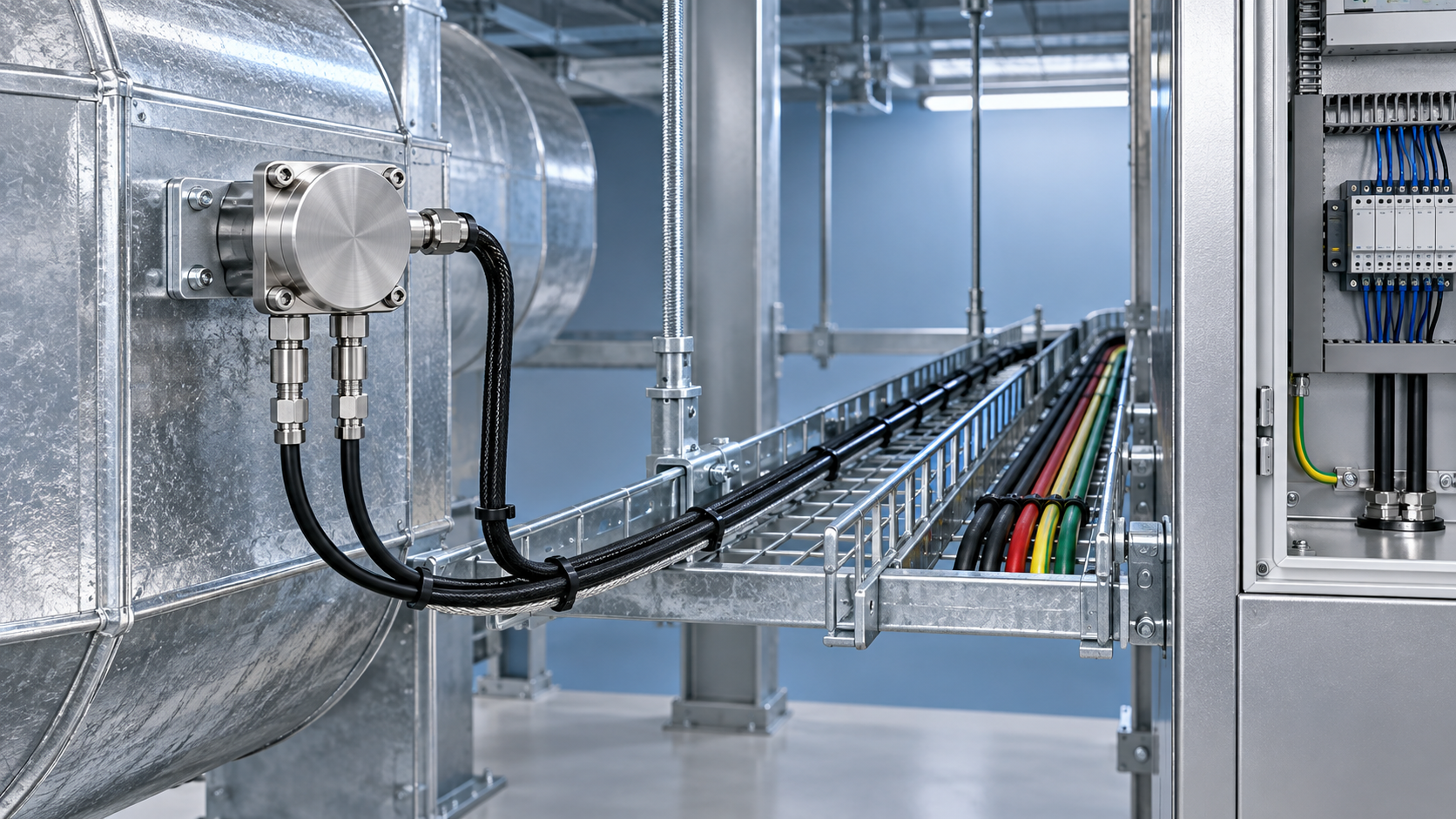
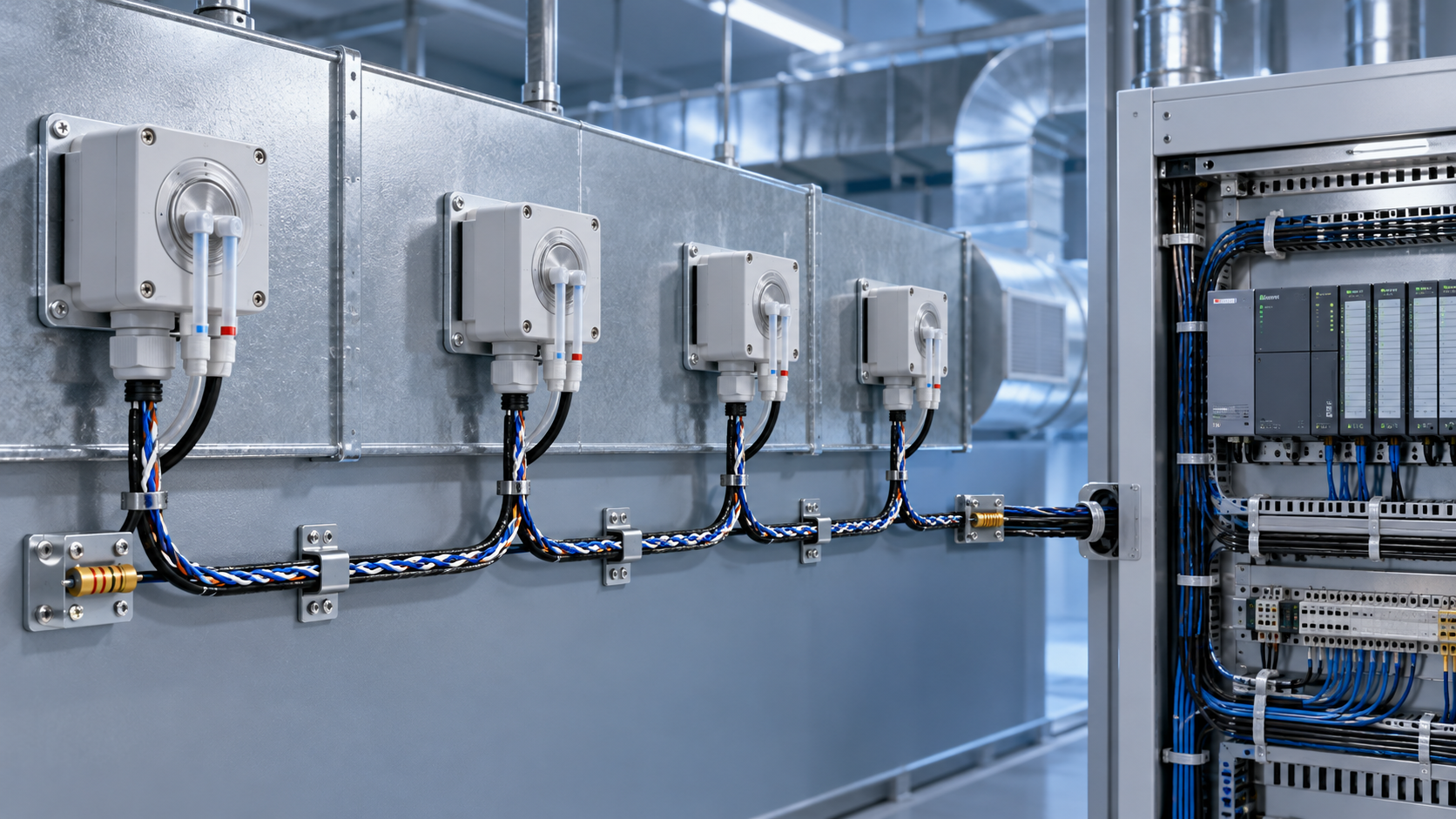
- How Can Cable-Type Differential Pressure Sensor Wiring Balance Interference Resistance and Flex Life?How can cable-type differential pressure sensor wiring balance interference resistance and flex life? This article explains key points including shield grounding, separation between power and signal cables, bend radius, drag chain selection, and waterproof maintenance to help improve differential pressure signal stability and equipment operational reliability.
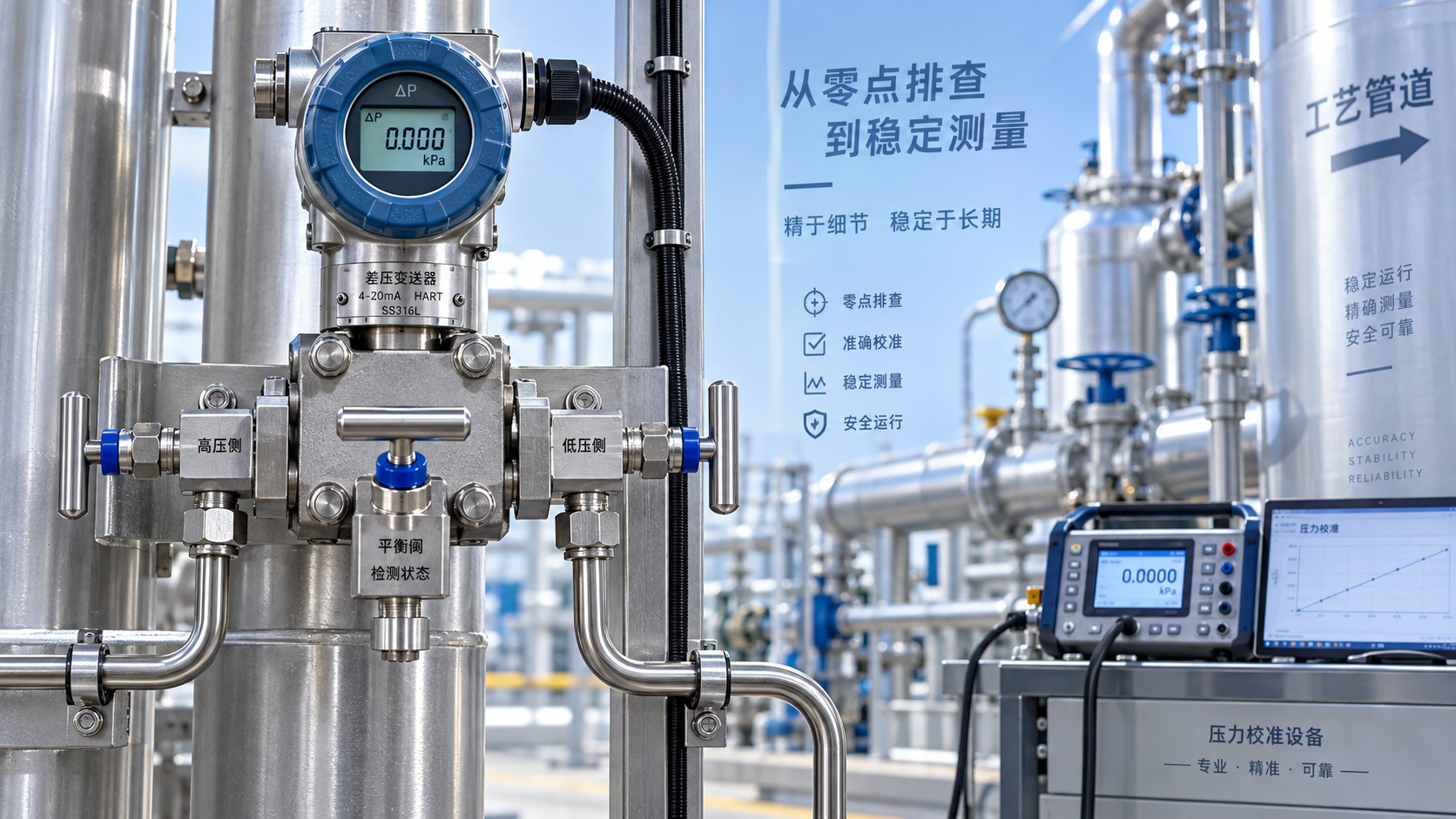
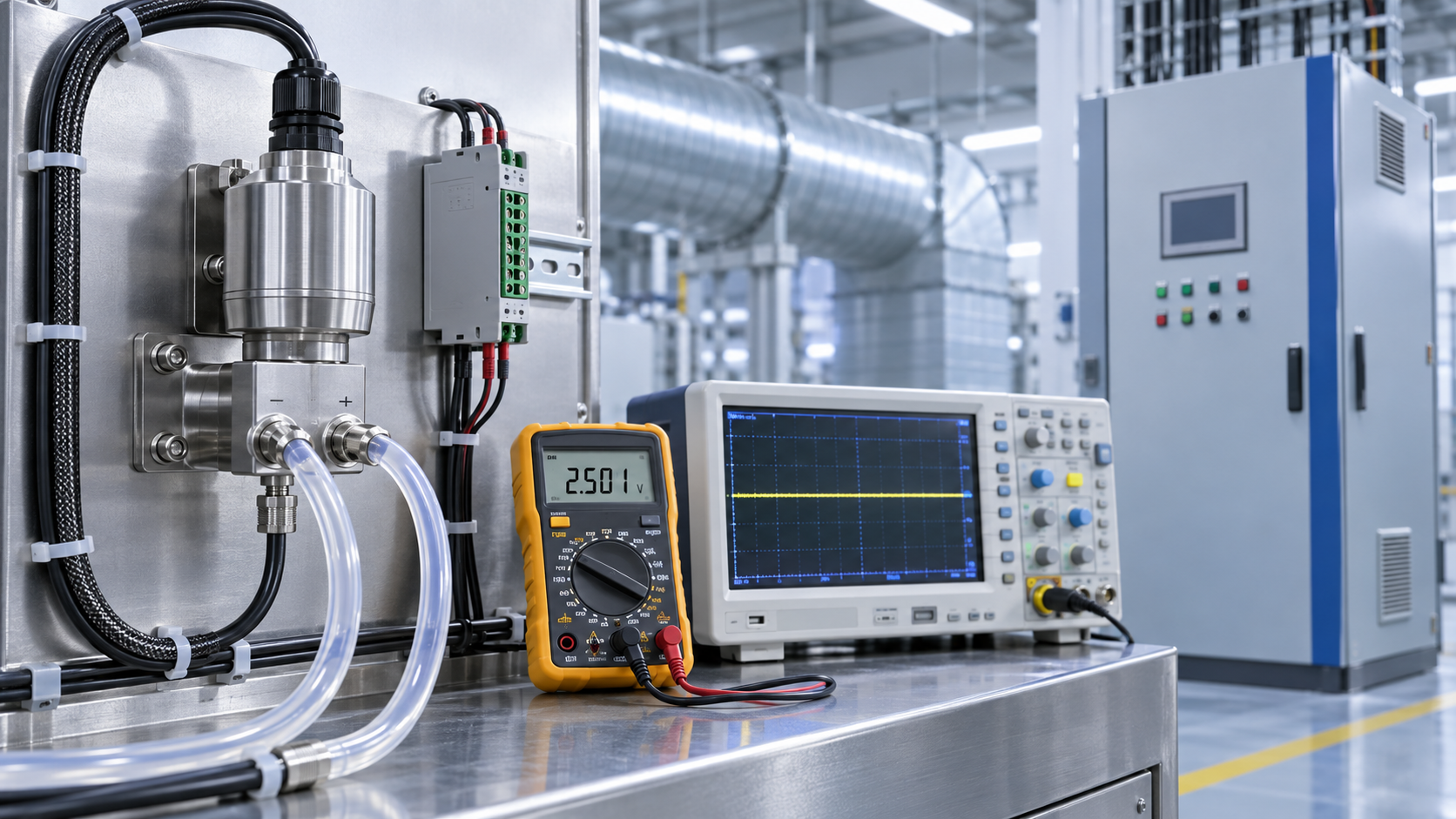
- How to Troubleshoot Zero Drift in a Diffused Silicon Differential Pressure SensorHow can zero drift in a diffused silicon differential pressure sensor be troubleshot? This article details valve manifold balancing, condensate accumulation in impulse lines, installation stress, power supply interference, and proper zero calibration methods to quickly identify the causes of abnormal 4-20mA output and improve differential pressure measurement stability.
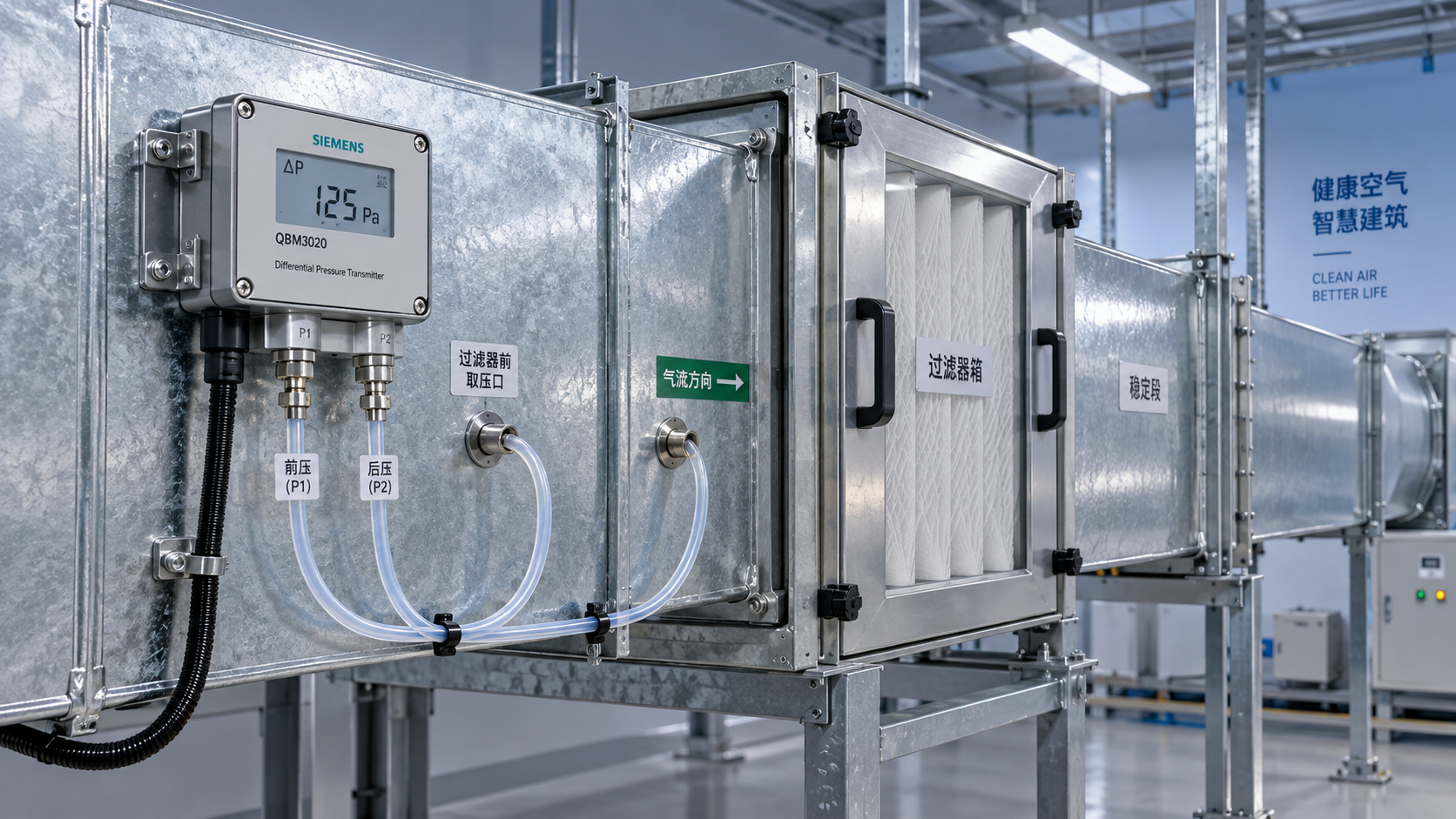
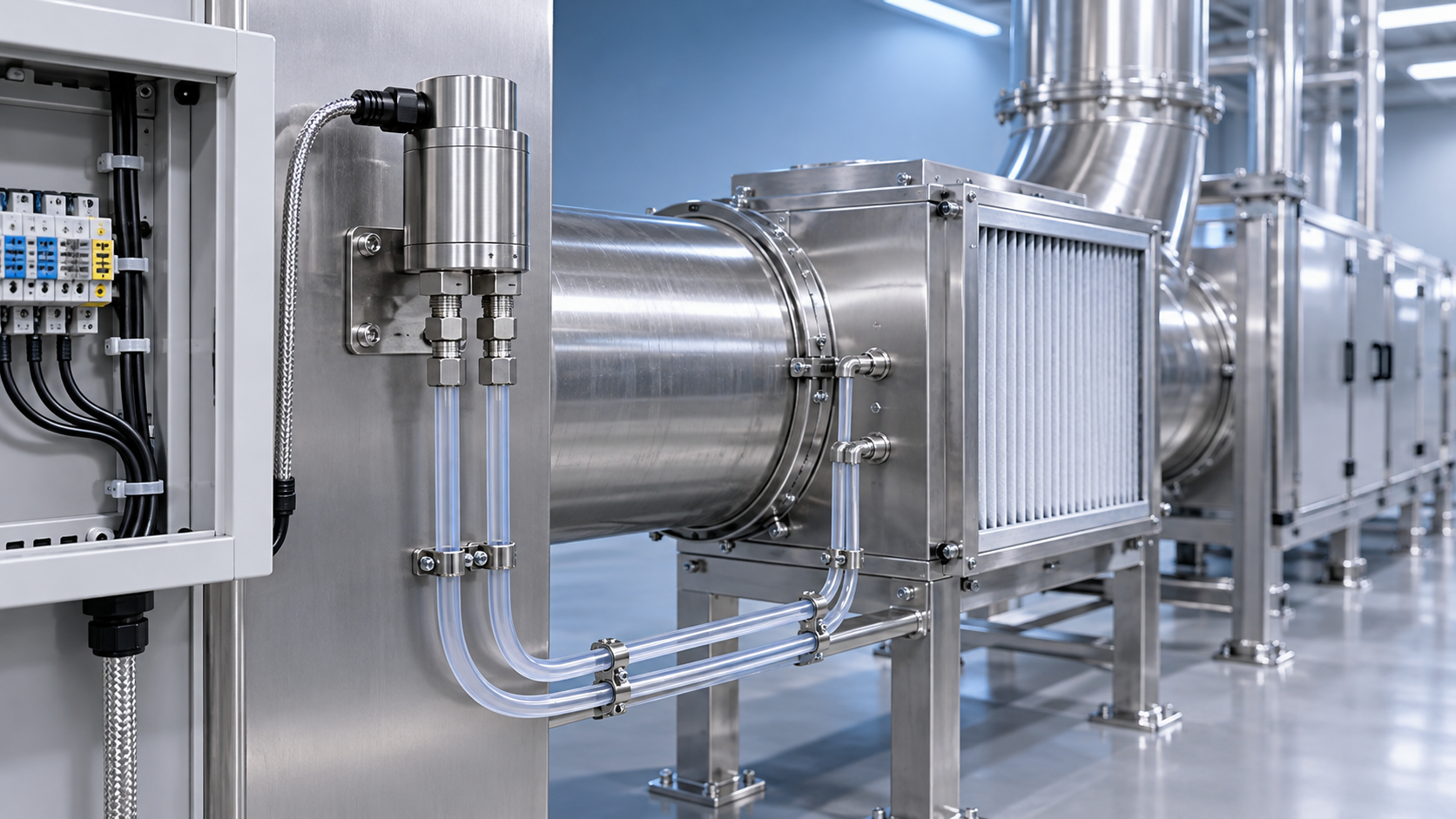
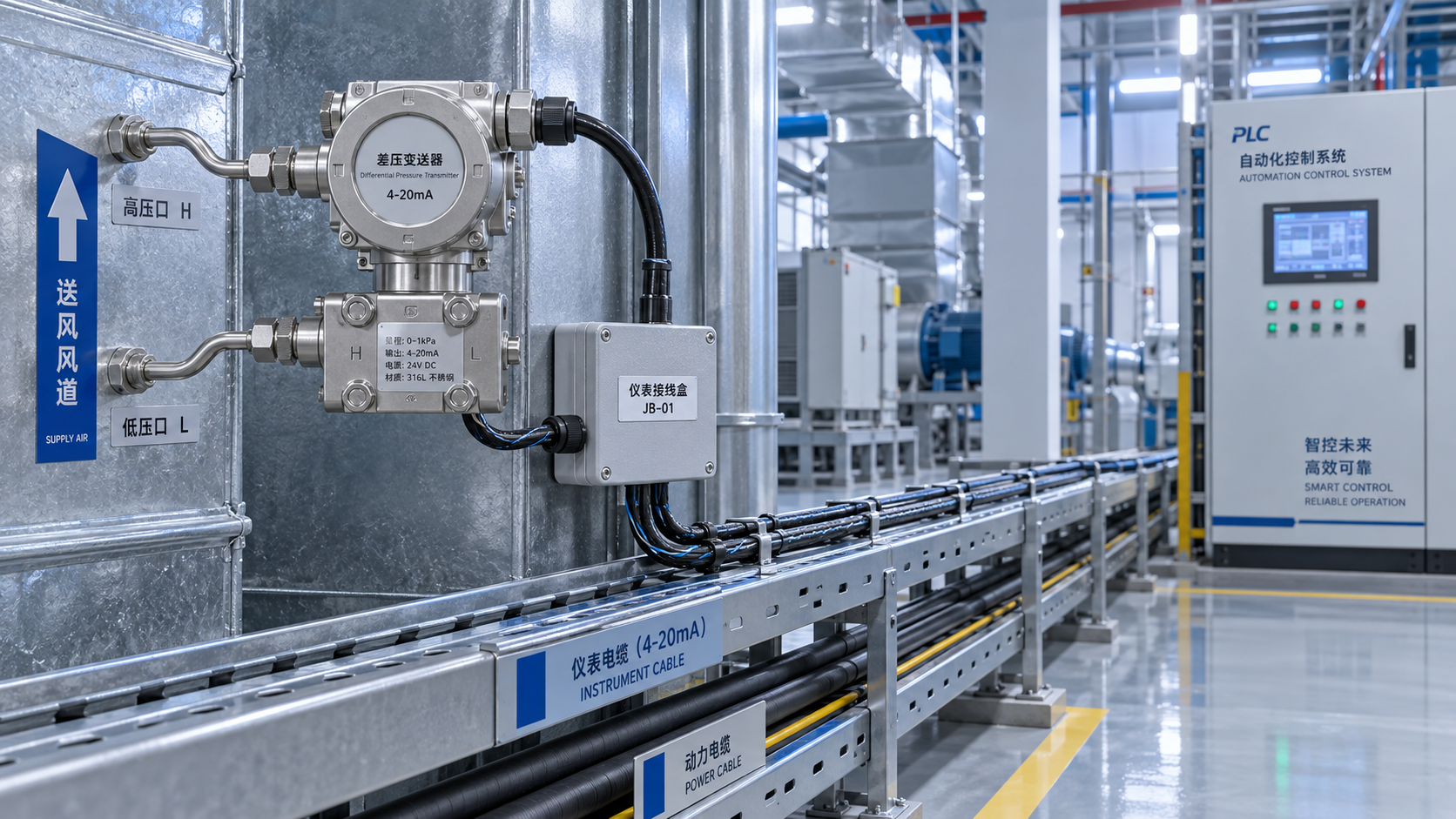
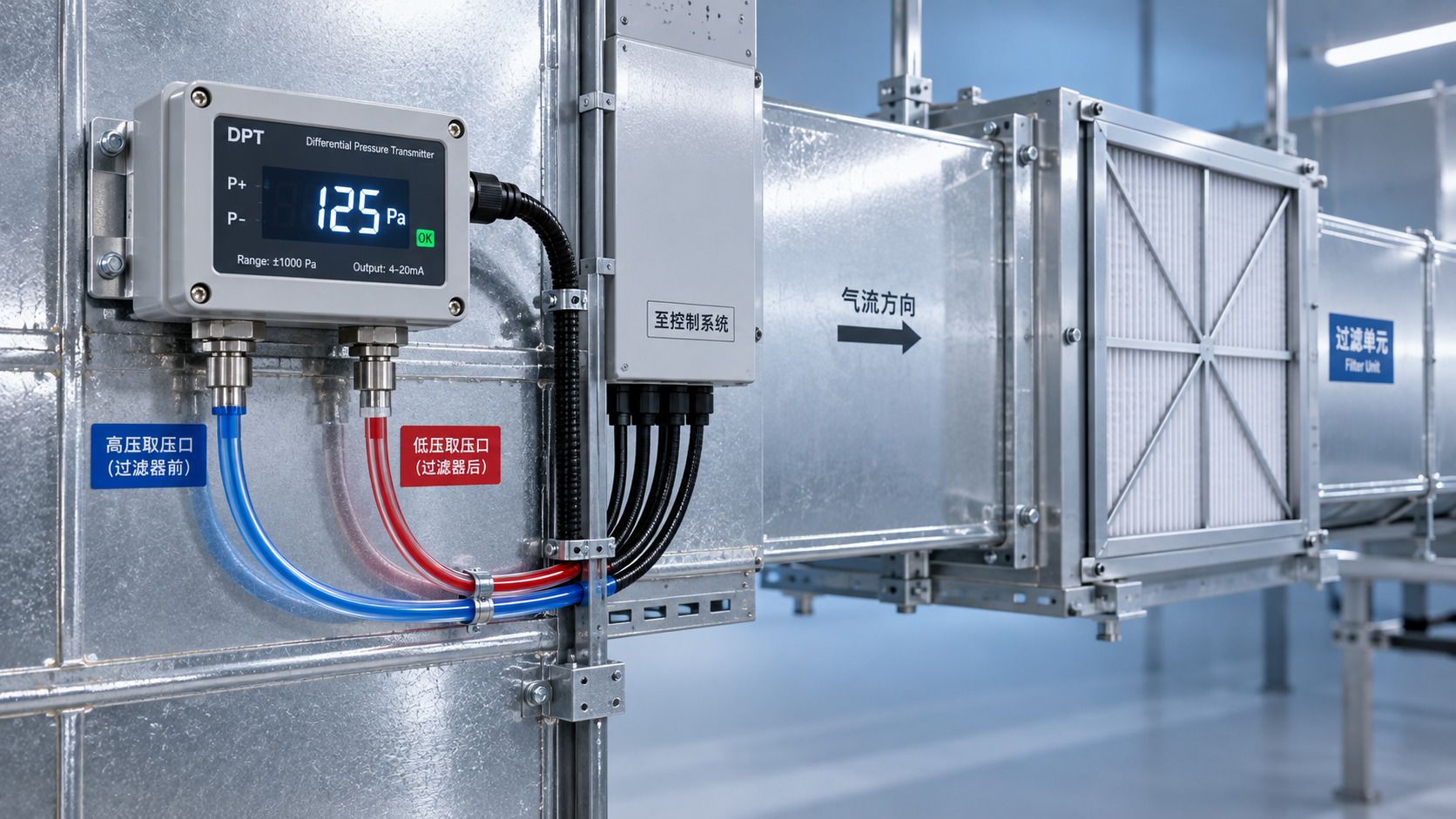
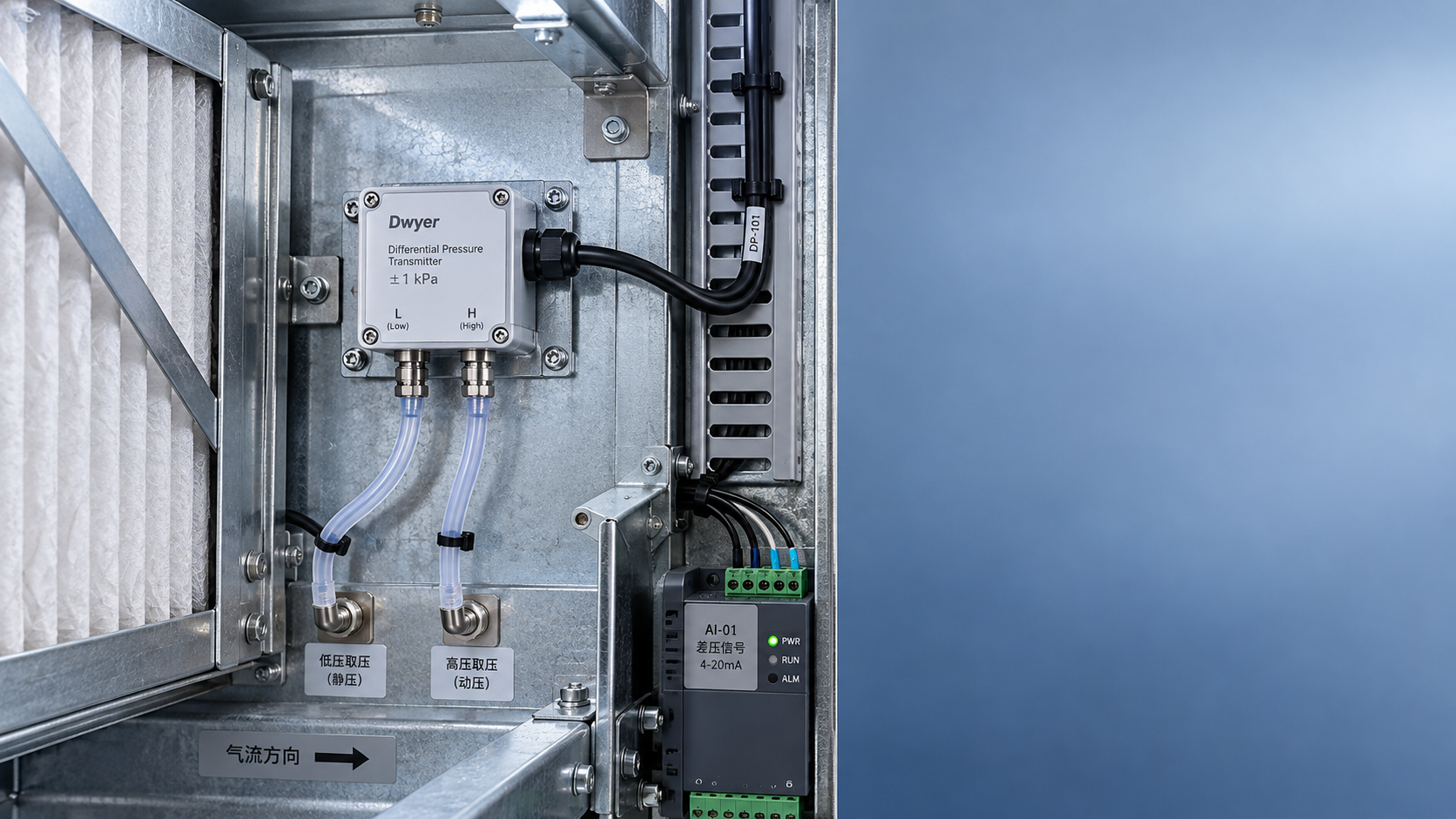
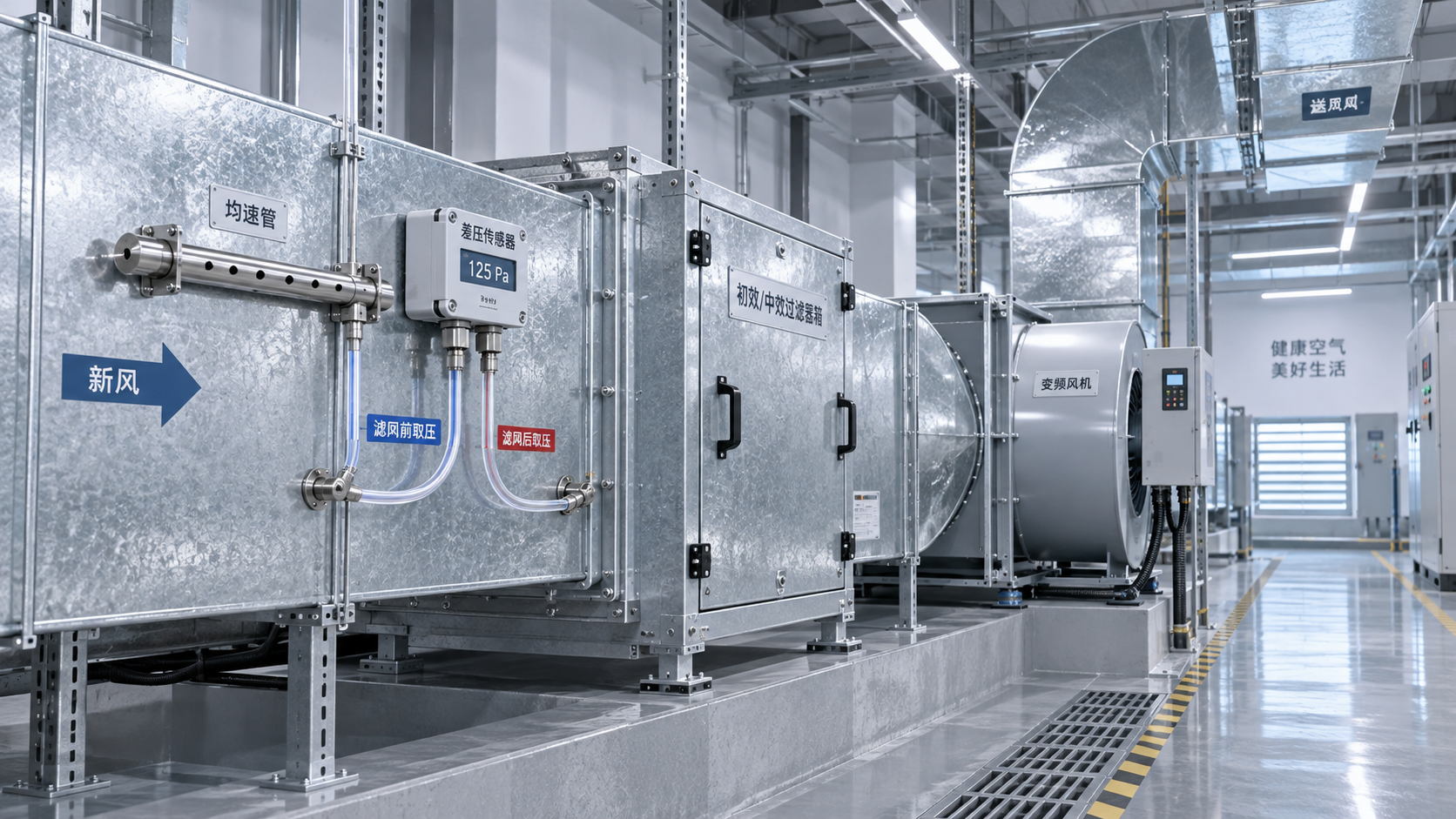
- How to Select the Range of an Industrial Differential Pressure Sensor for Air Duct Pressure MeasurementHow should the range be selected when an industrial differential pressure sensor is used for air duct pressure measurement? This article explains selection methods for static pressure, filter differential pressure, fan differential pressure, and airflow measurement, incorporating safety margin, accuracy, overload capacity, and installation and commissioning considerations to help improve control stability and measurement reliability.
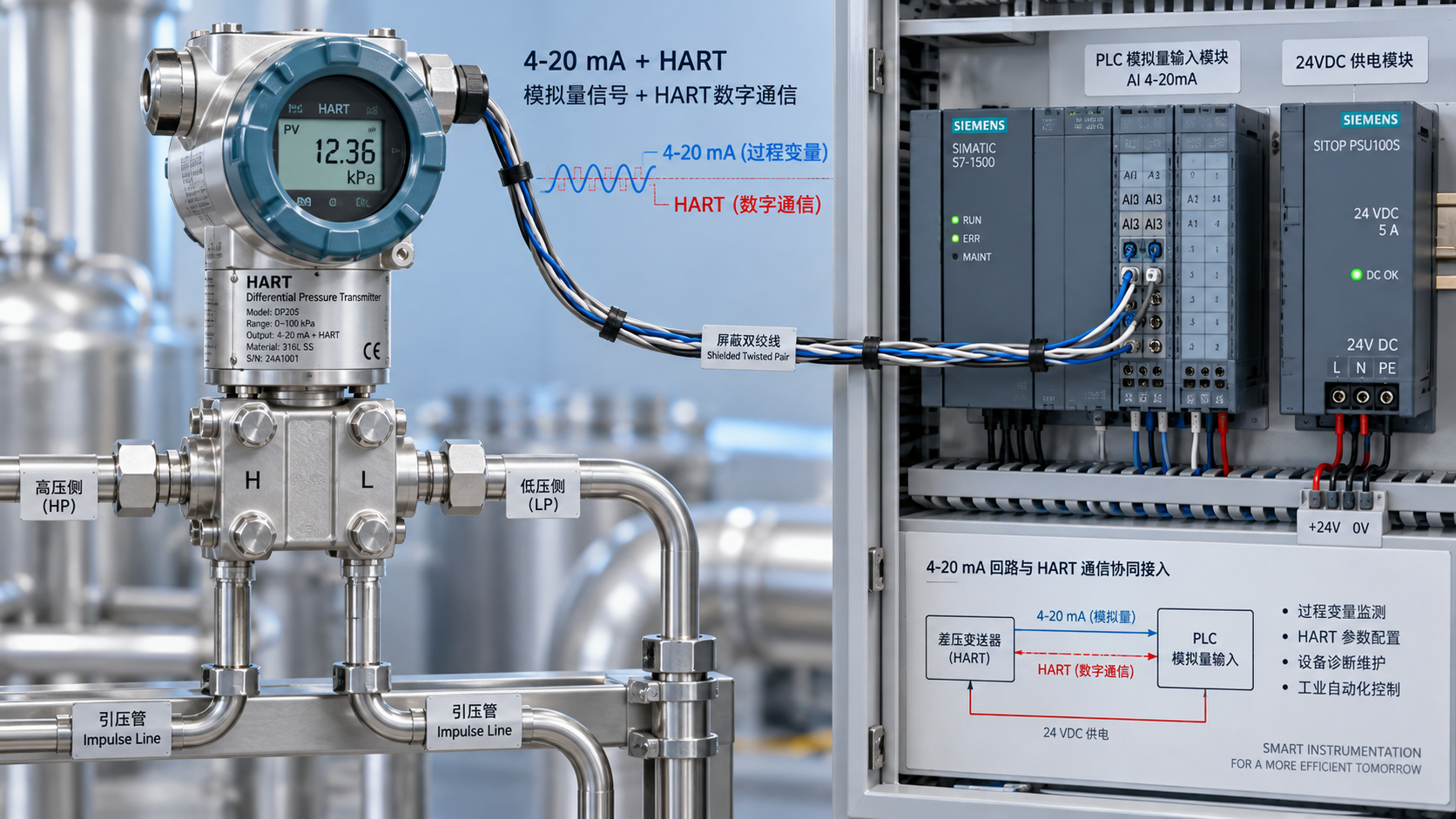
- How to Integrate a HART Differential Pressure Sensor into an Existing Control SystemHow can a HART differential pressure sensor be integrated into an existing PLC or DCS control system? This article explains 4-20 mA and HART communication wiring, 250 Ω load calculation, parameter mapping, interference resistance, and key points for commissioning and maintenance, helping you quickly complete an intelligent upgrade.
- Can a 1-5V differential pressure sensor replace legacy voltage signal equipmentCan a 1-5V differential pressure sensor replace legacy voltage signal equipment? This article analyzes key matching conditions including input range, measuring range, power supply wiring, interfaces, and interference resistance, and provides recommendations on signal conversion, model selection verification, and upgrades to help reduce retrofit risks.
- Is an abnormal output from a 0-5V differential pressure sensor affected by the power supply?Is an abnormal output from a 0-5V differential pressure sensor affected by the power supply? This article analyzes undervoltage, ripple, transient interference, line voltage drop, and common-ground issues, and provides practical troubleshooting methods from the terminals to the PLC to help you quickly locate faults and improve measurement stability.
- What should be considered when wiring a 4-20mA differential pressure sensor over long distancesWhat issues should be considered when wiring a 4-20mA differential pressure sensor over long distances? This article explains cable selection, 20mA voltage drop calculations, shield grounding, electromagnetic interference resistance, and key points for on-site commissioning to help improve differential pressure measurement stability and quickly select reliable transmission and installation solutions.
- How to Handle Unstable On-Site Readings of a Digital Differential Pressure SensorHow should unstable on-site readings of a digital differential pressure sensor be handled? This article explains troubleshooting methods for process fluctuations, leaks or blockages in pressure-sensing lines, power supply interference, parameter settings, and zero calibration, helping you quickly locate faults and improve measurement stability.
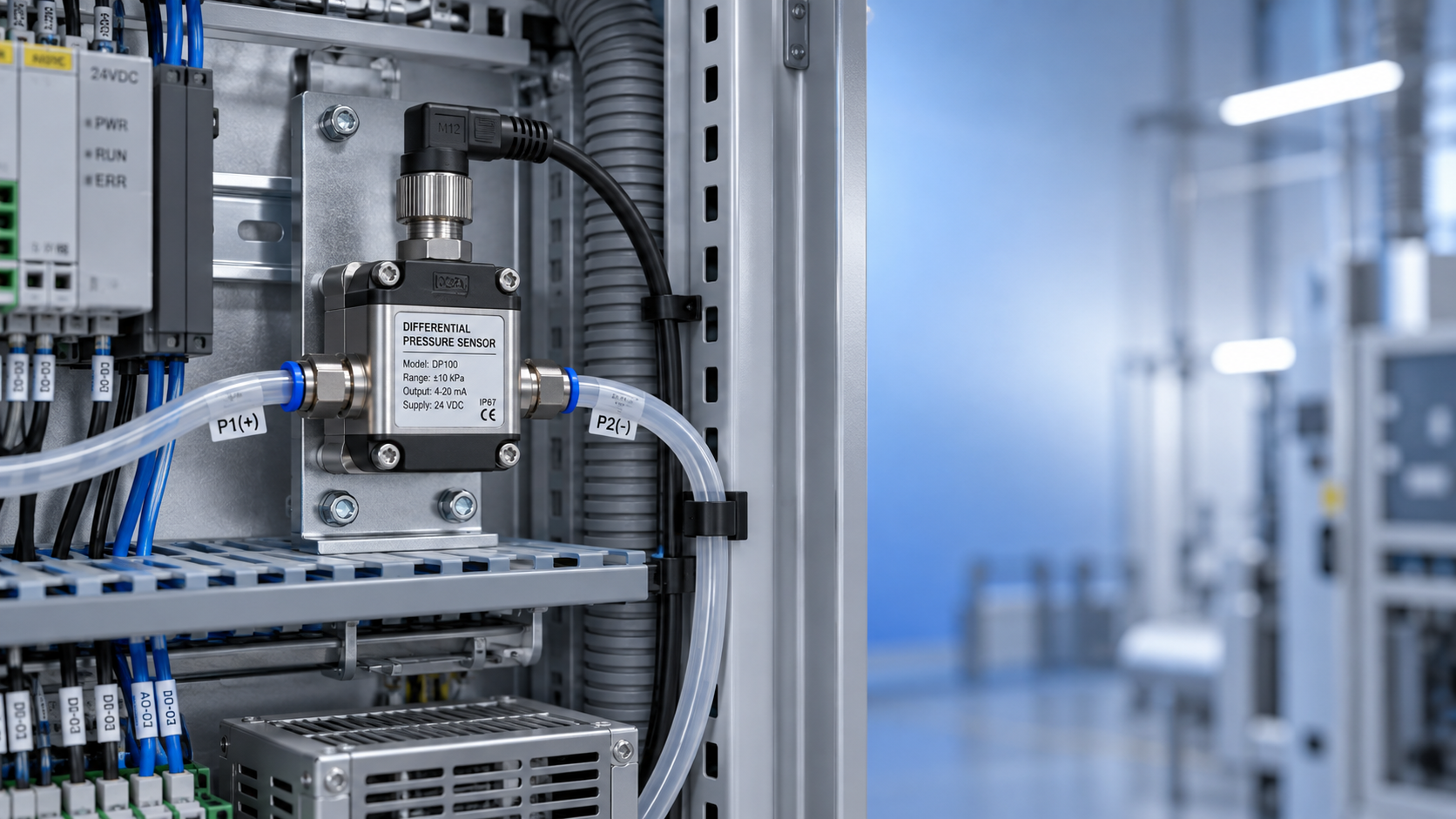
- How to Select a Compact Differential Pressure Sensor When Installation Space Is LimitedHow should you select a compact differential pressure sensor when installation space is limited? This article provides a practical selection guide covering installation clearance, port orientation, measuring range and accuracy, media compatibility, output signals, and interference resistance, helping equipment manufacturers reduce installation rework and measurement errors.
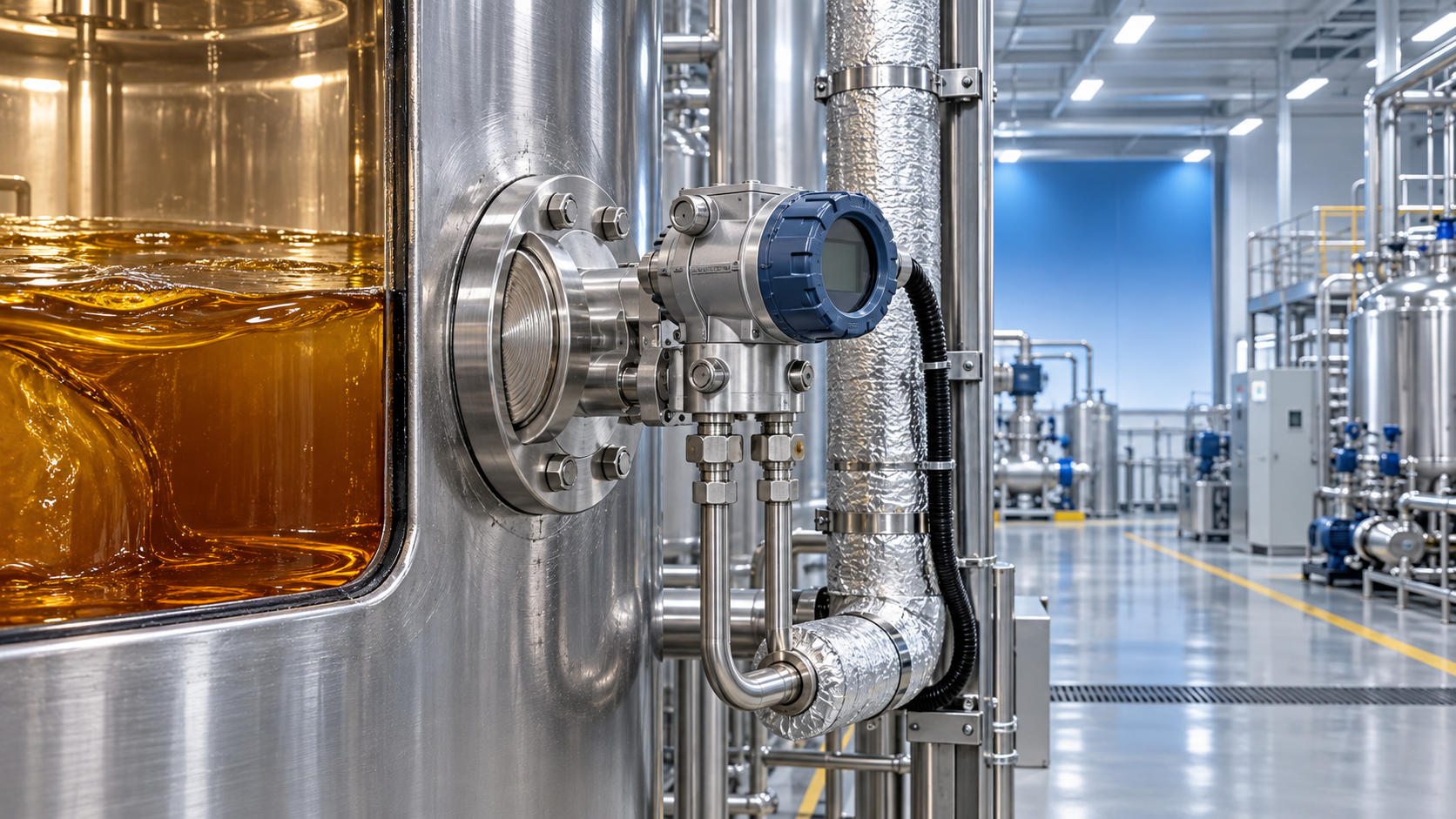
- Is a single-flange differential pressure sensor suitable for measuring high-viscosity media?Is a single-flange differential pressure sensor suitable for measuring high-viscosity media? This article analyzes its suitability for applications involving resin, asphalt, syrup, slurry, and other media. It explains diaphragm seals, heat tracing, materials, measuring ranges, and installation considerations to help reduce the risk of clogging and measurement errors.
- Why do strong-acid differential pressure sensors easily fail in pickling lines?Why do strong-acid differential pressure sensors frequently fail in pickling lines? This article analyzes key causes such as diaphragm corrosion, seal leakage, impulse line blockage, pressure surges, and temperature fluctuations, and provides recommendations on corrosion-resistant material selection, diaphragm seal installation, and preventive maintenance to help improve measurement reliability in pickling processes.
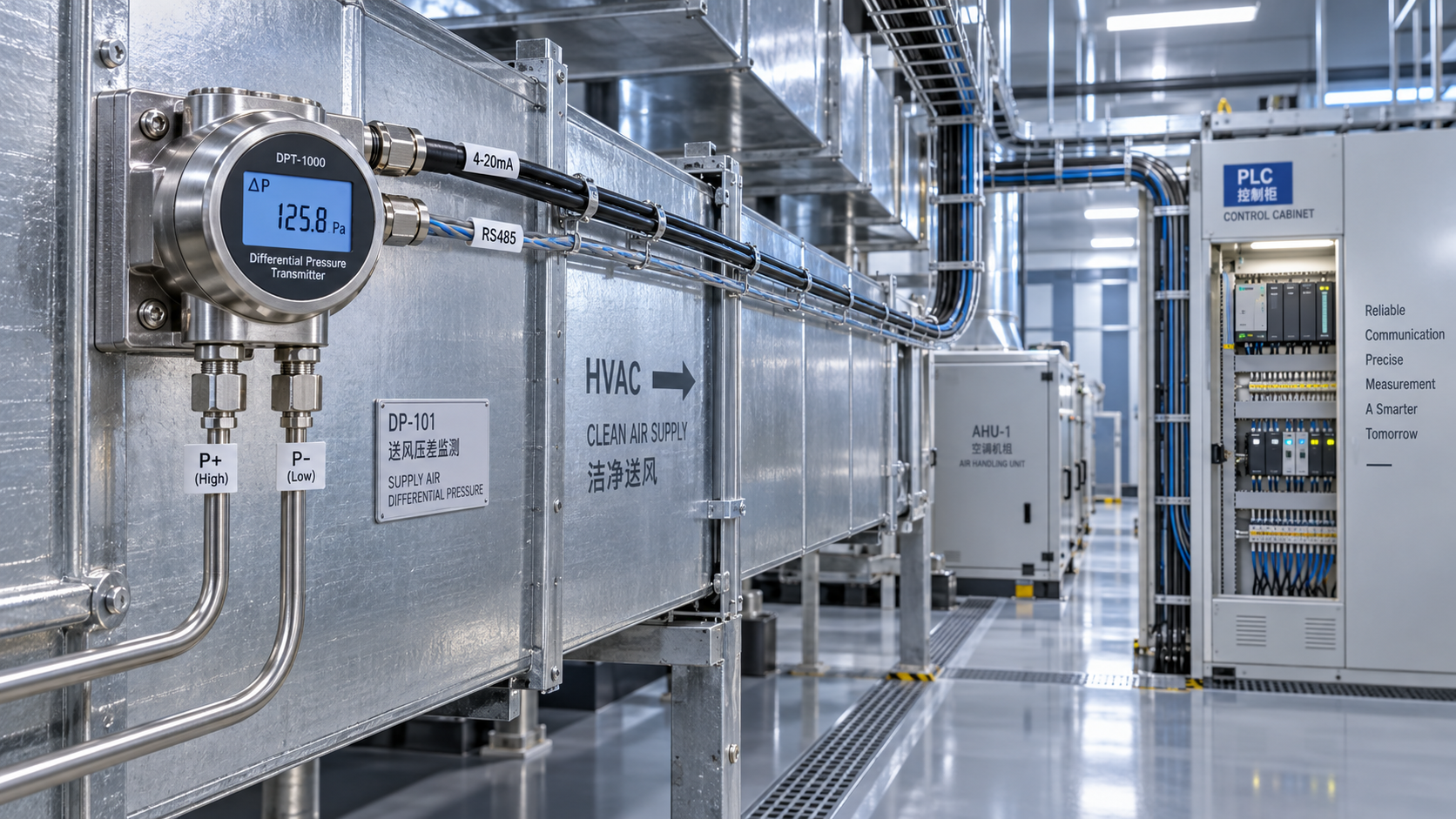
- How Should You Choose the Output Protocol for a Digital Differential Pressure Sensor?How do you select the output protocol for a digital differential pressure sensor? This article explains the applicable scenarios for 4-20mA, RS485/Modbus, HART, and Industrial Ethernet, helping you reduce integration and maintenance costs in PLC, DCS, HVAC, and cleanroom applications.
- Will an excessively long cable affect the accuracy of a wired differential pressure sensor?Will an excessively long cable affect the accuracy of a wired differential pressure sensor? This article analyzes the long-distance transmission differences among 4-20mA, voltage, and RS485 outputs, and explains voltage drop, electromagnetic interference, wire gauge selection, and shielding and grounding methods to help achieve stable and accurate measurement.
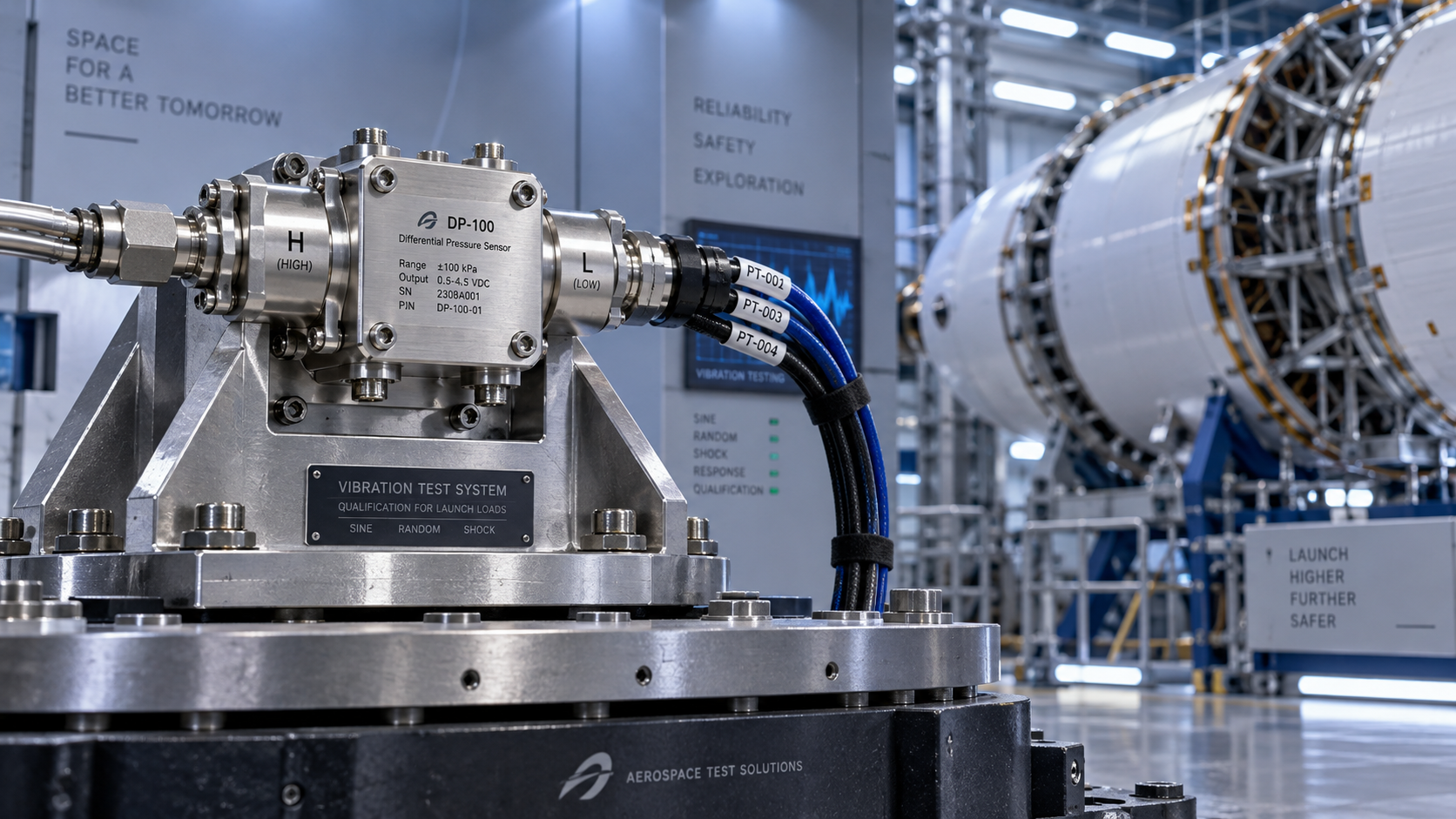
- How Do Aerospace Differential Pressure Sensors Withstand Launch Vibrations?How do aerospace differential pressure sensors withstand launch vibrations? This article analyzes the effects of random vibration, sinusoidal vibration, and shock on measurement accuracy, covering sensing element reinforcement, vibration-resistant structural design, testing and calibration, and installation considerations to support stable and reliable differential pressure data acquisition for aerospace missions.
- How should alternatives be arranged when delivery lead times for imported differential pressure sensors are extended?What should be done when delivery lead times for imported differential pressure sensors are extended? This article provides a detailed explanation of parameter verification, risk classification, prototype validation, and batch delivery strategies for domestic alternatives, helping companies balance process safety, control accuracy, and procurement lead times while quickly reducing the risks of downtime and project delays.
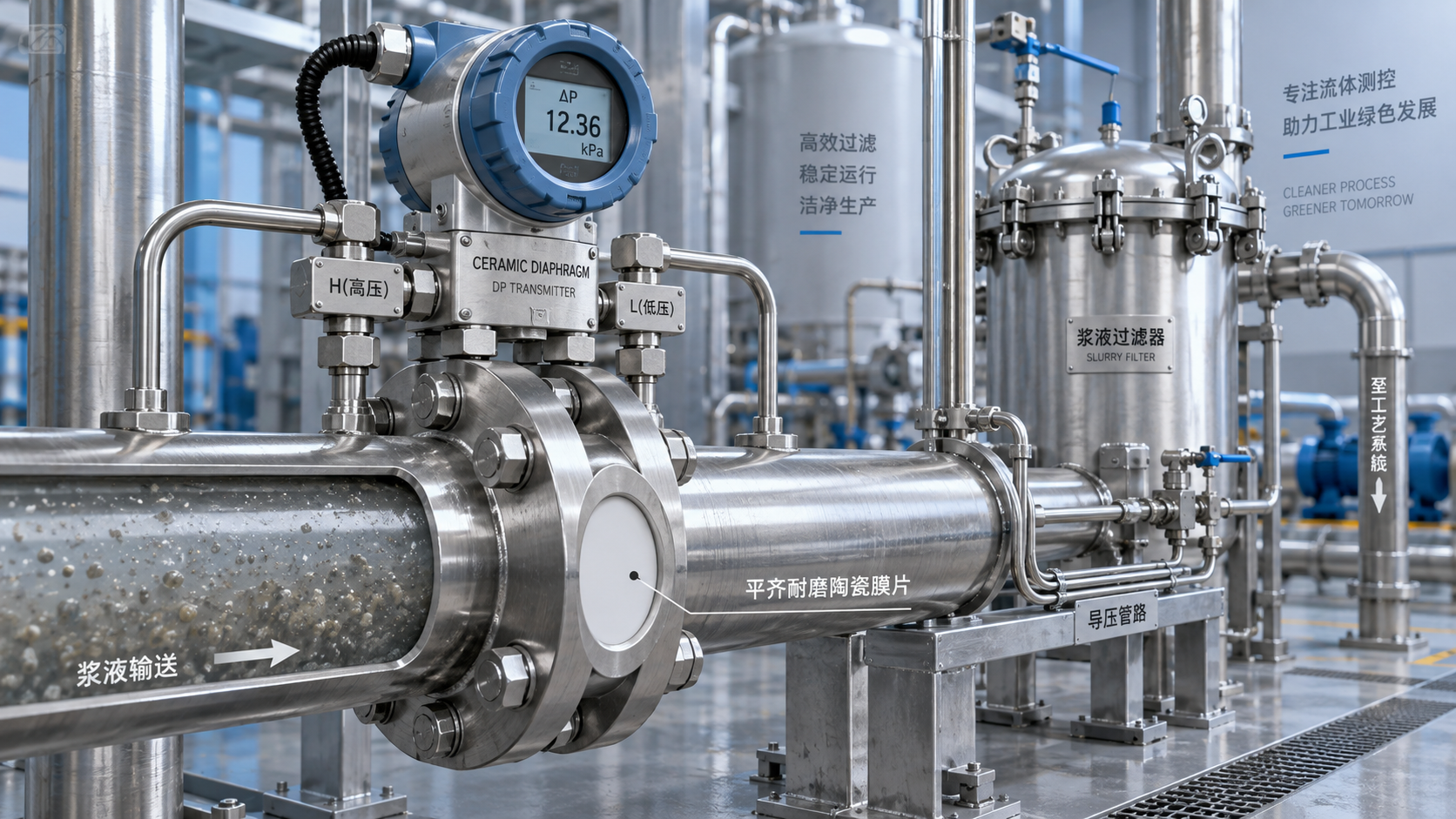
- Can Ceramic Differential Pressure Sensors Be Used with Particle-Containing Media?Can ceramic differential pressure sensors be used with particle-containing media? This article analyzes the risks of particle wear, blockage, and pressure fluctuations, and provides recommendations on applicable operating conditions, selection data, diaphragm protection, installation, and maintenance to help improve measurement stability and service life.
- How to Select a Compact Differential Pressure Sensor When Installation Space Is Limited?How can a compact differential pressure sensor be accurately selected when installation space is limited? This article analyzes differential pressure measurement solutions for compact equipment, covering installation dimensions, measuring range and accuracy, port orientation, media compatibility, electrical interference resistance, and maintenance space, helping reduce rework and failure risks.
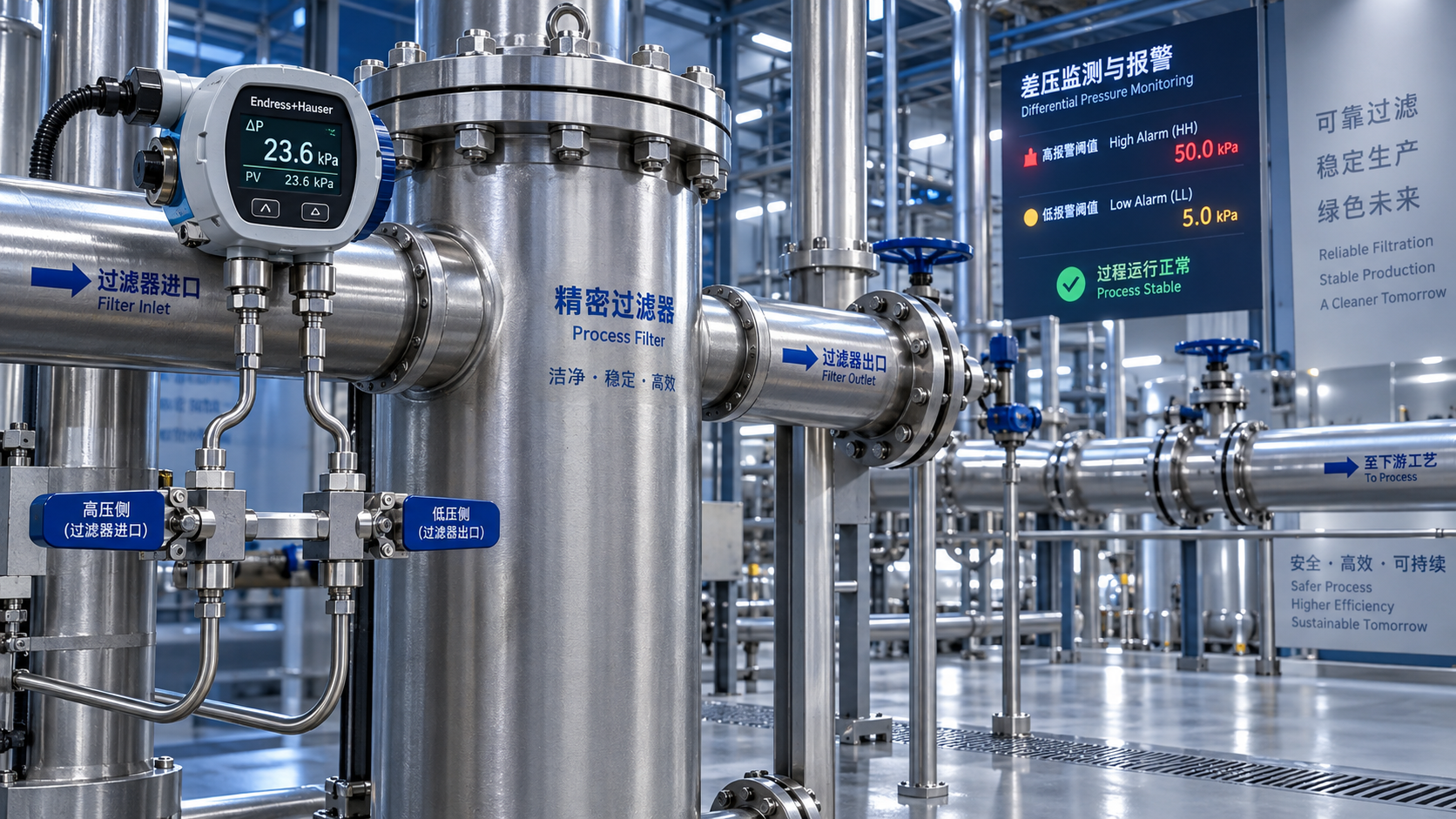
- How to Set Alarm Thresholds for Intelligent Differential Pressure Sensors?How to set alarm thresholds for intelligent differential pressure sensors? This article explains range verification, warning/high-high alarm grading, hysteresis, delay, and damping configuration methods, covering applications such as filters, air ducts, and liquid level measurement to help reduce false alarms and improve safe equipment operation.
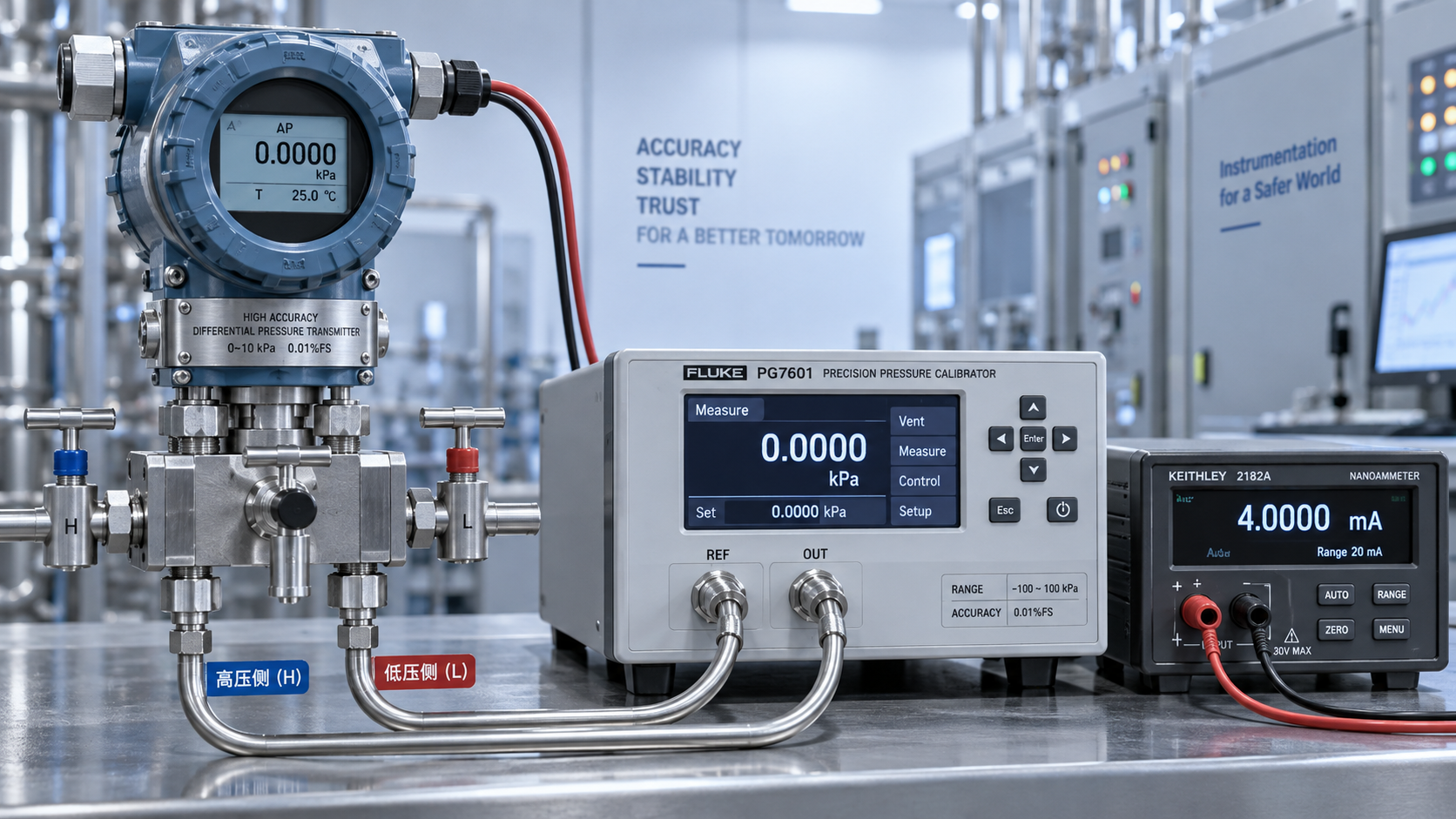
- How can zero drift in a high-precision differential pressure sensor be identified?How can zero drift in a high-precision differential pressure sensor be identified? This article explains zero differential pressure testing, impulse line inspection, power supply and signal verification, and standard pressure calibration methods to quickly distinguish temperature drift, leakage, interference, and sensor faults, improving industrial measurement accuracy and maintenance efficiency.
- Can domestically manufactured differential pressure sensors replace imported models?Can domestically manufactured differential pressure sensors replace imported models? This article analyzes the applicable scenarios and selection considerations for domestic replacement, covering range accuracy, static pressure capability, media compatibility, output protocols, and pilot validation, helping companies reduce procurement and maintenance costs.
- How to Select Specifications and Sealing Methods for Threaded Differential Pressure Sensors When Installation Space Is LimitedHow should threaded differential pressure sensors be selected when installation space is limited? This article details compact housings, threaded connections, differential pressure ranges, high static pressure capability, and sealing methods such as O-rings and bonded seals, helping equipment manufacturers and maintenance personnel reduce the risks of leakage, drift, and rework.
- Which parameters should be verified when selecting this explosion-proof differential pressure sensor for chemical hazardous areas?This explosion-proof differential pressure sensor is suitable for differential pressure measurement in chemical hazardous areas. Selection requires verification of zone classification, type of protection, gas group, measuring range, static pressure, wetted materials, and signal interface. Obtain professional selection support to enhance safety and operational stability.
- Should you choose 0-5V or 0-10V for a voltage-output differential pressure sensor, and how do you match it to the control system?Should you choose 0-5V or 0-10V for a voltage-output differential pressure sensor? This article explains how to match the input terminals of PLCs, DDCs, digital display instruments, and control systems, covering range conversion, wiring configuration, interference resistance, and 4-20mA selection recommendations to help you avoid signal mismatches.
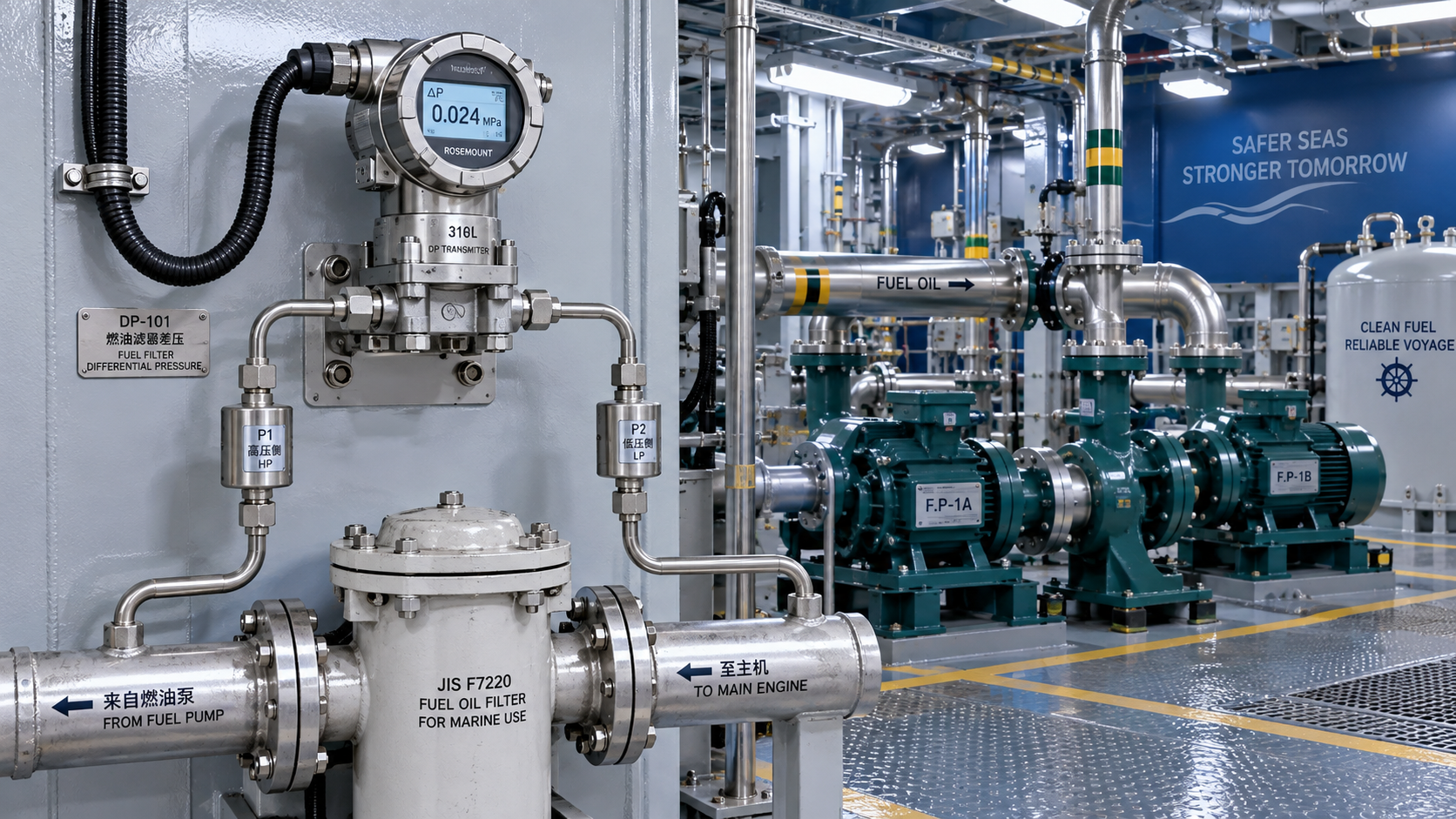
- How to Address Salt Spray, Vibration, and Pressure Fluctuations in Marine Engine Room Differential Pressure MonitoringHow can marine differential pressure sensors withstand engine room salt spray corrosion, continuous vibration, and pressure pulses? This article explains corrosion-resistant materials, sealing protection, vibration-isolated installation, impulse line layout, and damping and filtering strategies, while providing selection and maintenance recommendations to improve monitoring reliability for filters, ventilation, and oil and water circuits.
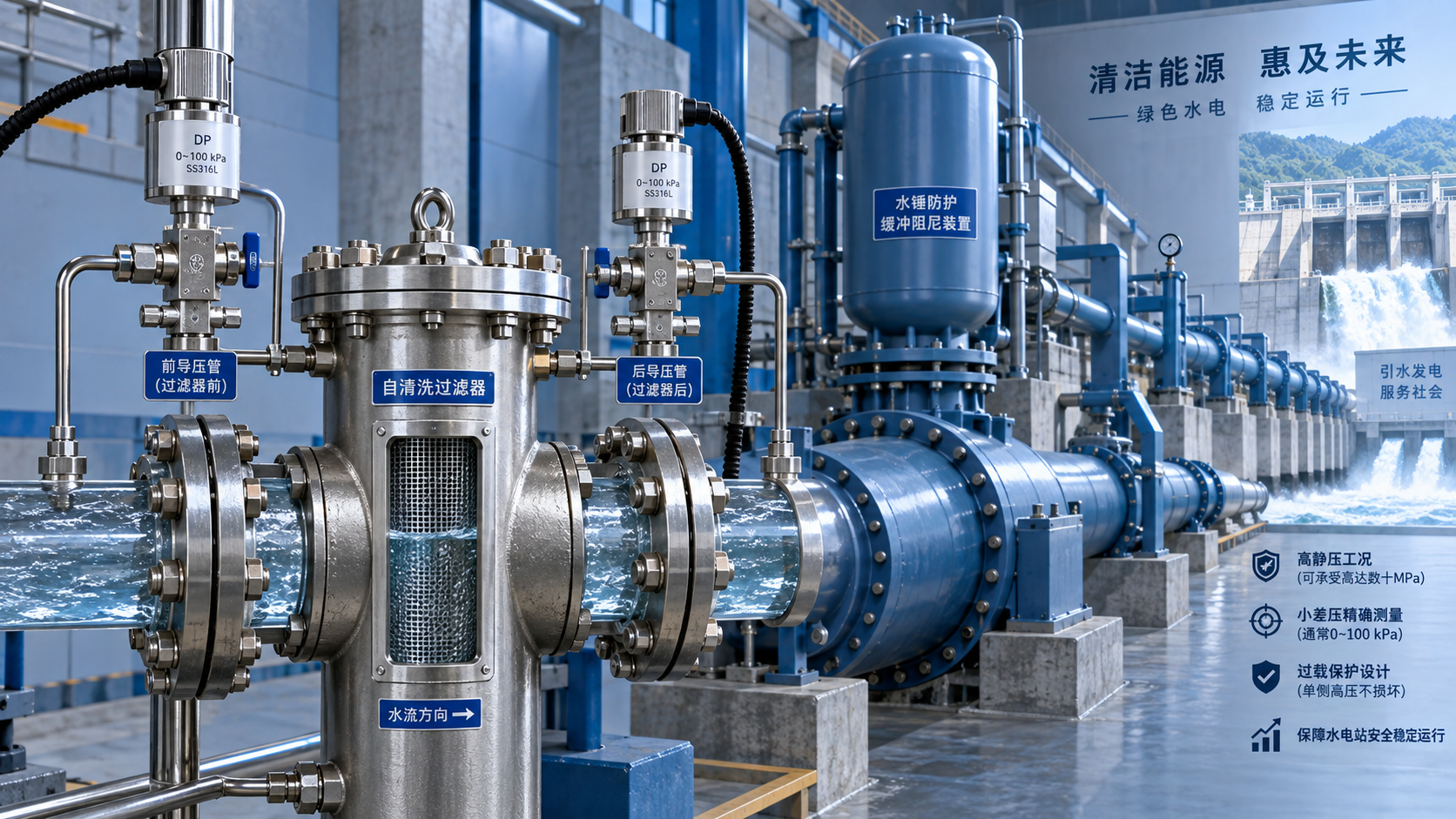
- Differential Pressure Monitoring of Hydropower Plant Water Conveyance Systems: How to Configure Range and Overpressure ProtectionHow should the measuring range and overpressure protection be configured for hydropower differential pressure sensors? This article explains static pressure, water hammer, one-sided overload, and installation considerations in hydropower plant water conveyance systems to help improve the reliability of blockage monitoring and operational protection.
- RS485 Differential Pressure Sensor Communication Instability: Troubleshooting Methods for Addressing, Termination Resistors, and WiringHow can RS485 differential pressure sensor communication instability be quickly diagnosed? This article explains diagnostic methods for address conflicts, Modbus parameters, 120Ω termination resistors, A/B wiring, shield grounding, and power supply interference, helping restore stable communication and reduce the risk of on-site downtime.
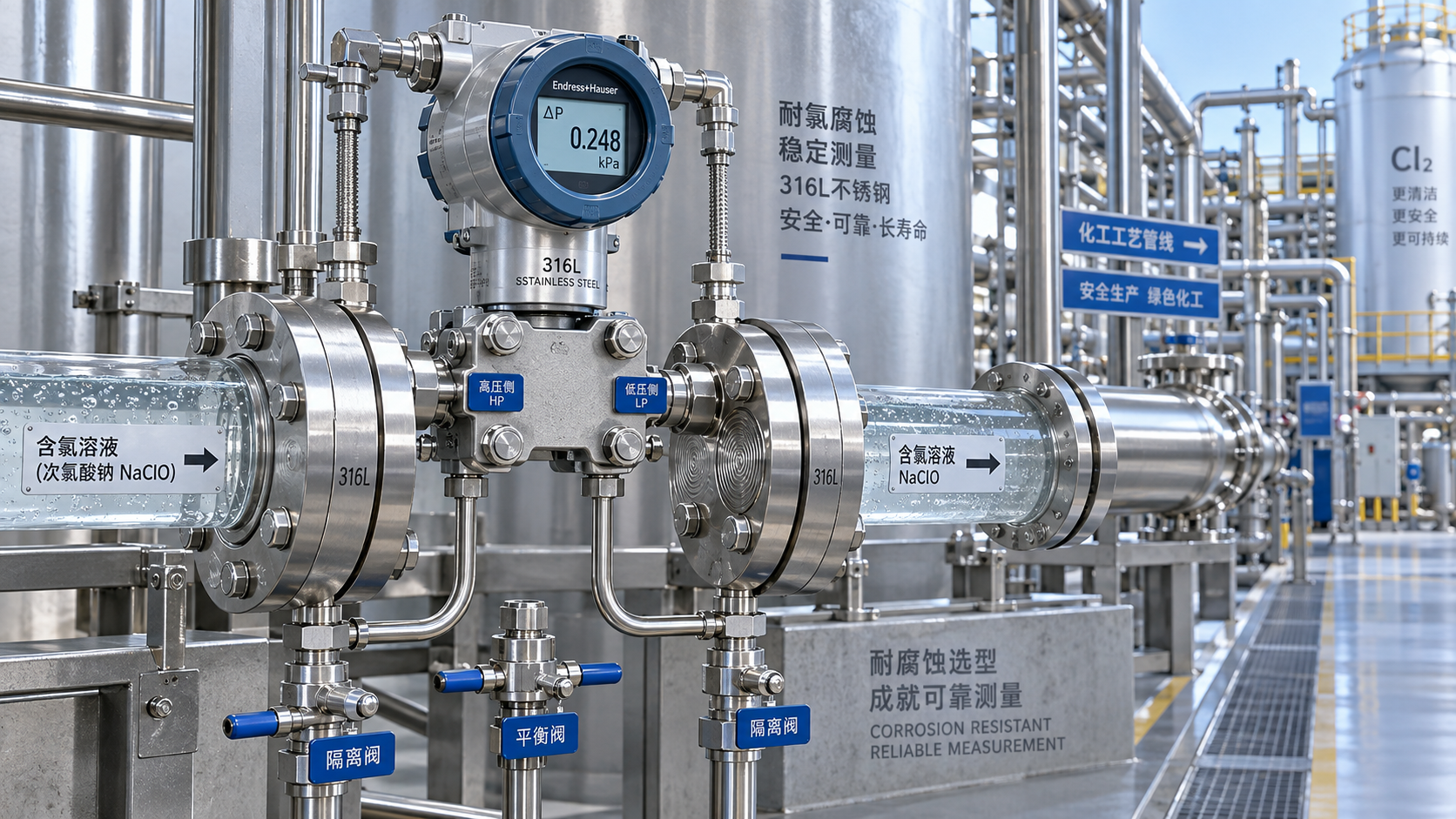
- How to assess the corrosion resistance of a 316L differential pressure sensor for chlorine-containing mediaHow can corrosion resistance be assessed when a 316L differential pressure sensor is used with chlorine-containing media? This article explains in detail how chloride ion concentration, temperature, pH, pressure, and sealing structure affect pitting corrosion and crevice corrosion, helping you select materials scientifically and reduce the risk of measurement inaccuracies.
- How to Select the Range and Accuracy of a Differential Pressure Sensor for Residential Fresh-Air DuctsHow should a residential differential pressure sensor be selected for fresh-air ducts in terms of range and accuracy? This article explains airflow, air velocity, and dynamic pressure calculations in detail, covering duct airflow measurement, filter clogging, supply and exhaust air balance, and other applications. It provides selection references from 0–50 Pa to 0–1000 Pa, accuracy matching, and installation guidelines to help reduce energy consumption and improve control stability.
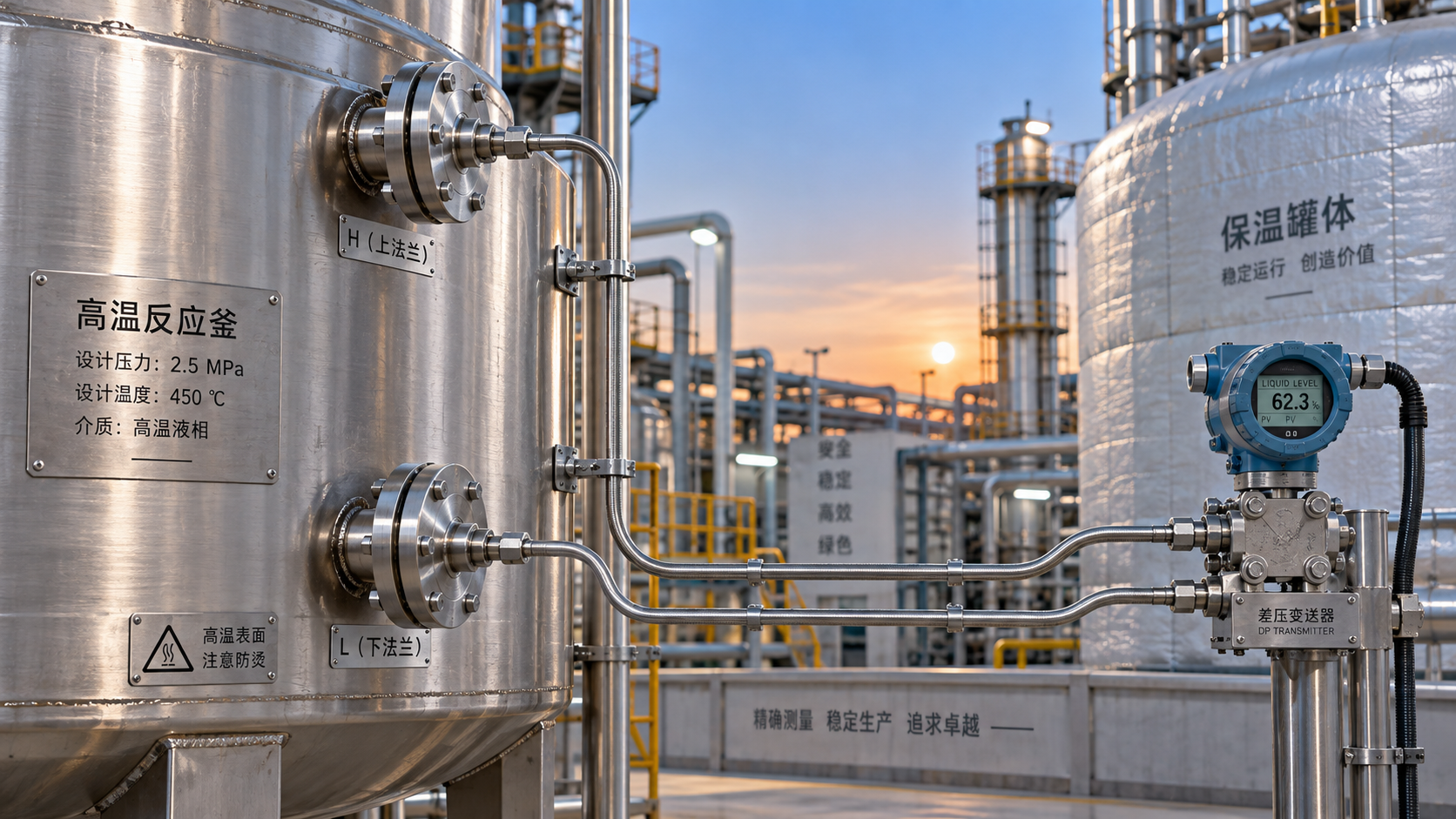
- How to Reduce Measurement Errors Caused by High-Temperature Media When Measuring Liquid Level with a Double-Flange Differential Pressure SensorHow can errors be reduced when measuring high-temperature liquid level with a double-flange differential pressure sensor? This article analyzes the effects of fill fluid thermal expansion, changes in medium density, and installation temperature differences, and provides guidance on selection, symmetrical arrangement, temperature compensation, calibration, and maintenance to help improve liquid level measurement stability in applications such as reactors and storage tanks.

{item.title}
{item.description}