


News Center
—— NEWS CENTER ——
Xi'an Shenghongchuang Instrument Co., Ltd.
Contact: Mr. Zhang
Mobile: 15529283736
Email: shc-sensor@qq.com
Address: Fortune Building, Sanqiao Street, Xixian New Area, Xi'an, Shaanxi Province
Can a Single-Flange Differential Pressure Sensor Be Used for High-Viscosity Media
A single-flange differential pressure sensor can be used for pressure or level measurement of certain high-viscosity media, but selection cannot be determined solely based on “high viscosity.” Its suitability mainly depends on the medium viscosity, whether it contains particles or fibers, whether it is prone to crystallization or solidification, as well as actual conditions such as temperature, pressure, and installation location.
Compared with conventional impulse line connections, the single-flange design installs the isolation diaphragm directly close to the measured medium, reducing long and narrow pressure transmission passages. For media prone to retention, such as resins, slurries, greases, asphalt, syrups, and coatings, this design can significantly reduce the risk of pressure tapping blockage and delayed pressure transmission.
However, single-flange differential pressure sensors are typically used to measure pressure on one side of a vessel, or in combination with another measuring point or a capillary seal system to form a differential pressure measurement. When used for level measurement in closed tanks, vapor-side pressure compensation, temperature effects, and installation height must still be considered comprehensively to avoid confusing structural selection with the measurement principle.
Measurement Challenges Posed by High-Viscosity Media
Why Pressure Tapping Passages Easily Fail
High-viscosity media have high flow resistance. After entering conventional pressure tapping ports or impulse lines, they tend to adhere to the inner walls and gradually accumulate. When medium viscosity reaches several thousand mPa·s and is accompanied by low temperatures, shutdowns, or reduced flow rates, pressure transmission in narrow passages can become significantly slower, and the output value may lag behind actual operating conditions.
If the medium contains solid particles, powders, fibers, or incompletely reacted materials, the risk of blockage increases further. Even if the sensor itself achieves an accuracy of 0.2%FS or 0.5%FS, blockage in the front-end pressure tapping structure can still cause zero drift, indication fluctuations, or readings that remain unchanged for extended periods.
Medium crystallization, coking, and solidification also require close attention. For example, certain waxes, adhesives, and polymer raw materials rapidly thicken as temperatures decrease and may form hard deposits after several hours of shutdown. In such cases, simply increasing the sensor range cannot solve the problem; the diaphragm, heat tracing, and installation orientation must be addressed together.
The Practical Role of Single-Flange Diaphragm Seals
A single-flange differential pressure sensor uses an isolation diaphragm and fill fluid to transmit pressure, preventing the sensing element from directly contacting viscous media. Flush-mounted or flat diaphragms can reduce dead zones, allowing the medium to avoid passing through narrow impulse ports, and are therefore more suitable for applications with a tendency toward adhesion, deposition, or blockage.
It should be noted that diaphragm seals can only reduce the probability of blockage and cannot ensure that no high-viscosity medium will adhere. For highly adhesive colloids, filler-containing coatings, or easily cured resins, material buildup on the diaphragm surface may still cause static pressure transmission errors. Therefore, locations that are easy to clean should be prioritized.
In food, pharmaceutical, and fine chemical applications, hygienic flanges, polishing grades, and cleaning procedures should also be considered. If the equipment requires CIP or SIP cleaning, the diaphragm material, sealing face type, and temperature resistance must match the cleaning temperature. Attention should not be focused only on the medium viscosity at ambient temperature.
Suitability Assessment Under Different Operating Conditions
For media with relatively stable viscosity, controllable temperature, and low tendency to solidify, single-flange differential pressure sensors generally offer good suitability. During installation, the diaphragm should be as flush as possible with the vessel inner wall to avoid recesses, thereby reducing material residue and local deposition.
For high-viscosity media with significant temperature variations, particular attention should be paid to the temperature characteristics of the fill fluid. When the medium temperature rises from 20℃ to 150℃, the diaphragm seal system may generate additional thermal errors; the lower the range and the longer the capillary, the more important the temperature effect usually becomes.
If the measured object is liquid level in a closed vessel, a single-flange solution often needs to be used in conjunction with vapor-phase pressure measurement, or a dual-flange differential pressure configuration should be selected. For tanks with large pressure fluctuations, level measurement results have practical reference value only when vapor-phase pressure is properly compensated.
Key Parameters to Confirm During Selection
Do Not Select a Sensor Based on Range Alone
The differential pressure range should be determined according to the actual maximum differential pressure, normal operating differential pressure, and overload pressure. Long-term operation near full scale is generally not recommended, nor should normal measurements be compressed into the very low end of the range. For level applications, the theoretical differential pressure should also be calculated based on medium density and liquid column height.
The diaphragm material must meet corrosion resistance, wear resistance, and temperature resistance requirements. 316L stainless steel is suitable for many conventional operating conditions; for media containing chloride ions, with strong acidity or alkalinity, or with special solvents, Hastelloy, tantalum, or other corrosion-resistant materials may be required, and medium compatibility must be verified.
Flange standards, diaphragm diameter, and sealing face type also affect the final result. Different sizes such as DN50 and DN80 have different pressure-bearing areas and installation spaces. For media prone to adhesion, larger flush diaphragms are generally more conducive to stable pressure transmission and subsequent maintenance, but they must still match the equipment interface.
Installation and Maintenance Determine Long-Term Stability
The installation location should avoid direct material scouring, intense disturbance from agitator blades, and sedimentation areas at the bottom of the tank. For media containing particles or with high solids content, avoid positioning the diaphragm directly opposite the feed inlet or pump outlet to prevent long-term erosion from causing diaphragm deformation, zero shifts, or even seal failure.
In applications requiring heat tracing, the process temperature should be kept stable to avoid localized overheating. The heat-tracing temperature should be determined according to the medium solidification point and the sensor's allowable temperature. The maximum steam temperature should not be used directly as the setting basis, in order to prevent changes in fill fluid performance or heat effects on electronic components.
Xi'an Shenghongchuang Instrumentation Co., Ltd. can assist in confirming the diaphragm material, range, and installation solution for single-flange differential pressure sensors based on the medium name, viscosity range, temperature and pressure, vessel structure, flange size, and output signal requirements. For high-viscosity medium projects, it is recommended to provide complete operating condition parameters before purchase so that technical personnel can perform targeted selection confirmation.
Related Recommendations
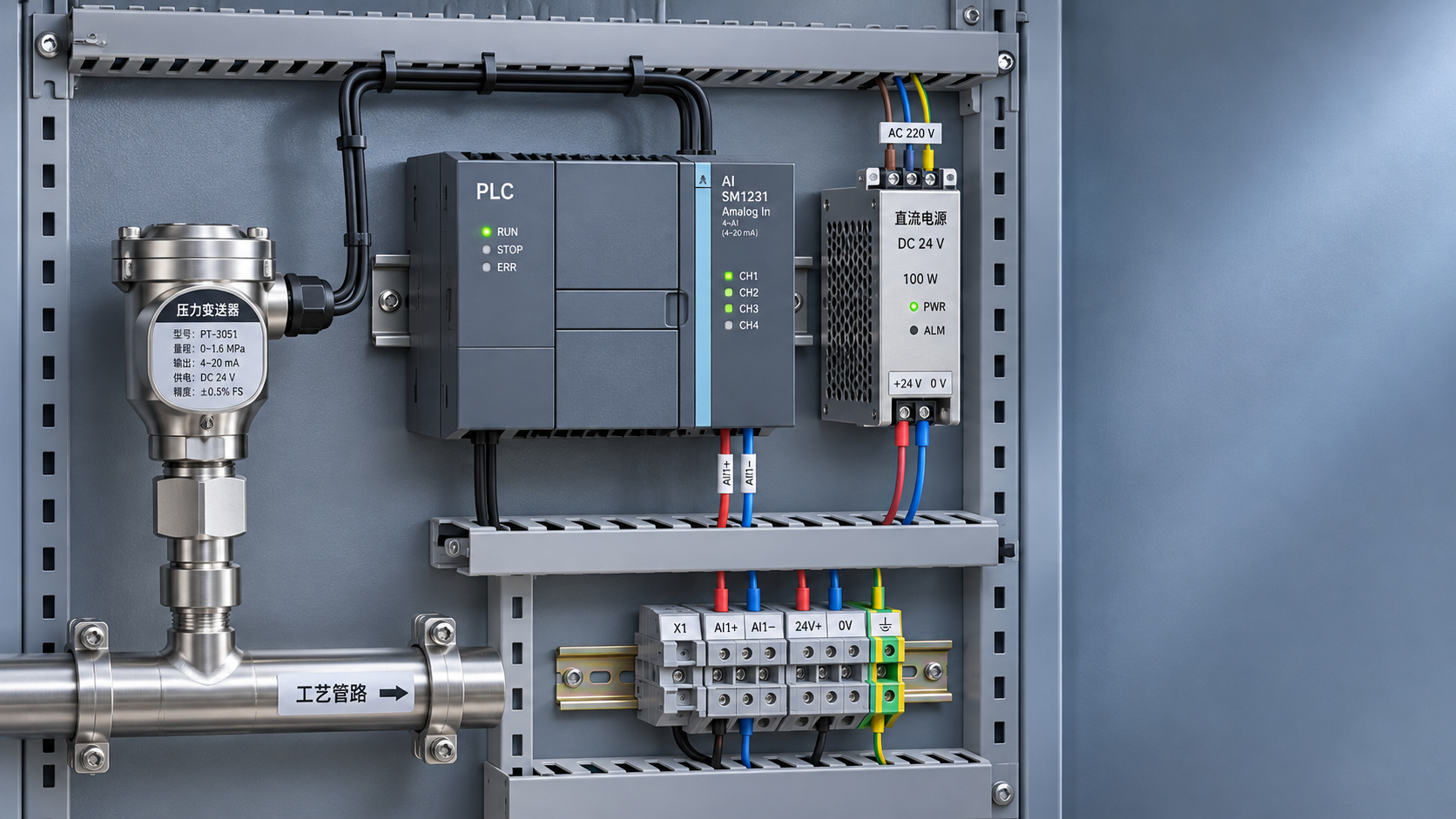
 How to Calculate Power and Signal Compatibility When Connecting a 24 V Pressure Transmitter to a PLC
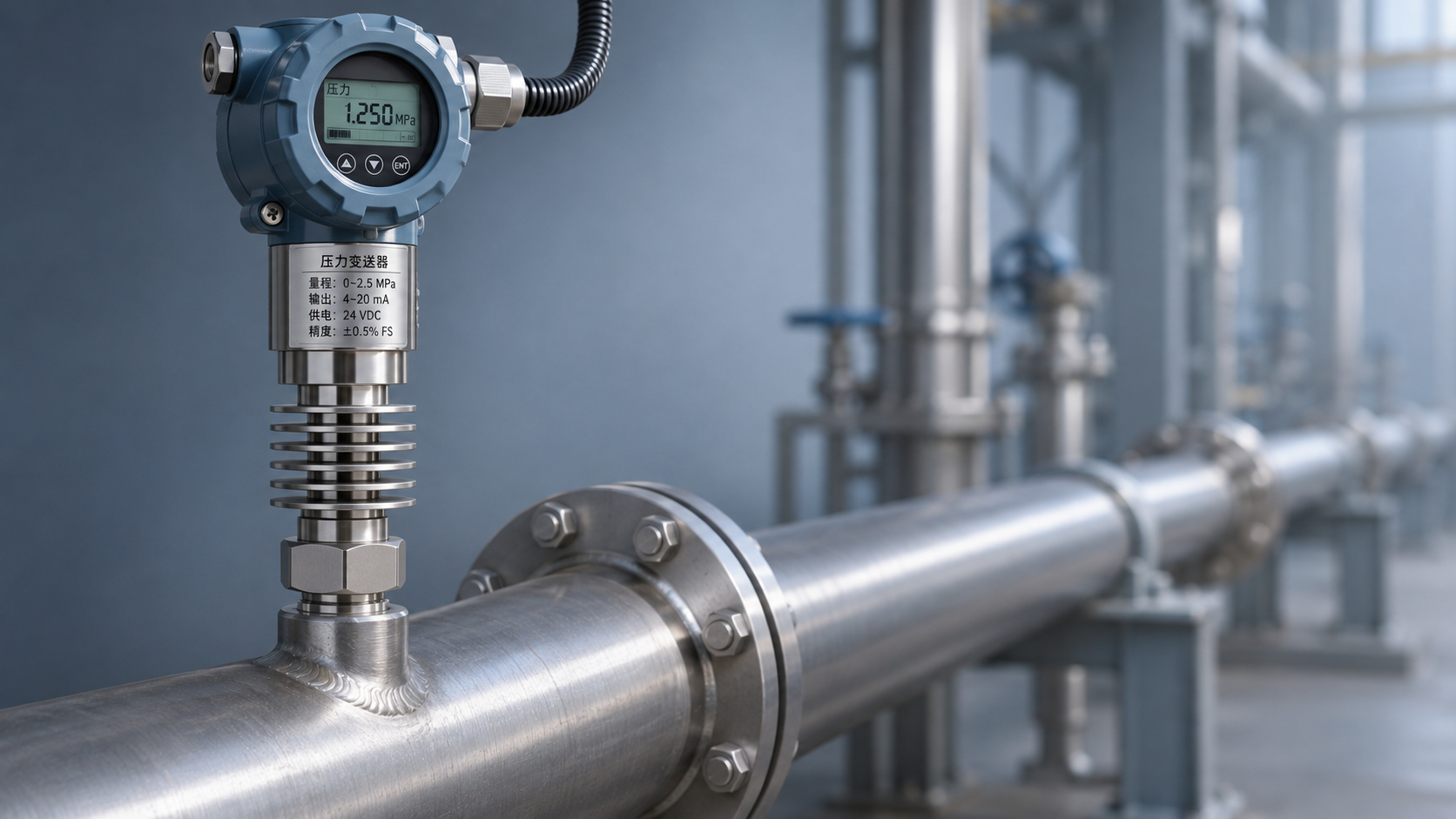
 Heat-Dissipating Pressure Transmitters vs. Isolation and Cooling Solutions: How to Choose for High-Temperature Pressure Measurement
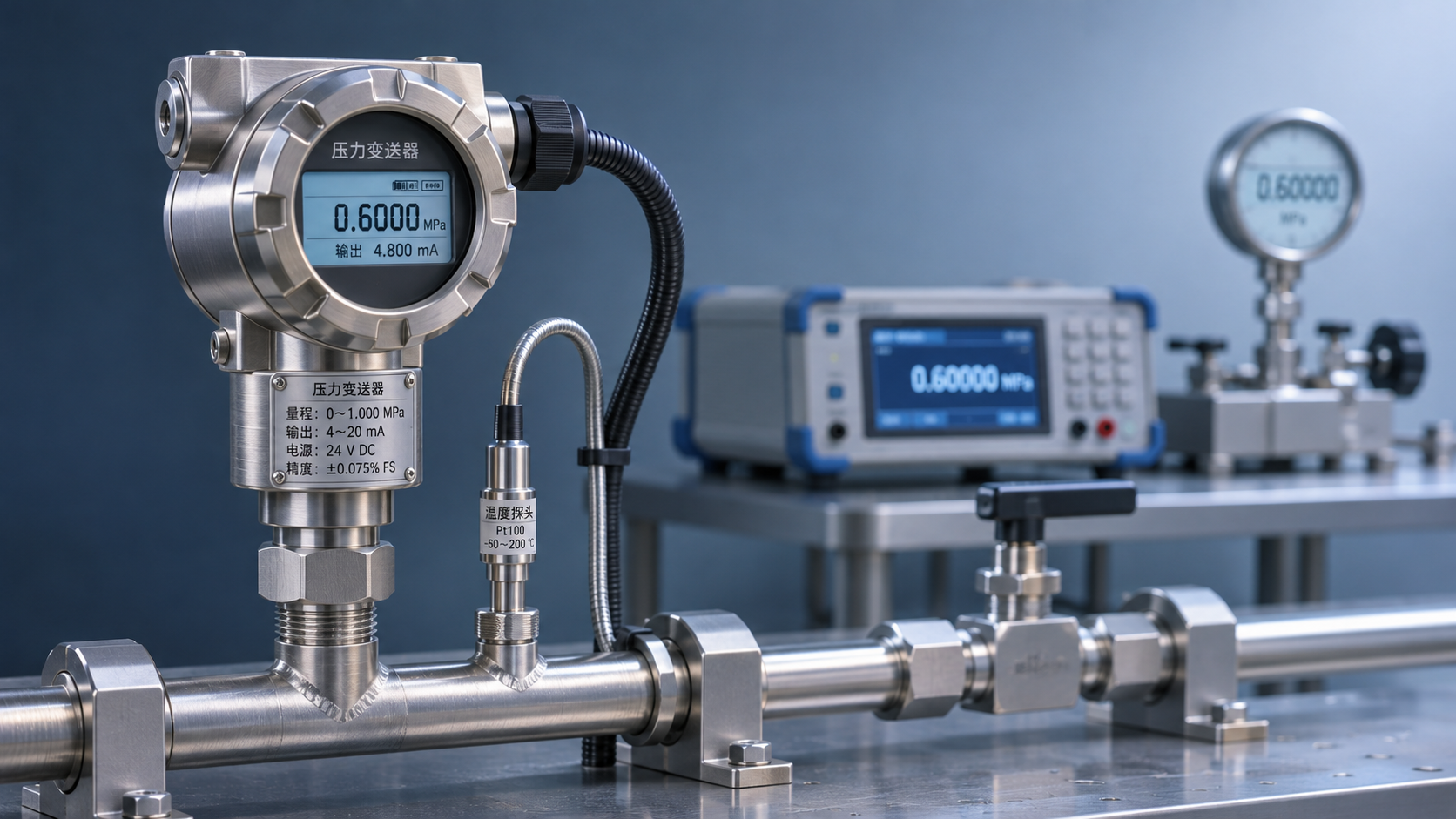
 Compensation Principles and Temperature Drift Parameters of Temperature-Compensated Pressure Transmitters
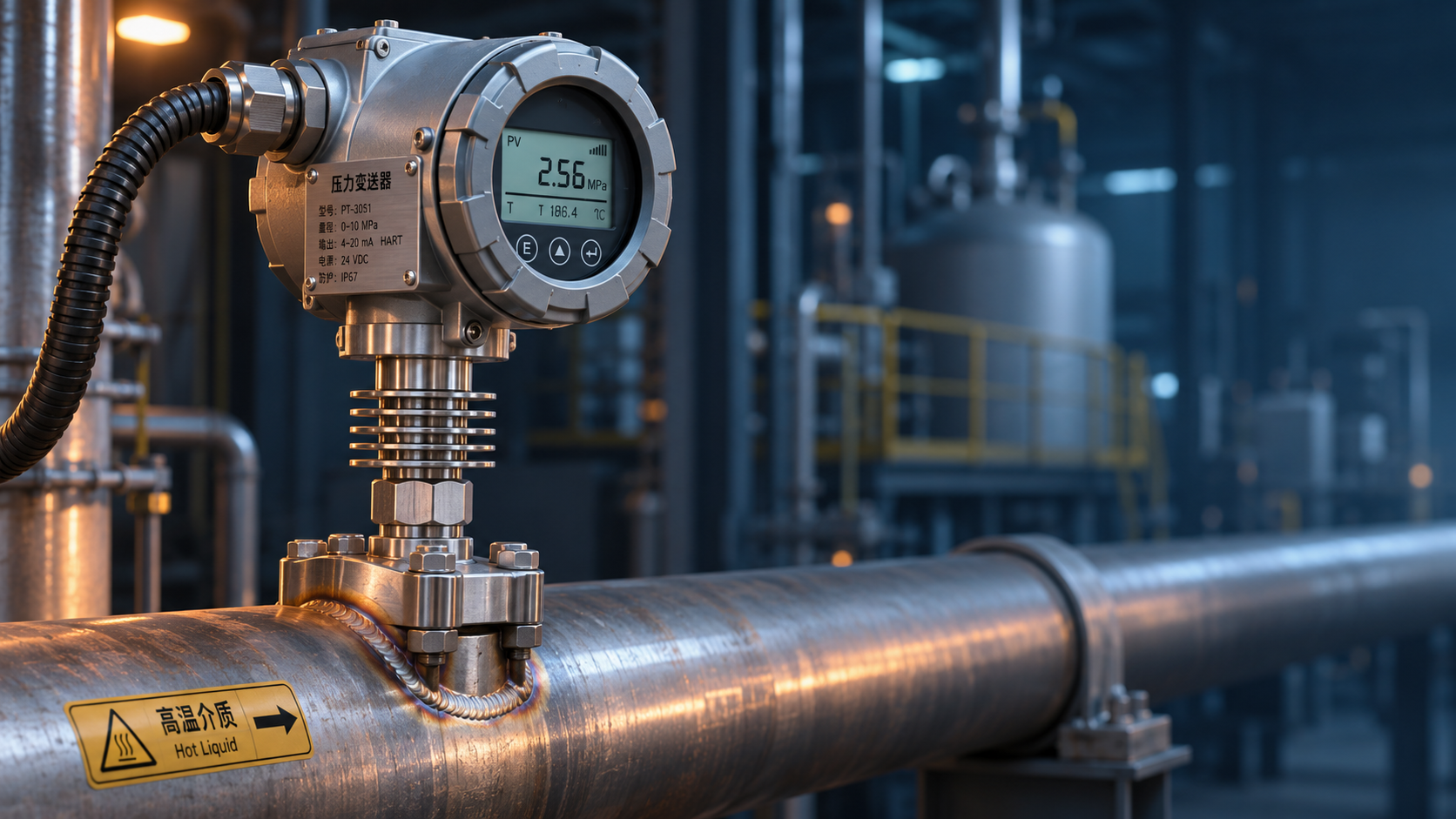
 Selecting a High-Temperature Liquid Pressure Transmitter: How to Determine Temperature, Sealing, and Range