


News Center
—— NEWS CENTER ——
Xi'an Shenghongchuang Instrument Co., Ltd.
Contact: Mr. Zhang
Mobile: 15529283736
Email: shc-sensor@qq.com
Address: Fortune Building, Sanqiao Street, Xixian New Area, Xi'an, Shaanxi Province
How to Determine the Corrosion Resistance of a 316L Differential Pressure Sensor for Chloride-Containing Media
In chemical, environmental protection, water treatment, salt chemical, and certain energy installations, differential pressure sensors often need to come into contact with media containing chloride ions. Due to its low carbon content, resistance to general corrosion, and good machining and welding performance, 316L stainless steel is widely used for wetted parts of differential pressure transmitters. However, the use of 316L does not mean it is suitable for all chloride-containing operating conditions.
To determine whether a 316L differential pressure sensor can be used reliably over the long term, it is not sufficient to consider only the medium name or chloride ion concentration. Temperature, pH value, pressure, dissolved oxygen, flow rate, deposits, shutdown cycles, and sealing structure should also be confirmed. Chloride ions at the same concentration may present significantly different corrosion risks in room-temperature neutral media and high-temperature acidic media.
For differential pressure measurement, corrosion risks exist not only on the diaphragm surface, but may also occur at the high- and low-pressure side connections, impulse lines, three-valve manifolds, flanges, welds, sealing rings, and fill-fluid isolation systems. Insufficient material selection in any wetted component may cause zero drift, output fluctuations, leakage, or diaphragm failure.
Therefore, engineering selection should be based on the complete medium composition and actual operating conditions, with the sensor manufacturer jointly evaluating wetted materials, isolation methods, and installation structures. For installations with substantial composition fluctuations or potential future increases in temperature or concentration, an appropriate material safety margin should also be reserved.
I. First Define the Corrosion Limits of 316L in Chloride Ion Environments
Chloride Ions Are an Important Factor Causing Localized Corrosion
316L typically contains molybdenum and offers better resistance to pitting corrosion in general media than 304 stainless steel. However, in the presence of chloride ions, the passive film on the stainless steel surface may be locally damaged, resulting in pitting corrosion, crevice corrosion, and stress corrosion cracking. Corrosion may not immediately affect readings at an early stage, but it can gradually weaken the diaphragm and connection strength.
Chloride ion concentration is a basic parameter, but it is not the only criterion. Common engineering media such as low-concentration circulating water, process wastewater, brine, pickling solutions, hypochlorite solutions, and chlorinated solvents have different corrosion mechanisms. Particularly at locations involving medium evaporation, concentration, crystallization, or stagnant liquid in dead zones, the local chloride ion concentration may be far higher than the average value shown in laboratory reports.
Rising temperature significantly accelerates the corrosion process. For 316L differential pressure sensors that may be used for a short period at room temperature, when the medium temperature increases from 25℃ to 60℃, 80℃, or even higher, the risks of pitting and crevice corrosion increase rapidly. The combination of high temperature and high chloride ion concentration is generally not suitable for direct selection based solely on 316L material.
In addition, acidic conditions, oxidizing components, free chlorine, wet chlorine gas, iron ion deposits, and applied stress can further reduce the applicability of 316L. If the sensor installation location is subject to long-term vibration, pulsating pressure, or frequent hot-cold cycling, particular attention should be paid to the combined effects of stress corrosion and fatigue failure.
Common Corrosion Types and Their Effects on Measurement
Pitting corrosion is difficult to detect and may appear only as pinholes or localized discoloration, but it can have a considerable impact on thin isolation diaphragms. Especially in low differential pressure measurement applications, minor changes in diaphragm stiffness and effective area may reduce zero stability and repeatability.
Crevice corrosion often occurs in gasket compression areas, threaded connections, flange dead zones, and locations where crystals accumulate. Medium exchange is insufficient in these areas, where the local environment can easily become acidic and concentrate chloride ions. Therefore, even if the main diaphragm is made of 316L, overall corrosion resistance cannot be determined simply by the diaphragm material.
Stress corrosion cracking requires even greater attention with regard to long-term reliability. The differential pressure sensor body, process connections, and impulse components are inherently stressed under pressure. If installation stress, piping misalignment loads, or welding residual stress are also present, qualified personnel should review the structure and material combination.
II. Key Parameters That Must Be Provided When Evaluating Operating Conditions
Do Not Provide Only Descriptions Such as “Chloride-Containing” or “Brine”
Selection data should include at least the chloride ion concentration or chloride mass fraction, medium name, pH value, normal temperature, maximum temperature, normal pressure, maximum pressure, and differential pressure range. For batch production or waste liquid recovery conditions, it should also be specified whether concentration, temperature, and pH fluctuate periodically.
For example, room-temperature neutral water with a chloride ion mass concentration of 200mg/L cannot be evaluated using the same criteria as a medium with a chloride ion mass concentration of 20,000mg/L, a temperature of 70℃, and a relatively low pH. If the medium also contains hydrochloric acid, sodium hypochlorite, chlorine gas, sulfides, or other oxidizing agents, these must be listed separately in the technical agreement.
It is also necessary to verify whether the medium is continuously flowing, intermittently flowing, or retained for long periods. Continuous flow may cause erosion and cavitation, while low flow rates or stagnant conditions during shutdown can easily lead to deposits, crystallization, and crevice corrosion. If condensate, gas-liquid two-phase flow, or solid particles are present in the impulse lines, both measurement stability and material risks will increase.
The installation environment must not be overlooked. If the sensor housing, wiring terminals, or outer flange surfaces are exposed for long periods to chloride-containing humid air, salt spray, or cleaning solutions, external corrosion should be included in the evaluation. Qualified wetted process materials cannot replace external protection design.
Recommended Information List for Manufacturer Confirmation
For projects where complete medium data cannot be obtained, preliminary selection under more severe operating conditions is recommended, followed by supplementary verification through coupon testing, historical records of the same materials on site, or limited-scope trial operation. Judging solely based on “stainless steel was used before” makes it difficult to ensure years of continuous and reliable differential pressure sensor operation.
It should be noted that sensor range and corrosion resistance are two different considerations. Even if an appropriate corrosion-resistant diaphragm is selected, an excessively small differential pressure range, excessive static pressure, or frequent pressure shocks may still cause measurement errors or mechanical damage and should be checked together.
For measurement points used for metering, interlocking, or safety control, it is recommended to define the allowable zero drift, verification interval, and consequences of failure during the design stage. Critical measurement points may be equipped with isolation valves, flushing connections, or backup measurement channels to reduce shutdown risks caused by maintenance and replacement.
III. Measures When 316L Is Not Suitable or Must Be Used with Caution
Optimize Both Wetted Materials and Isolation Structures
When chloride ion concentration and temperature are high, or when the medium is clearly acidic or oxidizing, upgrading the wetted diaphragm material should be considered. Depending on medium characteristics, engineering evaluations may consider Hastelloy, tantalum, titanium alloy, duplex stainless steel, or other corrosion-resistant alloys. However, different materials perform differently in hydrochloric acid, wet chlorine, reducing acids, and oxidizing media.
If the medium readily crystallizes, is viscous, contains particles, or should not directly enter the sensor pressure chamber, flange diaphragm seals, remote seals, or flushing structures may be used. Isolation solutions can reduce clogging and contamination, but the effects of capillary length, ambient temperature variation, fill fluid characteristics, and system response time on differential pressure measurement accuracy must also be considered.
Sealing components must not be overlooked. Even if a higher-grade alloy is selected for the sensor diaphragm, O-rings, gaskets, or valve manifold packing that are not resistant to chlorides, acids, alkalis, or temperature may age, swell, or leak first. Material compatibility of wetted components should cover the complete pressure connection system rather than only confirming the sensor body.
For operating conditions with extremely strong corrosivity, frequent composition fluctuations, or high failure costs, confirmation by process, equipment, instrumentation, and sensor technical personnel is recommended. Where necessary, material certificates, wetted component lists, pressure and temperature limits, and selection instructions for the target medium should be requested.
IV. Installation and Maintenance Determine Long-Term Measurement Reliability
Avoid Chloride Ion Concentration and Medium Stagnation
During installation, blind ends, low points where liquid can accumulate, and impulse line structures that are difficult to drain completely should be minimized to prevent local concentration of chloride-containing media after shutdown. For horizontal impulse lines, flange sealing surfaces, and pressure taps, appropriate slopes, condensate drainage, blowdown, or flushing measures should be arranged according to the medium condition.
Avoid using unverified chlorine-containing cleaning agents or high-chlorine disinfectants to directly soak wetted parts for extended periods. After equipment maintenance, if cleaning solution remains in the system, it should be fully displaced according to process requirements. Before restarting operation, check the valve positions on the high- and low-pressure sides, impulse line continuity, and whether the zero point is normal.
During routine inspection, focus on whether the output shows gradual drift, increased fluctuations, failure of the zero point to return, crystallization around flanges, seepage at connections, or housing corrosion. If abnormalities are found, do not address them only by re-zeroing; check whether corrosion or blockage has occurred in the diaphragm, sealing surfaces, and impulse system.
For important differential pressure measurement points, it is recommended to establish periodic verification and visual inspection procedures according to operating conditions. Inspection intervals may be appropriately shortened under highly corrosive conditions, and medium test data, maintenance records, and zero-point change trends should be retained to support subsequent material optimization and spare part selection.
V. Selection Conclusions for Chloride-Containing Media
316L differential pressure sensors can be used in certain low-risk chloride-containing operating conditions, but their applicability must be based on a clearly defined medium composition, controlled temperature, matched pressure conditions, no significant crevice liquid accumulation, and proper maintenance measures. 316L must not simply be regarded as a “chloride-resistant material,” nor should a single concentration indicator replace a complete corrosion assessment.
When operating conditions involve high chloride ion concentrations, high temperature, acidity, oxidizing properties, crystallization deposits, or long-term retention, higher-grade wetted materials and diaphragm seal solutions should be evaluated as a priority. The sensor diaphragm, process connections, flanges, impulse system, and sealing components should be confirmed as a whole for material compatibility.
Xi'an Shenghongchuang Instrumentation Co., Ltd. can provide differential pressure measurement selection recommendations based on differential pressure range, medium composition, temperature and pressure parameters, installation method, and control requirements, including 316L, special alloy wetted materials, diaphragm seals, and non-standard structures, helping users reduce measurement inaccuracies and equipment maintenance risks caused by corrosion.
When making an inquiry or conducting technical communication, please provide the medium name, chloride ion concentration, pH value, maximum temperature, maximum pressure, differential pressure range, and installation diagram. Technical personnel can then verify the wetted materials and structure before determining a differential pressure sensor solution suitable for long-term on-site operation.
Related Recommendations
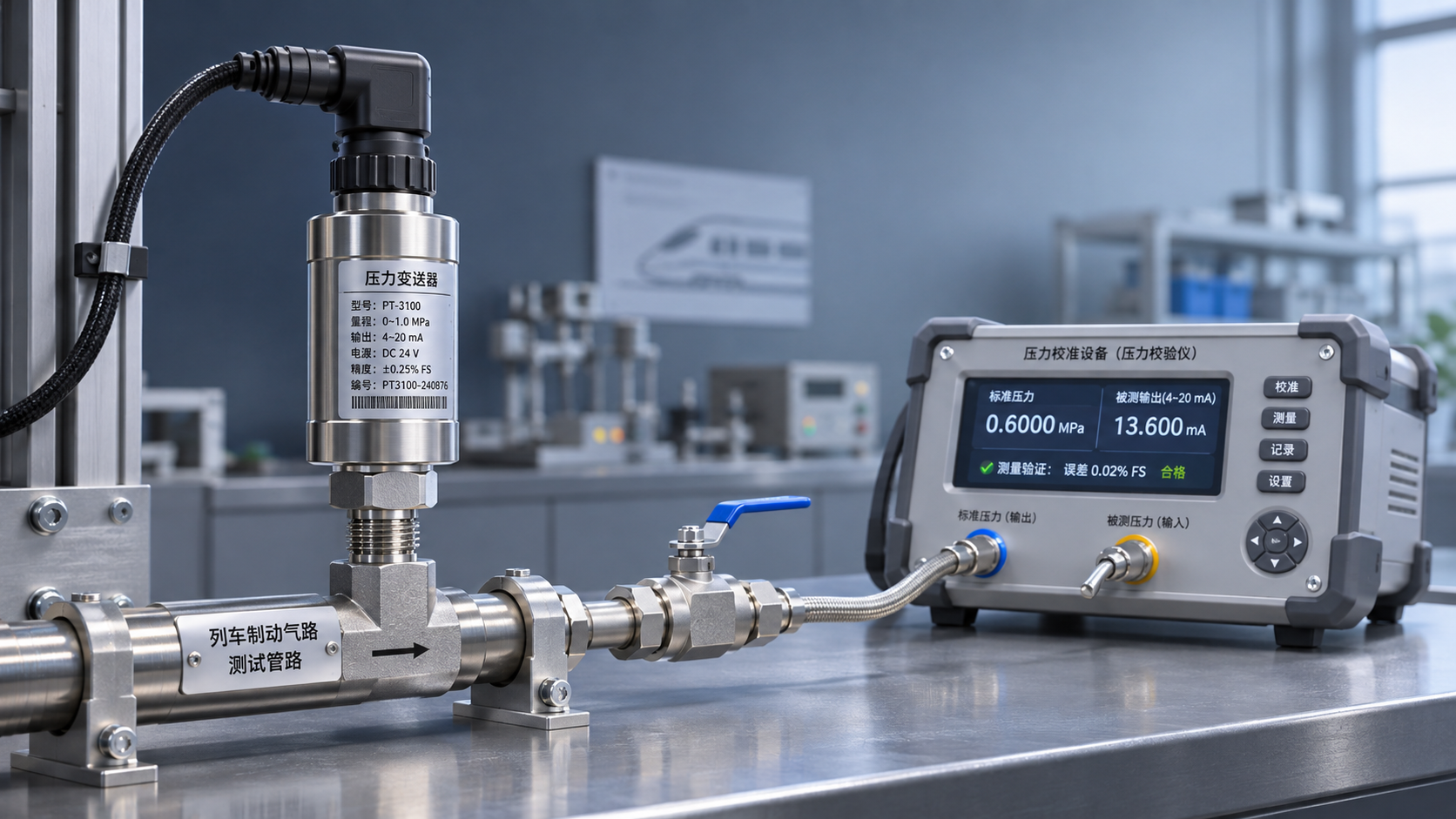
 What validation items should be considered when using railway pressure transmitters in train braking systems?
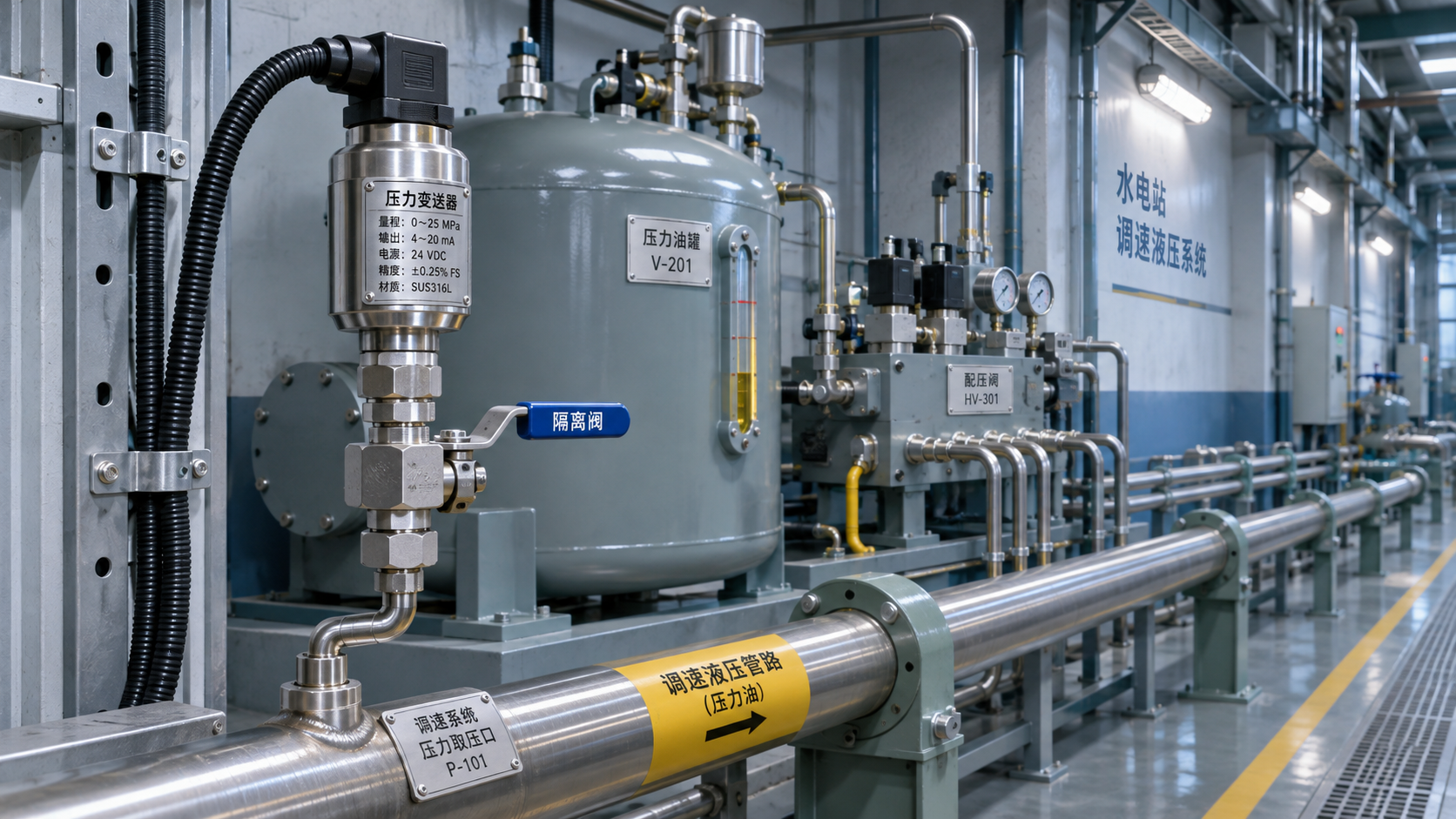
 Measuring Point and Installation Plan for Hydropower Pressure Transmitters in Turbine Governor Systems
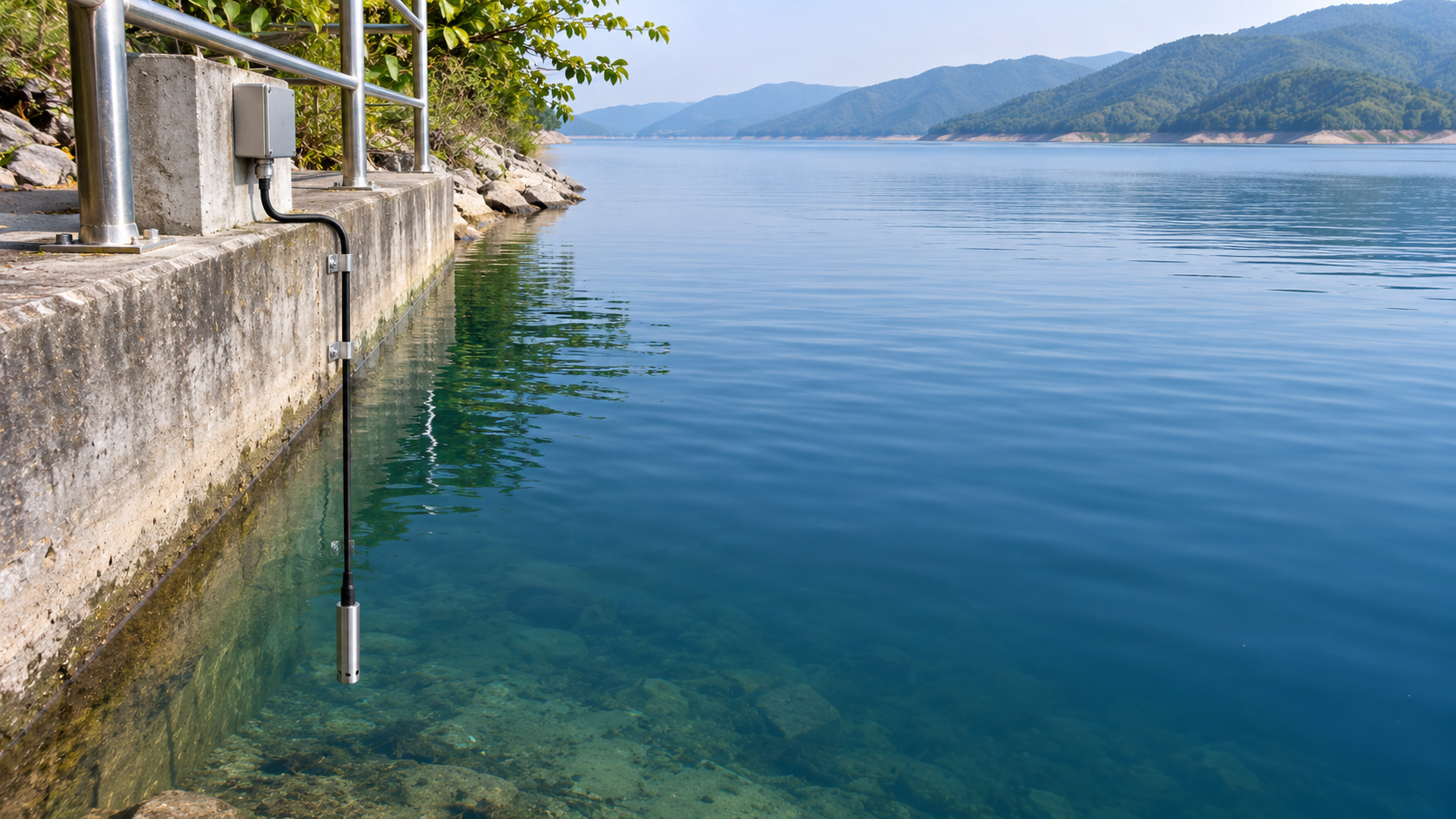
 What Can Hydraulic Pressure Transmitters Measure? Applications from Reservoir Water Levels to Pipeline Pressure
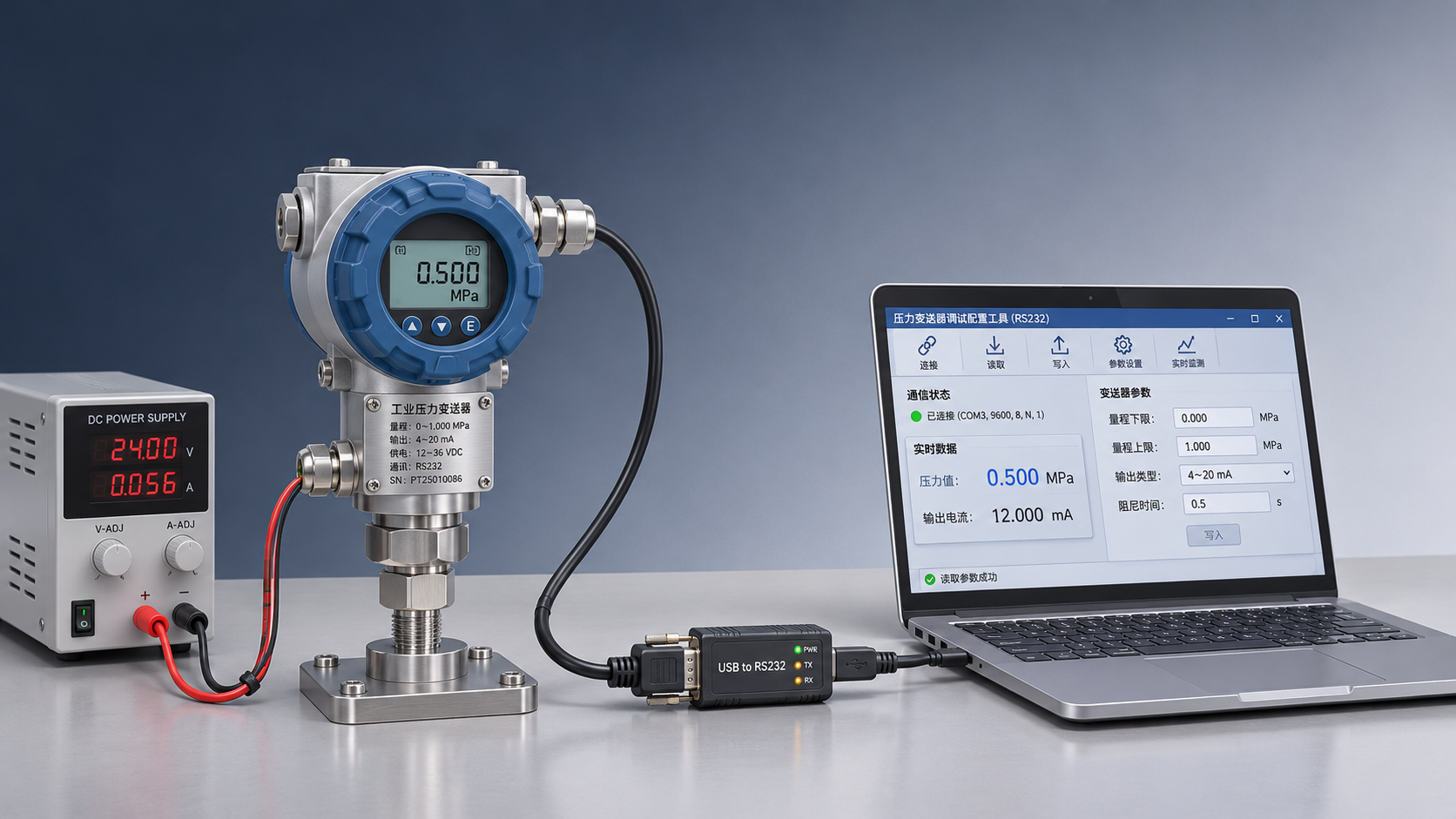
 Connecting an RS232 Pressure Transmitter to a Host Computer: Serial Port Parameters and Communication Troubleshooting