



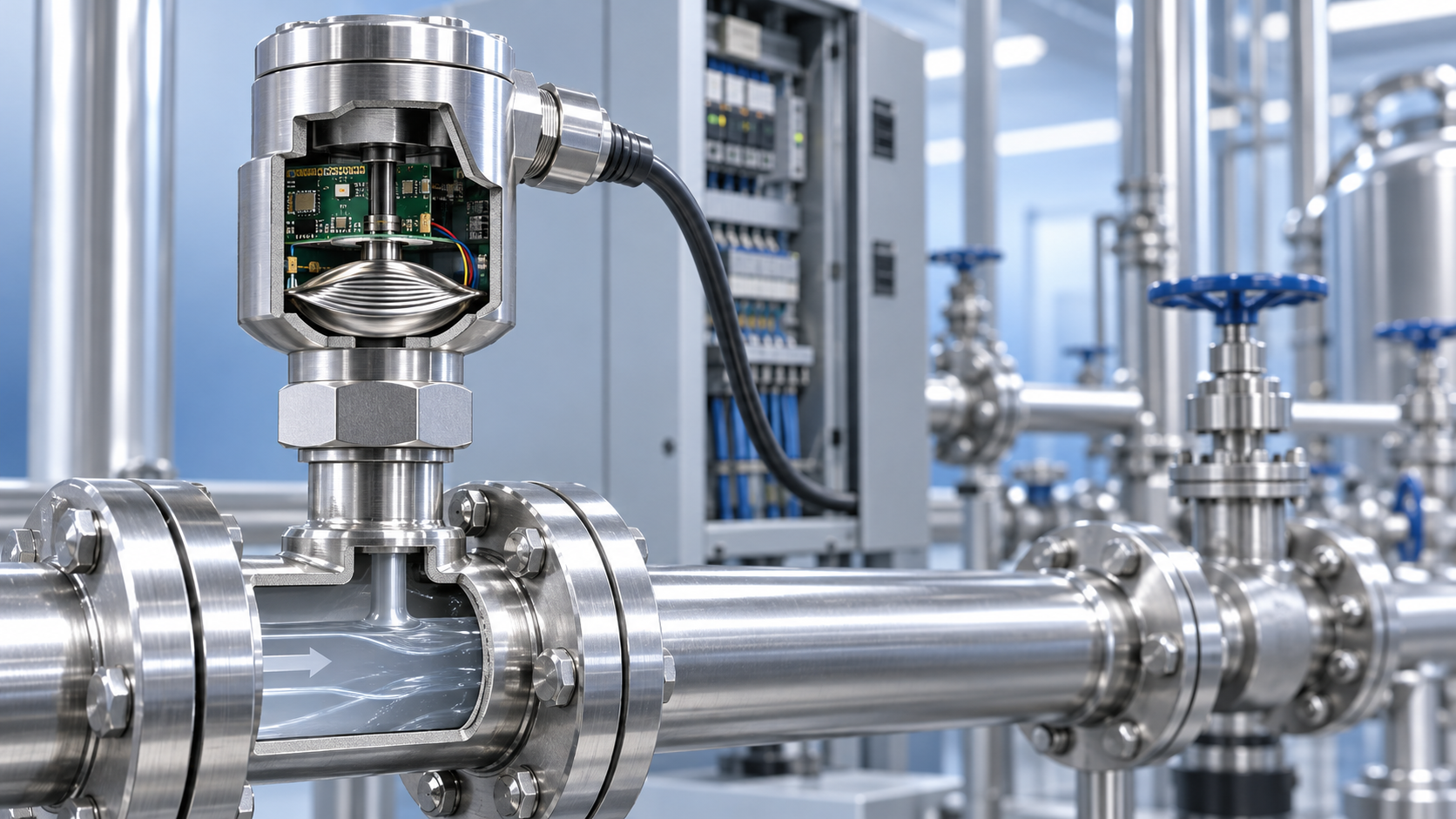
 How does a pressure sensor convert changes in applied force into usable electrical signals?How does a pressure sensor convert changes in applied force into stable, usable electrical signals? This article explains piezoresistive, capacitive, and piezoelectric sensing principles, as well as signal amplification, temperature compensation, 4-20mA output, selection, installation, and maintenance considerations to help you accurately match industrial measurement and control solutions.
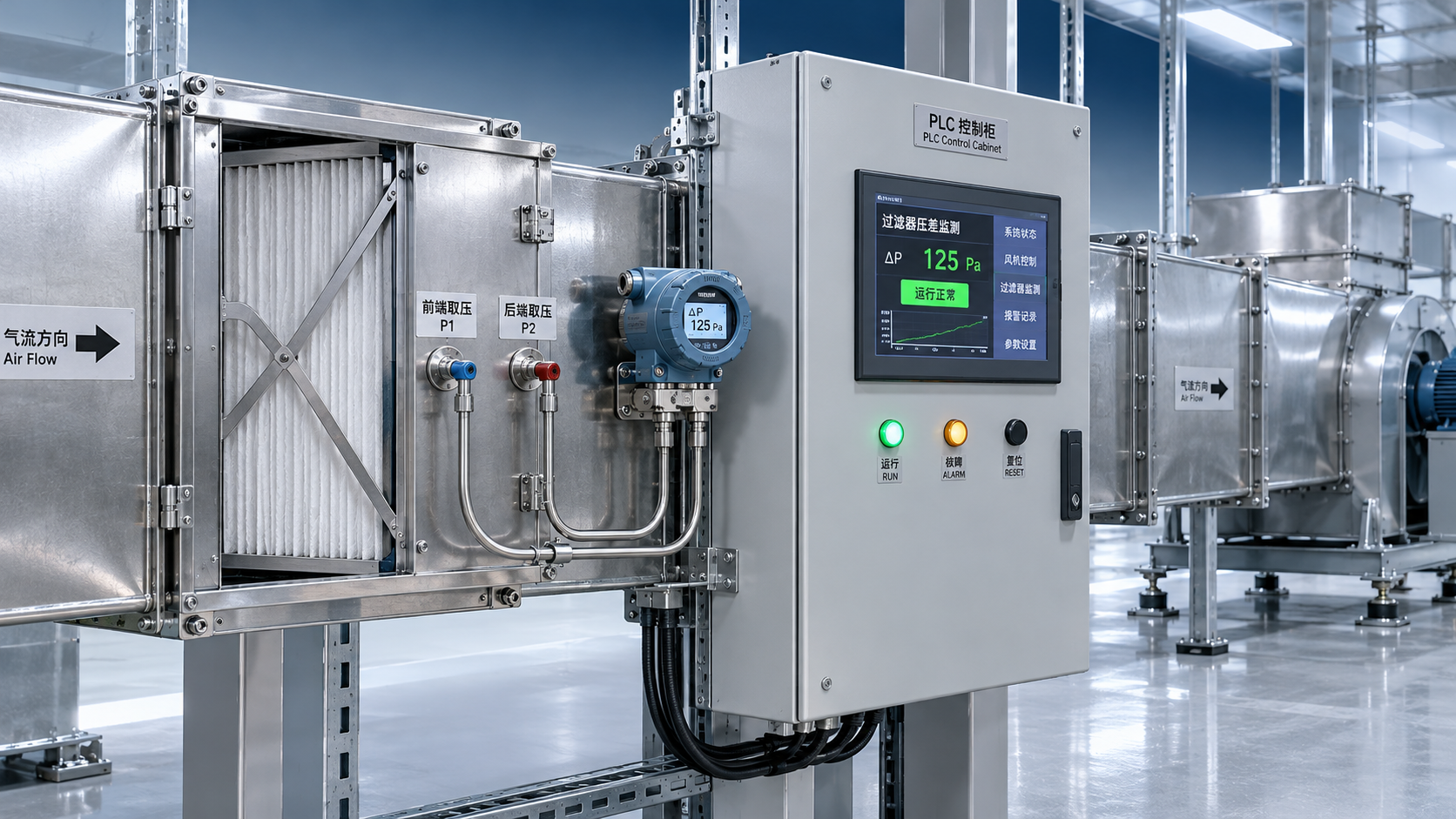
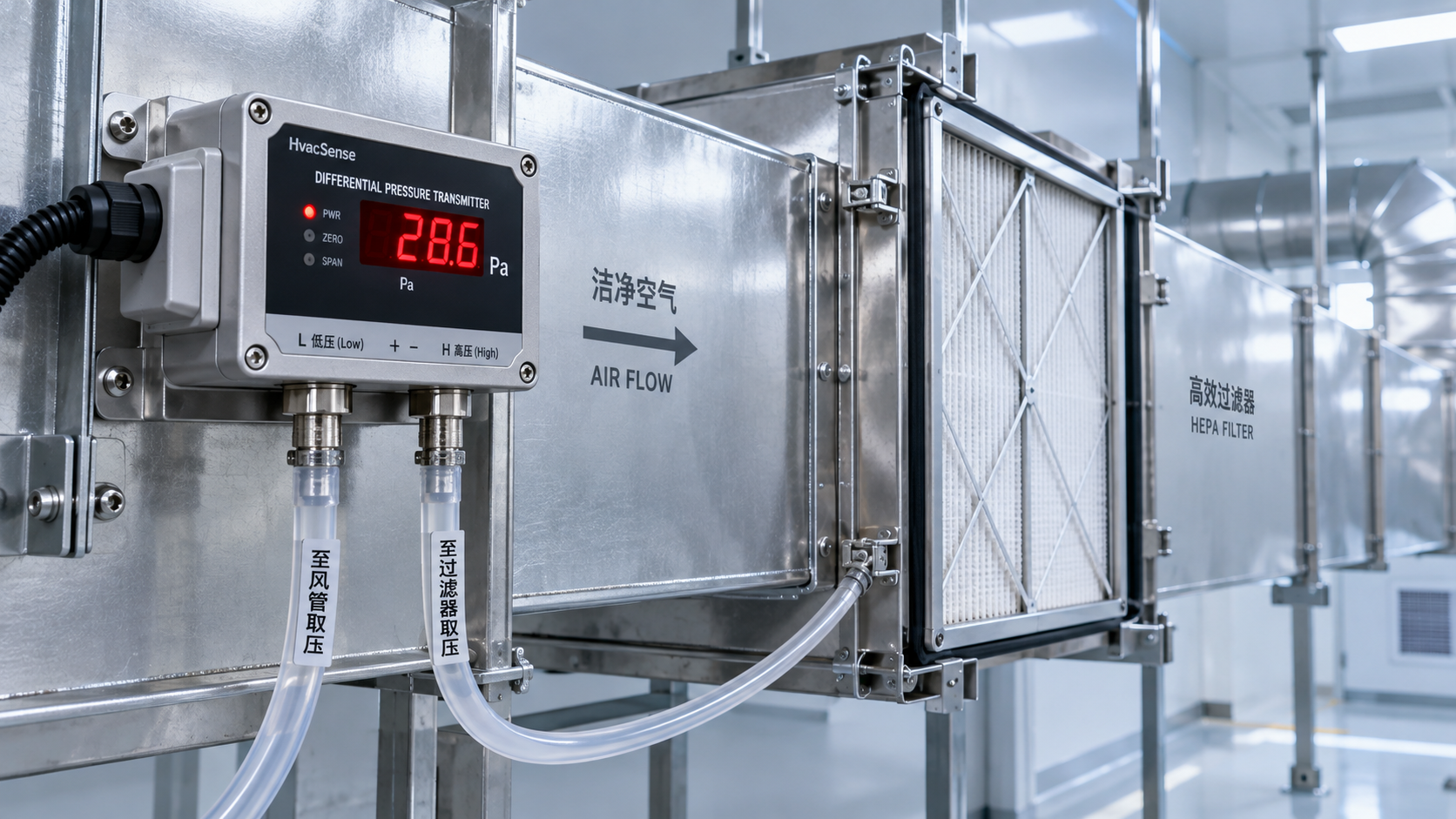
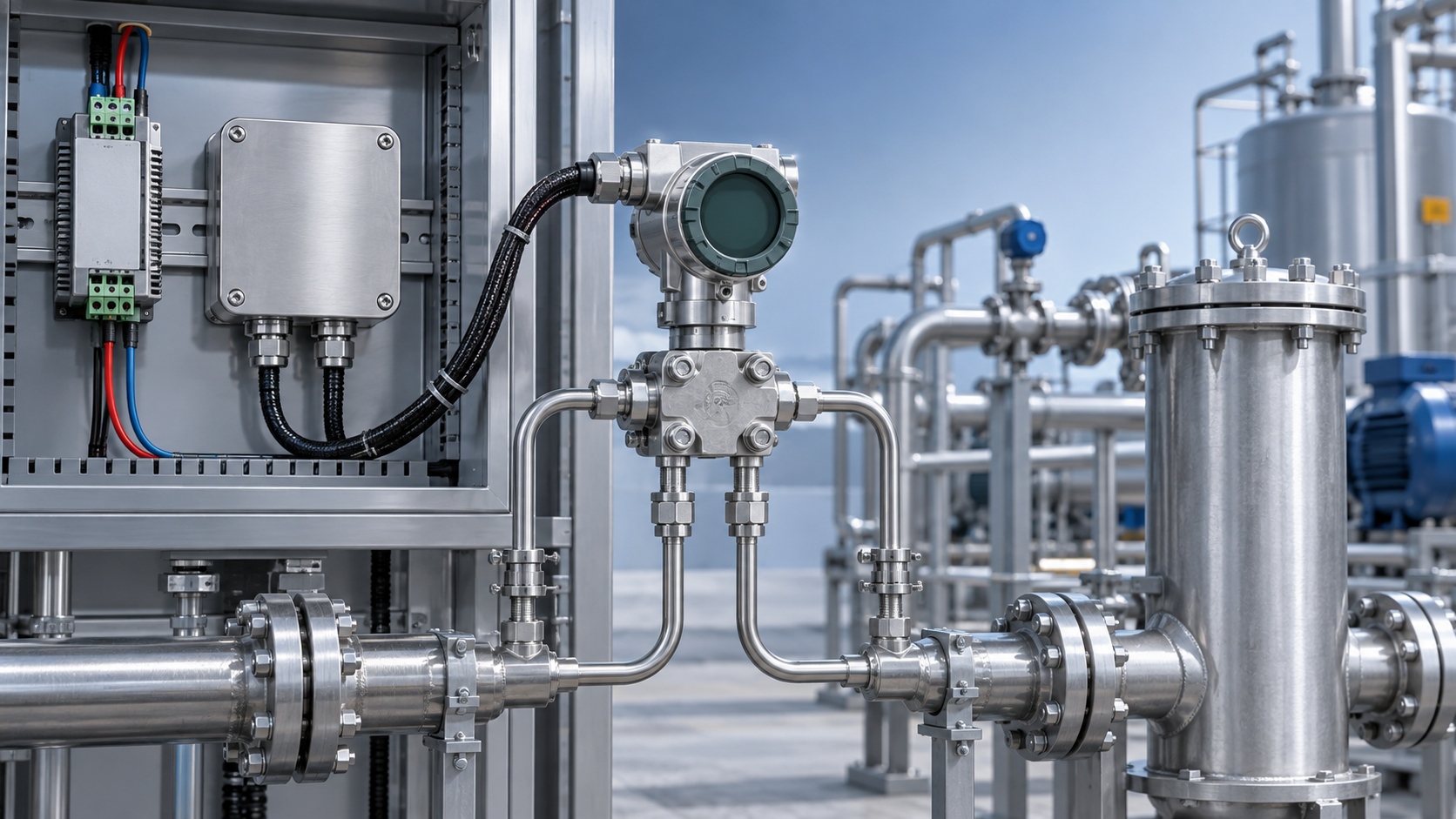
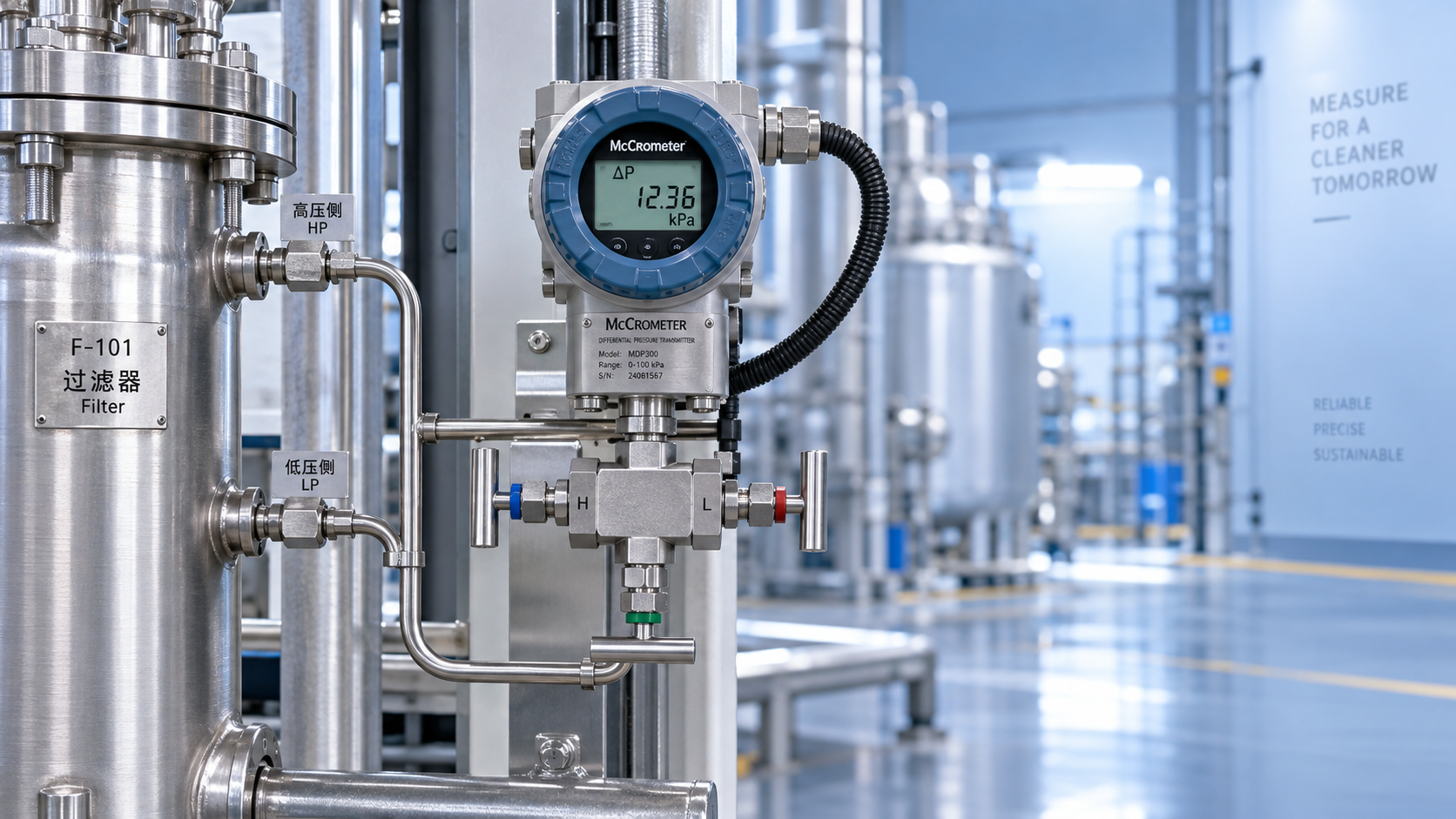
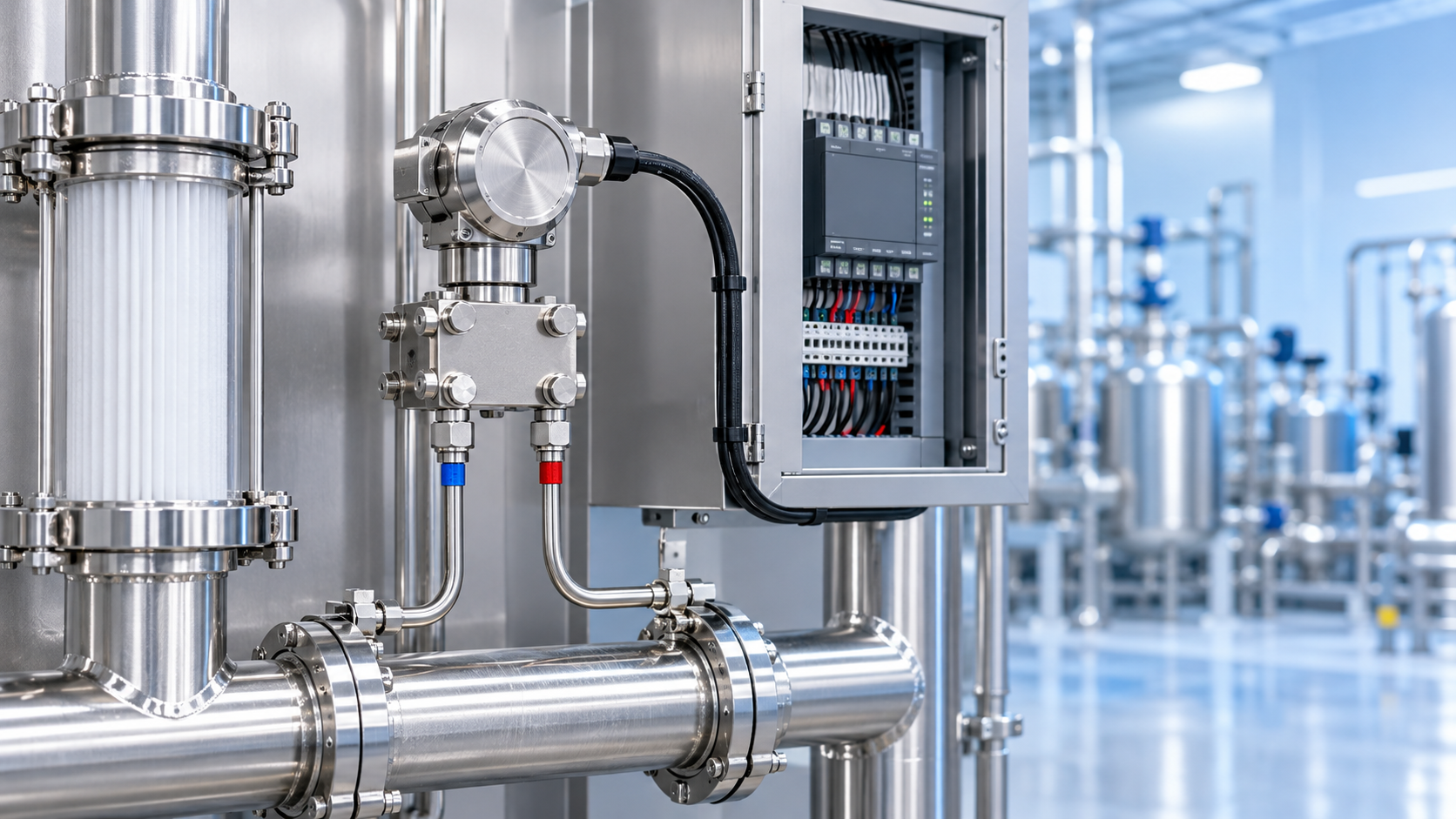
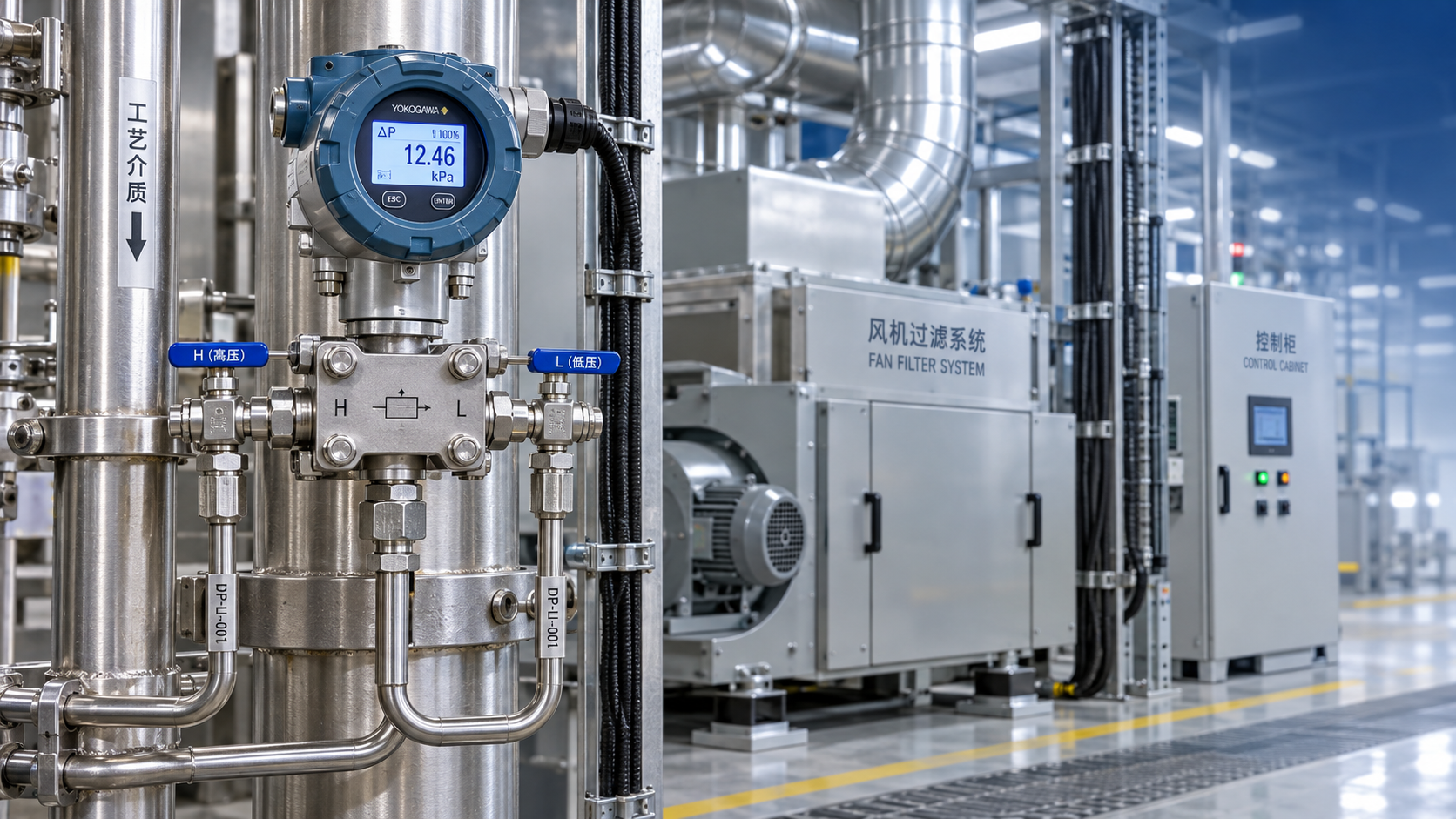
- How PLC Differential Pressure Transmitters Enable Automatic Monitoring of Fan Filter CloggingHow can PLC differential pressure transmitters enable automatic monitoring of fan filter clogging? This article explains the differential pressure measurement principle, 4-20mA/RS485 PLC connectivity, PLC threshold alarms and interlock logic, range selection, and maintenance considerations to help reduce energy consumption and improve ventilation system stability.
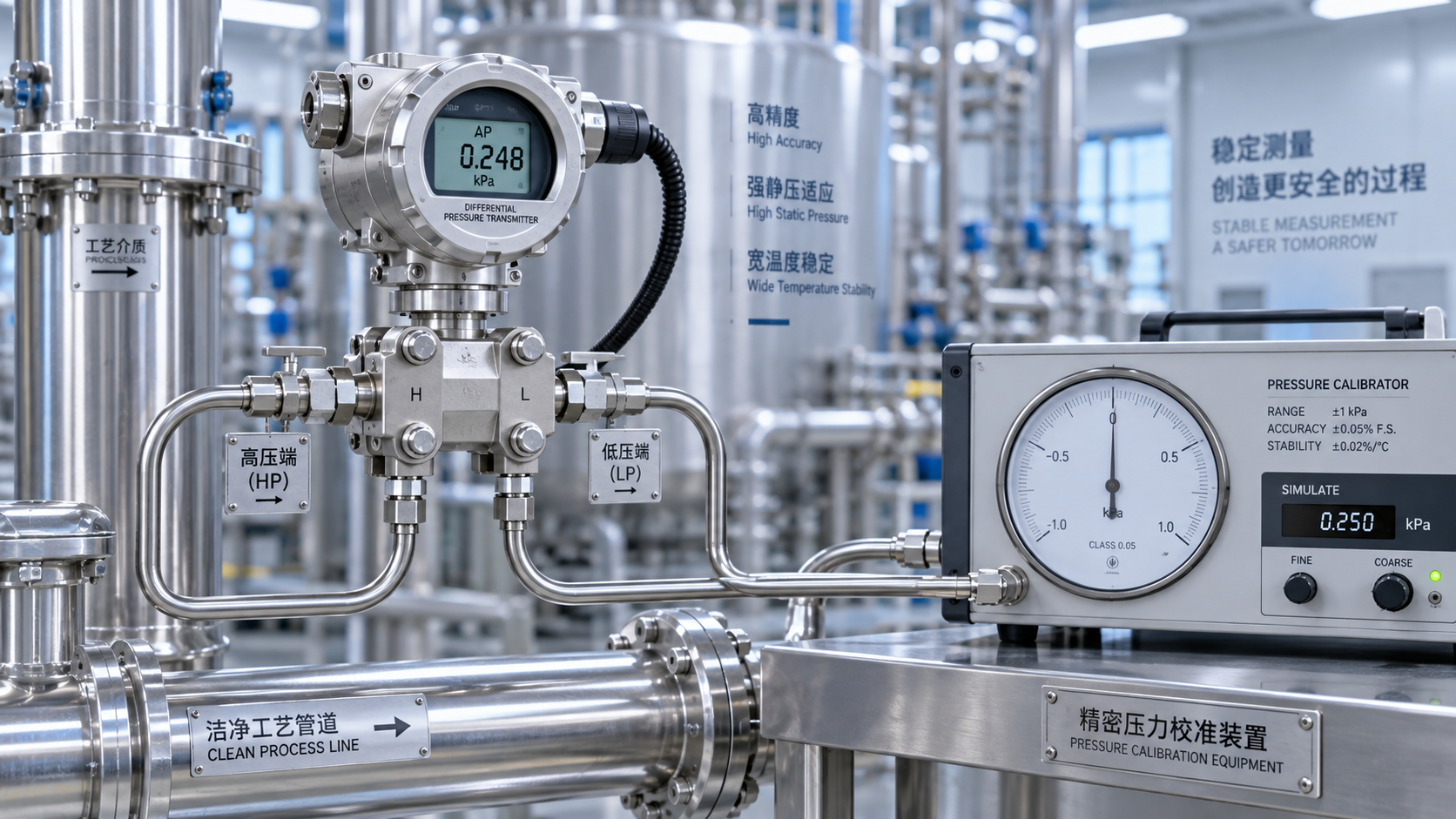
- How to Evaluate the Accuracy Class of Low-Error Differential Pressure Transmitters? From Static Pressure Effects to Temperature DriftHow can the accuracy class of a low-error differential pressure transmitter be evaluated? This article explains range-to-full-scale error conversion, static pressure effects, zero temperature drift, and comprehensive error budgeting to help you select the right model and improve the reliability of low differential pressure measurement and control.
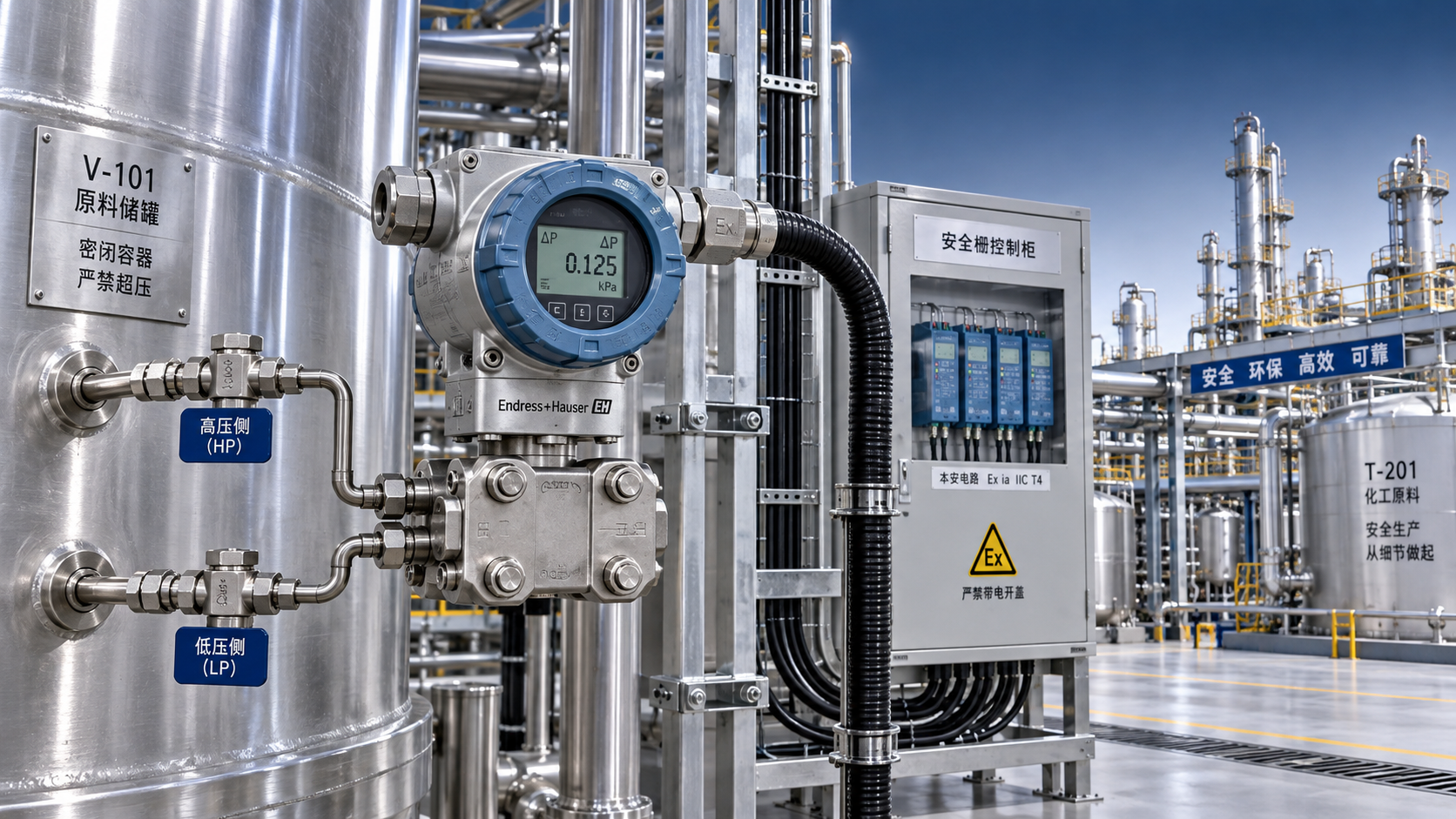
- Selecting an Intrinsically Safe Differential Pressure Transmitter: How to Match Explosion-Proof Ratings with Hazardous AreasGuide to Selecting Intrinsically Safe Differential Pressure Transmitters: Explains the matching principles for Ex ia, Ex ib, and Zone 0/1/2; details gas groups, temperature classes, and safety barrier circuit parameter verification to help you balance explosion-protection compliance and accurate measurement.
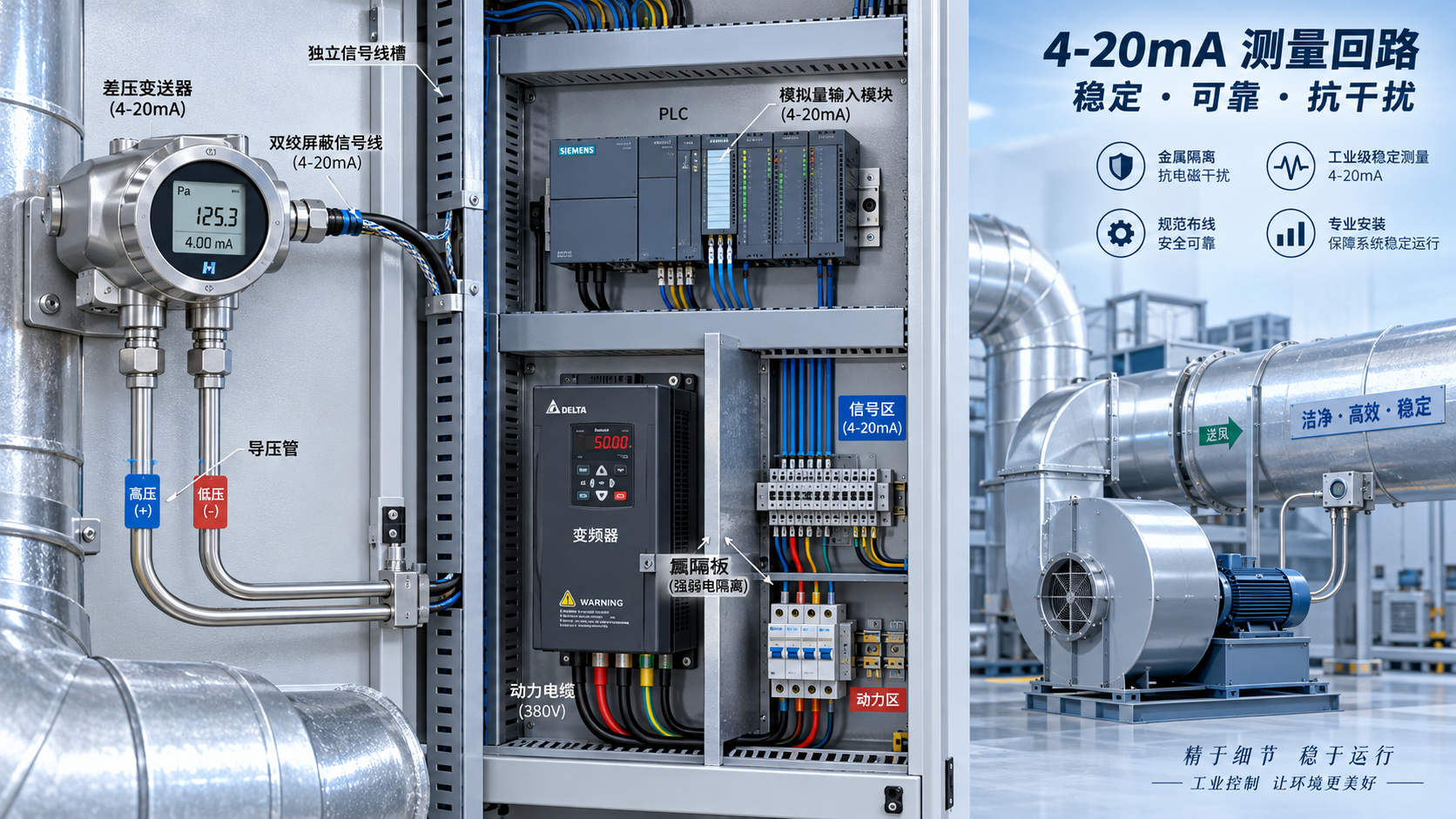
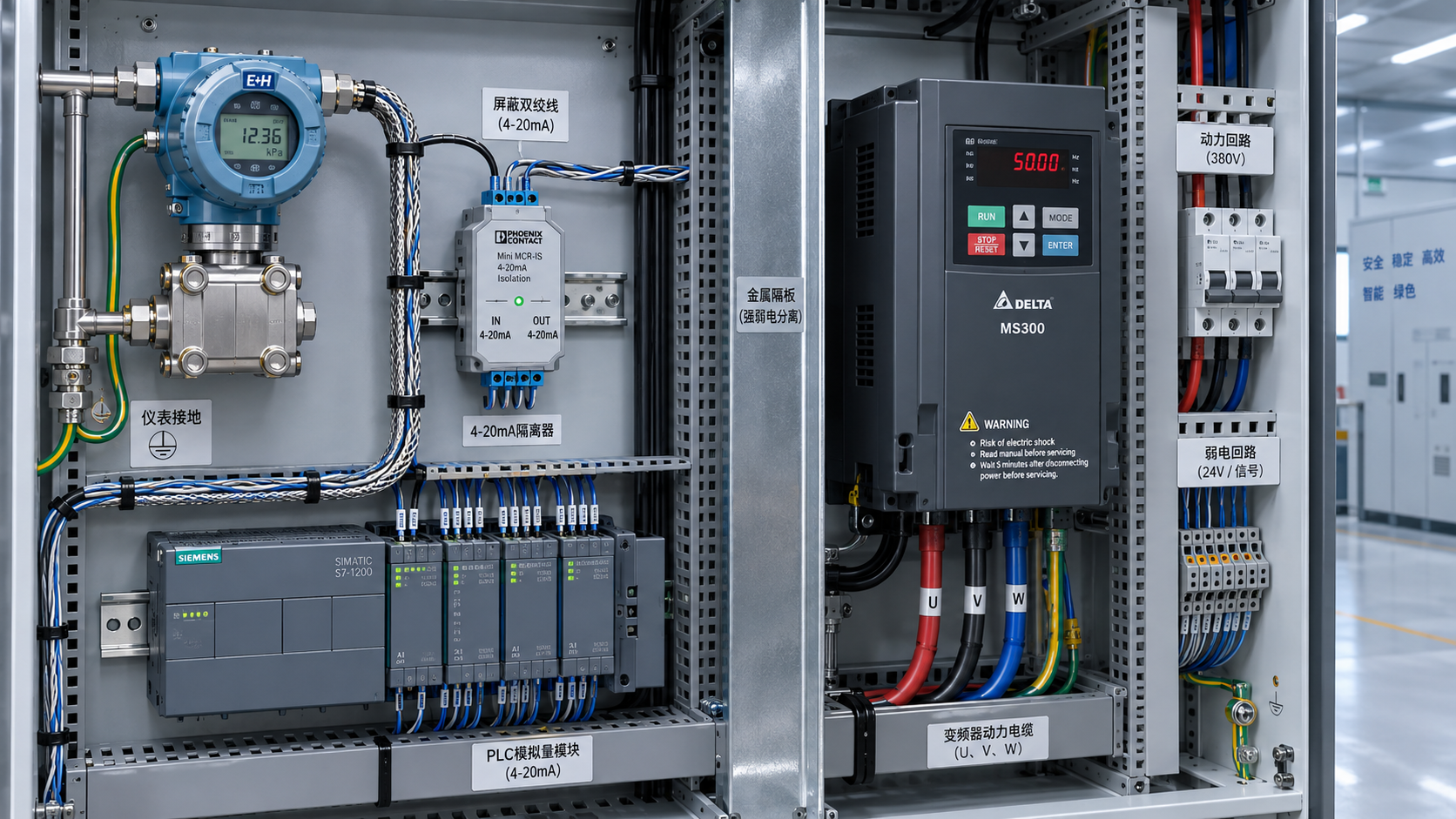
- Can a shielded differential pressure transmitter resolve signal fluctuations in variable frequency drive environments?Can a shielded differential pressure transmitter resolve signal fluctuations in variable frequency drive environments? This article analyzes the anti-interference advantages of 4-20mA, shielding and grounding, cable separation, isolator configuration, and pressure tapping troubleshooting methods to help you quickly identify the root cause of fluctuations and optimize a stable, reliable measurement solution.
- How to Troubleshoot Interference in Differential Pressure Transmitters with Variable Frequency DrivesWhat should be done when a differential pressure transmitter is affected by interference from a variable frequency drive? This article details troubleshooting methods for signal fluctuation, sudden signal changes, and communication abnormalities, covering power supply, grounding, shielding, wiring isolation, and pressure tapping system inspection to help you quickly locate faults and improve control stability.
- Does the display accuracy of an LED differential pressure transmitter affect readings?Does the display accuracy of an LED differential pressure transmitter affect on-site reading assessment? This article explains the differences among display resolution, measurement accuracy, and alarm control, and provides selection and calibration recommendations for applications such as cleanrooms, filters, and air ducts to help improve measurement reliability.
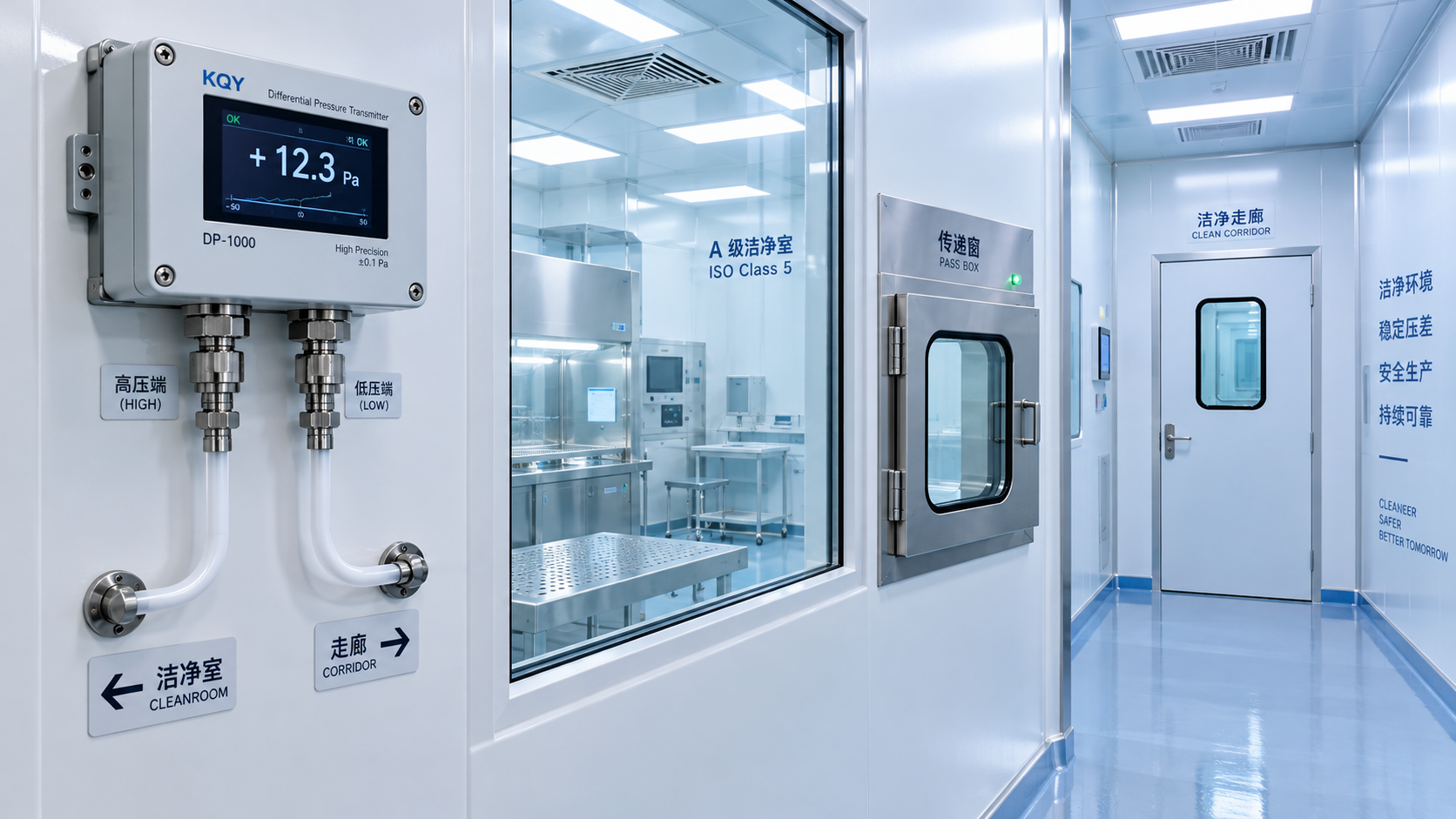
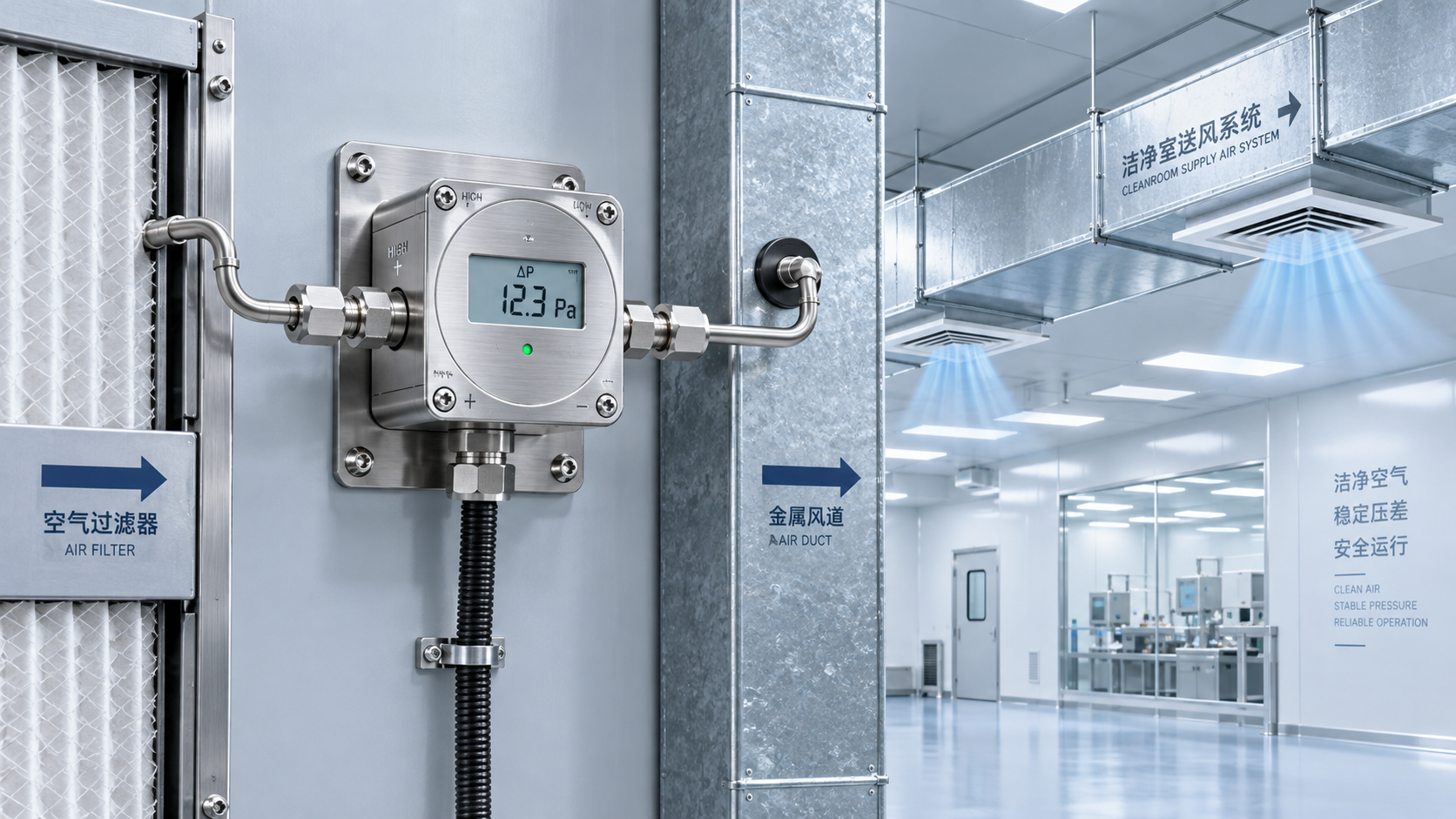
- Which cleanroom differential pressure monitoring applications are suitable for WIKA differential pressure transmittersWhich cleanroom differential pressure monitoring applications are suitable for WIKA differential pressure transmitters? This article analyzes applications including rooms and corridors, buffer zones, negative-pressure isolation areas, and supply/return air static pressure, providing key selection points for low differential pressure ranges, accuracy, installation connections, alarm interlocking, calibration, and maintenance to help you quickly configure a reliable cleanroom differential pressure monitoring solution.
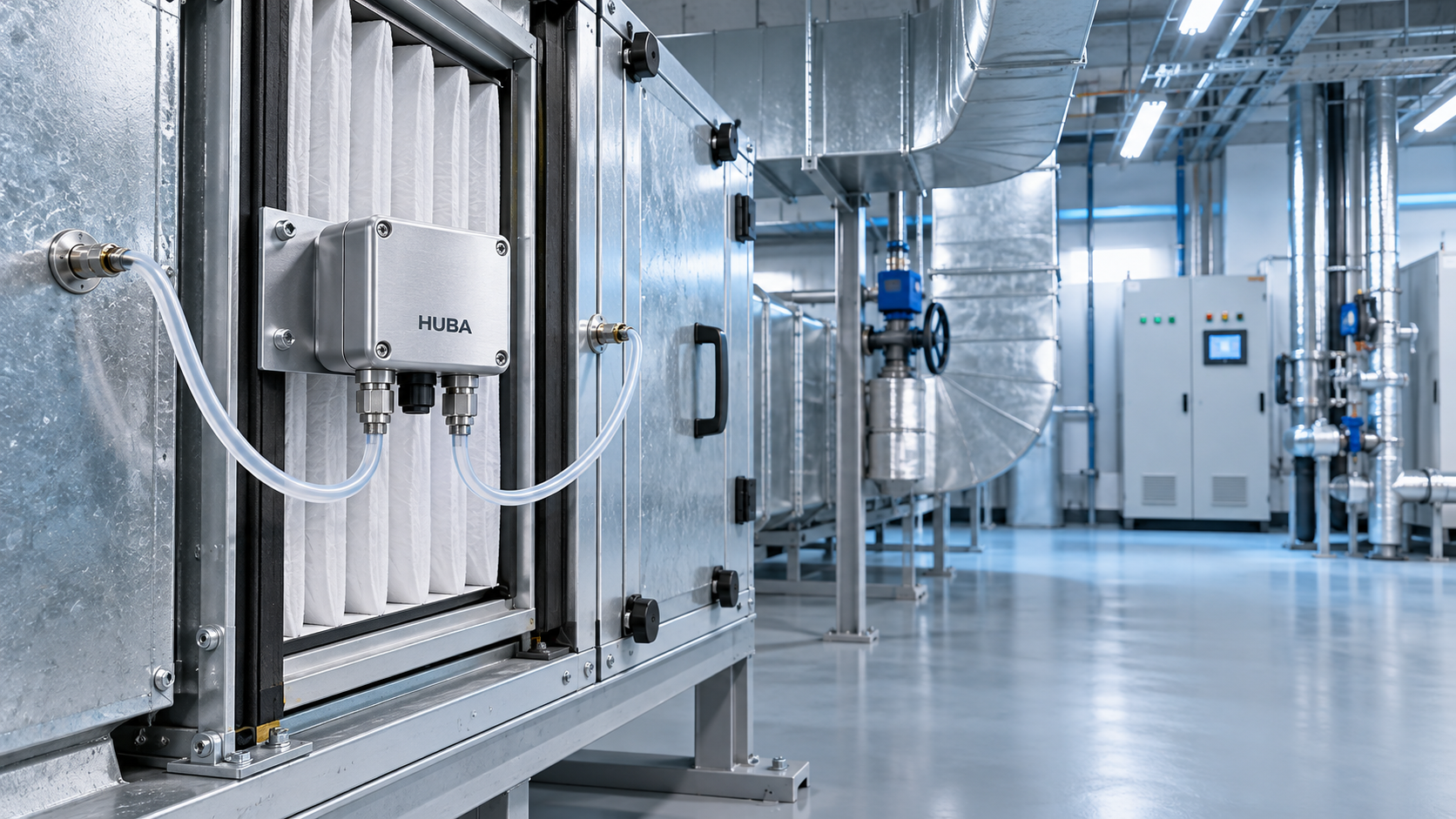
- What Parameters Should Be Considered for HUBA Differential Pressure Transmitters in HVAC SystemsWhen selecting a HUBA differential pressure transmitter for HVAC systems, focus on range, accuracy, overload capacity, media compatibility, connections, protection rating, and 4–20 mA/0–10 V output. This article explains parameter verification methods for filters, cleanrooms, and water systems to help reduce installation and commissioning risks.
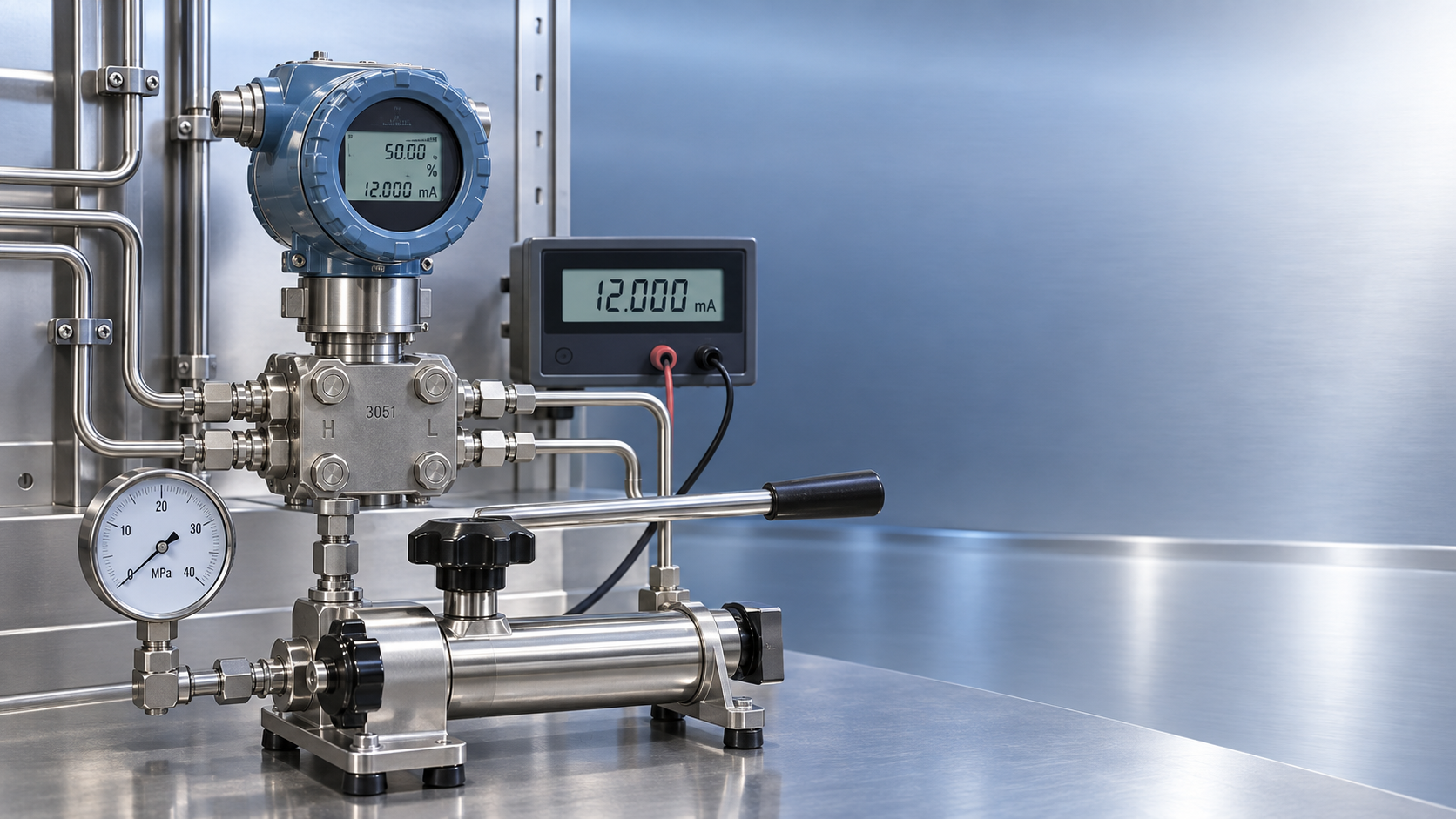
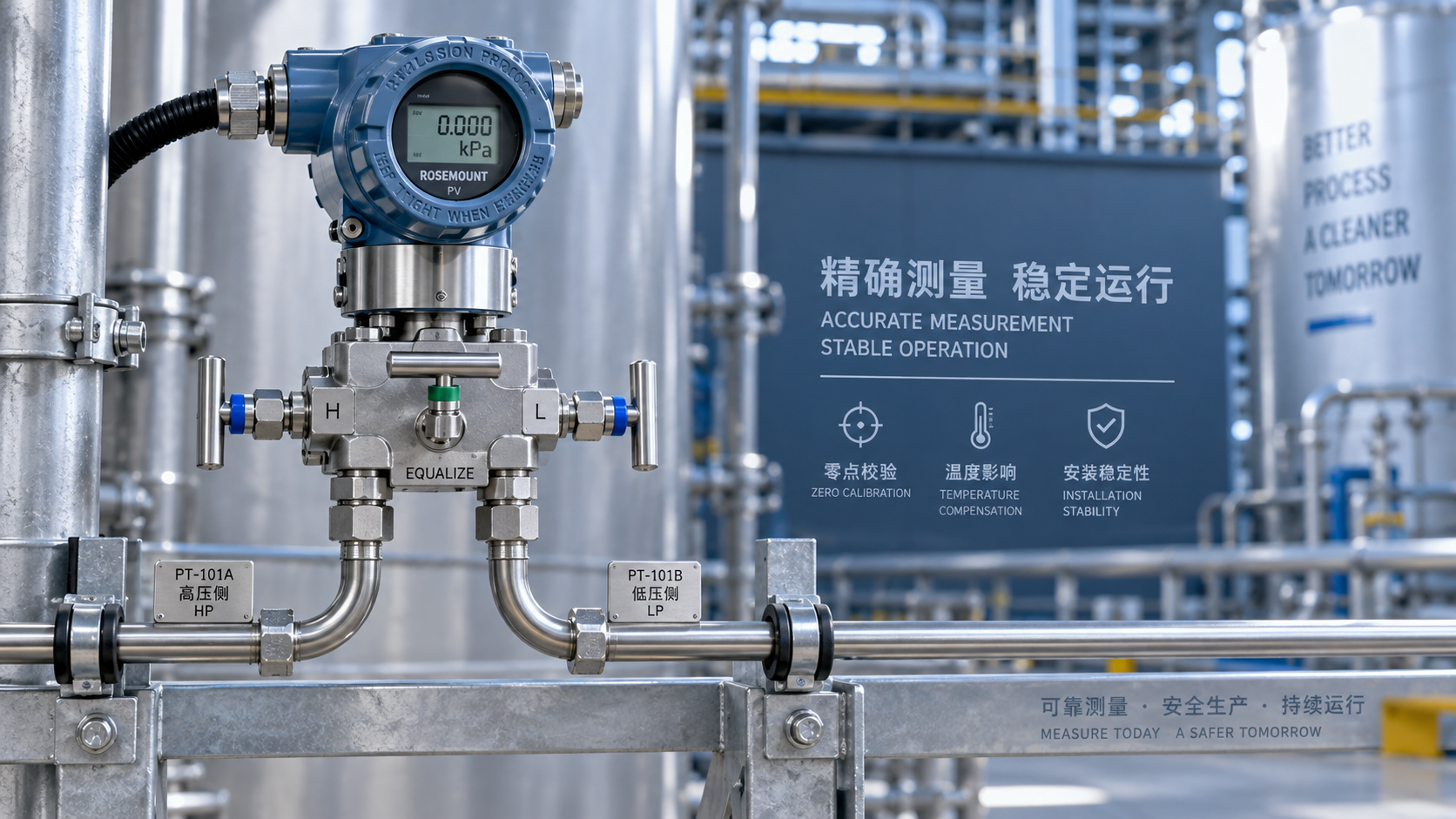
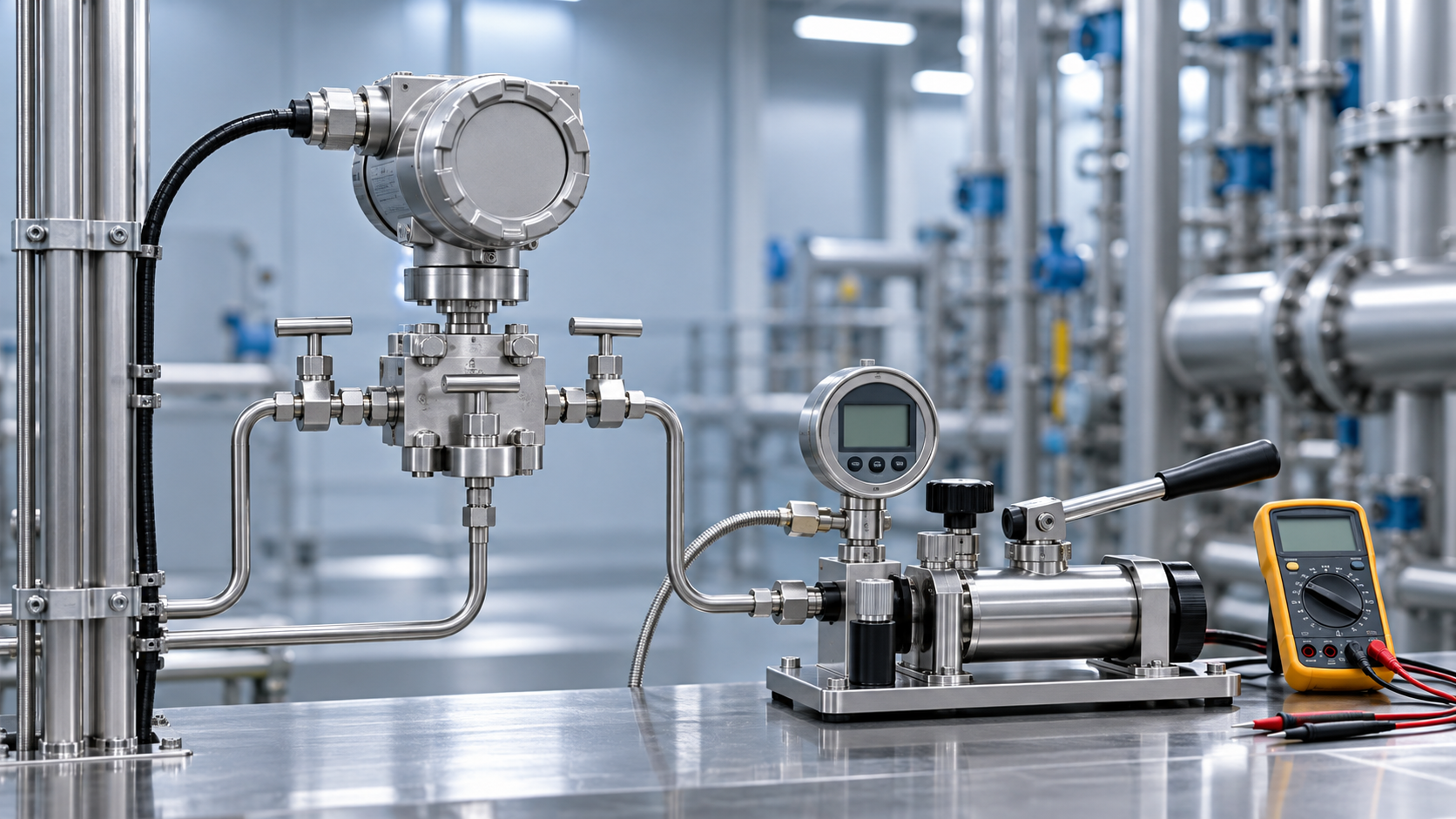
- How to Calibrate a 3051 Differential Pressure Transmitter After Range ShiftingThis article explains how to calibrate a 3051 differential pressure transmitter after range shifting, including LRV/URV confirmation, five-point ascending and descending calibration, 4-20mA output verification, and common fault handling. It helps accurately verify zero point, span, linearity, and hysteresis to ensure reliable level, flow, and pressure measurement.
- How to Verify the Configuration When Purchasing a Baoji Maike Differential Pressure TransmitterHow can configuration errors be avoided when purchasing a Baoji Maike differential pressure transmitter? This article details key verification points for range, static pressure, overload, materials, connections, output signals, explosion protection, and acceptance inspection, helping companies select models accurately and reduce maintenance risks.
- How to Select a WIKA Differential Pressure Transmitter for Low Differential Pressure ApplicationsHow can a WIKA differential pressure transmitter be accurately selected for low differential pressure applications? This article explains range matching, static pressure effects, accuracy conversion, and installation considerations, covering cleanrooms, filters, air ducts, and level measurement to help improve measurement stability and control reliability.
- What usually causes zero drift in a 1151 differential pressure transmitter?Zero drift in a 1151 differential pressure transmitter is usually caused by temperature changes, vibration stress, impulse line blockage or leakage, liquid or gas accumulation, improper operation of the three-valve manifold, electromagnetic interference, and sensor aging. This article explains troubleshooting steps, zero calibration essentials, and preventive maintenance methods to help you quickly restore measurement stability.
- Can a Wide-Voltage Differential Pressure Transmitter Handle Power Supply FluctuationsCan a wide-voltage differential pressure transmitter handle power supply fluctuations? This article analyzes the effects of undervoltage, overvoltage, surges, and line voltage drops on measurement, and introduces key points for 4-20mA loop selection, power supply margin, and interference-resistant installation to help improve the stability of industrial differential pressure monitoring.
- What Corrosive Media Are PTFE Differential Pressure Transmitters Suitable For?PTFE differential pressure transmitters are suitable for corrosive applications involving hydrochloric acid, sulfuric acid, alkaline solutions, salt solutions, chlorine-containing media, and more. Learn about the applicable range, selection considerations, and installation recommendations for PTFE wetted structures to help improve the stability and service life of differential pressure and level measurement.
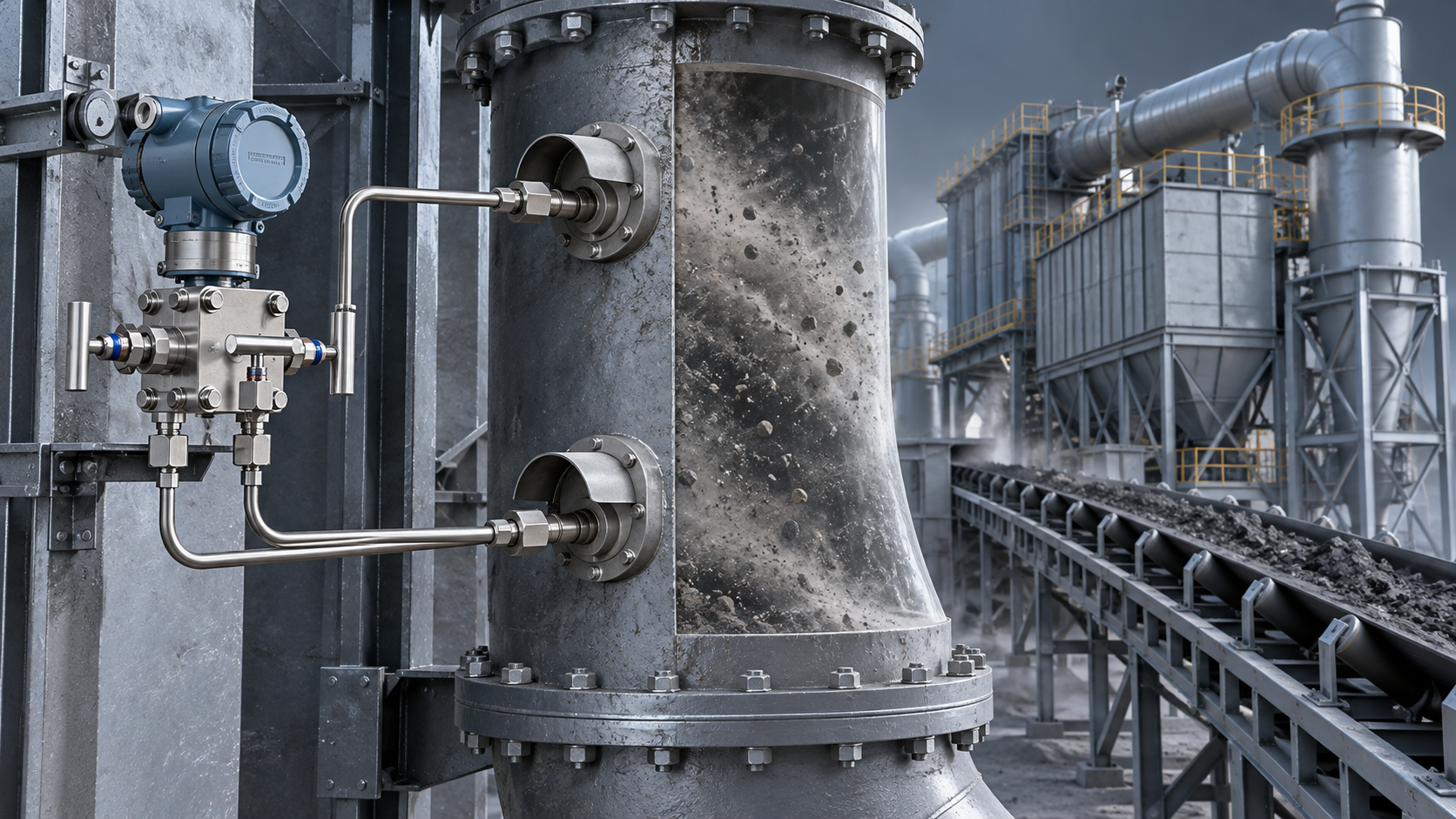
- How Mining Differential Pressure Transmitters Address High-Dust Clogging RisksHow can mining differential pressure transmitters address high-dust clogging risks? This article explains how to identify pressure-tapping channel blockages, key points for selection and installation, blowdown and maintenance intervals, and abnormality troubleshooting procedures, helping mining companies improve measurement stability and reduce downtime maintenance costs.
- How Much Measurement Range Margin Should Be Reserved When Selecting a Microsensor Differential Pressure Transmitter?How much measurement range margin is reasonable when selecting a Microsensor differential pressure transmitter? This article analyzes normal differential pressure, fluctuation peaks, overload capacity, and accuracy balance, covering filtration, air pressure, flow, and level applications to help you avoid selection mistakes caused by an excessively large or overly tight measurement range.
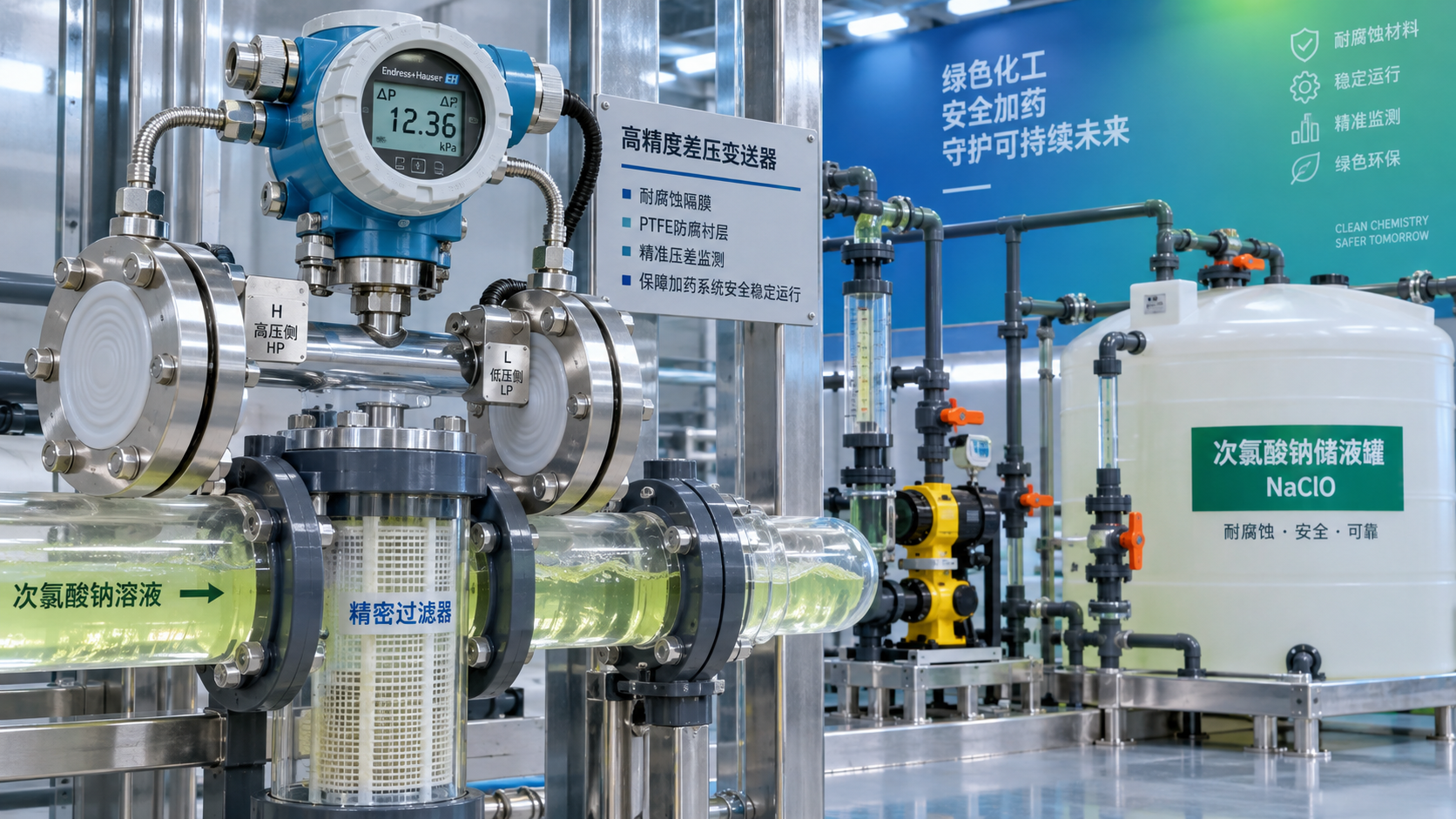
- Why Is Diaphragm Material a Key Consideration for Sodium Hypochlorite Differential Pressure Transmitters?Why must diaphragm material be a key focus for sodium hypochlorite differential pressure transmitters? This article analyzes the application limits of materials such as 316L, nickel-based alloys, and PTFE/PFA. By considering concentration, temperature, pressure, and installation environment, it helps chemical and water treatment sites reduce the risks of corrosion, drift, and leakage to achieve stable and reliable measurement.
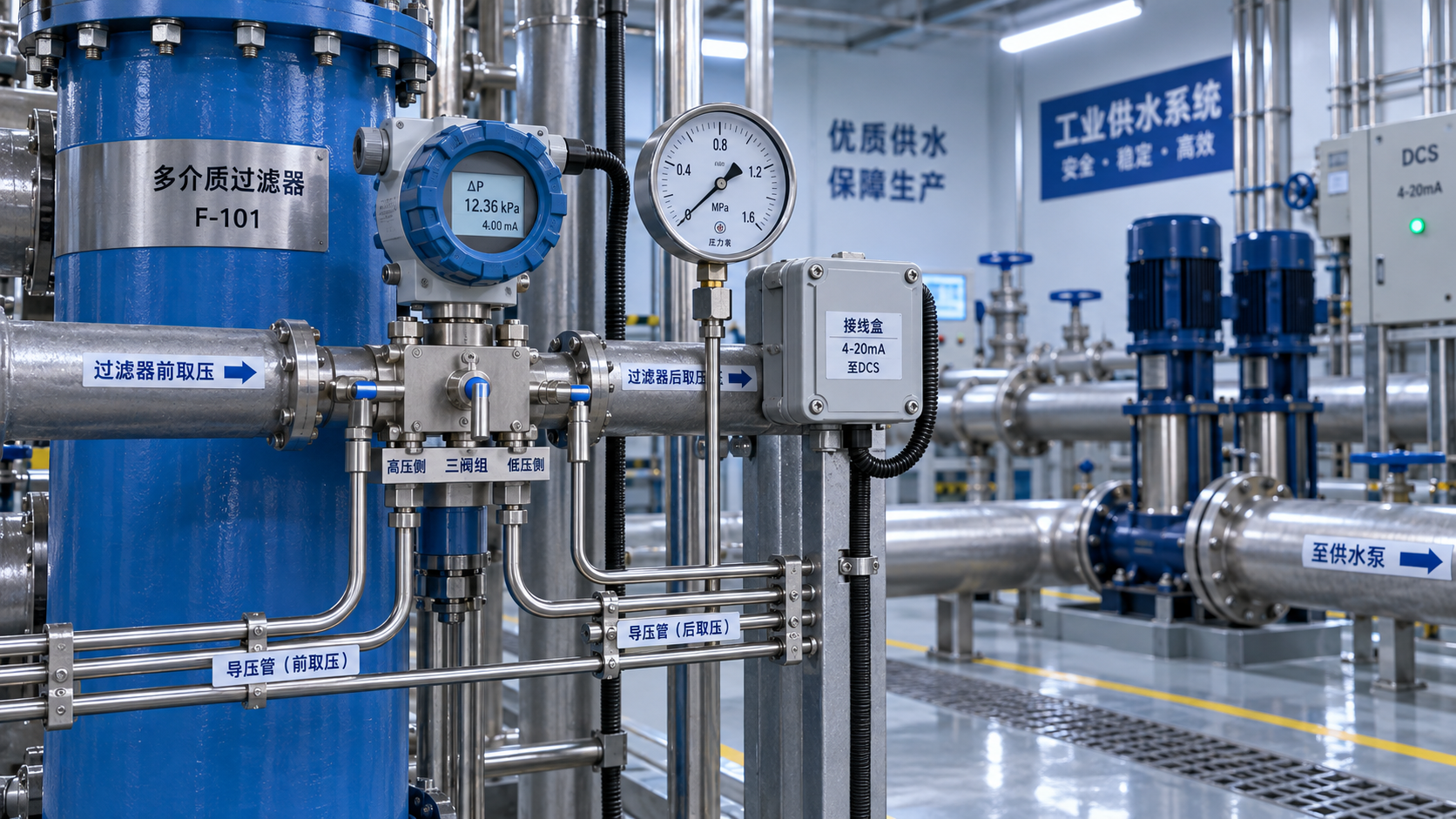
- What should be checked first when water supply differential pressure transmitter readings fluctuate?What should be checked first when water supply differential pressure transmitter readings fluctuate? From actual water pressure, blockage or trapped air in pressure tapping lines, and valve status to the 24V power supply and 4-20mA signal loop, master an efficient troubleshooting sequence to quickly locate faults and reduce false alarms and repeated adjustments in pump rooms.
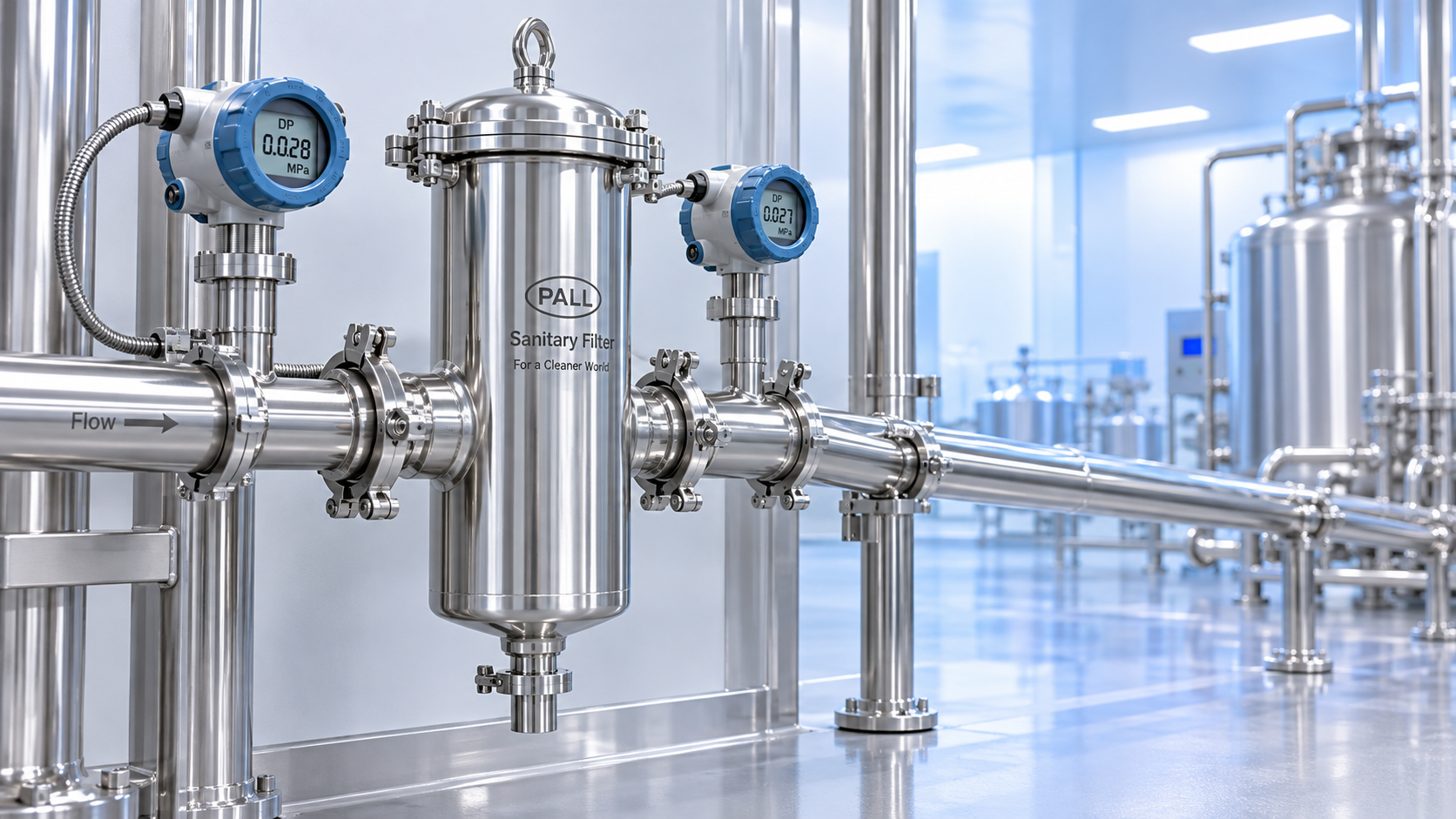
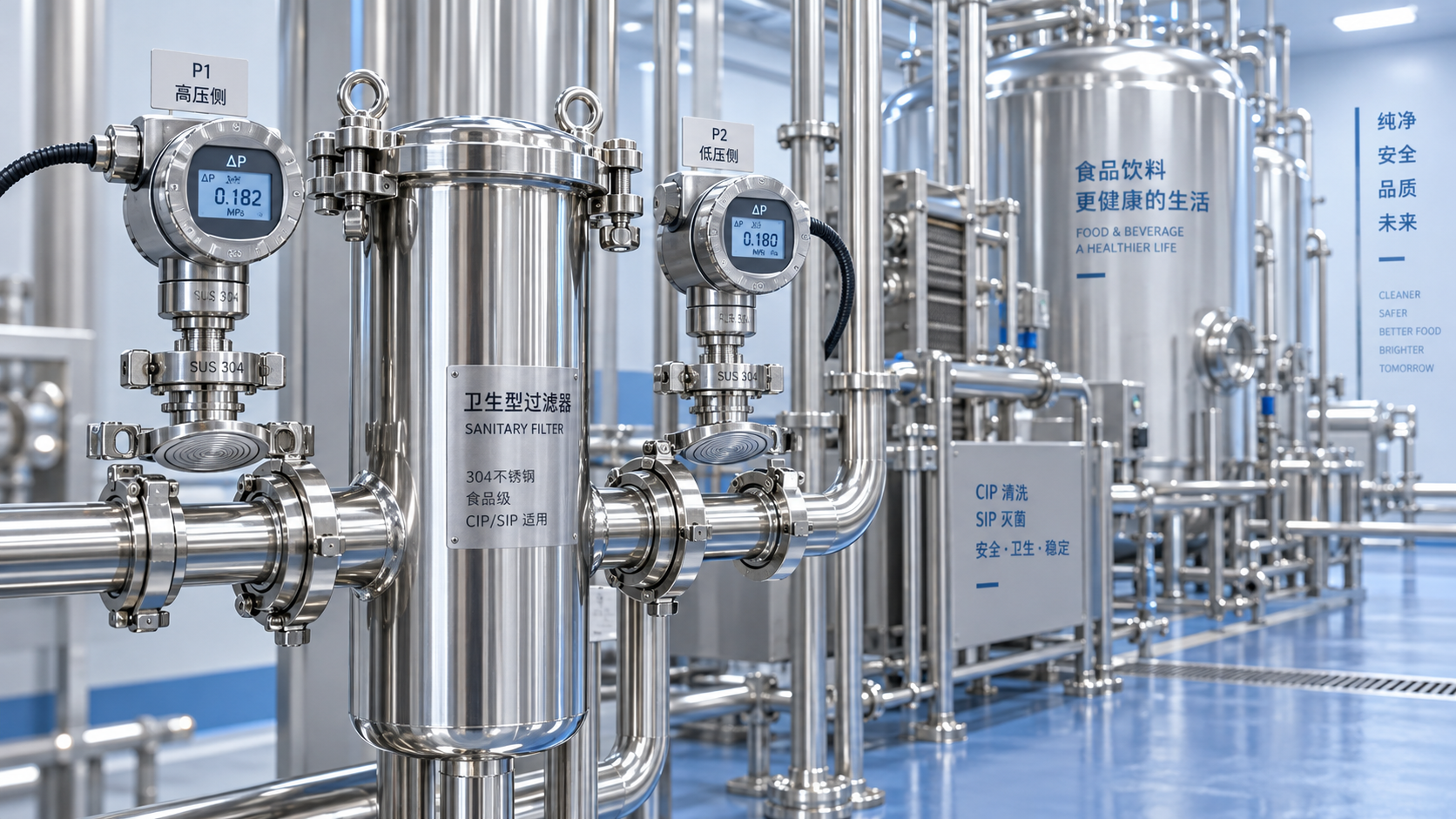
- How Can Sanitary Differential Pressure Transmitters Prevent Contamination from Cleaning Dead LegsHow can sanitary differential pressure transmitters prevent contamination from cleaning dead legs? This article explains key considerations including flush diaphragms, sanitary connections, installation drainage and venting, and CIP/SIP compatibility, helping food and pharmaceutical companies reduce residue and cross-contamination risks while improving measurement reliability.
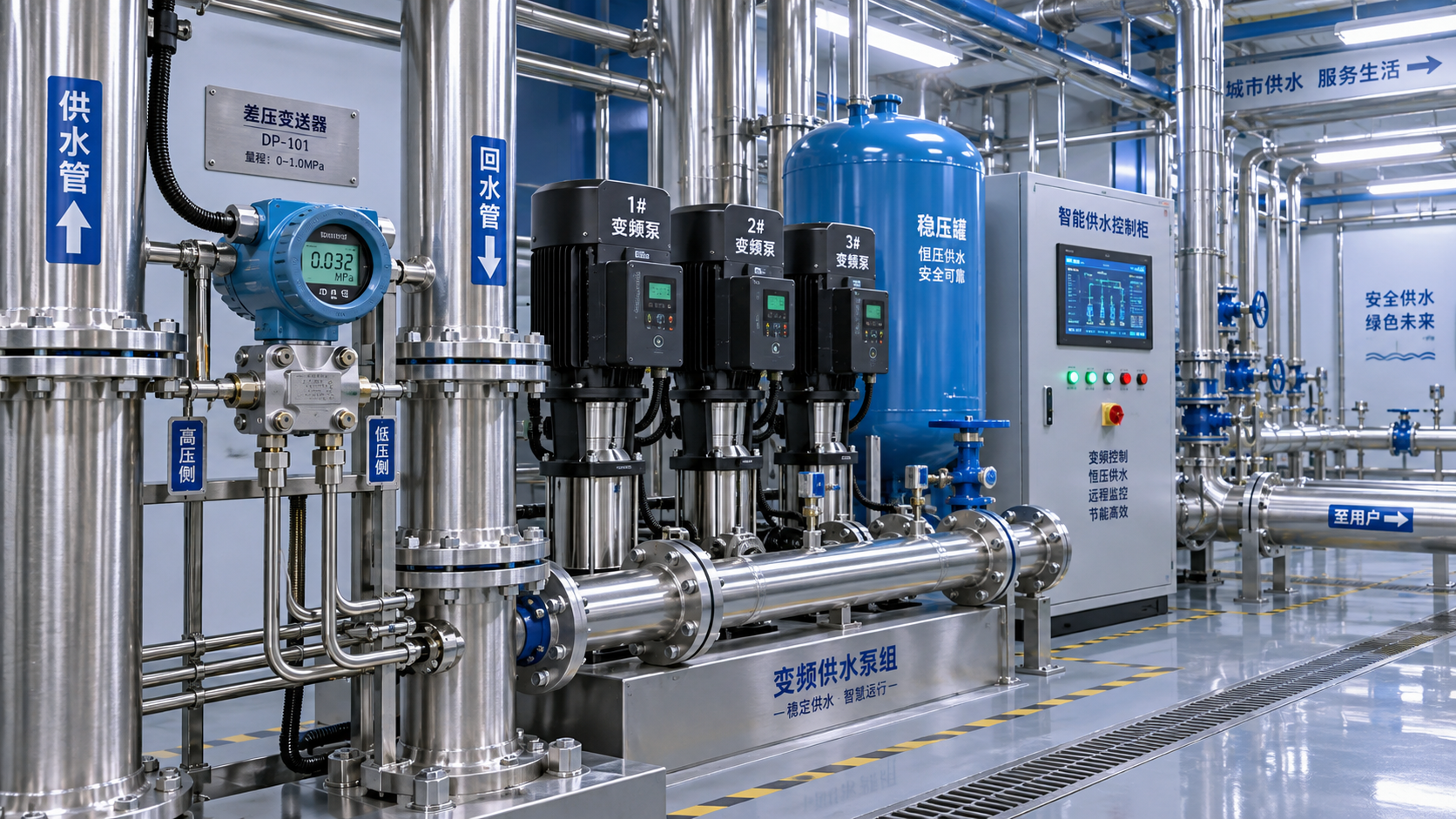
- Can a differential pressure transmitter for constant-pressure water supply reduce frequent water pressure fluctuations?Can a differential pressure transmitter for constant-pressure water supply reduce frequent water pressure fluctuations? Learn how differential pressure signals work with VFDs and PLCs to address issues such as insufficient end-point pressure and frequent pump speed adjustments, and understand the key selection considerations for measurement points, ranges, installation, and control parameters.
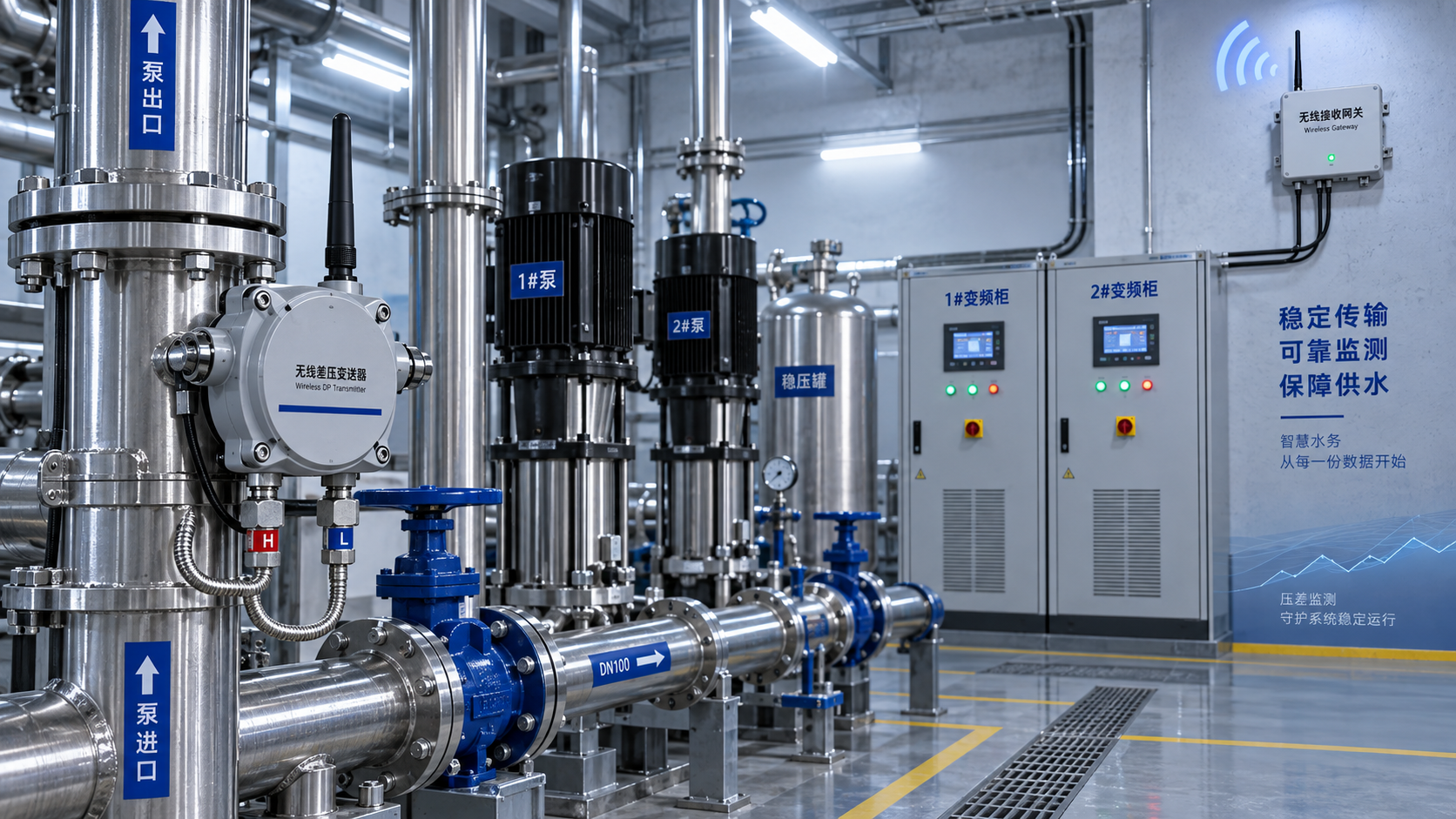
- Is the signal of a wireless differential pressure transmitter stable in an underground pump room?Does a wireless differential pressure transmitter provide stable signal transmission in an underground pump room? This article analyzes the effects of concrete walls, metal obstructions, electromagnetic interference, and humid environments on communication, and shares key points for selection, antennas, repeaters, and on-site testing to help achieve reliable monitoring.
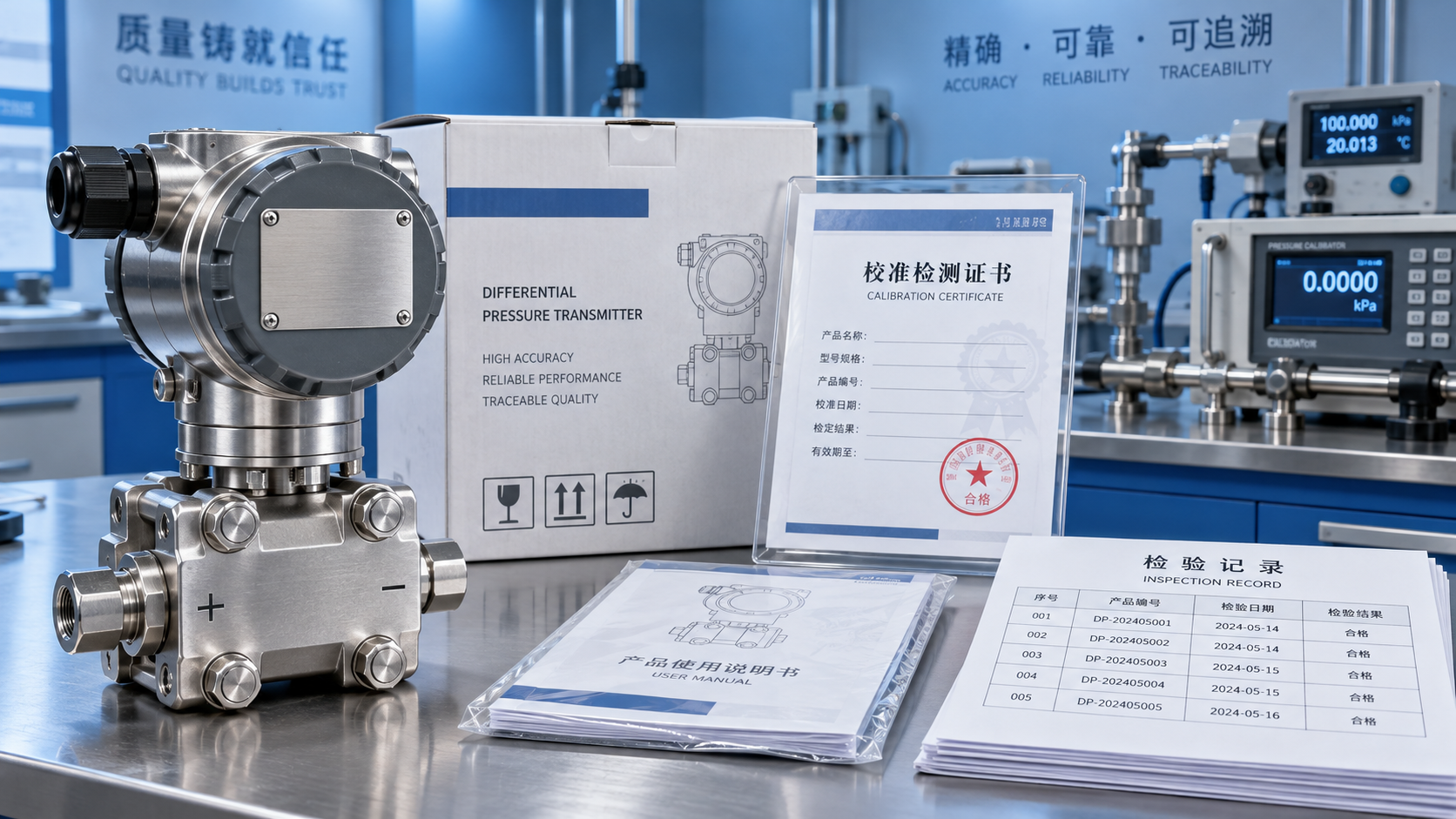
- How to Verify the Product Source When Purchasing Genuine Differential Pressure TransmittersHow can you verify the product source of genuine differential pressure transmitters? From the brand and manufacturing entity, nameplate serial number, test documentation, quotation configuration, and sample acceptance, master practical procurement verification methods to reduce risks related to quality, delivery time, and after-sales traceability.
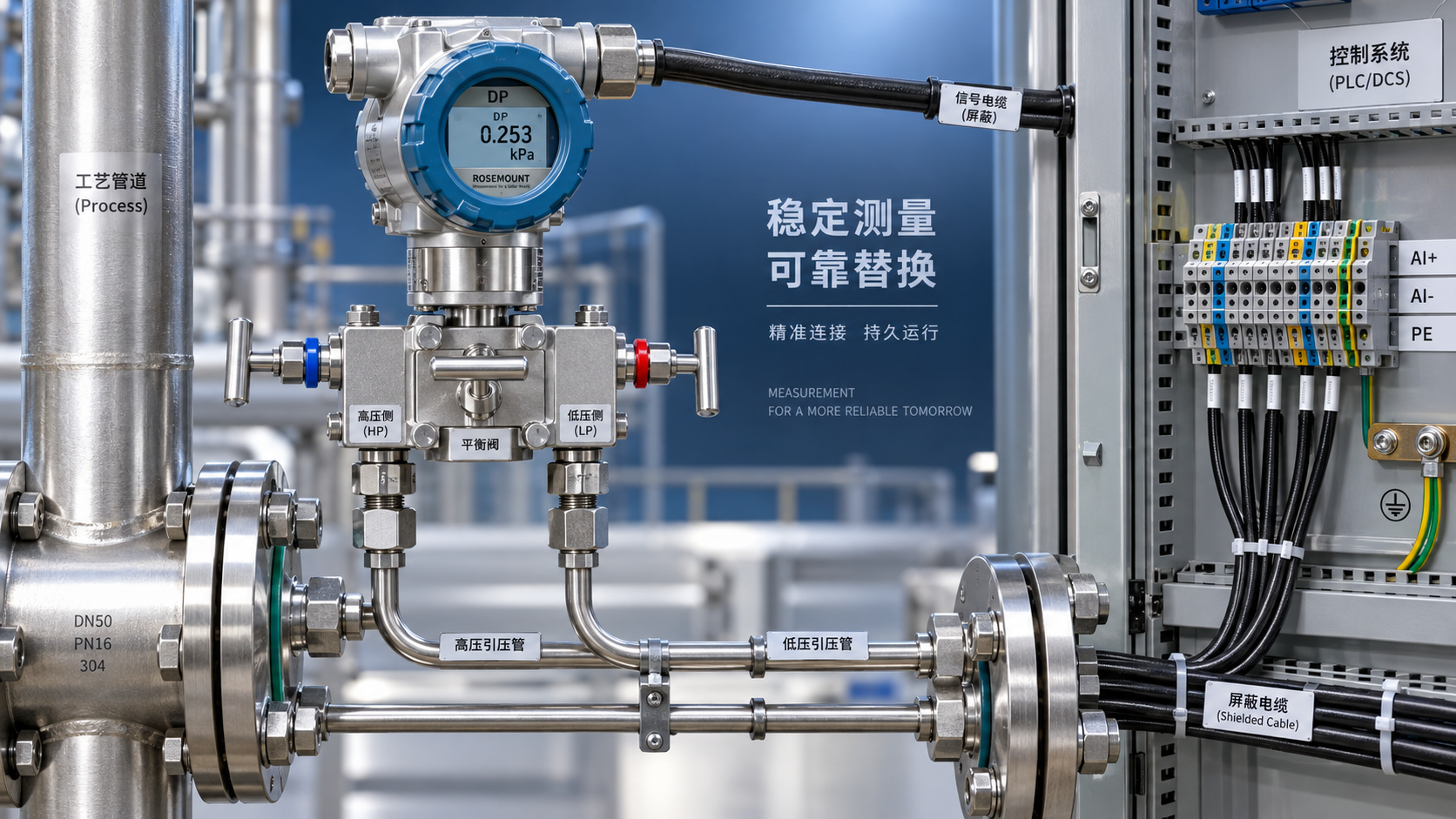
- Which interface parameters should be checked before replacing an imported differential pressure transmitter?Before replacing an imported differential pressure transmitter, how can interface mismatches, unstable signals, and installation rework be avoided? This article outlines key verification items, including flange threads, high- and low-pressure sides, electrical loops, explosion-proof requirements, and configuration, to help you complete a reliable replacement efficiently.
- What Happens If the Migration Setting of a Rosemount Differential Pressure Transmitter Is Incorrect?An incorrect migration setting of a Rosemount differential pressure transmitter can cause overall deviations in level and flow measurements, false alarm and interlock actions, and distorted DCS displays. This article explains the difference between migration and zero adjustment, common fault symptoms, on-site verification steps, and key points for safe adjustment to help you quickly improve measurement reliability.
- What Should Be Considered When Using a 304 Differential Pressure Sensor in Food EquipmentWhat should be considered when using a 304 differential pressure sensor in food equipment? This article provides a detailed explanation of 304 material suitability, hygienic connections, measuring range and static pressure, CIP/SIP resistance, seals, and signal configuration, helping food plants select the right model and reduce the risks of corrosion, leakage, and measurement drift.
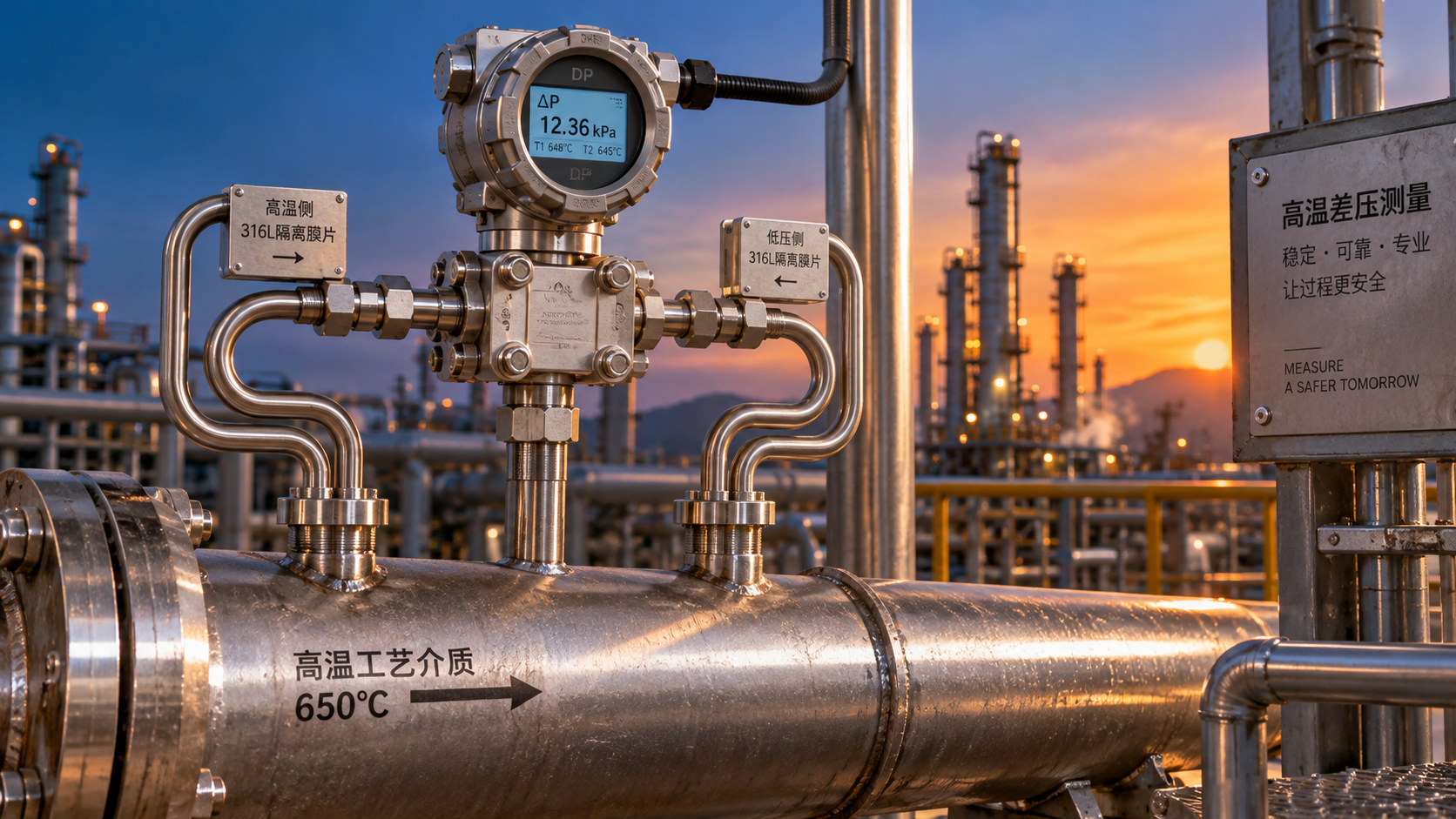
- Is an oil-filled core differential pressure sensor suitable for measuring high-temperature media?Is an oil-filled core differential pressure sensor suitable for measuring high-temperature media? This article provides a detailed explanation of isolation diaphragms, fill oil temperature resistance, temperature drift control, and remote installation solutions, covering operating conditions involving steam, hot air, heat transfer oil, and more, to help you select the right model and ensure stable, reliable high-temperature differential pressure measurement.
- How to Troubleshoot Excessive Zero Drift in Ceramic Capacitive Differential Pressure SensorsHow can excessive zero drift in ceramic capacitive differential pressure sensors be troubleshot? This article details methods for checking impulse lines, valve manifolds, power interference, temperature and vibration, range calibration, and sensing elements to help quickly locate faults and improve measurement stability.
- What Should Be Considered When Selecting a 4–20 mA Output for a Current-Output Differential Pressure Sensor?When selecting a 4–20 mA output for a current-output differential pressure sensor, key factors to consider include range, static pressure, power supply and load, accuracy, wetted material, installation, and interference resistance. This article provides practical selection, wiring, and commissioning guidance for air pressure, filter, liquid level, and flow measurement applications, helping you quickly match a reliable solution.
- What typically causes fluctuating readings on a field-display differential pressure sensor?Fluctuating readings on a field-display differential pressure sensor are typically related to process pulsation, blockage or liquid accumulation in impulse lines, valve manifold abnormalities, power supply fluctuations, electromagnetic interference, and parameter settings. This article provides a systematic troubleshooting process and maintenance recommendations to help quickly locate faults and stabilize measurement signals.


{item.title}
{item.description}