


News Center
—— NEWS CENTER ——
Xi'an Shenghongchuang Instrument Co., Ltd.
Contact: Mr. Zhang
Mobile: 15529283736
Email: shc-sensor@qq.com
Address: Fortune Building, Sanqiao Street, Xixian New Area, Xi'an, Shaanxi Province
Cost-Effectiveness Analysis of 304 Pressure Transmitters: Procurement Decisions Should Not Focus Solely on Unit Price
In machinery manufacturing, water supply equipment, automated production lines, environmental monitoring, and general process control applications, 304 pressure transmitters are often listed as a preferred option for routine pressure measurement projects due to their relatively controllable cost, good corrosion resistance, and broad applicability. For procurement personnel and financial approvers, evaluating their cost-effectiveness should go beyond the equipment quotation and take into account accuracy class, range matching, medium properties, on-site temperature, signal output, and subsequent maintenance costs.
A low-priced pressure transmitter with insufficient suitability for the operating conditions may experience zero drift, connection corrosion, fluctuating displayed data, or unplanned downtime within a few months, ultimately increasing replacement, manual troubleshooting, and production loss costs. In contrast, a properly configured 304 pressure transmitter can generally achieve stable continuous operation in conventional industrial environments, providing a reliable pressure signal foundation for equipment control systems.
Relying on its brand operation, sales, and technical service system, Xi'an Shenghongchuang Instrumentation Co., Ltd., together with the manufacturing capabilities of Shaanxi Qinkong Sensor Technology Co., Ltd., provides pressure, level, temperature and humidity, weighing, displacement, flow, and other measurement and control products for industrial automation projects. For different media and installation conditions, purchasers should base their assessment on actual service life and total lifecycle cost rather than simply comparing the initial purchase amount.
The Practical Impact of 304 Material on Pressure Transmitter Value
Housing and Wetted-Part Materials Determine Basic Compatibility
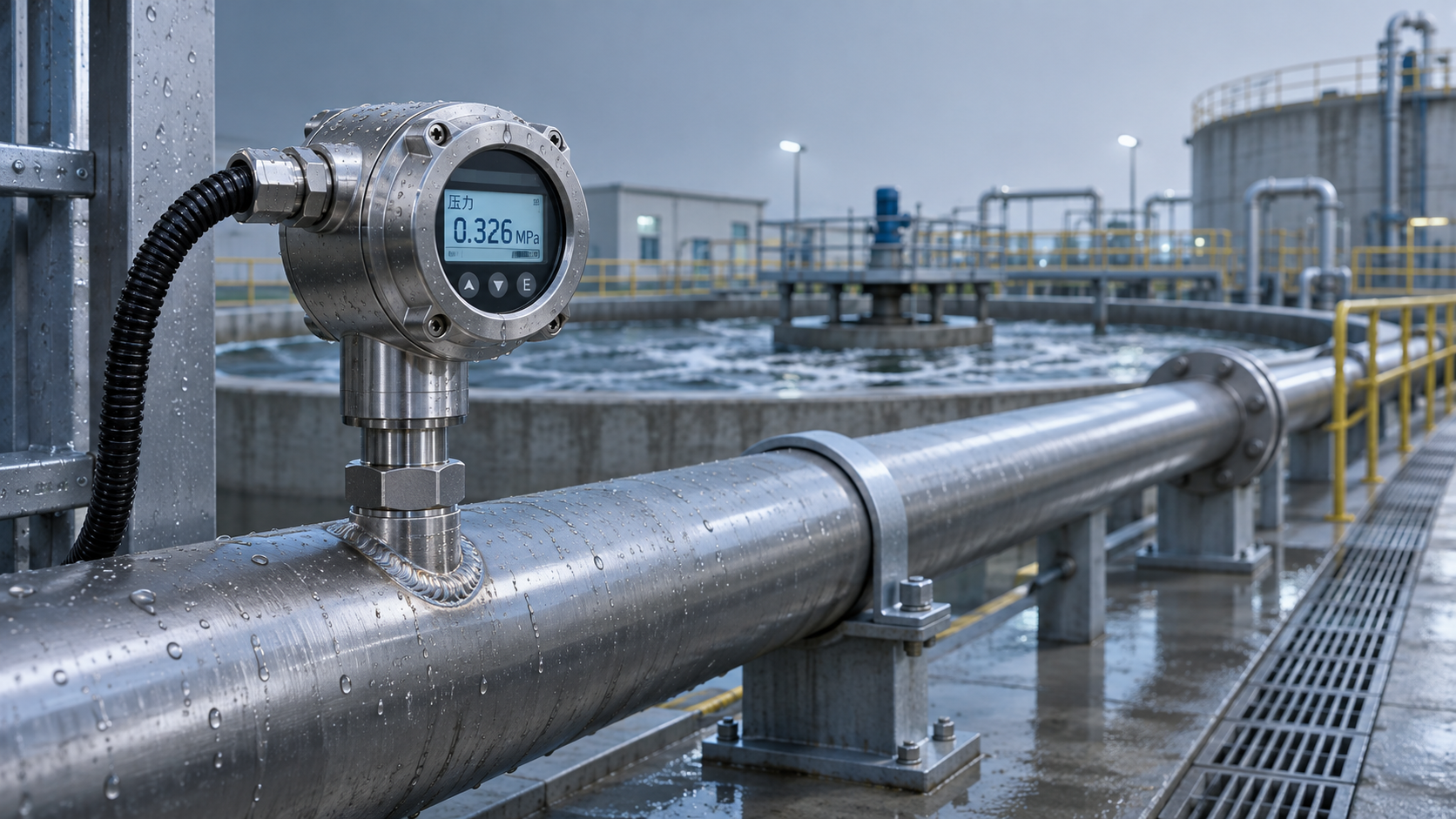
304 stainless steel offers good resistance to atmospheric corrosion, water vapor corrosion, and general mildly corrosive media. It is suitable for clean water, compressed air, ordinary hydraulic oil, non-strongly corrosive gases, and most conventional industrial fluids. For indoor equipment, pumping stations, air compressors, standard water treatment systems, and mechanical hydraulic systems, 304 material can generally meet long-term installation requirements.
It should be noted that a 304 pressure transmitter does not necessarily mean that all components are made of 304 stainless steel. During procurement, the specific materials of the housing, process connection, diaphragm, and wetted chamber should be confirmed, especially the parts in direct contact with the medium. If only the housing material is confirmed while wetted materials are overlooked, corrosion, pitting, or inaccurate measurement may still occur in complex media.
From a cost perspective, 304 is generally more economical than a 316L solution and can reduce the procurement budget for applicable media. However, when the medium contains high concentrations of chloride ions, salt spray, acidic or alkaline components, or when equipment operates for long periods in coastal, high-humidity, or highly corrosive environments, the upfront cost savings from using 304 may not cover subsequent maintenance and replacement costs.
Selection Boundaries Between 304 and 316L
The core difference between 316 and 316L is primarily carbon content. The low-carbon characteristics of 316L help improve corrosion resistance after welding. When procuring pressure transmitters, the presence of “316” in the name alone should not be taken to mean that it is necessarily suitable for all corrosive operating conditions. The medium composition, concentration, temperature, pressure, and residence time must still be confirmed.
If the measured medium is ordinary circulating water, equipment lubricating oil, or compressed air, a 304 solution often offers a good cost-performance ratio. If the system contains chlorine, salt, acids or alkalis, or has long-term condensate accumulation, the configuration of 316L wetted parts should be verified as a priority. Only correct material selection can prevent the issue of “low purchase price, high maintenance cost.”
Key Parameters Affecting the Cost-Effectiveness of 304 Pressure Transmitters
Accuracy, Range, and Stability Need to Be Verified Together
Higher pressure transmitter accuracy is not necessarily more economical. For most routine equipment control applications, 0.5%FS accuracy can meet basic monitoring requirements; for metering, testing, precision control, or critical interlock applications, 0.25%FS or an even higher class may be required. Blindly pursuing high accuracy increases costs, while insufficient accuracy can affect control quality.
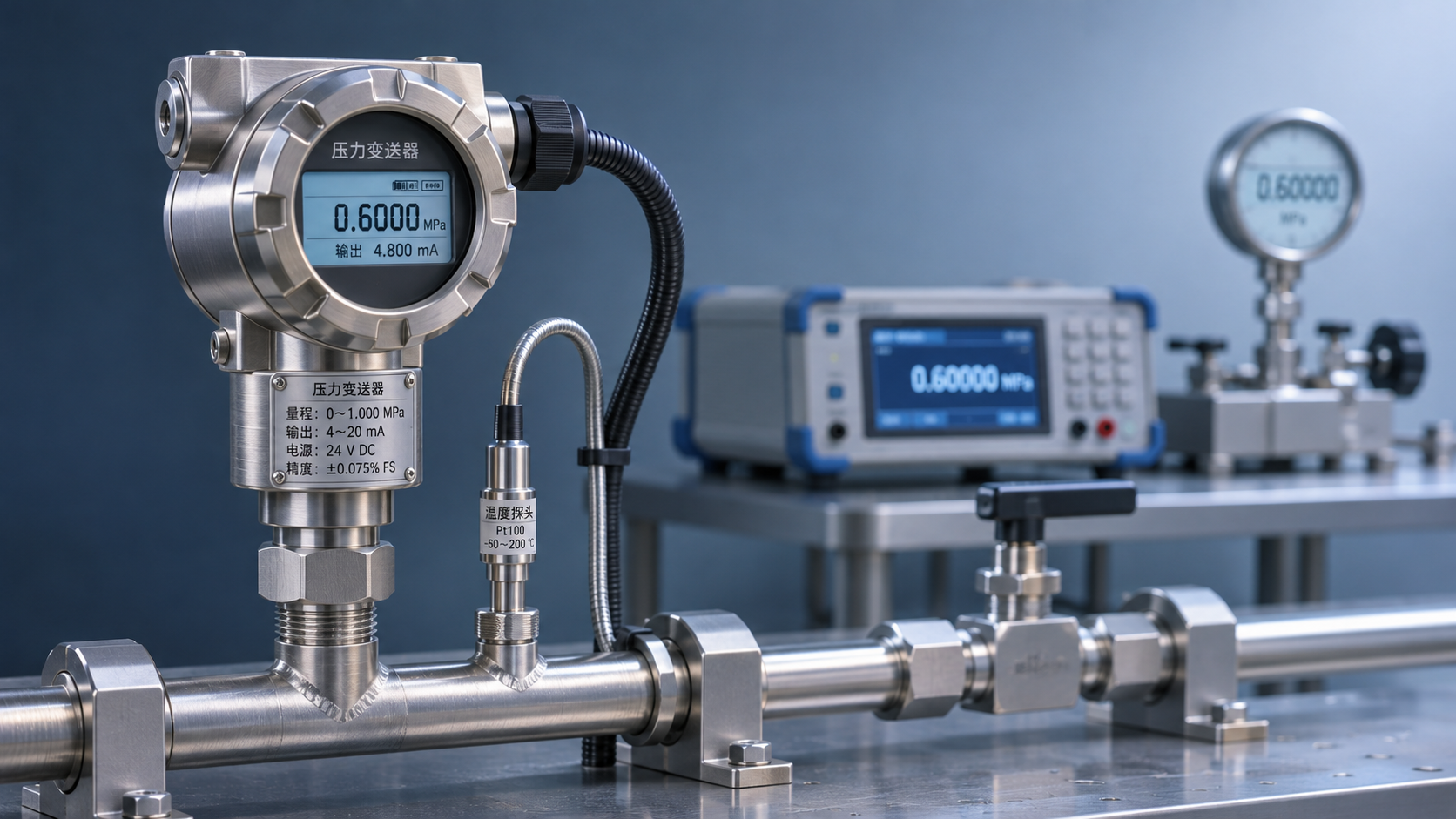
Range selection also affects measurement reliability. It is generally recommended that normal operating pressure fall within 30% to 80% of full scale, with allowance reserved for pressure fluctuations and transient impacts. For example, if the normal system pressure is 0.6MPa and startup impacts or pipeline pulsation are present, an appropriate range should be selected according to peak pressure rather than mechanically selecting a product with a 0.6MPa full-scale range.
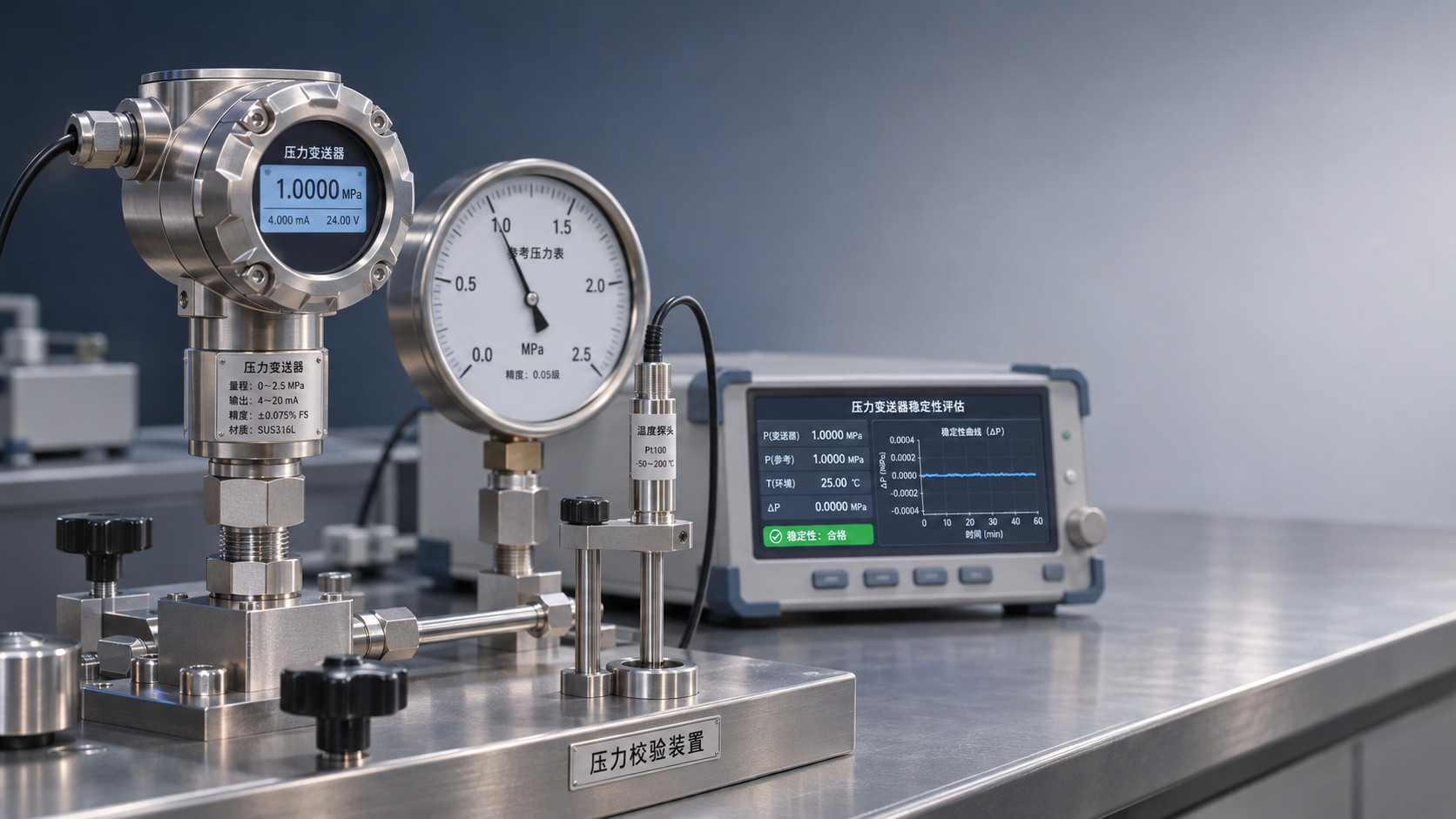
Long-term stability determines the reliability of data after continuous equipment operation. Higher-quality products need to undergo processes such as accuracy calibration, sealing tests, temperature compensation, and finished-product inspection. For automated equipment operating continuously throughout the year, lower zero drift and stronger anti-interference capability often provide more practical value than an initial price difference of a few hundred yuan.
Procurement Verification Table for Common Parameters
High-Speed Response and Complex Operating Conditions Should Not Be Procured with Standard Configurations
Response Time Should Serve the Actual Control Cycle
The response time requirements for high-speed pressure transmitters depend on equipment cycle time, the rate of pressure change, and the control system sampling frequency. For slowly changing storage tanks, water supply networks, and conventional pneumatic circuits, standard response speeds can generally meet requirements. For applications such as injection molding equipment, pulse testing, rapid filling and venting, and hydraulic shock monitoring, millisecond-level response requirements should be clearly specified.
Before procuring high-speed products, the controller's sampling capability, signal transmission method, and installation location should be confirmed. If the PLC scan cycle is long, or the sensor is installed at the end of a pipeline far from the pressure source, valid real-time dynamic data may not be obtained even if the transmitter itself responds quickly. System-level matching is more important than an individual parameter.
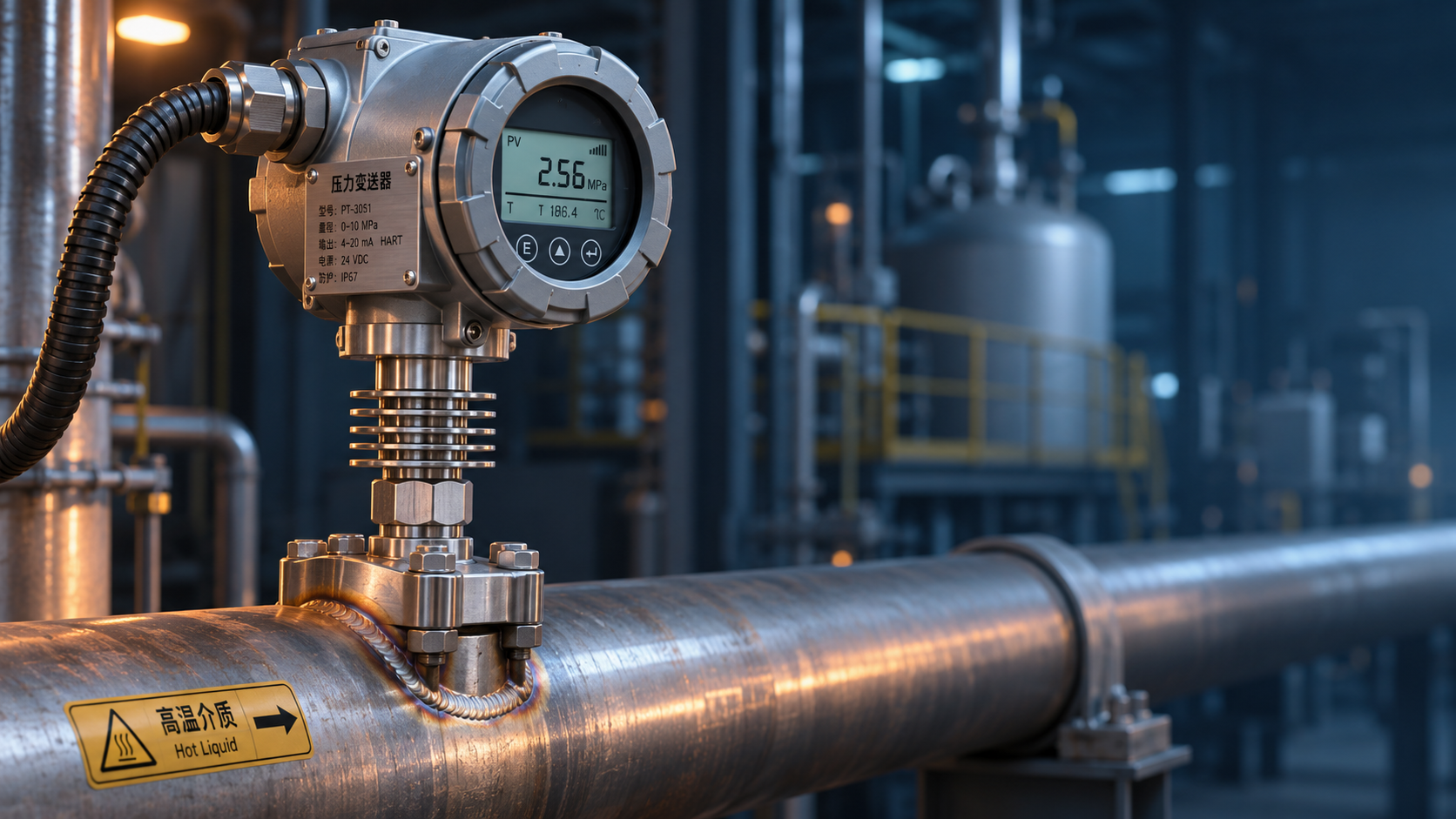
In environments with strong vibration, severe electromagnetic interference, high temperature, or high pressure, in addition to response time, overload capacity, temperature range, cable shielding, grounding method, and mounting structure should also be confirmed. Solutions using 24VDC power supply and 4-20mA output generally offer strong anti-interference capability in industrial field environments, but standardized wiring and commissioning are still required.
Determining Whether a 304 Pressure Transmitter Is Worth Purchasing from a Full Lifecycle Perspective
Service and Quality Costs Should Also Be Included Beyond Price
The actual cost of a pressure measurement solution should include product procurement, installation and commissioning, fault troubleshooting, downtime impact, spare parts inventory, and after-sales response. For batch equipment projects, the unit price difference may appear limited, but when quantities reach 50 units, 100 units, or more, product consistency and delivery stability will directly affect the overall project schedule.
Xi'an Shenghongchuang can provide matching recommendations based on pressure range, output method, threaded connection, wetted material, display requirements, and site operating conditions. Its production system covers raw material selection, precision machining, program commissioning, accuracy calibration, finished-product inspection, and factory acceptance, helping improve batch-to-batch product stability while supporting standard and non-standard measurement and control requirements.
For civil and general industrial applications, purchasers should also verify product nameplate information, factory inspection documents, applicable standards, and required certifications according to project requirements. For safety control, special environments, or specific industries, project technical specifications should be clarified in advance to avoid acceptance failure after delivery due to non-compliant documentation or configurations.
Overall, 304 pressure transmitters offer high cost-effectiveness in non-strongly corrosive, conventional temperature and pressure, and stable measurement applications. Before confirming procurement, it is recommended to provide Xi'an Shenghongchuang with the medium name, pressure range, maximum temperature, connection specification, output signal, installation environment, and expected quantity, so that technical personnel can complete the selection verification and provide the corresponding configuration proposal, quotation, and delivery lead time information.
Related Recommendations
 Compensation Principles and Temperature Drift Parameters of Temperature-Compensated Pressure Transmitters
 Selecting a High-Temperature Liquid Pressure Transmitter: How to Determine Temperature, Sealing, and Range
 Sewage Containing Sand Easily Clogs Pipes? Installation and Selection Tips for Anti-Clogging Pressure Transmitters
 How Do You Evaluate a High-Stability Pressure Transmitter? Understanding Long-Term Drift and Temperature Effects