


News Center
—— NEWS CENTER ——
Xi'an Shenghongchuang Instrument Co., Ltd.
Contact: Mr. Zhang
Mobile: 15529283736
Email: shc-sensor@qq.com
Address: Fortune Building, Sanqiao Street, Xixian New Area, Xi'an, Shaanxi Province
The diaphragm of a pressure transmitter used with strong acids is in prolonged contact with corrosive media. If pitting, thinning, or perforation occurs, it may cause pressure readings to drift or, in more severe cases, lead to media leakage. After-sales service personnel need to assess the risk based on the type, concentration, and temperature of the acid, as well as the equipment’s operating conditions. Material suitability cannot be determined solely from terms such as “acid-resistant” or “stainless steel.”
I. First Identify the Source of Corrosion
Diaphragm corrosion does not necessarily appear as uniform surface thinning. Under certain operating conditions, pinholes or cracks may first form in localized areas. The changes may not be obvious to the naked eye, even though the diaphragm’s pressure-bearing capacity has already declined. Chloride ions, fluorides, oxidizing impurities, and residual cleaning agents in the acid solution can all alter the corrosion process.
Changes in temperature and concentration are equally important. A material that performs reliably at room temperature may have different corrosion resistance when heated or concentrated, or after cooling during shutdown. When selecting materials, provide the media conditions during normal operation, startup and shutdown, and cleaning, and specify the maximum possible temperature and concentration.
In addition to the diaphragm, process connections, welds, gaskets, and impulse tubing may also come into contact with the acid. Even if the diaphragm material is suitable, incompatibility in other components can still cause leakage. The entire wetted assembly should therefore be checked.
Key Checks for Common Operating Conditions
Hydrochloric, sulfuric, nitric, and hydrofluoric acids have different corrosion mechanisms, so the same material cannot be assumed suitable for all of them. For example, chloride-containing media may increase the risk of pitting and crevice corrosion in stainless steel, while fluoride-containing media also require particular scrutiny of non-metallic components.
The site assessment should document the acid composition, concentration range, media temperature, operating pressure, pressure fluctuations, and impurities. For mixed acids or media with highly variable composition, provide the full formulation or information about a representative sample.
The table below is intended to organize the areas to be checked; it does not establish material suitability. Final decisions must be based on the material manufacturer’s corrosion-resistance data, actual operating conditions, and corrosion testing where necessary.
II. Select Materials and Isolation Structures as a Matched System
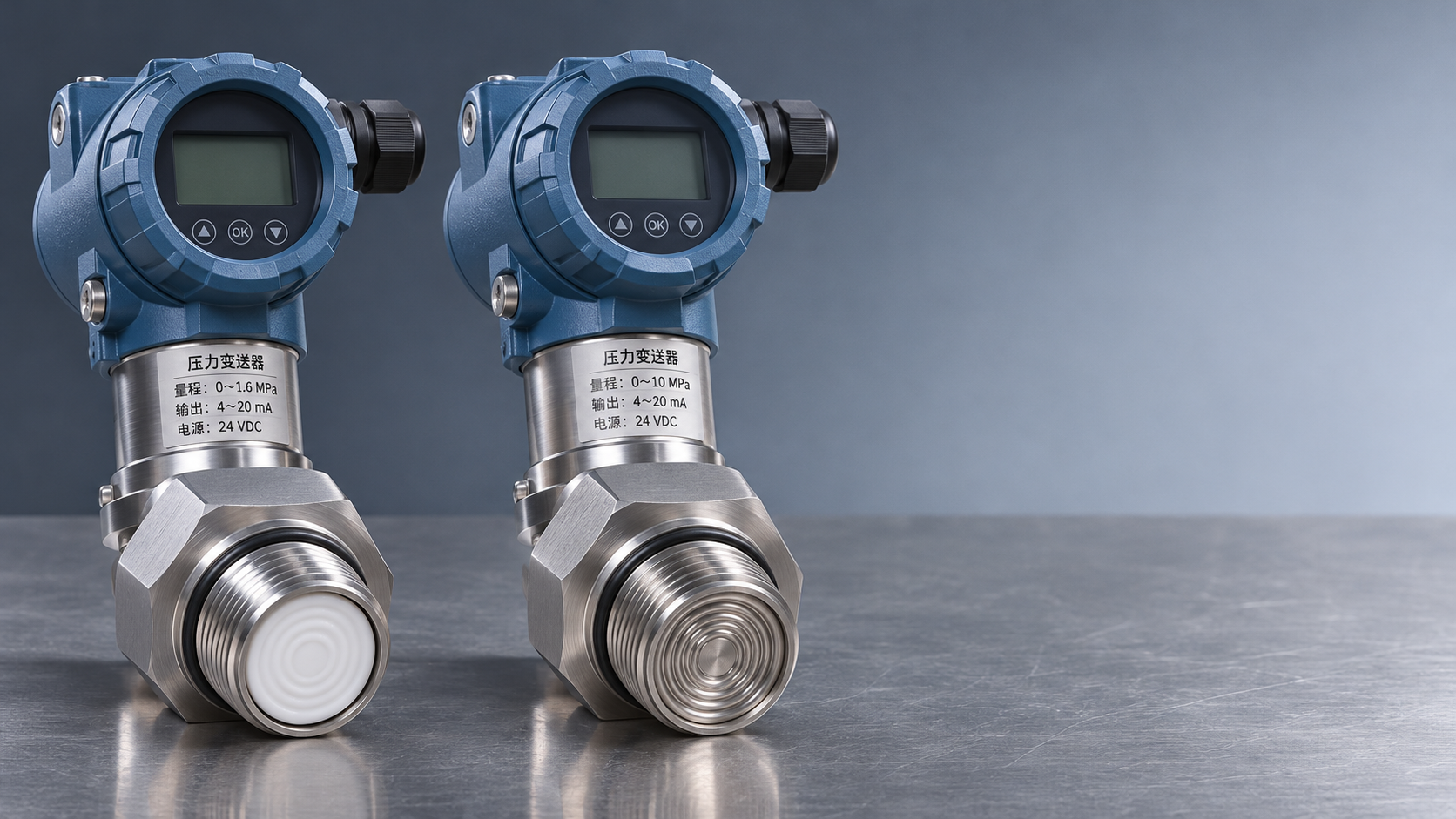
Select the diaphragm material for the specific media. Candidate options, such as corrosion-resistant alloys or tantalum, or a non-metallic isolation solution suitable for the operating conditions, can be discussed with the manufacturer. A material name is not a substitute for engineering verification, especially for mixed acids, acid solutions containing impurities, and applications with frequent temperature changes.
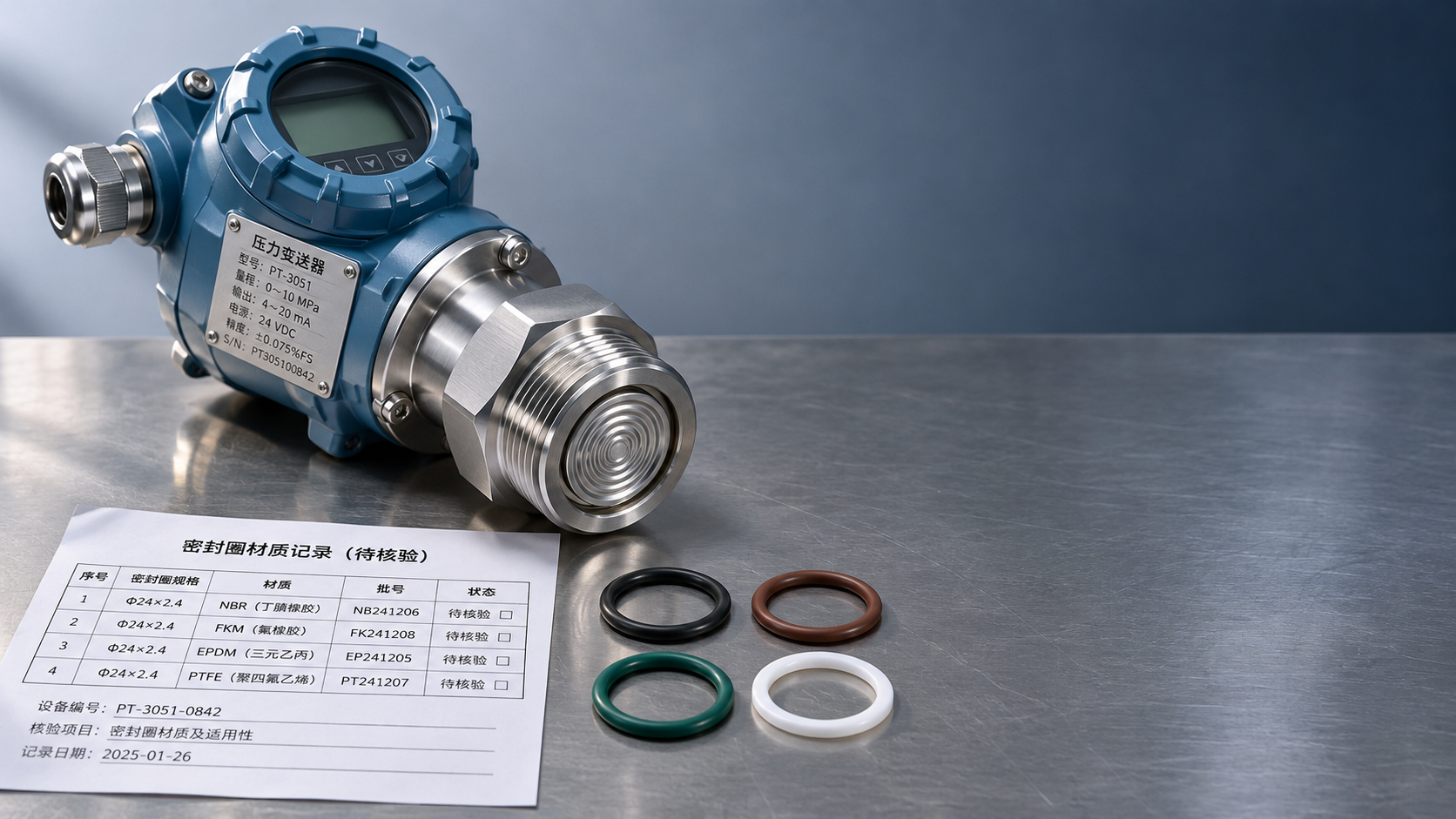
For metallic wetted assemblies, verify the actual materials used for the diaphragm, connections, and weld areas. For lined or coated structures, also confirm the integrity of the lining, the sealing method at connections, and the risk of failure if damage occurs. Do not touch or scrape the diaphragm with hard objects during installation.
When a remote diaphragm seal is required, assess the compatibility of the fill fluid with the process media and temperature, as well as process safety requirements. A fill-fluid leak may contaminate the process media, while changes in capillary length and temperature may also affect measurement response and accuracy.
General-Purpose Products Are Not Automatically Suitable for Strong Acids
ATS3000 General-Purpose Pressure Transmitter Made in China, Air and Hydraulic Pressure Sensor is suitable for liquids, gases, or steam compatible with 304 or 316 stainless steel, and can be used for hydraulic, pneumatic, and industrial process pressure measurement. The product documentation lists a media temperature range of -30~+85℃.
This series offers a range of spans and signal types, such as a two-wire 4~20mA output. Accuracy options include Class 1.0, Class 0.5, and Class 0.25; the specific configuration is subject to the order specifications. The span should cover the actual operating pressure and a reasonable fluctuation range, rather than being selected solely based on pressure during steady operation.
Since the documentation lists 304 or 316 stainless steel as the wetted material, this does not establish that the transmitter is suitable for strong acids. Before using it with acid solutions, confirm the specific wetted assembly with the manufacturer and assess corrosion resistance under the relevant media, concentration, and temperature conditions. If requirements are not met, select a suitable isolation solution or model.
III. Minimize Damage During Installation and Operation
Before installation, check the instrument range, process connection, sealing materials, and design pressure, and confirm that they match the site drawings. Install flanges, threaded connections, and gaskets as required by the equipment specifications. Avoid misalignment, over-tightening, or damage to sealing surfaces, which can create gaps and cause leaks.
For equipment subject to pressure pulsation, water hammer, or frequent start-stop cycles, assess the compatibility of any damping devices and their materials. The diaphragm can be damaged not only by chemical corrosion but also by repeated mechanical fatigue. If the damping structure is prone to acid accumulation or blockage, include it in the cleaning and inspection plan.
For media that crystallize or deposit readily, choose a connection that is easy to clean, and ensure that the cleaning agents are compatible with the wetted materials. Do not use tools such as steel needles or screwdrivers to remove scale directly from the diaphragm surface, as this may scratch the thin membrane or cause irreversible deformation.
Safe Isolation Before Maintenance
Before disassembly, shut down the equipment, isolate the pressure source, and apply lockout/tagout in accordance with site procedures. Confirm that the relevant piping has been depressurized, drained, and flushed as necessary. A zero reading alone does not prove that the piping contains no residual pressure or liquid.
Based on the media safety data sheet and the site risk assessment, maintenance personnel should select suitable chemical-resistant gloves, eye protection, and face protection. Work involving high-risk media must follow applicable permit, supervision, and emergency response requirements.
Handle removed instruments and drained residual liquids in accordance with site requirements for hazardous waste and chemical management. Do not mix or discharge residual liquids of unknown composition, or liquids that may react, without proper controls.
IV. Identify Early Failure Through Routine Inspections
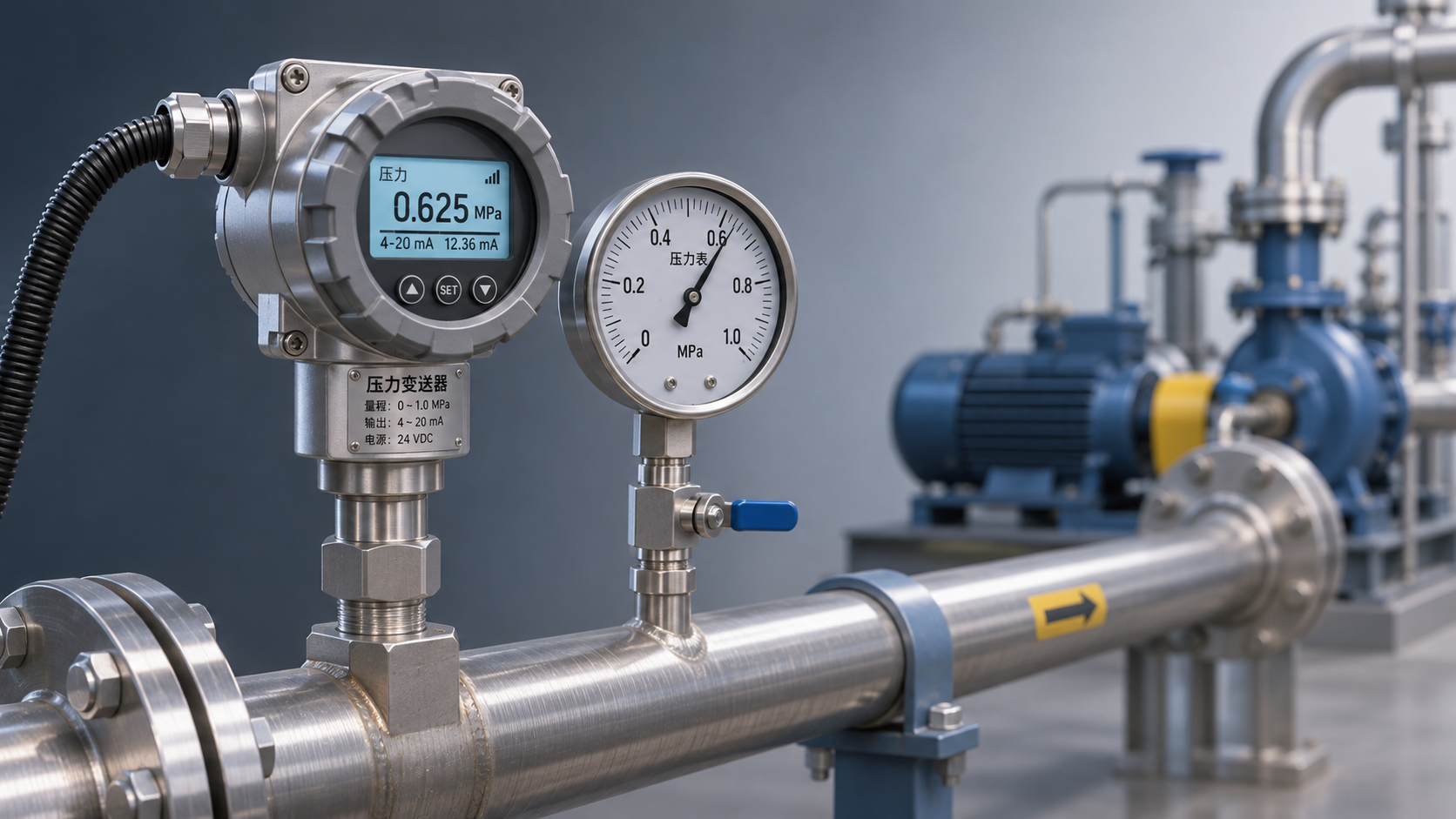
Maintenance personnel should establish baseline records for pressure readings, output signals, calibration results, and visual condition. Under normal operating conditions, persistent zero-point drift, slow response, unstable output, or readings that differ significantly from a reliable reference instrument warrant further investigation.
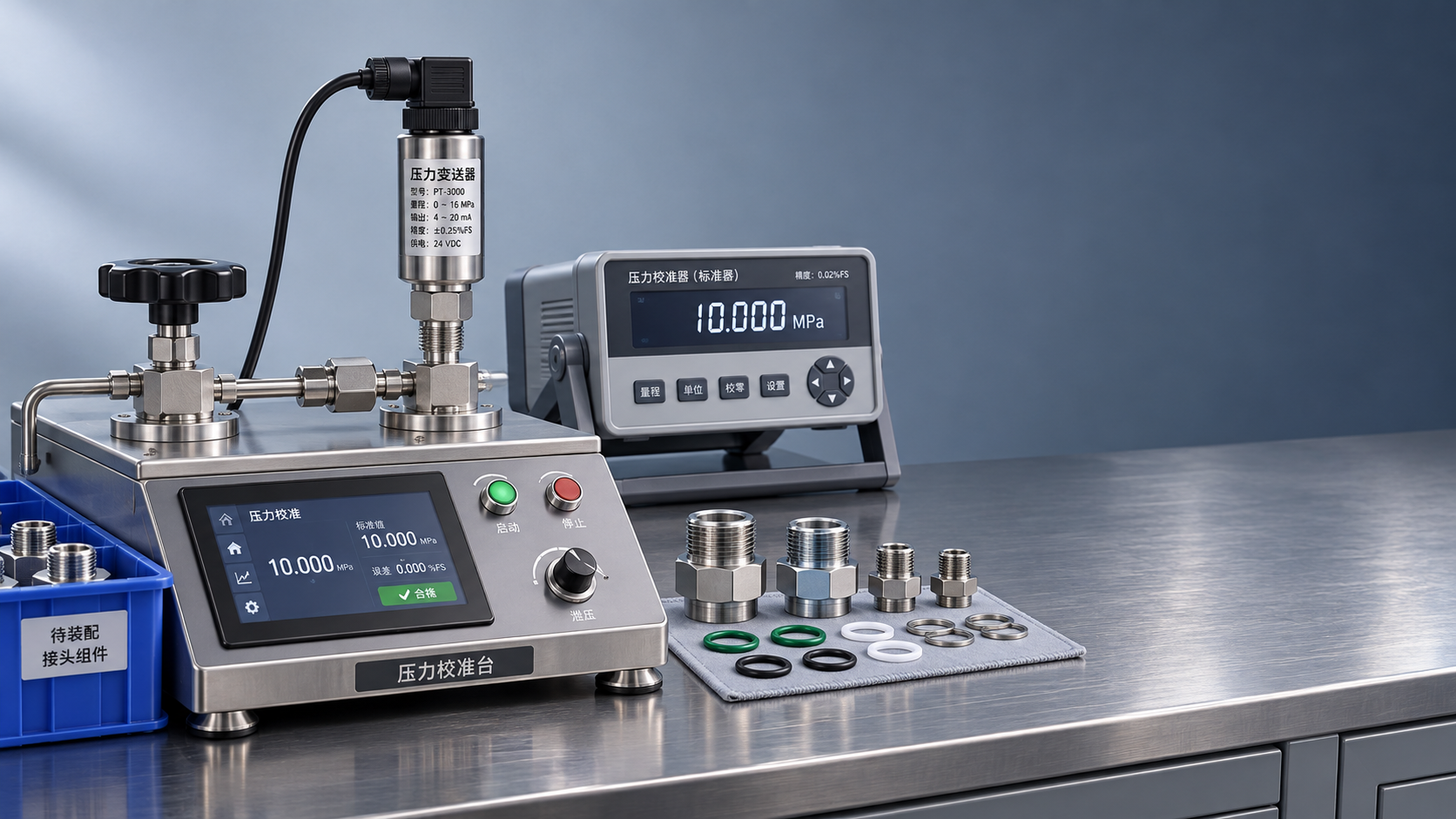
These symptoms are not necessarily caused by diaphragm corrosion; they may also result from blockage, power supply or wiring problems, temperature changes, or process fluctuations. Troubleshooting should first ensure process safety, then combine electrical checks, pressure calibration, and inspection of wetted components. Avoid masking a fault by simply adjusting the zero point.
Inspection intervals should be determined based on media hazards, corrosion data, operating experience, and equipment criticality. After commissioning or a change in operating conditions, inspection frequency can be increased as appropriate and then adjusted based on actual records. A single fixed interval should not be treated as a safe maintenance period for all strong-acid applications.
If diaphragm perforation is suspected, immediately isolate the equipment in accordance with site emergency procedures to prevent personnel from contacting the leaking media. Assess whether process media may have entered the instrument or fill fluid may have entered the process. Do not simply reweld a damaged instrument or readjust its zero point and return it to service. Have a qualified organization assess and replace it, and complete the required inspection.
For product selection or troubleshooting, provide Xi'an Shenghongchuang Instrumentation Co., Ltd. with the acid name and concentration, maximum and minimum temperatures, operating and peak pressures, impurity composition, connection dimensions, and existing fault records. Technical personnel can then assess a suitable solution based on the complete wetted assembly and confirm corrosion resistance and safety requirements before commissioning.
Related Recommendations
 Ceramic-Core vs. Oil-Filled Pressure Transmitters: How to Choose Based on Corrosion Resistance and Overload Capacity
 How should the wetted parts of a 316L pressure transmitter be inspected for corrosive media?
 What Causes Unstable Readings on a Pressure Transmitter with an LCD Display?
 What usually affects the lead time for a custom pressure transmitter?