


News Center
—— NEWS CENTER ——
Xi'an Shenghongchuang Instrument Co., Ltd.
Contact: Mr. Zhang
Mobile: 15529283736
Email: shc-sensor@qq.com
Address: Fortune Building, Sanqiao Street, Xixian New Area, Xi'an, Shaanxi Province
What is a flush diaphragm pressure transmitter? Why is it better suited to measuring the pressure of viscous, crystallizing, or particle-laden media? This article explains its structural features and key selection considerations.
I. What Is a Flush Diaphragm Pressure Transmitter?
1. Structure and Measurement Principle
A flush diaphragm pressure transmitter is an instrument that uses an isolating diaphragm with a flush or nearly flush process connection to sense media pressure. Compared with common designs featuring a recessed pressure port, its diaphragm is closer to the media flow surface, so the pressure acts on the diaphragm without the media needing to pass through a narrow, deep pressure channel.
During operation, media pressure causes a slight deflection of the isolating diaphragm. The pressure is transmitted through an internal mechanism to the sensing element, then converted by the circuitry into an electrical signal that can be acquired by a control system. The sensing elements and pressure transmission methods used may vary by product; refer to the manufacturer's documentation for the specific design.
In product discussions, “flush diaphragm sensor” may refer to a pressure-sensing component with a flush diaphragm, or may be used more broadly to mean a flush diaphragm pressure transmitter. The two are not exactly the same: the former focuses on pressure sensing, while the latter typically also includes signal-processing circuitry and provides a standardized output interface.
2. How It Differs from Conventional Pressure Port Designs
Conventional pressure transmitters often contact the media through a pressure port or pressure channel. They are suitable for gases or liquids that are compatible with the instrument's materials, flow well, and are not prone to clogging. When properly selected, these products can meet a wide range of conventional pressure measurement needs.
A flush diaphragm design reduces the chance of media entering a narrow pressure channel, helping to reduce maintenance difficulties caused by adhesion, deposits, and clogging. However, a flush diaphragm does not eliminate material buildup. Factors such as interface steps, sealing grooves, and pipe flow velocity can still affect actual performance.
Neither design is inherently superior in all cases. For clean media, consider installation space and cost together. For media that can easily clog a pressure port, a flush diaphragm solution is worth evaluating first.
II. Why Use Flush Diaphragm Pressure Measurement for Viscous Media?
1. Reduce the Risk of Pressure Channel Clogging
Media such as adhesives, resins, and slurries have poor flowability and can readily stagnate in narrow channels. After a shutdown, if the media cools, solidifies, or crystallizes, the pressure port may gradually narrow or even become unable to transmit pressure properly.
A flush diaphragm pressure transmitter positions its sensing surface close to the media, reducing reliance on long, narrow pressure channels. In applications where material tends to adhere to walls or accumulate, this design can help maintain continuous pressure transmission and reduce abnormal readings caused by clogging.
Note that a layer of material may still adhere to the diaphragm surface. If the media solidifies quickly, or the pipe operates at low flow rates or remains idle for extended periods, cleaning, heat preservation, or other measures should also be considered in conjunction with the process requirements.
2. Facilitate Cleaning and Routine Maintenance
Compared with hard-to-reach deep bores, a properly installed flush diaphragm surface is generally easier to inspect and clean. For equipment that requires regular material changes or residue removal, this feature can help shorten maintenance time.
A flush diaphragm design also requires special care: the diaphragm is usually thin, so its smooth surface must not be scraped with metal tools. Before cleaning, isolate the process, release the pressure, and confirm that the media is safe. Then select a compatible cleaning method according to the product instructions.
For applications with stringent hygiene requirements, such as food processing and pharmaceuticals, also verify the wetted materials, surface finish, sealing design, and cleaning requirements. A flush diaphragm does not automatically mean that a product meets any particular hygiene certification.
3. Handle Media Containing Particles or Prone to Crystallization
Solids in particle-laden slurries may accumulate at the pressure port opening, while media prone to crystallization may form deposits when the temperature changes or after a shutdown. A flush diaphragm design reduces the presence of narrow openings, helping to lower the likelihood of clogging at these locations.
However, particle hardness, concentration, and flow velocity may also cause diaphragm wear or impact damage. Selection should consider not only clog prevention but also wear resistance, installation location, and diaphragm protection. Equipment service life cannot be determined based on the “flush diaphragm” design alone.
For corrosive, crystallizing, or high-temperature media, also check the diaphragm material, sealing material, and process temperature limits. If necessary, consult the manufacturer to confirm the suitability of the diaphragm, mounting components, and temperature isolation solution.
III. How to Select a Flush Diaphragm Pressure Transmitter
1. Start with Pressure and Media Conditions
First, determine whether the measurement is gauge pressure, absolute pressure, or another pressure type. Provide the normal operating pressure, possible peak pressure, and whether negative pressure may occur. An excessively wide range may reduce effective reading resolution, while a range that is too narrow may cause damage from overpressure.
For example, if the normal pressure in an application is approximately 0.6 MPa and it may briefly reach 0.8 MPa, a range of 0–1.0 MPa could be used as an initial option for discussion. The final selection must still take pressure surges, allowable overpressure, and process safety requirements into account; normal pressure alone is not sufficient.
Media information should include at least its name, temperature, viscosity, corrosivity, and whether it contains particles. The compatibility of the diaphragm and sealing components must be checked separately, especially when handling mixed media or when the cleaning fluid differs from the process media.
2. Check the Connection, Signal, and Environment
The connection should match the equipment's available mounting position. Also check whether the diaphragm, once installed, is actually close to the inner wall of the pipe or vessel. If an adapter creates a deep recess, it may reduce the effectiveness of the flush diaphragm design in preventing material buildup.
Common output formats in industrial applications include 4–20 mA, but output type, power supply, and wiring requirements may vary by model. Check compatibility with the PLC, digital display meter, or acquisition module item by item.
For outdoor, humid, highly vibratory, or potentially explosive environments, confirm the ingress protection rating, vibration resistance, and applicable explosion-protection requirements according to site conditions. Do not use a standard model directly in areas with special approval requirements.
Related Application: What Problems Do Pressure and Weighing Measurements Solve?
In batching or storage systems, pressure measurement can be used to monitor pressure conditions in pipes and vessels, while weighing measurement is used to determine material mass. They measure different things and are not directly interchangeable.
For example, Domestic DY-1002 Cantilever Beam Weighing Module, Spring Pressure Sensor, and Hopper Scale Module is a product for weighing applications. It is available in capacities from 100 to 700 kg, is made of alloy steel, and can be used in weighing applications such as hopper scales.
This product and a flush diaphragm pressure transmitter serve different purposes. When configuring a system, select the weighing components based on the hopper structure, load distribution, and installation method. Select the pressure components separately according to the media and process pressure conditions.
IV. Installation, Use, and Selection Discussions
1. Checks Before and After Installation
Before installation, check the diaphragm surface for scratches or deformation, and confirm that the connection thread or flange specification and sealing material match the equipment. Avoid impacts to the diaphragm during handling, and do not press it with fingers or tools.
Where possible, avoid installing the transmitter where particles can directly impinge on it, where there is strong vibration, or where material can readily accumulate. Tighten the connection as instructed in the product documentation. Do not tighten it by rotating the housing or cable, and prevent the sealing component from being pushed into the measurement area.
Before commissioning, check the wiring, power supply, and system range settings. After commissioning, monitor the zero point, operating readings, and sealing condition. If readings are abnormal, investigate possible causes such as clogging, temperature changes, and wiring faults rather than immediately concluding that the sensor is damaged.
2. Provide Complete Operating Conditions to Improve Selection Efficiency
When selecting a product, prepare information such as the media name, pressure range, media temperature, mounting connection, and output signal. Also disclose any particle impact, frequent cleaning, or pressure pulsation in advance.
Xi'an Shenghongchuang Instrumentation Co., Ltd. provides sales and technical services for sensors, transmitters, and supporting instruments, and can discuss products in line with pressure measurement and control system requirements. For special connections, materials, or non-standard configurations, specific capabilities and parameters are subject to the technical solution confirmed by both parties.
To select a flush diaphragm pressure transmitter for viscous, crystallizing, or particle-laden media, you can provide Xi'an Shenghongchuang with the media name, normal and maximum pressure, temperature range, connection dimensions, and signal requirements to help confirm the model and installation solution.
Related Recommendations
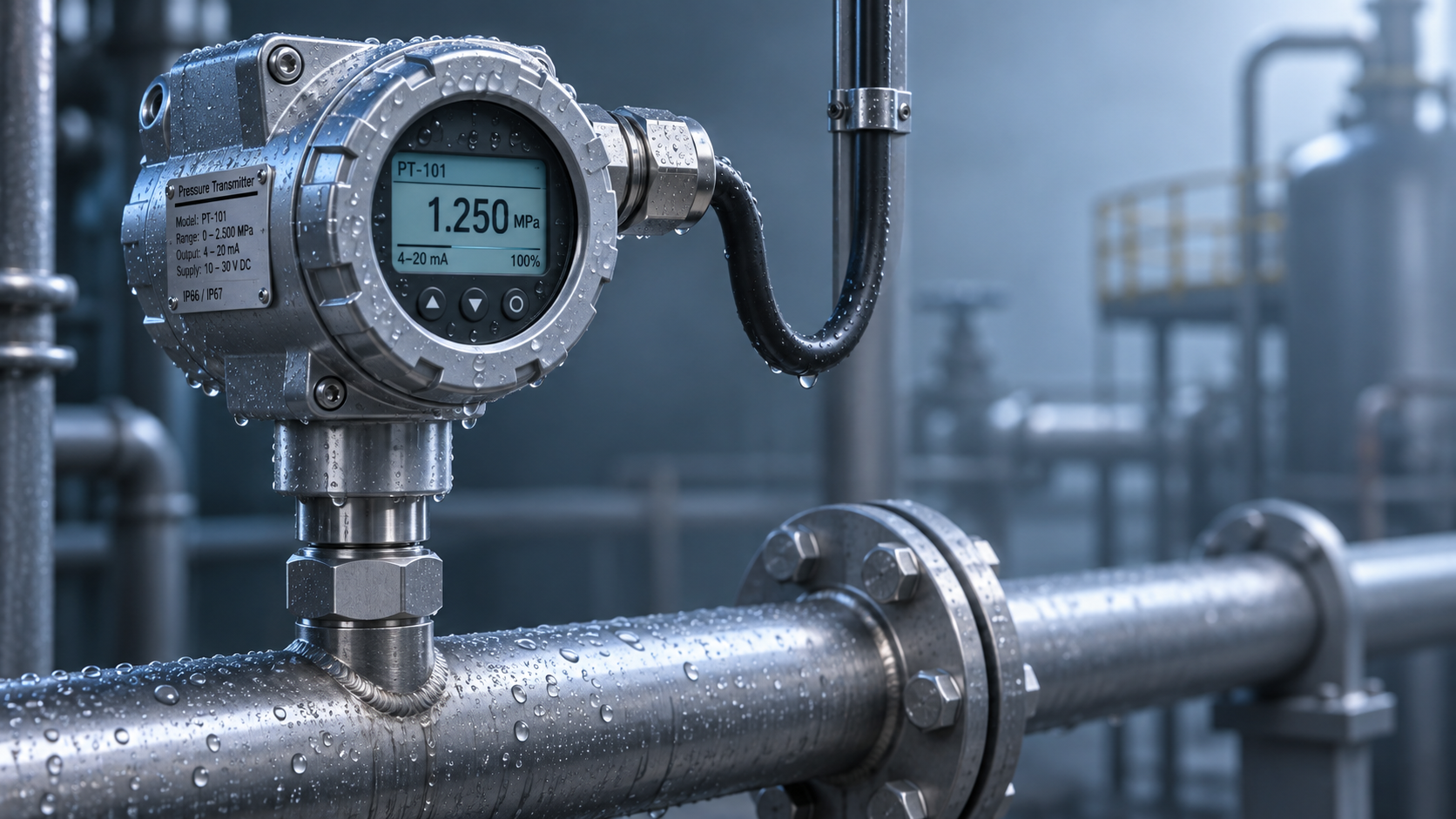
 How to assess enclosure protection and process sealing for sealed pressure transmitters in humid environments
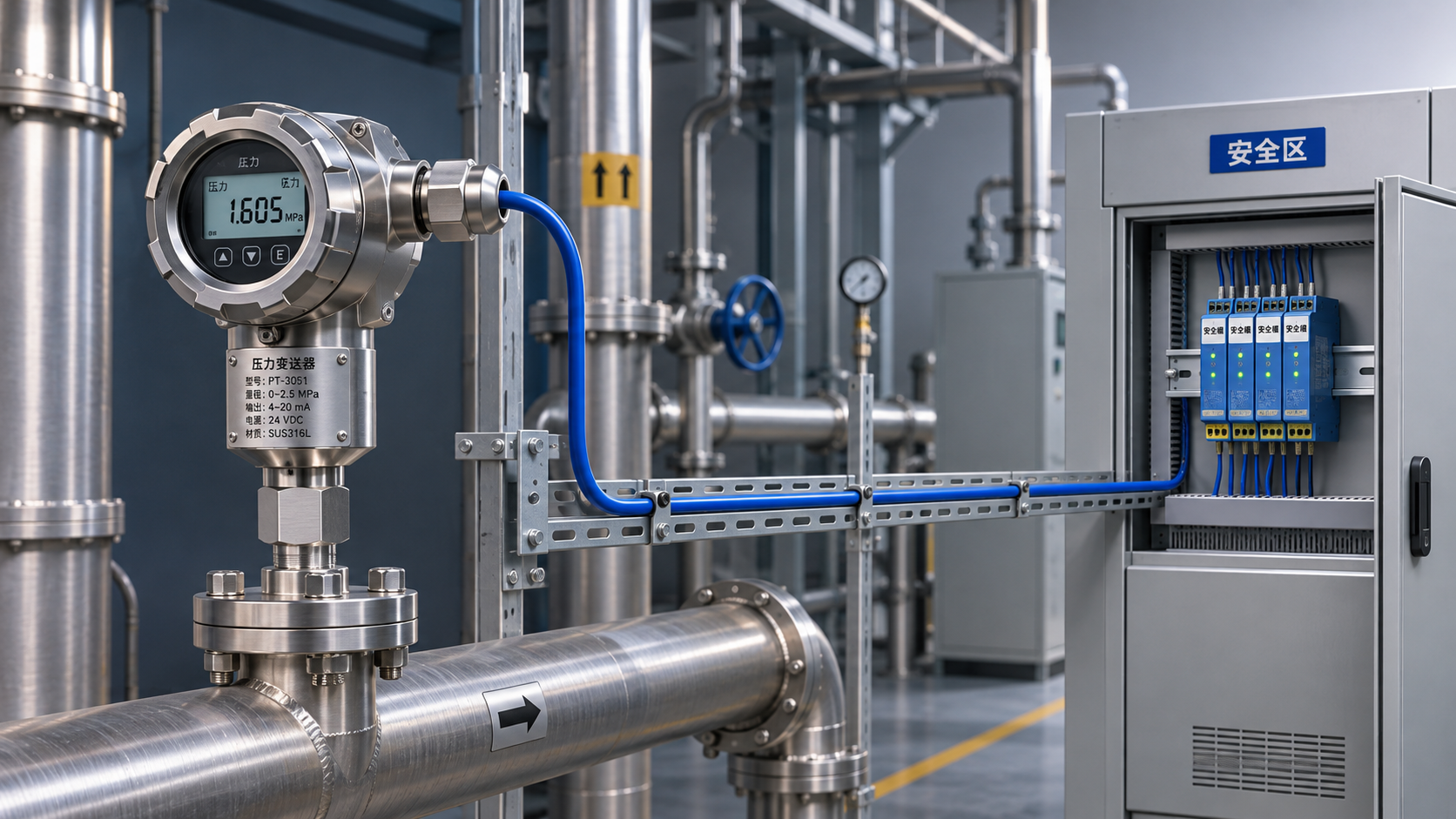
 How to Select an Intrinsically Safe Pressure Transmitter: Matching Explosion-Proof Markings and Safety Barrier Parameters
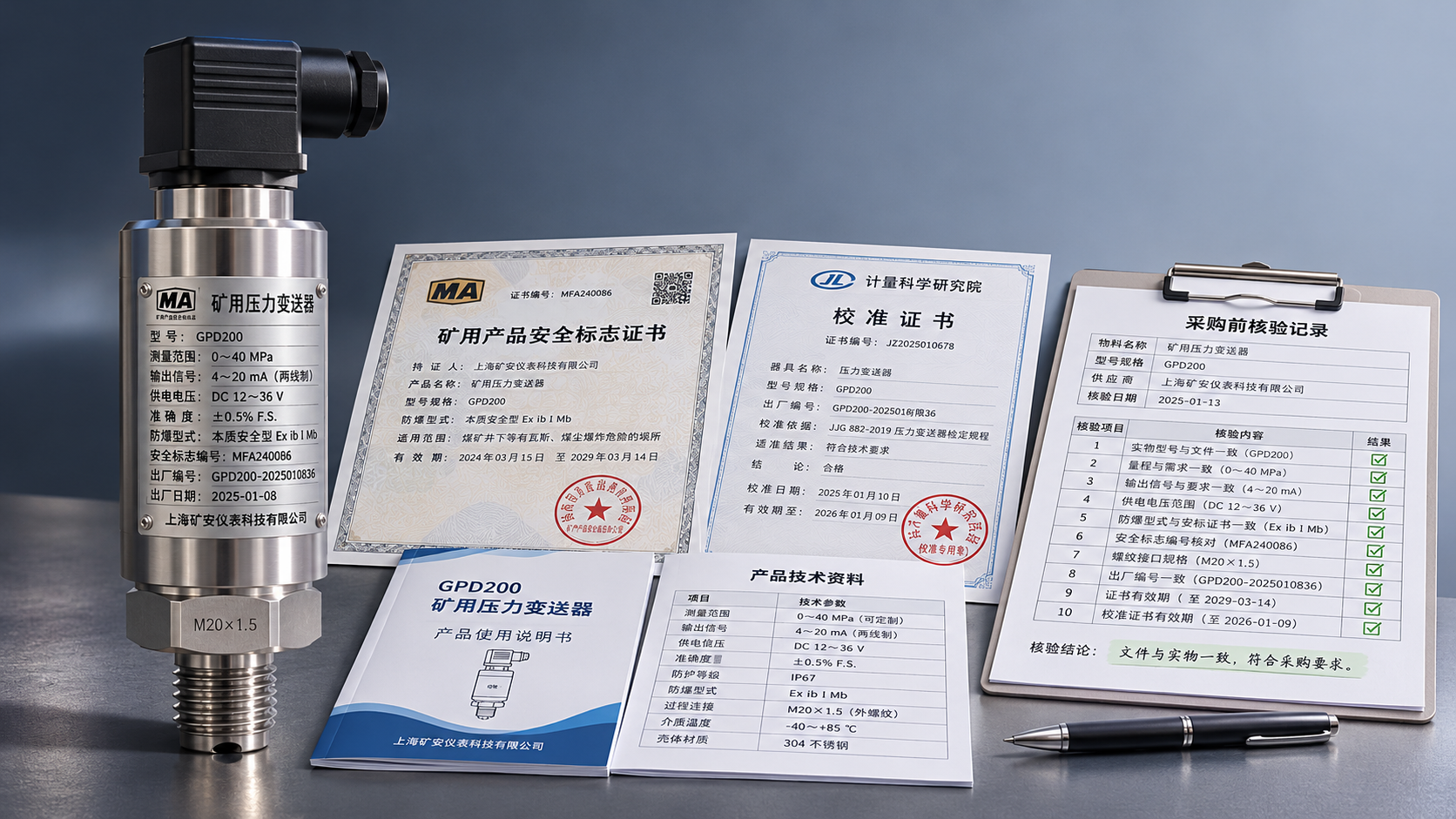
 How to Verify a Mining Product Safety Mark Certificate Before Purchasing a Mining Pressure Transmitter
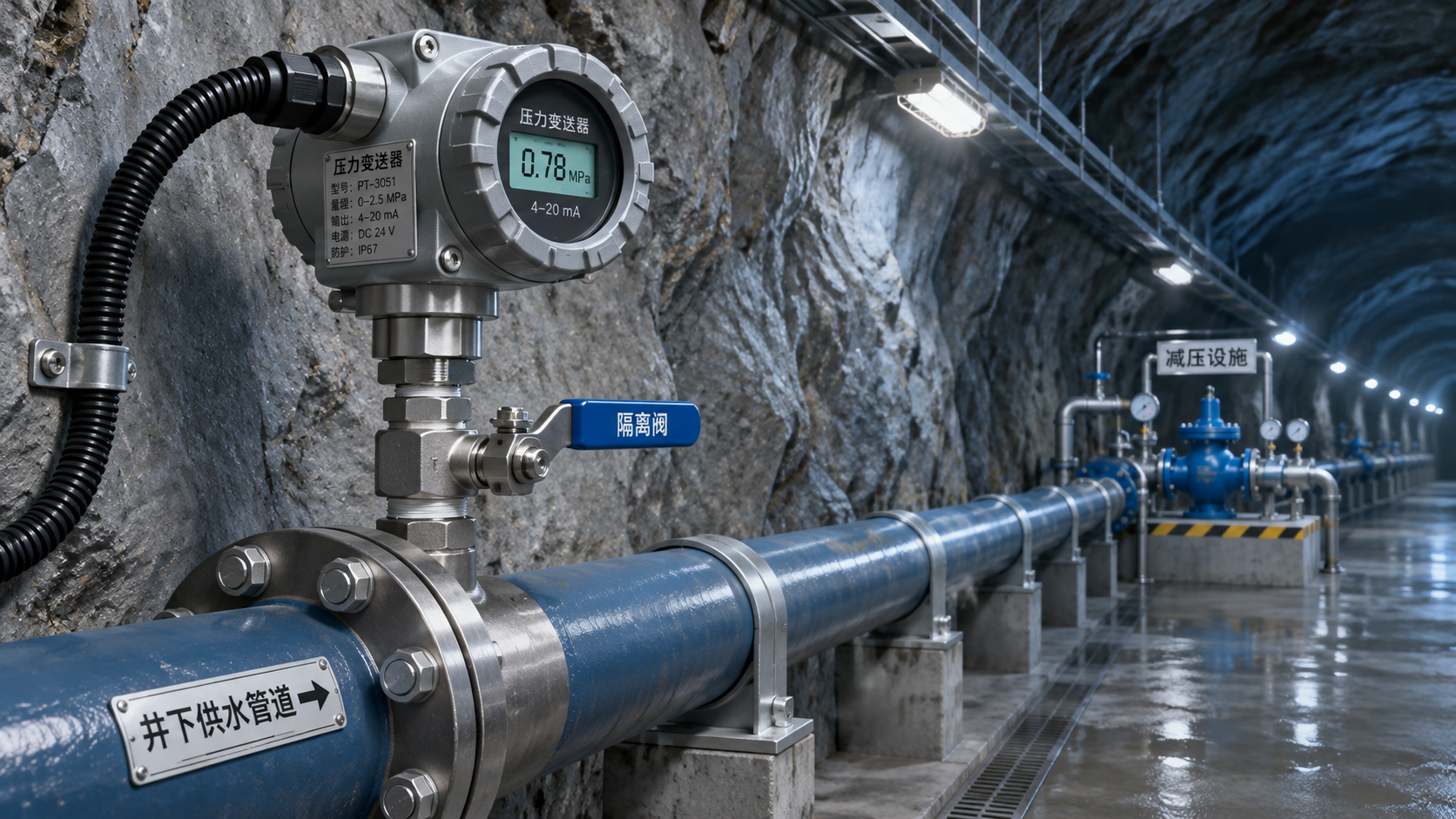
 How to Select the Range and Installation Location of a Mine Pressure Transmitter for Underground Water Supply Monitoring