


News Center
—— NEWS CENTER ——
Xi'an Shenghongchuang Instrument Co., Ltd.
Contact: Mr. Zhang
Mobile: 15529283736
Email: shc-sensor@qq.com
Address: Fortune Building, Sanqiao Street, Xixian New Area, Xi'an, Shaanxi Province
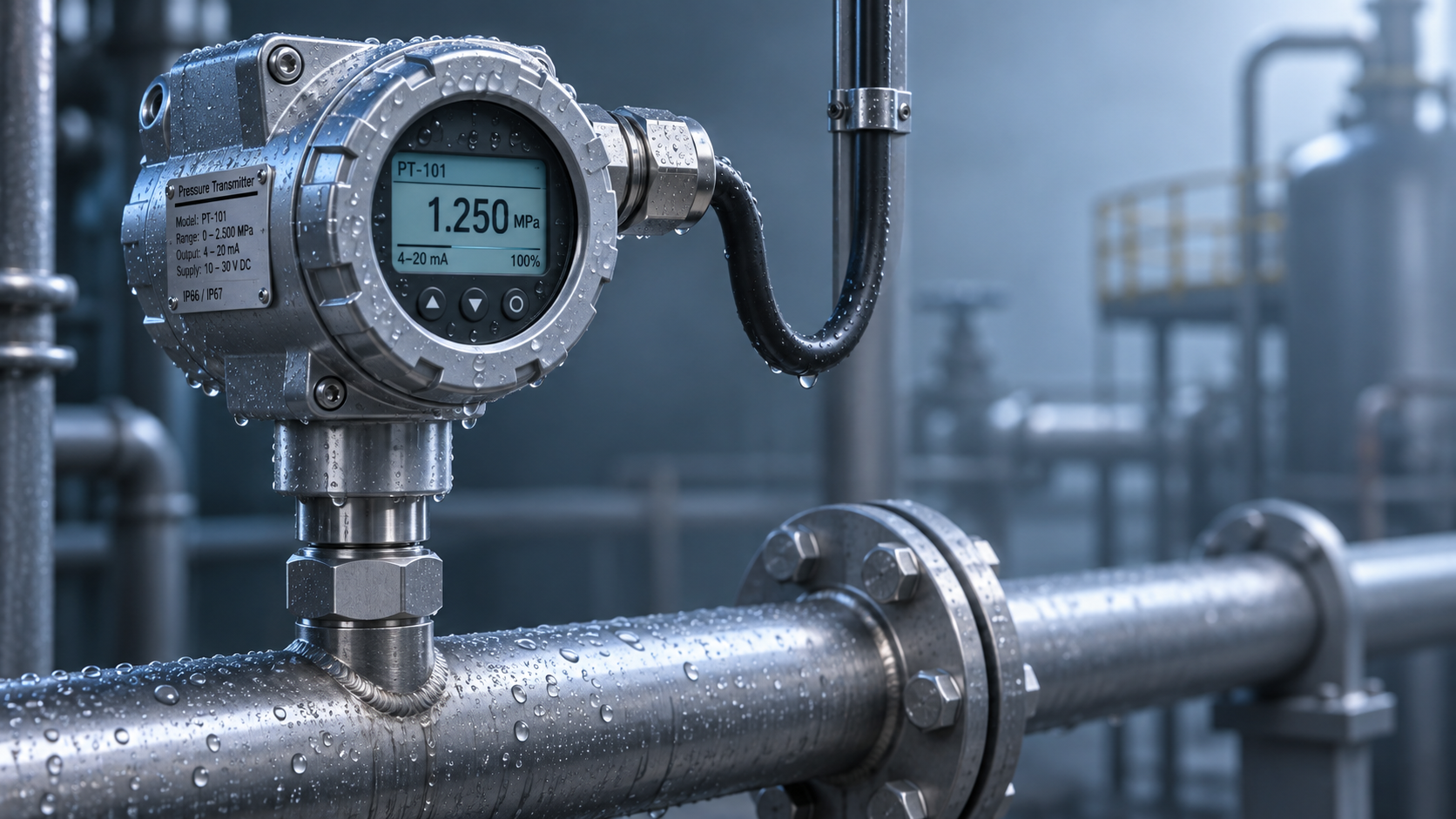
In humid environments, the reliability of a sealed pressure transmitter depends not only on the enclosure’s ingress protection rating, but also on the process seal, media compatibility, and installation conditions. When selecting a transmitter, consider rainwater, condensation, washdown water, and process media separately. Do not determine whether equipment is suitable for long-term use based solely on the term “sealed” or a single protection rating.
1. Distinguish Between Enclosure Protection and Process Sealing
What Each Type of Sealing Is Designed to Do
Enclosure protection is primarily intended to guard against dust and water in the surrounding environment. It applies to areas such as the terminal compartment, display cover, cable entry, and enclosure joints. Process sealing isolates the process medium. It focuses on the pressure connection, isolation diaphragm, flange, and seals to prevent media leakage and maintain the integrity of the measurement boundary.
The two are not interchangeable. A highly water-resistant enclosure does not mean that the wetted seals are suitable for acidic or alkaline media. Likewise, a leak-free process connection does not prove that moisture cannot enter through the cable entry if water accumulates there. Moisture entering the terminal compartment may reduce insulation resistance, corrode terminals, and cause signal anomalies.
For assessment, consider the instrument itself, connection accessories, cable, and field installation as a complete system. Any unsealed opening, damaged sealing ring, or mismatched fitting can become a weak point.
2. Check Enclosure Protection Against Actual Exposure Conditions
Protection Ratings Must Be Considered Alongside Installation Conditions
An IP rating describes an enclosure’s protection against the ingress of solid objects and water, but the rating applies to a specific product, configuration, and set of test conditions. For example, in IP67, “6” indicates dust-tight protection, while “7” indicates protection against temporary immersion under specified conditions. This does not mean the enclosure is suitable for continuous immersion, nor does it directly indicate resistance to high-pressure hot-water washdown.
The protection requirements differ for exposure to outdoor rain, periodic washdown near equipment, and possible water accumulation in a pit. When purchasing, request the IP rating for the complete instrument and its applicable conditions. Confirm that the cable glands, plugs, and display cover still meet the requirements after installation.
Relative Humidity Is Not an Ingress Protection Rating
A stated relative humidity range only specifies the humidity conditions in which a product is suitable; it does not indicate its IP rating. With large day-to-night temperature fluctuations, condensation may form on the enclosure surface or inside it even when there is no direct water spray. Assess temperature cycling and on-site ventilation conditions in accordance with the manufacturer’s instructions.
During installation, position the cable entry away from the direction of water flow and form a drip loop before the cable enters the gland. The gland’s clamping range must match the cable’s outer diameter. Do not block the vent used for gauge-pressure measurement. Follow the manufacturer’s instructions for moisture protection.
3. Assess Process Sealing Based on the Medium and Pressure
Verify Each Wetted Material
Process sealing involves more than the enclosure material; it also includes the diaphragm, flange, fittings, and elastomeric seals. Materials such as 316 stainless steel, Hastelloy C, and Monel have different areas of applicability. Corrosion resistance cannot be determined from the material name alone. Check the actual wetted-part configuration against the medium’s composition, concentration, temperature, and impurities.
Fluoroelastomer, nitrile rubber, and ethylene-propylene rubber also differ in their resistance to process media. For oily, solvent-containing, or oxidizing media, select materials using compatibility data and the manufacturer’s recommendations. Also consider the effects of cleaning agents, disinfectants, and temperature changes on the seals.
Pressure conditions should account for normal operating pressure, startup and shutdown fluctuations, possible pulsation, and the maximum allowable working pressure. The overpressure limit generally describes the instrument’s ability to withstand pressure under specified conditions; it should not be treated as the long-term operating pressure or the rated pressure of the entire piping system.
4. Verify the Applicable Range for the Product Configuration
Do Not Treat Series Specifications as Specifications for an Individual Unit
For applications in industries such as power generation, metallurgy, and petrochemicals, refer to the NS-1151GP Domestic Capacitive Pressure Transmitter, Absolute Pressure Sensor, and Differential Pressure Transmitter to review pressure types and connection options. The series documentation lists specifications for pressure, differential pressure, absolute pressure, remote-seal, and level measurement. When ordering, specify the measurement type required; do not assume that a single unit has all these functions based solely on the product title.
The measurement ranges listed in the documentation cover various spans from 0–0.2 kPa to 0–10 MPa. The output is two-wire 4–20 mA with an overlaid HART digital signal. Select the range based on the actual pressure and its fluctuations. For low-range measurements, also consider how the installation position, impulse tubing, and static pressure may affect accuracy.
The medium temperature range listed in the documentation is -40 to 100°C, the overall instrument operating temperature range is -40 to 85°C, and the relative humidity range is 0–100%. These figures do not replace confirmation of the protection rating, wetted materials, and sealing structure for the specific configuration. Before using the instrument in humid or washdown areas, request the technical documentation for the exact model from the supplier.
5. Maintain Sealing Performance Through Installation and Maintenance
From Installation Acceptance to Periodic Inspection
Before installation, verify the thread or flange specifications of the connection, and inspect the diaphragm, sealing surfaces, and seals for damage. Install the instrument using the specified sealing method and tightening requirements. Do not introduce an unsuitable sealing material into the process passage, or rotate the enclosure in place of tightening the connection as specified.
Before commissioning, and in accordance with applicable site safety procedures, check the process connections for leaks. Also confirm that the terminal compartment is dry, the cover is closed, and the cable gland is tightened. In hazardous areas, verify the validity of the specific product’s explosion-proof certificate, markings, and associated installation requirements.
During operation, schedule inspections based on cleaning frequency and the degree of corrosion. Pay particular attention to leaks at connections, enclosure corrosion, aging cable jackets, moisture at terminal blocks, and zero-point drift. After replacing seals, recheck the sealing and measurement status in accordance with site procedures.
Before selecting a product, we recommend compiling the medium name and concentration, operating and peak pressures, medium and ambient temperatures, cleaning method, installation location, and connection specifications. Submit this information to the technical staff at Xi'an Shenghongchuang Instrument Co., Ltd. for verification, and request the protection rating, wetted materials, and installation requirements for the selected configuration to determine a sealing solution suitable for the site.
Related Recommendations
 How to assess enclosure protection and process sealing for sealed pressure transmitters in humid environments
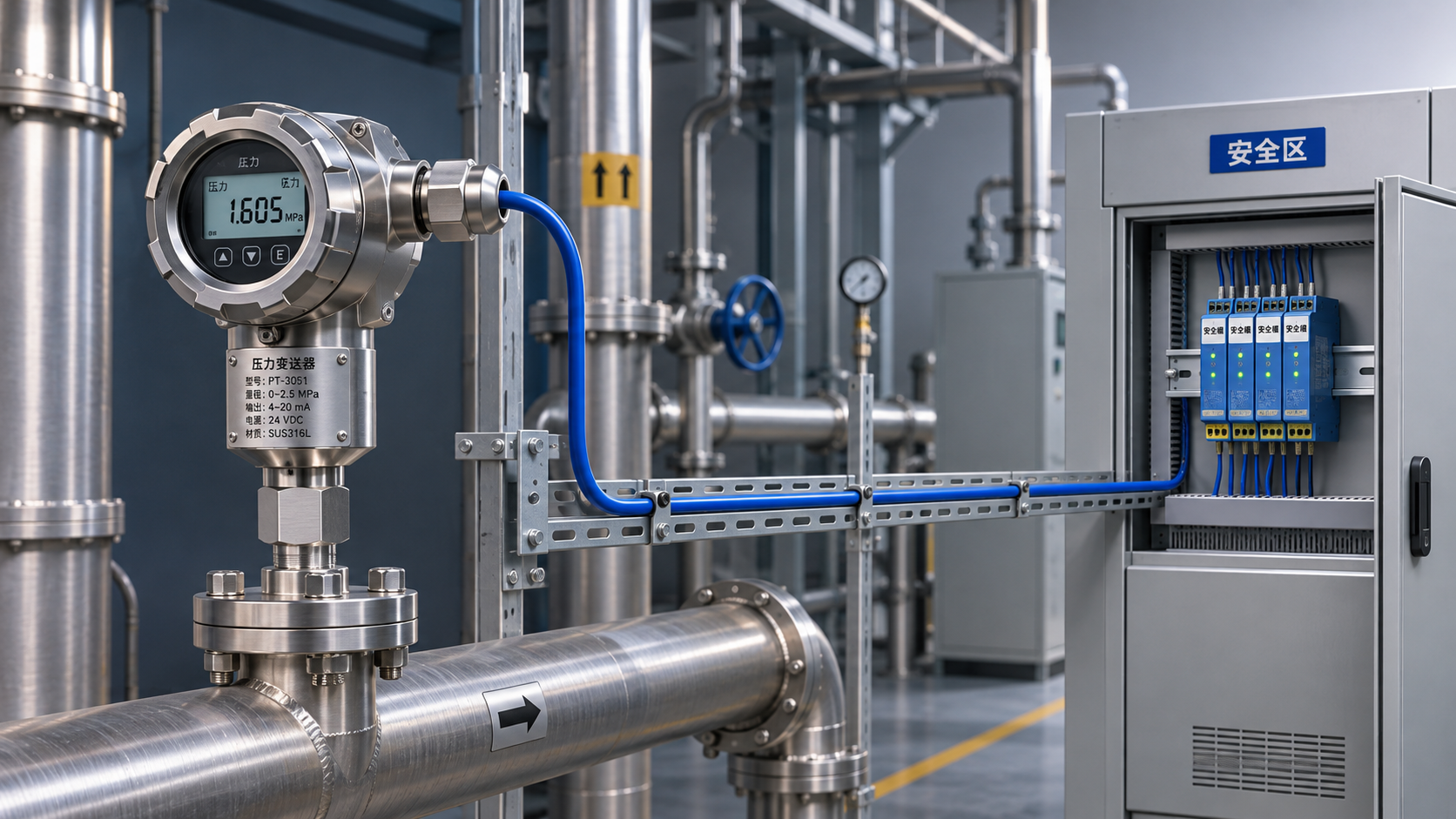
 How to Select an Intrinsically Safe Pressure Transmitter: Matching Explosion-Proof Markings and Safety Barrier Parameters
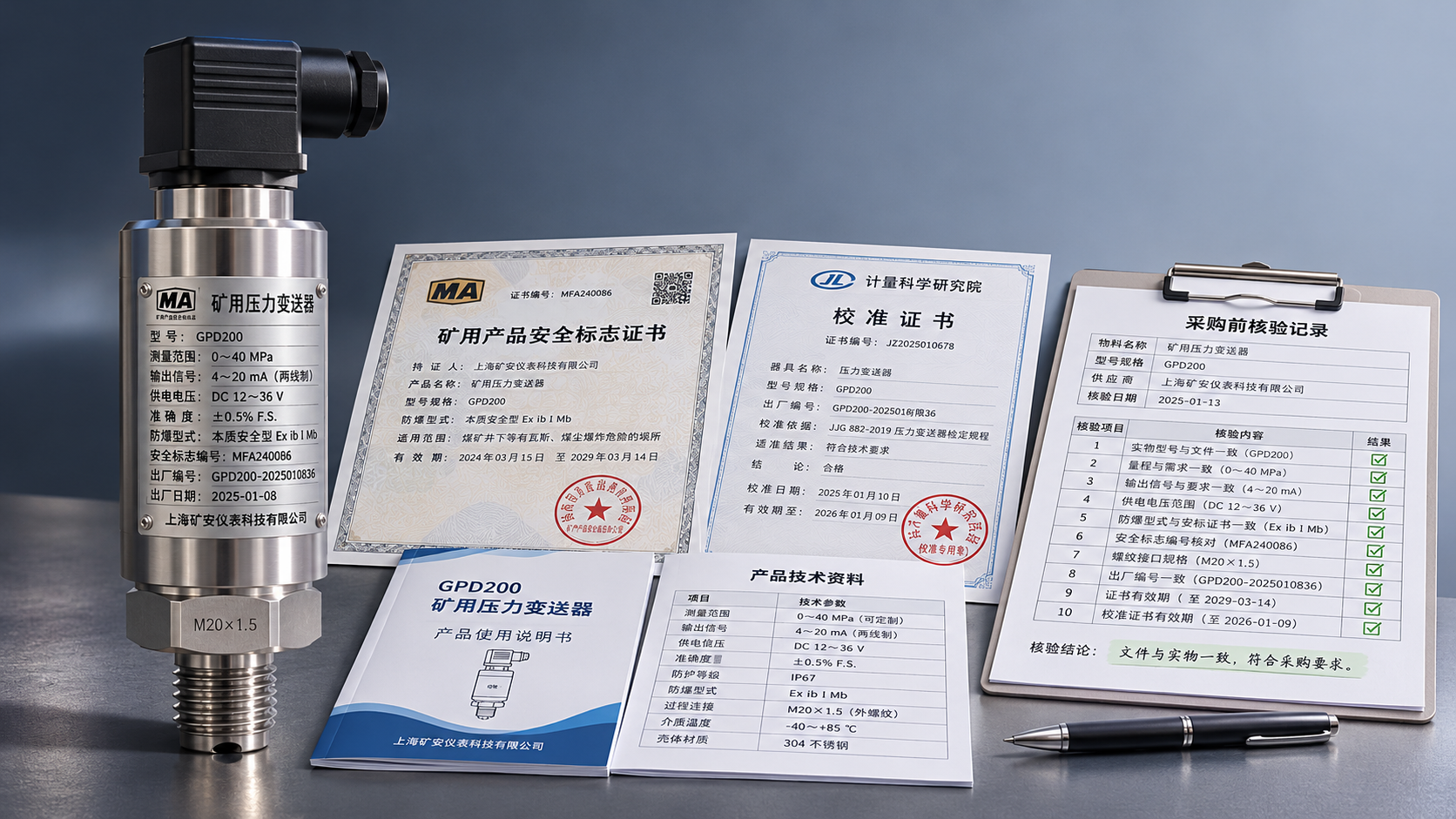
 How to Verify a Mining Product Safety Mark Certificate Before Purchasing a Mining Pressure Transmitter
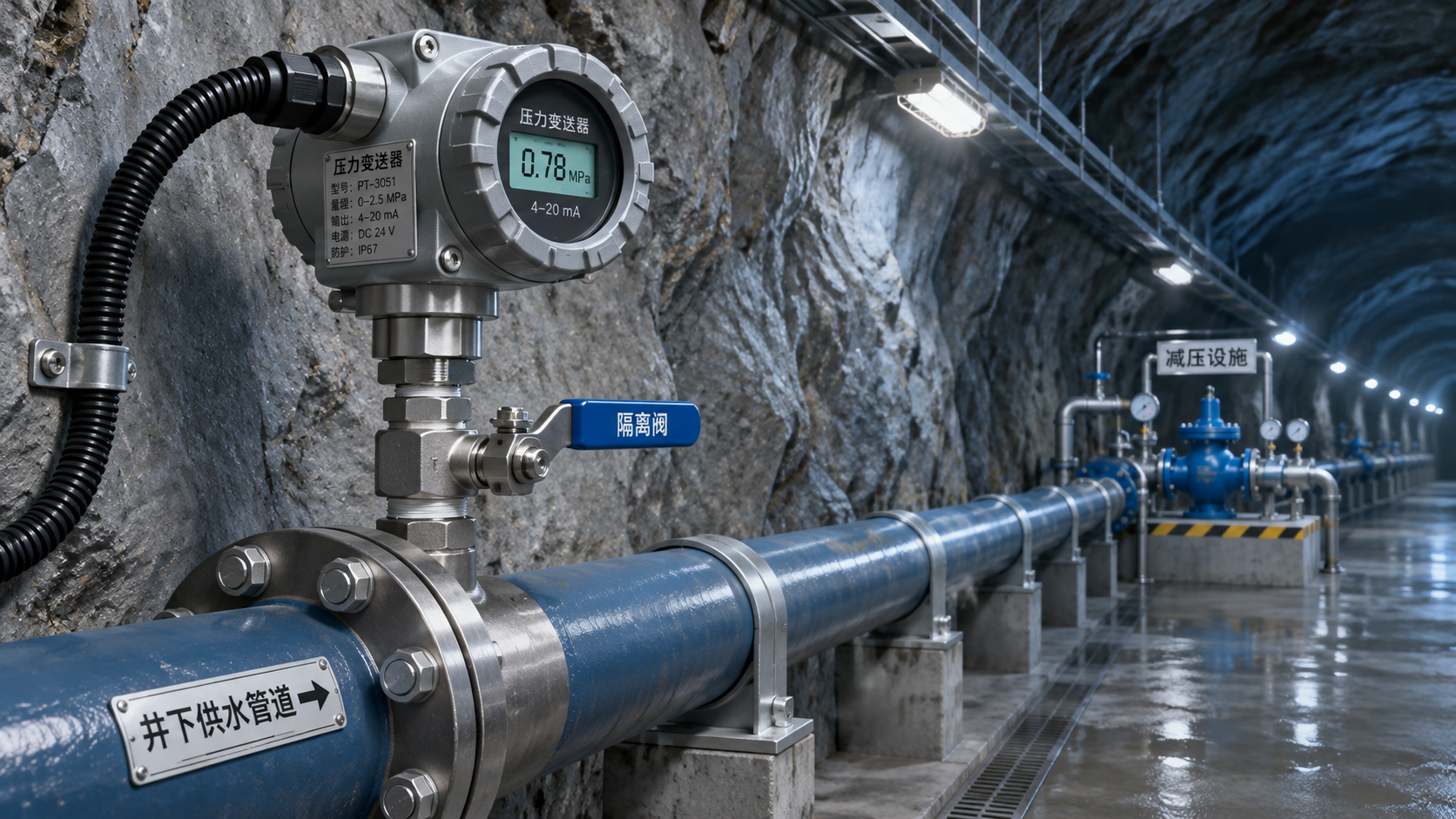
 How to Select the Range and Installation Location of a Mine Pressure Transmitter for Underground Water Supply Monitoring