


News Center
—— NEWS CENTER ——
Xi'an Shenghongchuang Instrument Co., Ltd.
Contact: Mr. Zhang
Mobile: 15529283736
Email: shc-sensor@qq.com
Address: Fortune Building, Sanqiao Street, Xixian New Area, Xi'an, Shaanxi Province
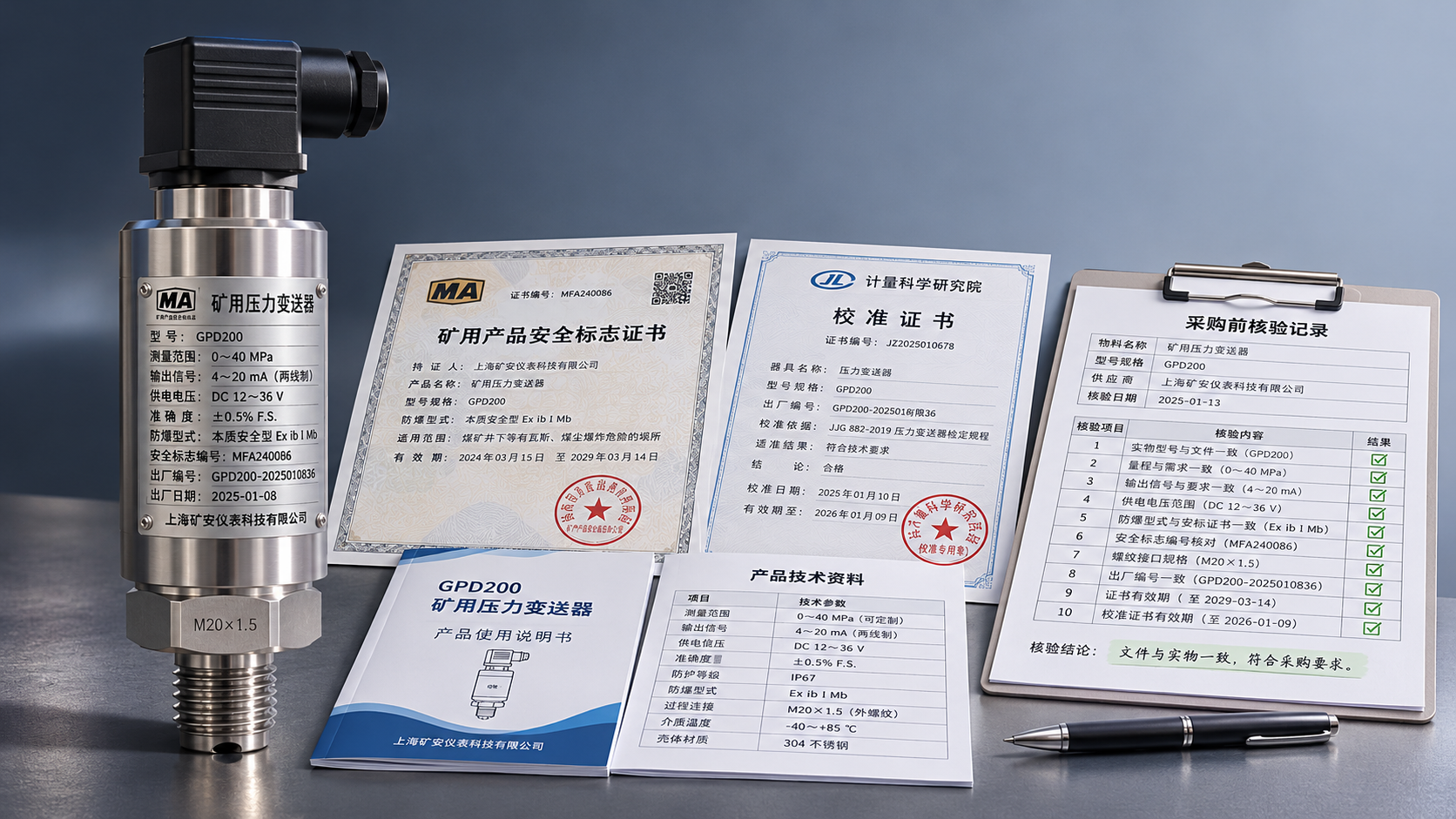
When purchasing a coal-mine-safety pressure transmitter, certificate photos and product brochures should be treated only as preliminary information. Buyers should also verify the certificate status, product model, manufacturer, and explosion-protection parameters, then compare the search results item by item with the actual product nameplate and delivery documents to avoid situations where a certificate is genuine but does not cover the product supplied.
I. First Confirm Whether the Product Requires a Mining Product Safety Mark
Determine This Based on the Place and Purpose of Use
Coal-mine-safety pressure transmitters are generally used to monitor pressure in coal mines. However, use in a mine does not in itself mean that the product has obtained a Mining Product Safety Mark for Coal Mines. Before purchasing, clarify whether the equipment will be installed underground or on the surface, whether it will be used in an area with an explosion hazard, and what specifically it will monitor.
For products included in the catalogue of products subject to Mining Product Safety Mark management and intended for use at applicable mining sites, verify the safety-mark requirements in accordance with the current catalogue and applicable regulations. Do not rely solely on a supplier’s verbal claims or substitute a general industrial product certificate of conformity for verification.
Also distinguish between the Mining Product Safety Mark for Coal Mines and the Mining Product Safety Mark for Metal and Non-metal Mines. The two marks cover different management scopes and use scenarios. Procurement documents should clearly specify the type of mine and the intended place of use.
Check the Certificate, Mark, and Nameplate Separately
A Mining Product Safety Mark certificate demonstrates that a specific product has obtained the relevant safety mark. The safety mark and nameplate on the product are important references for verifying the delivered item. The certificate, mark, nameplate, and delivery documents should all correspond to the same product.
An explosion-proof certificate, a factory certificate of conformity, and inspection or calibration documents each serve different purposes and cannot simply replace one another. In particular, when selecting underground electrical equipment, in addition to verifying the coal-mine safety mark, check the explosion-protection requirements against the actual operating environment.
At the quotation stage, buyers can ask the supplier to provide certificate details, the complete model, and a sample nameplate. Complete verification before signing the contract to avoid discovering after delivery that the model or scope of application does not match.
II. Verify the Certificate Through Official Channels
Prepare the Search Details and Verify the Status
First, request a clear copy of the Mining Product Safety Mark certificate from the supplier. Record the safety mark number, product name, model and specifications, certificate holder or manufacturer, and validity period. If the certificate has appendices or has been amended, request those as well.
Then search through the official channels of the National Mine Product Safety Mark Center, using the safety mark number or other available search criteria. When accessing the website, verify that it is an official site; avoid submitting company information or judging a certificate’s authenticity through unknown links.
When checking the results, pay attention to the certificate’s current status, not just its expiry date. If no results are found, information does not match, or an abnormal status such as suspension or revocation is displayed, make further inquiries with the issuing body or supplier. Do not consider the product compliant until the matter has been confirmed.
Key Fields to Compare
Compare the search results item by item with the original or a clear copy of the certificate, especially the safety mark number, product name, model and specifications, and the names of the relevant organizations. Correct information associated with a certificate number does not mean that every product sold by the supplier is covered by that certificate.
The certificate must remain valid through the procurement acceptance date. Also consider the delivery schedule and monitor any subsequent changes. If the certificate is nearing expiry, ask the supplier about the renewal process. Its continued validity should be determined based on the official search and confirmation from the issuing body.
Keep a record of the search date, search results, and materials provided by the supplier. For key projects, consider rechecking once before signing and once during delivery acceptance, and record the resolution of any discrepancies in the procurement file.
III. Confirm That the Model Matches the Actual Configuration
Do Not Check Only the First Few Characters of the Model
Pressure transmitters may have the same base model but different suffixes. During procurement, verify the complete model and the range of specifications listed in the certificate and its appendices. Do not assume that different versions are all certified just because they share the same prefix.
The range, output signal, power supply, pressure connection, and electrical connection type must also comply with the technical agreement and the configurations permitted by the certified documents. For example, even if two products both have a 0–10 MPa range, confirm that the corresponding configuration is applicable if their power supply or wiring differs.
For custom products, the buyer should inform the supplier in advance of any intended changes to the structure, connections, or electrical parameters, and confirm whether the changes remain within the scope of the certification. Do not assume that a modified product still meets the requirements of the original certificate simply because the supplier says it can be customized.
Check Supporting Equipment Against Explosion-Protection Parameters
If the product uses an intrinsically safe explosion-protection design, check the explosion-protection marking, applicable environment, and relevant electrical parameters. Confirm that associated equipment, the power supply, and transmission lines meet the requirements for the complete system. Include the installation conditions specified in the explosion-proof certificate and manual in the design and acceptance criteria.
The pressure connection’s pressure resistance, compatibility with the measured medium, and operating temperature also affect operational safety. During selection, consider the normal pressure, possible pressure fluctuations, and site temperature. Do not select the range based only on typical readings.
Requirements for ingress protection, cable length, and site grounding should also be specified in the technical agreement. For measurement points requiring metrological traceability, specify the required calibration or verification documents and acceptance criteria.
Common Mismatches
If the product name on the certificate is “pressure transmitter” but the nameplate model on the delivered product is different, do not accept it based solely on its similar appearance. First determine whether a corresponding certificate or valid amendment document exists.
A difference between the seller’s name and the manufacturer listed on the certificate does not automatically indicate a problem with the certificate. Further verify whether the authorization or supply relationship, product origin, serial number, and related documents corroborate one another.
If the supplier provides only an explosion-proof certificate, a general certificate of conformity, or a coal-mine safety certificate for a different product, and cannot provide Mining Product Safety Mark information corresponding to the model being purchased, defer confirmation that the product meets coal-mine-safety procurement requirements.
IV. Incorporate Verification Results into the Contract and Acceptance Process
Specify Delivery Conditions in the Procurement Documents
The contract or technical agreement should specify the product name, complete model, range, output signal, quantity, and safety-mark requirements. It should also require the supplier to deliver the relevant certificate documents, product certificate of conformity, manual, and necessary test documents.
Specify how to handle changes in certificate status, model discrepancies, or documents that cannot be verified, including the provision of supplementary evidence, product replacement, or resolution under the contract terms. For on-site installation, also specify the supporting equipment and installation conditions.
Upon delivery, check the nameplate, safety mark, model, and serial number of each unit, and compare them with the contract and certificate information. For bulk purchases, maintain an acceptance log with one record per unit to facilitate future maintenance and traceability.
Distinguish Pressure Measurement from Weighing and Force Measurement
In mining equipment procurement, pressure transmitters and load cells perform different measurement tasks. The former are generally used for pressure measurement, while the latter measure force or weight. They are not interchangeable simply because both are sensors.
For example, Chinese-Made CZL-2C High-Profile Parallel Beam Tension Load Cell is suitable for force measurement and control in applications such as batching scales and crane scales. It is available in capacities from 5 kg to 20 t and can withstand tension or compression. The specific selection should still be confirmed against the actual load and installation structure.
The above load-cell product information does not indicate that it has coal-mine-safety or explosion-protection certification. If it is intended for a mining site requiring the relevant safety mark, its complete model, certificate status, and scope of application must likewise be verified separately.
Xi’an Shenghongchuang Instrumentation Co., Ltd. provides sales and technical services for sensors, transmitters, and supporting instruments. Before purchasing, compile the place of use, measured medium, range, and connection requirements, and request the certificate number and nameplate information for the intended model from the supplier. Confirm the order only after completing the official search and written verification.
Related Recommendations
 How to Verify a Mining Product Safety Mark Certificate Before Purchasing a Mining Pressure Transmitter
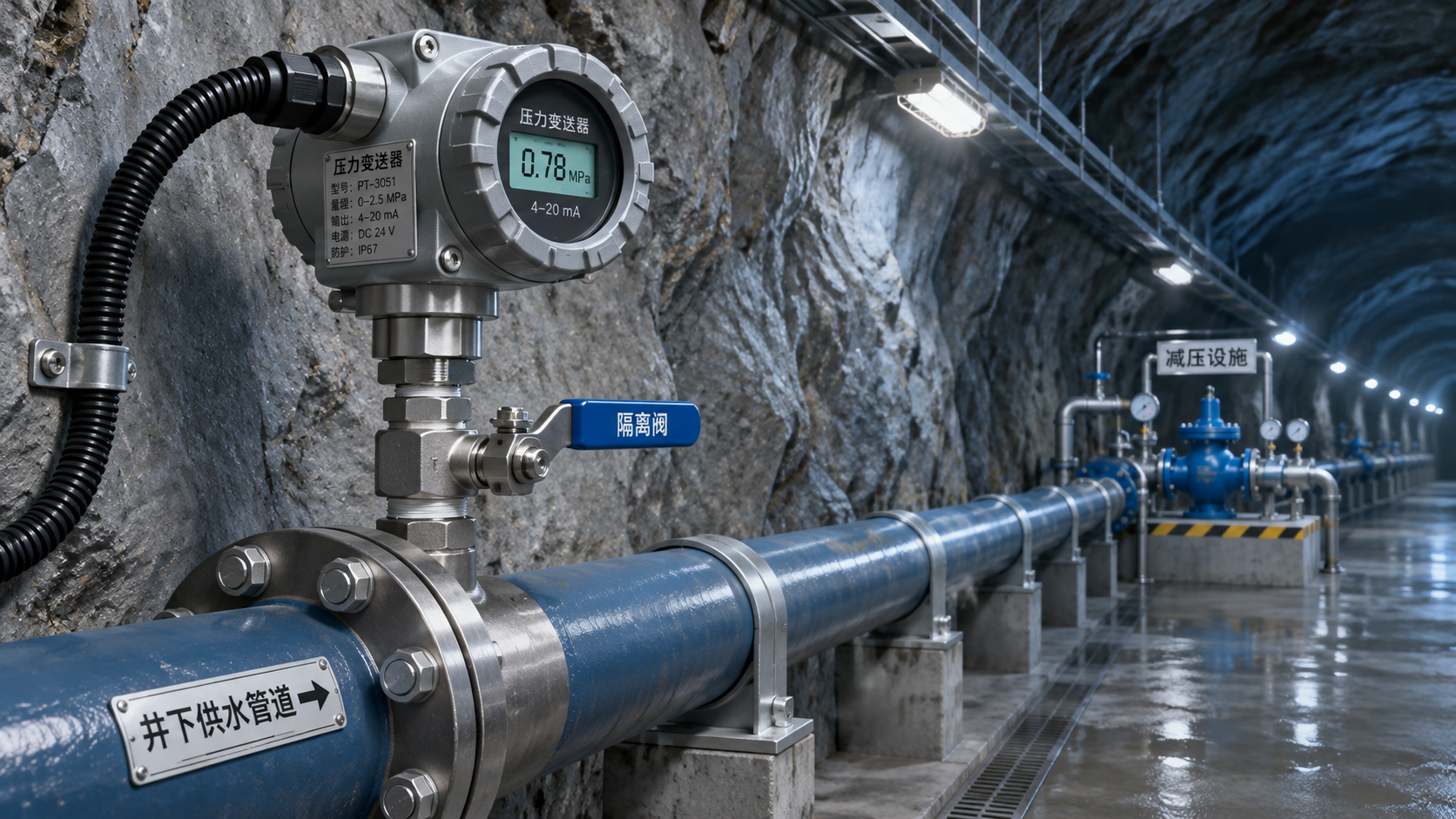
 How to Select the Range and Installation Location of a Mine Pressure Transmitter for Underground Water Supply Monitoring
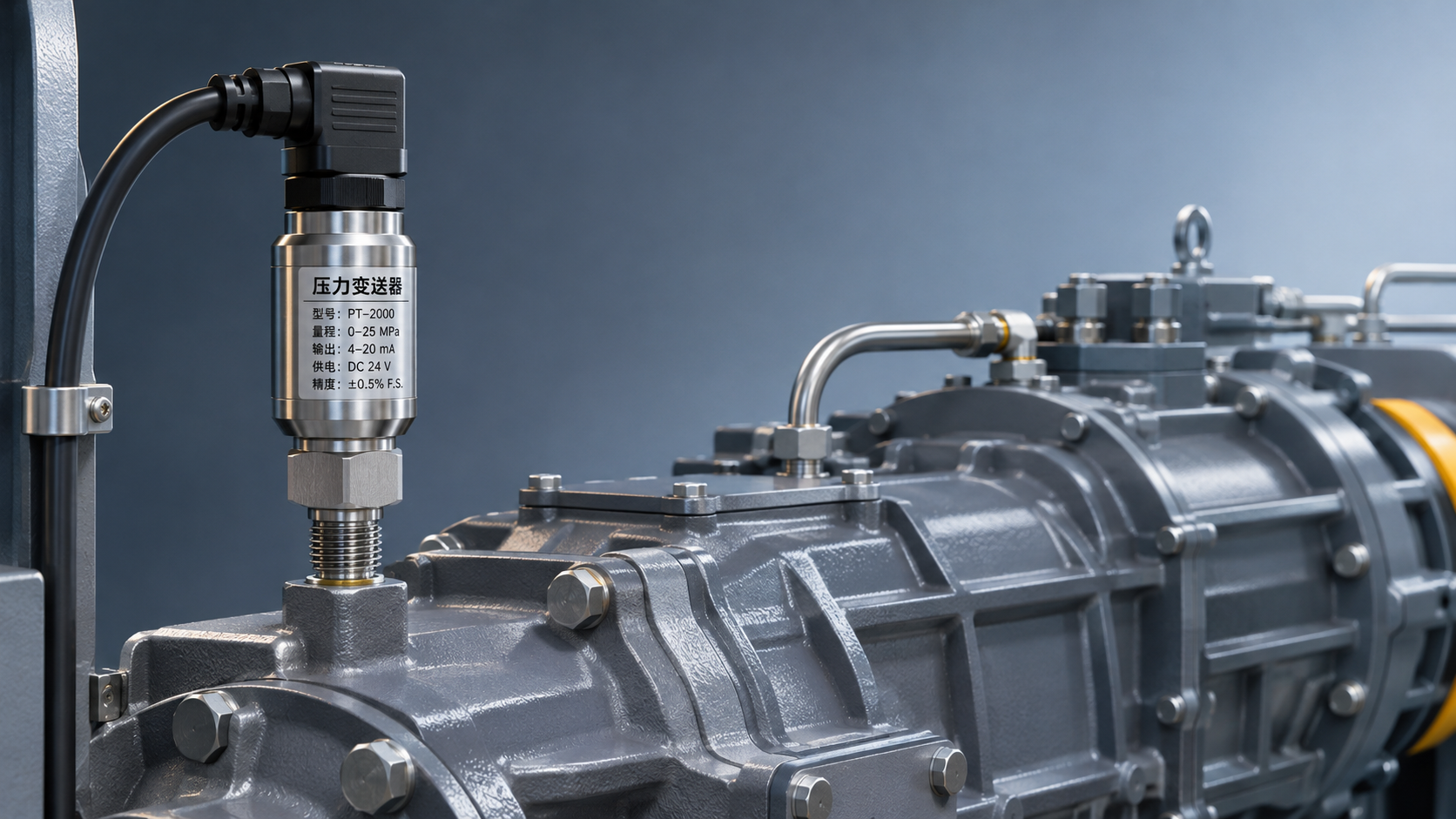
 Where Are Transmission Pressure Transmitters Used? Understanding Their Role in Transmission Oil Pressure Monitoring
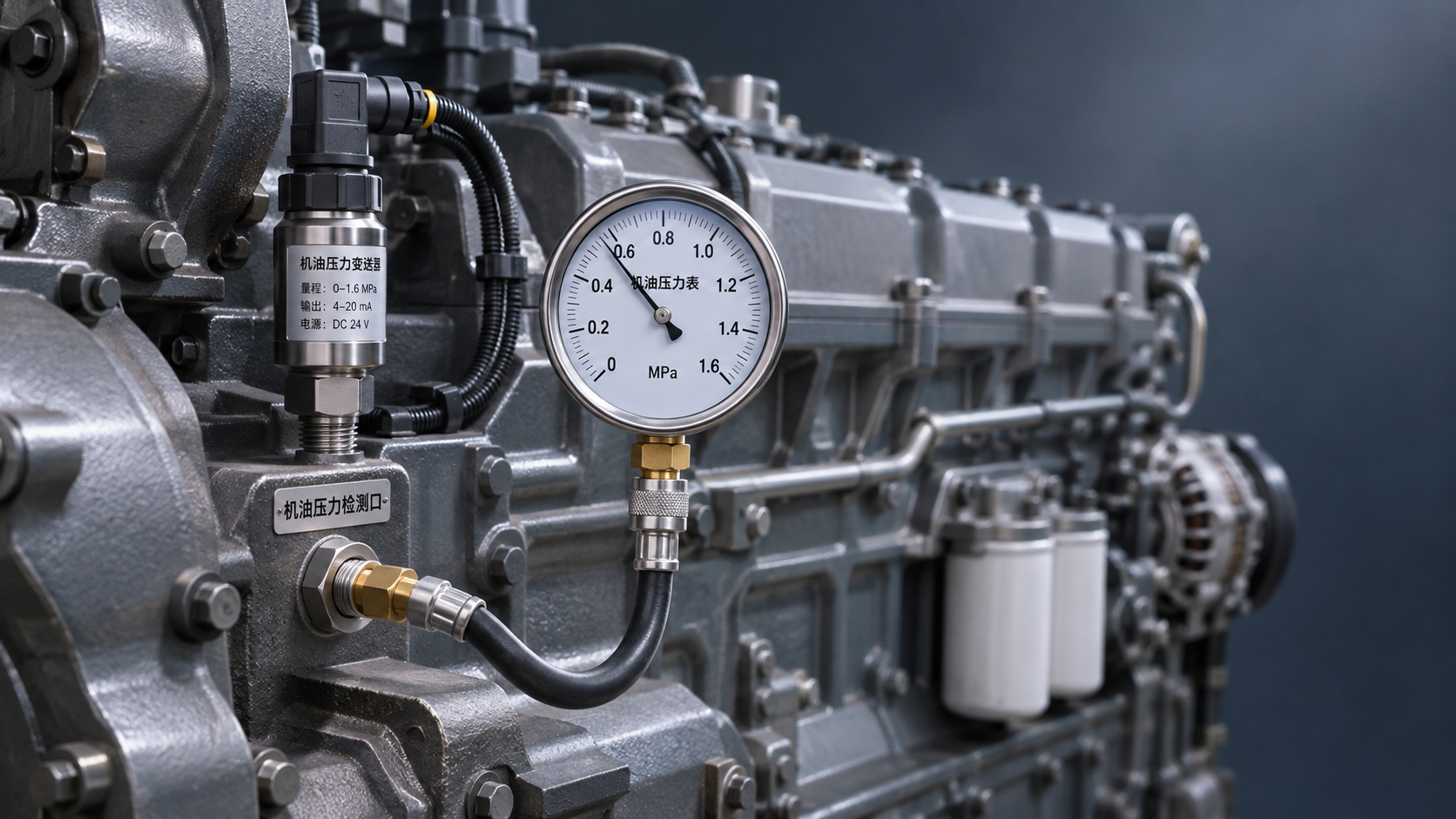
 Abnormal Engine Oil Pressure Transmitter Readings: How to Troubleshoot the Oil Circuit and Wiring