News Center
—— NEWS CENTER ——
Xi'an Shenghongchuang Instrument Co., Ltd.
Contact: Mr. Zhang
Mobile: 15529283736
Email: shc-sensor@qq.com
Address: Fortune Building, Sanqiao Street, Xixian New Area, Xi'an, Shaanxi Province
Shaanxi Smart Flowmeters: Driving Factory Management from “Experience-Based Judgment” to “Data-Driven Decision-Making”
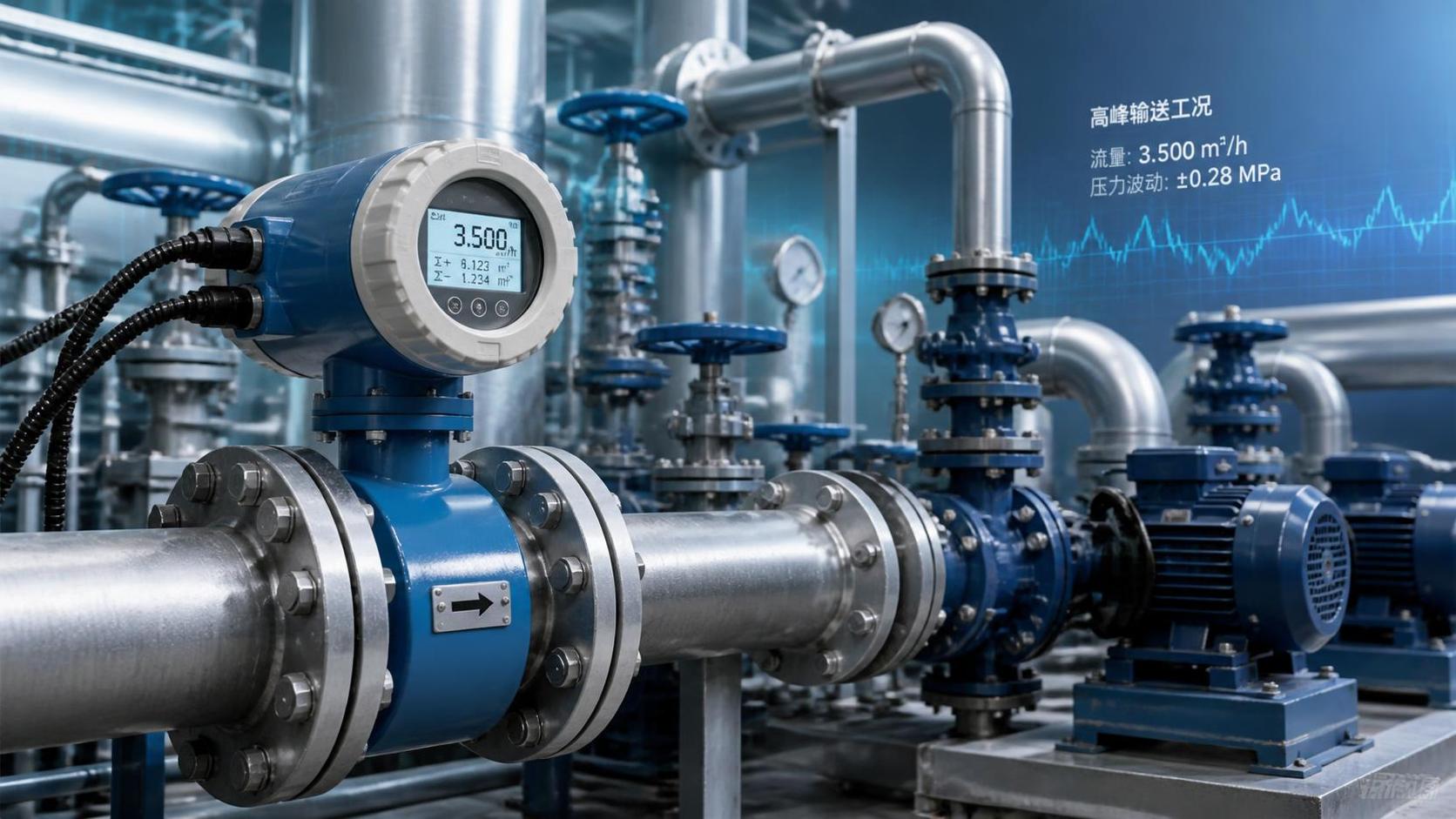
Against the backdrop of mounting pressure to reduce costs, improve efficiency, and advance digital upgrades, flow data is no longer merely a figure in production reports. It is an important basis affecting energy consumption, raw material balance, process stability, equipment maintenance, and cost accounting. For industries such as chemical energy, machinery manufacturing, metallurgy and building materials, environmental monitoring, and automated production lines, Shaanxi smart flowmeters are becoming an important tool for factories to achieve accurate metering, real-time monitoring, and refined management.
Traditional flow management often relies on manual inspections, on-site meter readings, and periodic summaries. Data acquisition is delayed, abnormalities are not detected promptly, and it is difficult to accurately determine the actual consumption of a specific process section, piece of equipment, or pipeline. Through continuous on-site acquisition and signal output, smart flowmeters can incorporate parameters such as instantaneous flow, totalized flow, temperature, and pressure into the control system, providing managers with more timely and reliable production information.
Relying on the production and R&D capabilities of its subsidiary, Shaanxi Qinkong Sensor Technology Co., Ltd., Xi'an Shenghongchuang Instrumentation Co., Ltd. provides flowmeters, supporting transmitters, intelligent digital display control instruments, and other products for industrial automation measurement and control applications. Combined with standardized products and non-standard customization services, these products can adapt to conventional operating conditions as well as complex industrial sites involving high temperatures, high pressures, and strong interference, helping enterprises gradually establish a traceable, analyzable, and optimizable flow management system.
Accurate Metering Makes Raw Materials, Energy, and Cost Accounting Clearer
Reducing Management Blind Spots Caused by Discrepancies Between Records and Actual Usage
The flow of raw material liquids, compressed air, steam, circulating water, natural gas, and various process media is directly linked to output, energy consumption, and manufacturing costs. If metering devices lack sufficient accuracy, have poor stability, or are not effectively calibrated, enterprises may find it difficult to reconcile issued quantities, actual consumption, and product output, thereby affecting the accuracy of cost analysis.
Smart flowmeters can continuously measure instantaneous and totalized flow and connect to PLCs, DCSs, host computers, or intelligent instruments through standard signals. Managers can review media usage trends by shift, day, week, or month and allocate data to specific workshops, production lines, and processes, reducing reliance on estimates in place of measurement.
For example, if the theoretical daily circulating water consumption of a production line is 120 cubic meters, while actual statistics remain between 145 and 160 cubic meters over the long term, further inspection should be conducted for pipeline leakage, internal valve leakage, equipment idling, or process parameter settings. Compared with discovering excessive total consumption only at the end of the month, real-time data enables problems to be located on the same day or even during the same shift.
Typical Management Items Supported by Flow Data
Real-Time Monitoring Enhances Production Process Stability
Shifting from Post-Event Handling to Process Warning
In continuous production, flow abnormalities are often early signs of process fluctuations. A sudden decrease in flow may be related to filter blockage, reduced pump efficiency, abnormal valve opening, or pipeline blockage; an abnormal increase in flow may indicate valve malfunction, bypass leakage, pressure changes, or deviations in operating parameters. If relying solely on manual inspections, abnormalities are often difficult to detect promptly.
After Shaanxi smart flowmeters are connected to an automated control system, upper and lower flow limits and fluctuation ranges can be set according to process requirements. When data exceeds the preset threshold, the system can trigger audible and visual alarms, interlock control, or remote alerts, enabling operators to investigate causes as early as possible and preventing abnormalities from further affecting product quality and equipment operation.
For applications requiring stable dosing, flow signals can also participate in closed-loop control. The system automatically adjusts valves or variable-frequency equipment according to set values, bringing media supply closer to the target range. Taking a liquid blending process as an example, when the target flow is 50 cubic meters per hour, the control system can continuously correct the actuator status based on real-time feedback, reducing fluctuations caused by repeated manual adjustments.
Key Flow Measurement Considerations for Different Sites
Sub-Metering Helps Factories Identify Real Energy-Saving Opportunities
Assigning Energy Consumption Responsibility to Process Sections and Equipment
Many enterprises already have conditions for master-metering, but total consumption data alone cannot answer the question, “Where is energy consumption high?” When a plant consumes 8000 cubic meters of water and 500 tons of steam per month, targeted energy-saving upgrades are difficult to implement if consumption cannot be broken down by production workshop, auxiliary system, and key equipment.
By deploying smart flowmeters on key branch lines, major energy-consuming equipment, and critical process nodes, enterprises can establish a hierarchical metering structure of “master meter + sub-meter + equipment point.” The master meter is used to calculate overall consumption, sub-meters are used to compare differences among workshops and process sections, and equipment points are used to observe the operating efficiency and no-load consumption of individual equipment.
Sub-metering can also identify abnormal base loads during non-production periods. For example, if compressed air flow in an area remains above 30% of the level during normal production after production has stopped, there may be leakage or air-consuming equipment that has not been shut down. Through continuous data comparison, maintenance work can gradually shift from reactive repairs to evidence-based preventive handling.
Equipment Maintenance Is Better Supported, Reducing the Risk of Unexpected Downtime
Identifying Equipment Health Through Trend Changes
Flow is not an isolated parameter; it is closely related to the operating condition of pumps, valves, filters, pipelines, and heat exchange equipment. A continuous decline in flow at the same rotational speed may indicate pump impeller wear, inlet blockage, or increased pipeline resistance; frequent large flow fluctuations may reflect unstable pressure, abnormal valve operation, or unreasonable control parameters.
Analyzing historical flow curves in combination with equipment operating time, pressure data, and temperature data can provide a more reliable reference for maintenance planning. Compared with disassembly and inspection on a fixed cycle, arranging maintenance based on operating data can both prevent equipment from operating with faults and reduce unnecessary downtime and spare parts consumption.
Shaanxi Qinkong Sensor Technology Co., Ltd. has established a full-process quality control system for the R&D, production, and testing of industrial sensing and measurement-control products. For factory users, selecting flow measurement products with stable measurement accuracy, strong interference resistance, and suitability for on-site operating conditions is an important prerequisite for ensuring long-term data availability; initial purchasing cost should not be the sole consideration.
Smart Flowmeter Selection Should Be Based on Specific Operating Conditions
Parameter Matching Determines Subsequent Performance
Flowmeter selection should not be based solely on pipe diameter or price. It should also comprehensively consider media type, conductivity, viscosity, temperature, pressure, flow range, installation location, pipe material, on-site electromagnetic interference, and output communication requirements. Different process media and installation environments have different requirements for sensor structure, lining material, wetted material, and signal processing capability.
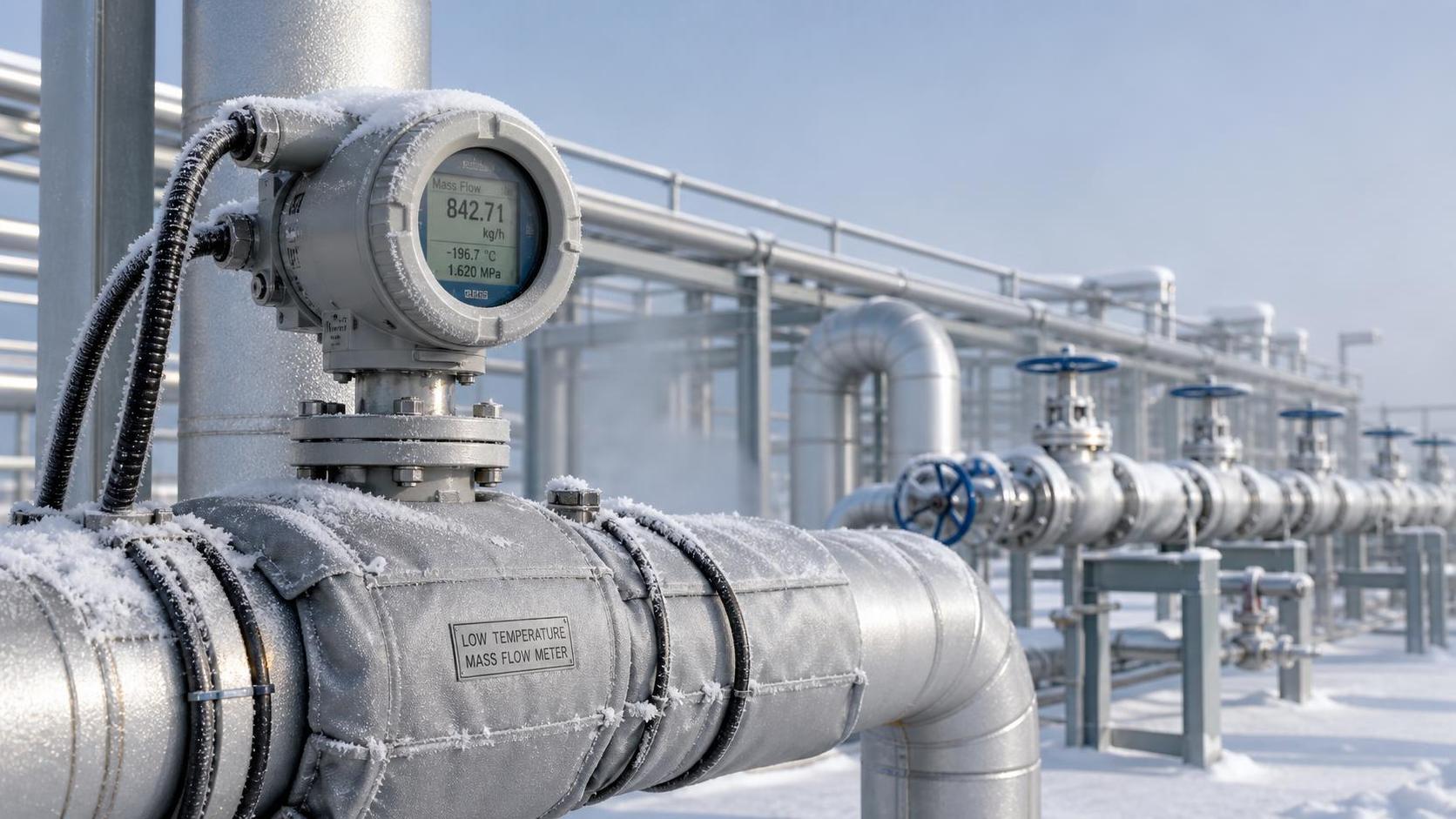
For applications with a wide flow variation range, particular attention should be paid to turndown ratio and low-flow measurement performance; for high-temperature and high-pressure environments, the instrument's temperature and pressure ratings and sealing reliability should be confirmed; for workshops with strong interference, shielding and grounding, signal stability, and anti-interference design require attention. Proper selection can reduce frequent subsequent adjustments, data drift, and maintenance difficulties.
At the same time, flowmeters need to remain compatible with existing control systems. Requirements for 4 to 20 mA analog signals, pulse outputs, RS485 communication, and other industrial communications should be clarified at the initial stage of the project. For enterprises planning remote monitoring, energy consumption platforms, or digital workshop development, it is advisable to reserve capacity for data access and expansion to avoid repeated upgrades.
Basic Information Recommended for Confirmation Before Selection
The media name, actual temperature, maximum working pressure, minimum and maximum flow, nominal pipe diameter, and the presence of impurities, bubbles, vibration, or corrosive components should be clarified. This information determines the flowmeter's measurement principle and material configuration and also affects the feasibility of the installation solution.
It is also necessary to verify whether the site has sufficient straight pipe runs and whether factors such as pump outlet disturbances, elbows, valves, or reducers are present. If installation conditions are unsuitable, even instruments with high accuracy may produce significant measurement deviations.
Factories can communicate their process requirements with suppliers capable of providing R&D, production, technical support, and customization services. Xi'an Shenghongchuang Instrumentation Co., Ltd. can assist users in reviewing operating parameters and selecting sensor measurement and control solutions better suited to the site, based on flow measurement, signal transmission, digital display control, and industrial automation support requirements.
Build a Solid Digital Foundation for Factories with Reliable Flow Data
The change brought by smart flowmeters is not simply replacing mechanical meters with electronic instruments; it makes the movement of raw materials, energy, and process media visible, measurable, and manageable. The more timely and accurate the data, the easier it is for production management to shift from experience-driven to data-driven operation.
For factories advancing energy conservation and consumption reduction, equipment upgrades, automation retrofits, or digital workshop construction, they can begin with pipelines and equipment with high consumption, critical processes, and frequent abnormalities. They can then gradually complete flow monitoring and data connection at key nodes before extending to plant-wide sub-metering and comprehensive analysis.
If Shaanxi smart flowmeters need to be configured for water, steam, gases, chemical liquids, circulating media, or special operating conditions, it is recommended to organize information in advance regarding on-site media, pipe diameter, temperature and pressure ranges, flow ranges, and signal requirements, and contact Xi'an Shenghongchuang Instrumentation Co., Ltd. for targeted product selection, technical support, and non-standard customization recommendations.
Related Recommendations