


News Center
—— NEWS CENTER ——
Xi'an Shenghongchuang Instrument Co., Ltd.
Contact: Mr. Zhang
Mobile: 15529283736
Email: shc-sensor@qq.com
Address: Fortune Building, Sanqiao Street, Xixian New Area, Xi'an, Shaanxi Province
Why Pressure Transmitters Are Prone to Damage During Export Transportation
Pressure transmitters are not inherently fragile, but their sensing elements, electrical terminals, display panels, threaded connections, and stainless steel pressure-introduction sections have specific requirements for transportation conditions. Export transportation typically involves multiple stages, including domestic consolidation, container loading, sea or air freight, customs clearance at the destination port, and final delivery. The transportation process may take more than 15 to 45 days, and the number of loading and unloading operations is significantly higher than for domestic short-distance transportation.
The actual risks mainly involve vibration and impact, moisture and heat ingress, cargo compression, and securing failure. Particularly in LCL sea freight, cargo inside the container is subject to continuous vibration as the vessel moves; if the outer carton is insufficiently strong, the pressure transmitter may suffer housing scratches, connector deformation, or display breakage, and in severe cases, zero stability and span accuracy may also be affected.
For products with signal outputs such as 4-20mA, RS485, and HART, moisture may also enter through wiring ports or packaging gaps, causing terminal oxidation and reduced insulation performance. Export packaging should not focus solely on whether the carton is strong; it must be controlled as a whole through product protection, internal cushioning, outer carton compression resistance, pallet securing, and moisture-proof markings.
Key Risks and Corresponding Measures for Export Packaging
Protect the Instrument First, Then Consider the Outer Shipping Carton
Each pressure transmitter is recommended to be initially packaged in an anti-static bag or sealed PE bag, with a protective cap fitted to the threaded connection. Display-type products should additionally be provided with a panel cushioning layer. For diffusion silicon pressure transmitters, ceramic pressure transmitters, and level transmitters with flange structures, metal parts should be prevented from directly colliding inside the carton.
Internal cushioning materials should be able to restrict product movement rather than merely fill empty spaces. Common solutions include molded EPE foam inserts, EVA foam, honeycomb cardboard, and blister trays. The lateral movement of a single instrument within the package should preferably be controlled within 5mm to prevent label detachment, housing wear, or connector loosening caused by friction during extended transportation.
For models with digital display heads, impulse tubes, remote flanges, or cables, inserts should be designed separately according to their structure. Wiring cables must not be sharply bent and compressed beneath the instrument, and flange faces should not directly bear pressure inside the carton. For non-standard customized products, sample drop tests and simulated stacking verification should preferably be completed before batch export.
Differences in Packaging Configurations for Different Transportation Methods
Sea Freight Focuses on Moisture Protection, While Air Freight Focuses on Impact Protection
Sea freight has a long transit period, and day-to-night temperature differences inside containers may cause condensation, making moisture protection the primary concern. In addition to individually sealing each unit for bulk orders, desiccants may be placed inside the outer cartons according to the cargo volume. Large cartons or palletized cargo are recommended to be wrapped with moisture-proof film. For shipments to coastal or high-humidity regions and during the rainy season, the carton burst strength and moisture resistance should be confirmed to prevent reduced compression resistance after the cartons absorb moisture.
Air freight usually takes 3 to 10 days. The risk of moisture and heat is relatively low, but frequent airport handling and fast cargo transfer cycles make impact risk more prominent. Small batches of high-value pressure transmitters may use a double-layer structure consisting of an individual color box and an outer carton, with corner protectors added to the four corners of the outer carton and standard markings such as “Fragile Instrument,” “This Side Up,” and “Keep Dry” displayed prominently on the carton.
For full-container shipments, pallet securing is equally important. Cartons on standard pallets should be stacked in an interlocking pattern, stretch film should cover at least 80% of the cargo height, and a top protective board should be added, supplemented with packing straps when necessary. Heavy-duty flange pressure transmitters, differential pressure transmitters, or complete control instruments should not be packed together with ordinary lightweight cartons, in order to prevent carton collapse caused by concentrated weight during transportation.
How to Confirm Whether Export Packaging Is Reliable Before Shipment
Use Inspection Records Instead of Verbal Commitments
When confirming an export order, the buyer should include packaging requirements in the technical agreement or purchase contract, including the quantity per carton, outer carton dimensions, gross weight limits, pallet specifications, moisture-proof requirements, shipping mark content, and accessory list. For cartons containing multiple products, it should be clarified whether each unit includes a calibration report, certificate of conformity, instruction manual, installation accessories, and spare seals, thereby reducing disputes after unpacking at the destination.
Before shipment, 1% to 3% of finished packaged products may be sampled for inspection, with particular attention to the consistency of model labels, range labels, serial numbers, wiring methods, and carton markings. For batch orders, packing photos, pallet photos, carton-sealing videos, and factory inspection records should be retained; if damage occurs after the goods arrive at the port, these materials can help quickly identify the responsible stage.
Xi'an Shenghongchuang Instrumentation Co., Ltd., supported by the standardized production and quality control system of Shaanxi Qinkong Sensor Technology Co., Ltd., can develop packaging solutions based on the structure, quantity, transportation method, and destination environment of pressure transmitters. For long-term export projects, buyers should complete packaging confirmation and sample acceptance before the first shipment to control transportation risks before the products leave the factory.
Frequently Asked Questions About Pressure Transmitter Export Packaging
Does Intact Packaging Mean the Instrument Is Necessarily Qualified?
Not necessarily. The absence of obvious damage to the outer carton only indicates that the goods have not been subjected to severe external force; it cannot fully prove that instrument accuracy has not been affected. For high-accuracy, low-range pressure transmitters or those used for critical process control, visual inspection, power-on inspection, zero verification, and sample span testing are still recommended after receipt. When necessary, the results should be compared with factory calibration data.
Whether pressure transmitters are easily damaged during export transportation ultimately depends on whether product design, factory inspection, packaging materials, container loading methods, and logistics conditions are properly matched. Packaging with a lower price but lacking inserts, moisture protection, and reinforcement measures may result in higher costs from subsequent claims, rework, and production-line replacement; reliable packaging usually accounts for only a small portion of order costs, yet it directly affects delivery quality.
When planning to purchase or export pressure transmitters, details such as the medium, range, connection, signal, quantity, destination country, and transportation method can be provided in advance. Professional technical personnel can then confirm the product configuration, inspection documents, and shockproof and moisture-proof packaging details to ensure that the instruments can be smoothly installed and put into operation upon arrival.
Related Recommendations
 How does a pressure sensor convert changes in applied force into usable electrical signals?
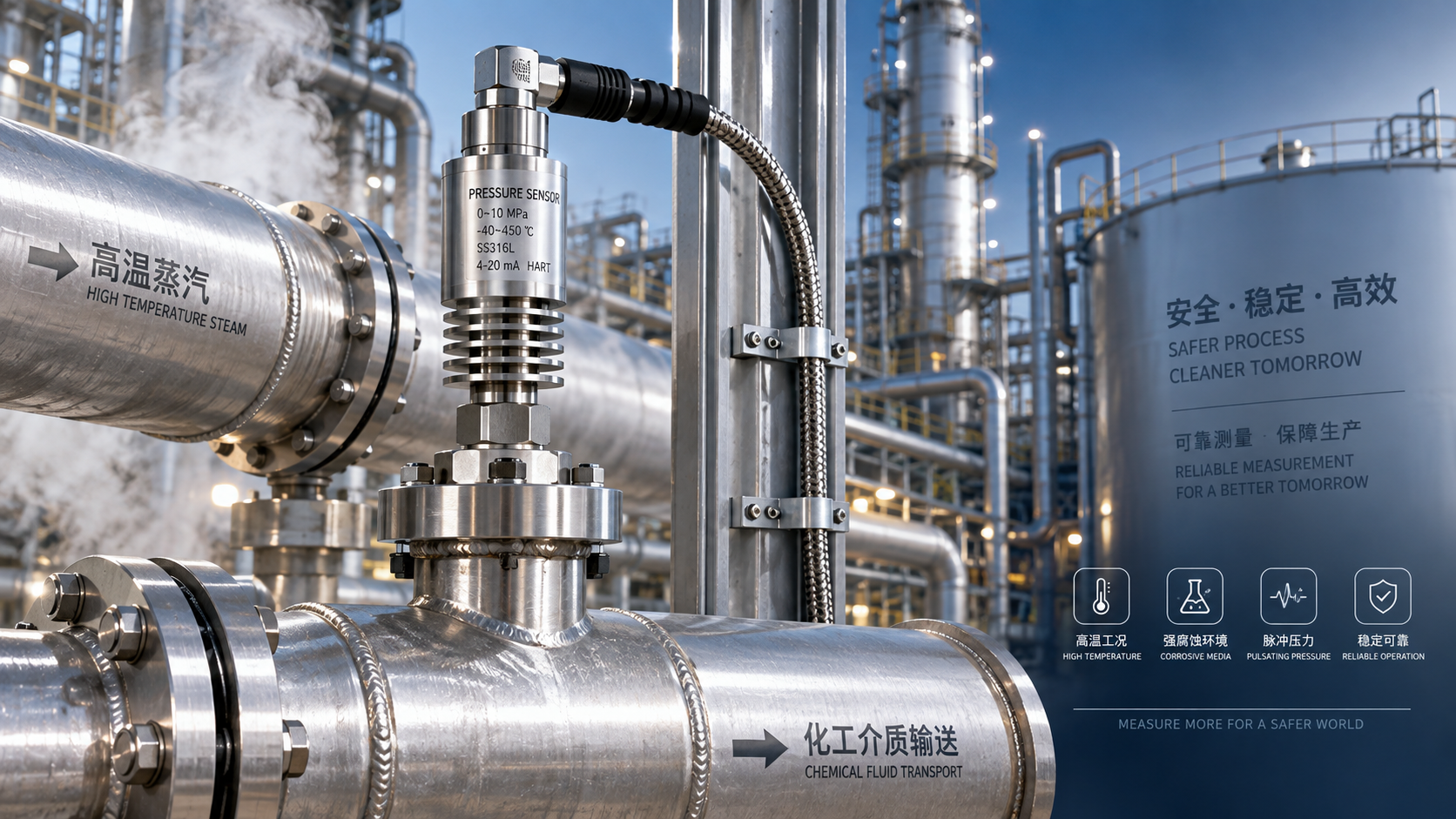
 Which parameters should be considered when selecting pressure sensors for high-temperature, corrosive, and pulsating operating conditions?
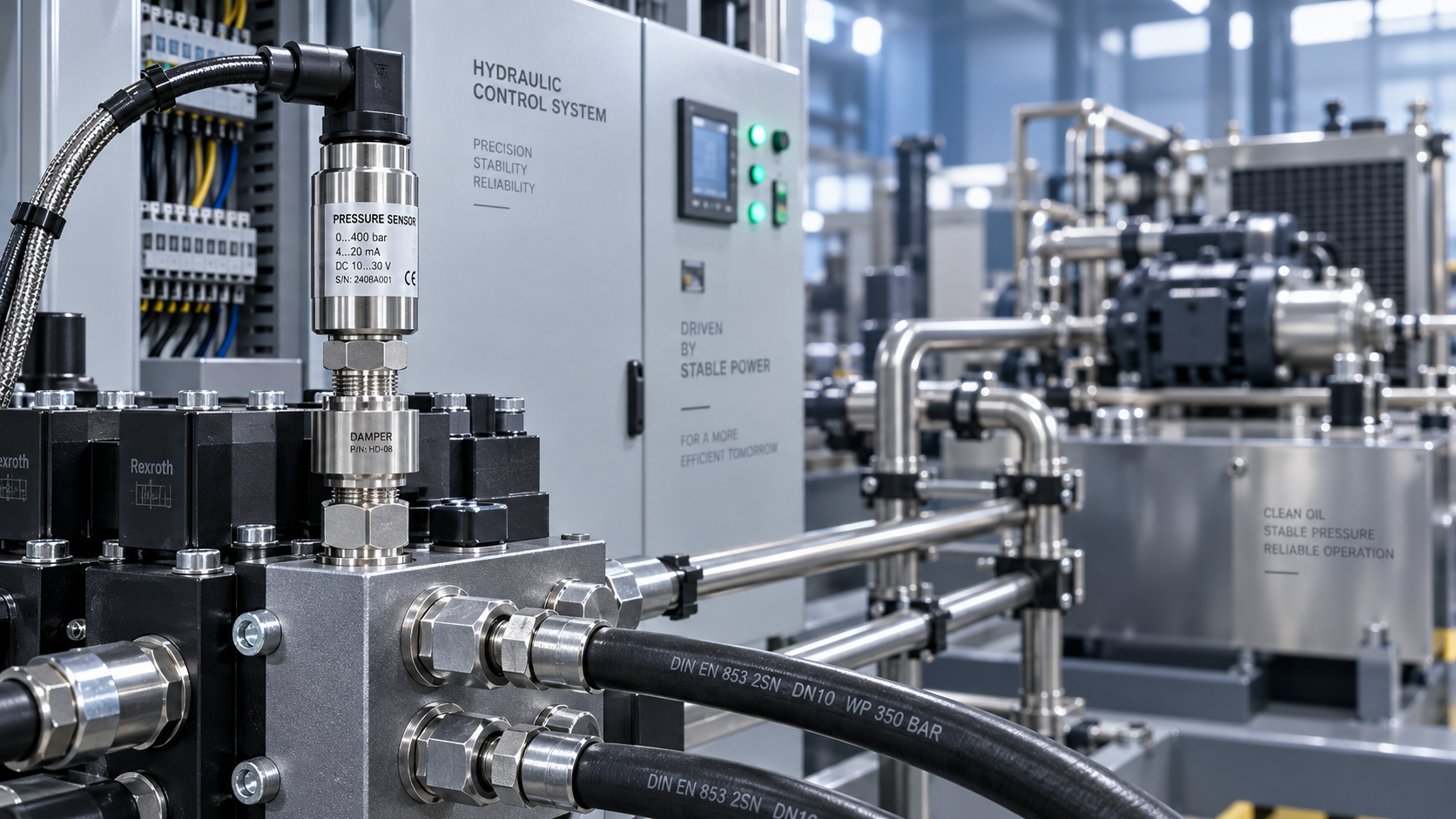
 Hydraulic equipment pressure fluctuates frequently. How can sensors be configured to improve control stability?
 When purchasing pressure sensors, how can you evaluate service life and total maintenance costs beyond the unit price?