


News Center
—— NEWS CENTER ——
Xi'an Shenghongchuang Instrument Co., Ltd.
Contact: Mr. Zhang
Mobile: 15529283736
Email: shc-sensor@qq.com
Address: Fortune Building, Sanqiao Street, Xixian New Area, Xi'an, Shaanxi Province
Media Compatibility Logic for Ceramic-Core Differential Pressure Sensors
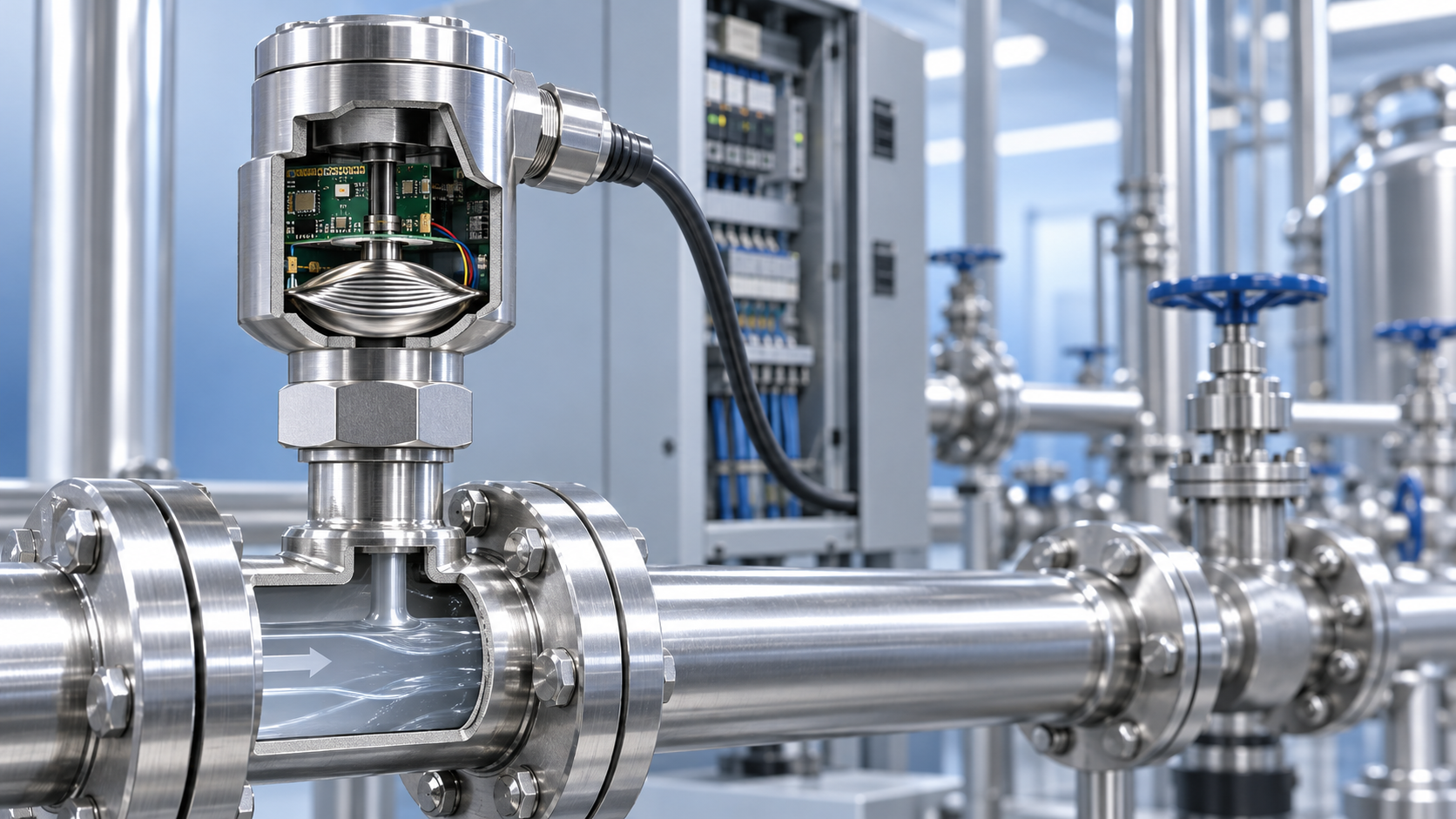
Ceramic-core differential pressure sensors use high-purity ceramic sensing elements as their core and convert the pressure difference between the high- and low-pressure sides into stable electrical signals for continuous monitoring of operating conditions such as flow, liquid level, filter status, equipment pressure drop, and ventilation systems. Compared with conventional diffused-silicon structures, ceramic materials offer better corrosion resistance, wear resistance, and overload resistance, making them suitable for industrial sites with relatively complex media compositions and frequent pressure fluctuations.
Determining whether a differential pressure sensor can be used with a particular medium cannot be based solely on the corrosion resistance of ceramic. In actual selection, the medium temperature, operating pressure, differential pressure range, viscosity, particle content, crystallization tendency, and sealing materials in contact with wetted parts must also be confirmed. The sensor core's resistance does not mean that the entire pressure connection, sealing rings, and impulse lines can withstand the medium over the long term.
Xi'an Shenghongchuang Instrumentation Co., Ltd. can configure differential pressure measurement solutions for industrial automation systems based on pipeline connections, output signals, measuring ranges, installation space, and site conditions. For chemical, environmental protection, machinery manufacturing, and intelligent equipment projects, it is recommended to determine the ceramic core, housing material, and sealing solution after confirming the medium name and process parameters.
Main Types of Suitable Media
Clean Gases and General Industrial Gases
Air, compressed air, nitrogen, oxygen, inert gases, and purified process gases are common application media for ceramic-core differential pressure sensors. In fans, dust removal equipment, HVAC systems, and gas transmission pipelines, differential pressure can be detected to determine changes in air flow, the degree of filter element blockage, or pipeline resistance.
Gas differential pressure measurement usually involves relatively small ranges, such as 0–1 kPa, 0–5 kPa, 0–10 kPa, or 0–100 kPa. For low differential pressure conditions, particular attention should be paid to sensor zero stability, repeatability, and installation orientation to prevent indication drift caused by vibration, pulsating airflow, or condensate entering the pressure-sensing lines.
For compressed air containing water vapor or wet flue gas, appropriate drainage, condensation, and filtration measures should be provided at the pressure tapping points. If the gas contains oil mist, dust, or corrosive components, the diaphragm material, sealing-ring material, and process connection structure need further evaluation and must not be selected directly based on ordinary air conditions.
Clean Water, Circulating Water, and General Liquids
Tap water, purified water, circulating cooling water, softened water, wastewater pretreatment liquids, and most neutral water-based media can generally be monitored for differential pressure using ceramic-core differential pressure sensors. Typical applications include differential pressure across water-treatment filters, pressure difference between pump inlet and outlet, heat exchanger resistance, differential pressure before and after liquid flow throttling devices, and liquid-level measurement in sealed vessels.
The density of liquid media is much higher than that of gases, and installation height differences create additional static pressure. Therefore, the high- and low-pressure tapping points should be kept on the same horizontal plane as far as possible. Taking water as an example, approximately 10 m of water column corresponds to a pressure difference of 0.1 MPa; in low-range measurements, even an installation height difference of several tens of centimeters may significantly affect the measurement result.
For circulating water, mine water, or insufficiently filtered wastewater containing suspended solids, attention should be paid to particle deposition and connection blockage. Isolators, filtration devices, or flushable impulse-line structures can be used to protect the sensor wetted end and facilitate subsequent maintenance and zero calibration.
Mildly Corrosive Media and Certain Chemical Liquids
Ceramic materials have good chemical stability and can therefore be used under certain conditions for differential pressure measurement of weak acids, weak alkalis, salt solutions, cleaning liquids, electroplating auxiliary liquids, and certain chemical feedstocks. The actual applicable range depends on the medium concentration, temperature, flow velocity, and duration of continuous contact. In particular, the corrosion resistance of seals and metal pressure connections must not be overlooked.
When the medium is corrosive, common sealing materials include fluororubber, EPDM, and PTFE, but different materials have different application limits. For example, certain solvents may cause ordinary rubber to swell and fail; high-temperature alkaline liquids may also accelerate the aging of specific sealing materials. Therefore, the configuration should be determined based on the chemical name of the medium rather than a general description such as “acidic” or “alkaline.”
For concentrated acids, concentrated alkalis, strong oxidizers, chloride-containing media, organic solvents, or mixed liquids with frequently changing compositions, complete medium information should be provided and the wetted materials should be verified by technical personnel. Where necessary, diaphragm seals, remote transmission structures, or special anti-corrosion solutions can be used to prevent the medium from directly entering the sensor pressure chamber.
Media and Operating Conditions Unsuitable for Direct Use
High-Viscosity, Easily Solidifying, and Easily Crystallizing Media
Asphalt, heavy oil, resin, slurry, adhesives, high-concentration sugar solutions, and readily crystallizing salt solutions can easily deposit in pressure connections or impulse lines, causing delayed pressure transmission or even complete blockage. Even if the ceramic core itself has good resistance, it cannot eliminate measurement errors caused by blocked pressure-sensing passages.
For such media, large-bore structures, flush diaphragm structures, heat tracing measures, or diaphragm seal devices should be considered as a priority. If the process allows, the medium temperature should be controlled to maintain its flow state, and flushing connections should be reserved to prevent the medium from solidifying at the pressure measurement location after shutdown.
Differential pressure measurement should also avoid excessive differences in impulse conditions on the two sides. For example, when the high-pressure-side pipeline is shorter and the low-pressure-side pipeline is longer, viscous media may cause inconsistent response times, and dynamic measurement results may be distorted. The installation solution for such conditions should be jointly confirmed by on-site process and instrumentation personnel.
Strong Corrosion, High Temperature, and High Static Pressure Applications
Strong acids, strong alkalis, hydrofluoric acid, concentrated nitric acid, strongly oxidizing solutions, and chemical mixtures of unknown composition should not be judged as measurable solely based on the ceramic core. Certain media may rapidly corrode stainless steel connections, welded areas, or sealing materials, thereby affecting equipment safety and measurement reliability.
High-temperature media can alter sensor zero point and sensitivity and can also shorten the service life of seals. The actual medium temperature must be distinguished from the sensor's allowable medium temperature. When the process temperature exceeds the range of conventional products, condensate bends, heat-dissipation tubes, capillary remote transmission, or high-temperature isolation devices can be used to reduce heat transfer.
High-static-pressure systems also require careful verification. For example, the differential pressure may be only 5 kPa, while the pipeline static pressure may reach 1 MPa, 2 MPa, or even higher. The sensor must meet both the differential pressure range requirement and the allowable overload pressure requirement on each side. Overpressure on either the high- or low-pressure side may cause zero shift or damage to the sensing element.
Key Parameters for Selection and Installation
Matching of Measuring Range, Accuracy, and Output Signal
The differential pressure range should cover the normal operating differential pressure and the short-term fluctuation range. Under normal conditions, the actual operating point can be kept within 30%–80% of full scale. An excessively large range reduces effective resolution, while an excessively small range can easily cause overload during startup, valve switching, or filter element blockage.
Industrial control systems commonly use 4–20 mA, 0–10 V, RS485, or other digital communication methods. For applications with transmission distances exceeding 50 m, strong on-site electromagnetic interference, or connection to PLC or DCS systems, 4–20 mA signals generally provide better interference resistance and greater convenience for fault identification.
In addition to basic accuracy, long-term stability, temperature drift, response time, and protection rating should also be confirmed. IP65, IP67, and similar protection configurations can be considered for outdoor, humid, or dusty environments. Where equipment vibration is present, mechanical stress should be reduced through secure installation, vibration-damping connections, and suitable cable fixing methods.
Determine a Reliable Solution Based on the Actual Medium
Overall, ceramic-core differential pressure sensors are suitable for differential pressure measurement of media such as air, compressed air, nitrogen, clean water, circulating water, low-viscosity oils, and certain neutral or mildly corrosive liquids. They can provide stable differential pressure data for filter element blockage monitoring, pump set status assessment, flow measurement, liquid-level measurement, and ventilation control.
When dealing with strongly corrosive, high-temperature, high-viscosity, particle-laden, or readily crystallizing media, the focus should not remain on whether measurement is possible, but rather on clearly defining the medium concentration, temperature, static pressure, differential pressure, connection method, and maintenance cycle. Complete operating condition information is the basis for determining diaphragms, seals, connections, and protective structures.
If a ceramic-core differential pressure sensor needs to be selected for specific equipment, the medium name, concentration, temperature, normal differential pressure, maximum static pressure, pipeline connection, and signal requirements may be provided to Xi'an Shenghongchuang Instrumentation Co., Ltd. Technical personnel will confirm the measuring range and material configuration based on on-site operating conditions, reducing subsequent maintenance risks.
Related Recommendations
![]() Southchip Technology Launches Its First Optical Sensor, the SC52115, for Wearable Devices
 How does a pressure sensor convert changes in applied force into usable electrical signals?
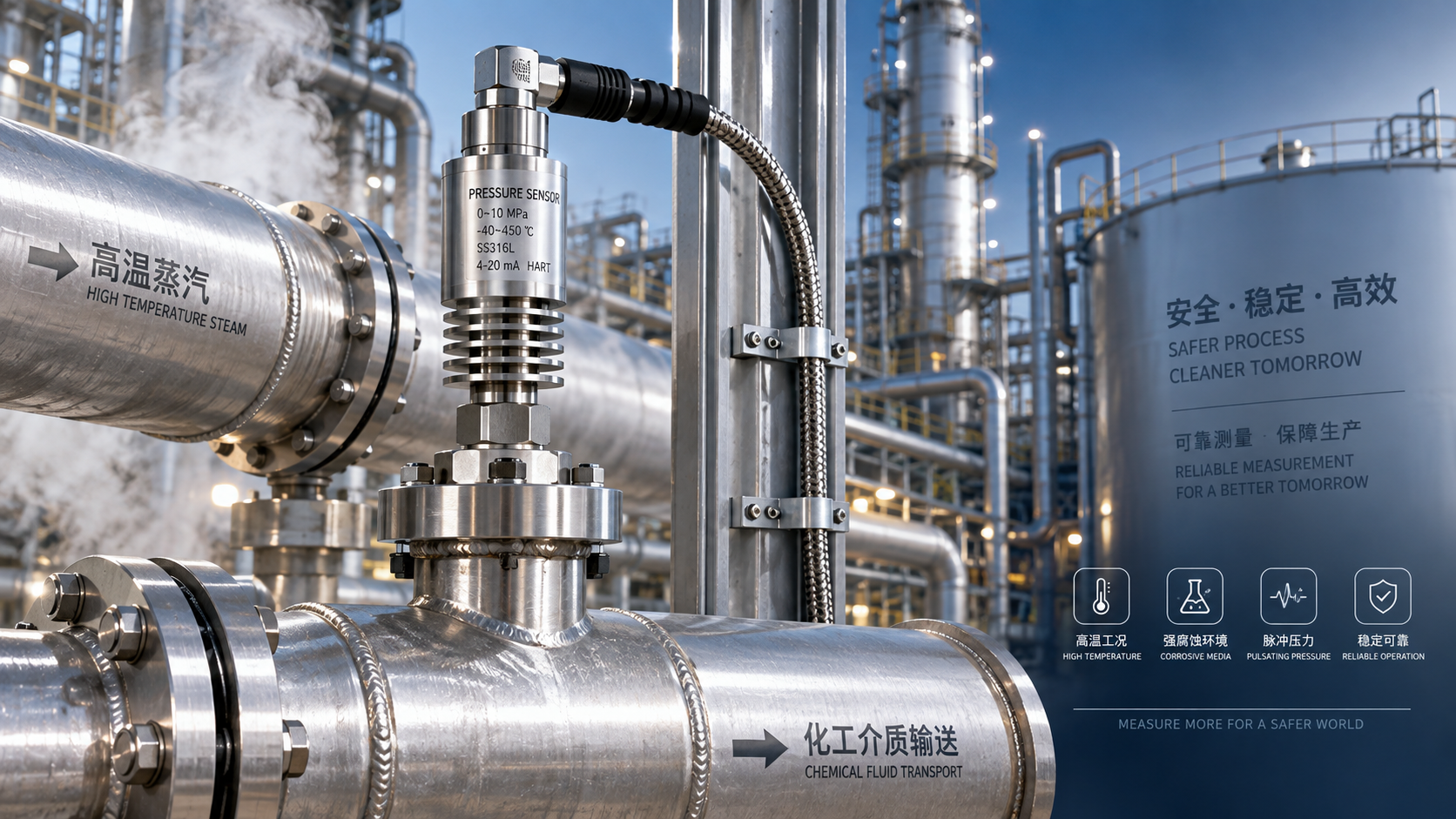
 Which parameters should be considered when selecting pressure sensors for high-temperature, corrosive, and pulsating operating conditions?
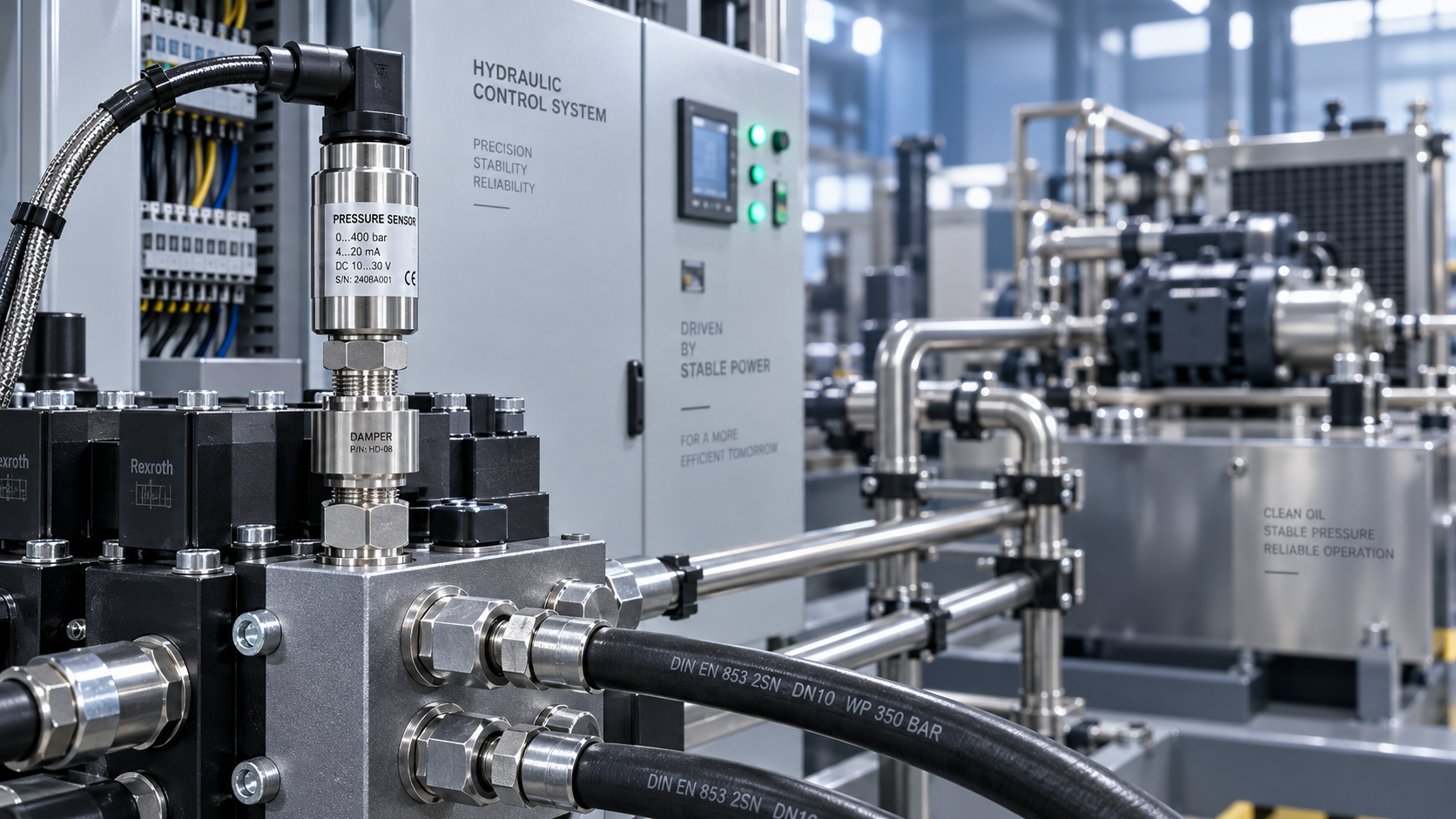
 Hydraulic equipment pressure fluctuates frequently. How can sensors be configured to improve control stability?