News Center
—— NEWS CENTER ——
Xi'an Shenghongchuang Instrument Co., Ltd.
Contact: Mr. Zhang
Mobile: 15529283736
Email: shc-sensor@qq.com
Address: Fortune Building, Sanqiao Street, Xixian New Area, Xi'an, Shaanxi Province
Core Selection Logic for Diffused Silicon Hirschmann Pressure Sensors
In the field of industrial automation, the BTL-BTL70 pressure transmitter, as a representative product of diffused silicon Hirschmann pressure sensors, has a model selection process that directly affects system stability and measurement accuracy. This article provides professional guidance for the selection of diffused silicon Hirschmann pressure sensors from the perspectives of working principle, model comparison, and installation points, helping corporate decision-makers accurately match the pressure transmitter requirements of different models such as YB-YB3101 and TXY-TXY801.
I. Technical Principles and Performance Differences
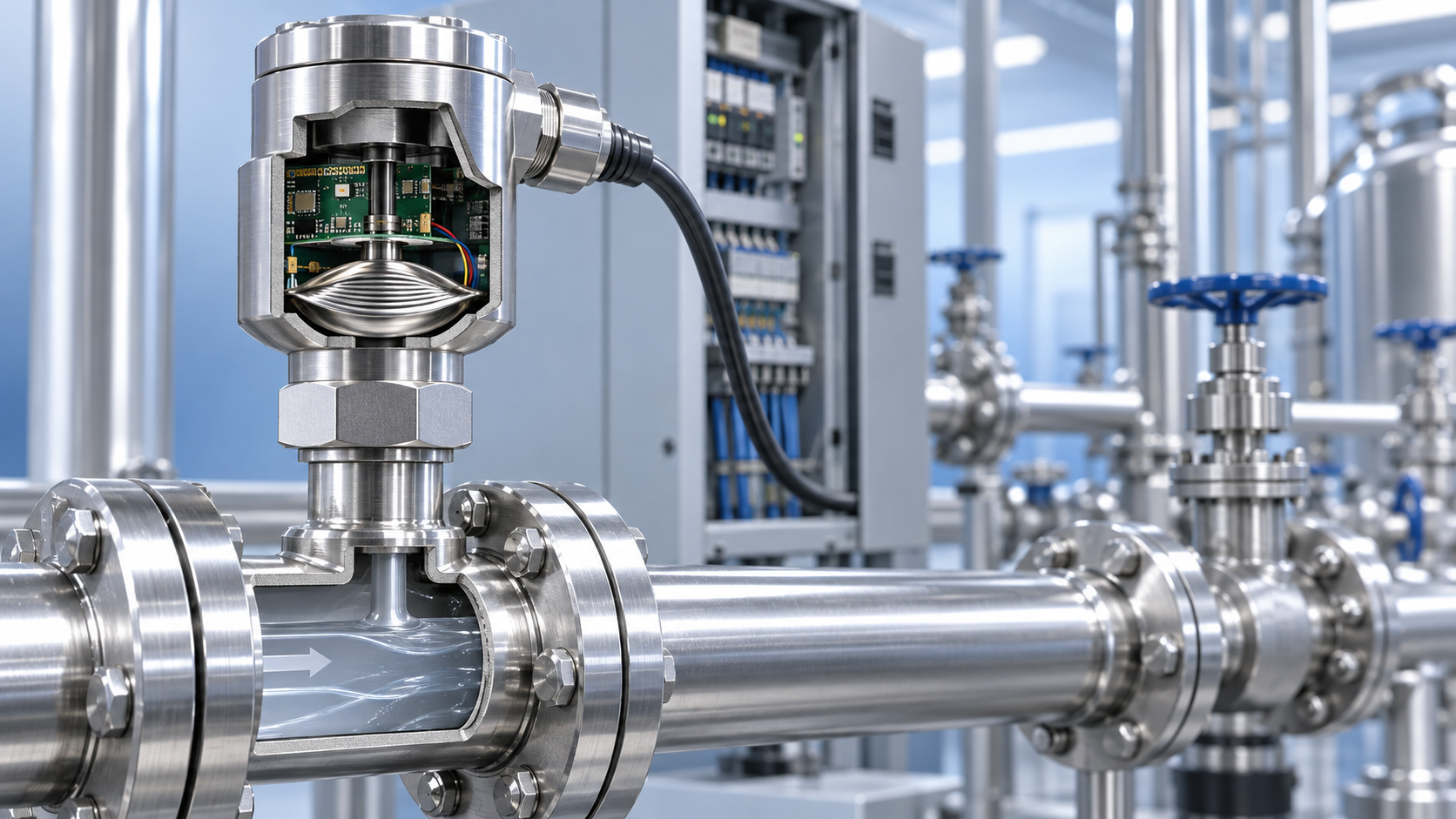
Diffused silicon Hirschmann pressure sensors use the semiconductor piezoresistive effect principle. When pressure acts on the silicon diaphragm, its resistance value changes with stress variation. Compared with traditional capacitive or ceramic piezoresistive sensors, they offer advantages such as high sensitivity (up to 0.05%FS) and good long-term stability (±0.1%FS/year). Taking the domestic general-purpose pressure transmitter CS-PT1200 compact LCD display pressure sensor as an example, it uses 316 stainless steel material and has a temperature compensation range of 0-70℃, enabling it to adapt to harsh working conditions in petrochemical, environmental protection, and other industries.
II. Comparison of Key Selection Parameters
III. Analysis of Industry Application Scenarios
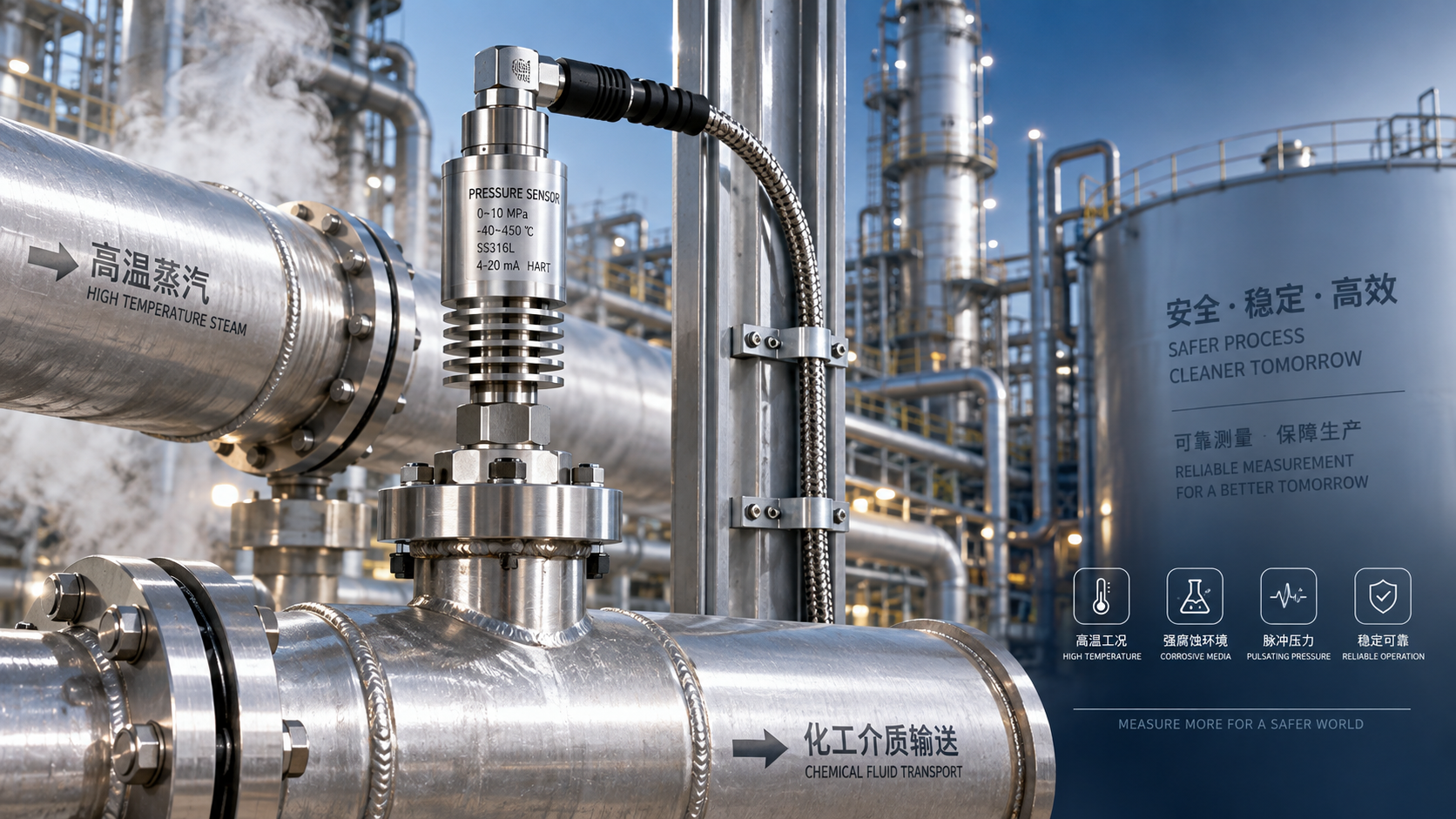
In power station operation inspections, the LYB-LYB3008 model needs to be used with a high-temperature isolation diaphragm; while building automation control systems prefer the compact design of NPT-NPT100. Attention should be paid to different medium characteristics: for corrosive media, a fully welded 316L stainless steel structure should be selected; for viscous media, it is recommended to use a flush diaphragm measuring element.
IV. Five Major Misconceptions in Procurement Decisions
- Misconception 1: Blindly pursuing high accuracy (the actual requirement is Class 0.5 but Class 0.1 is selected)
- Misconception 2: Ignoring media compatibility (special working conditions such as H2S corrosion are not considered)
- Misconception 3: Overlooking the impact of installation methods (mismatched thread specifications lead to leakage)
- Misconception 4: Failing to reserve range margin (it is recommended that working pressure be within 30-80% of the measuring range)
- Misconception 5: Underestimating the impact of ambient temperature (verification is required within the range of -20~+85℃)
V. Customized Solutions
Xi'an Shenghongchuang Instrumentation Co., Ltd. can provide customized services for models such as XL-802A, including: special ranges (such as 0-0.5MPa), explosion-proof certification (Ex ia IIC T6), and food-grade hygienic design. Its produced SK1151-33X series has passed CE and RoHS certifications, meeting the market access requirements of the European Union.
Why Choose Us
As a high-tech enterprise in Xixian New Area, we have more than 10 years of sensor R&D experience and provide a full product line from CYB-20SA to JYB-KO-M. All products undergo 72-hour aging tests before leaving the factory, and we provide a 2-year warranty service. Our professional engineering team can assist in on-site commissioning of models such as DT-131, ensuring worry-free system integration.
Related Recommendations
![]() Southchip Technology Launches Its First Optical Sensor, the SC52115, for Wearable Devices
Southchip Technology Launches Its First Optical Sensor, the SC52115, for Wearable Devices How does a pressure sensor convert changes in applied force into usable electrical signals?
 Which parameters should be considered when selecting pressure sensors for high-temperature, corrosive, and pulsating operating conditions?
 Hydraulic equipment pressure fluctuates frequently. How can sensors be configured to improve control stability?