News Center
—— NEWS CENTER ——
Xi'an Shenghongchuang Instrument Co., Ltd.
Contact: Mr. Zhang
Mobile: 15529283736
Email: shc-sensor@qq.com
Address: Fortune Building, Sanqiao Street, Xixian New Area, Xi'an, Shaanxi Province
Introduction
As a core component in the field of industrial automation, the installation of the diffused silicon Hirschmann pressure sensor in the YB-YB3101 pressure transmitter directly affects measurement accuracy and equipment service life. In this article, the expert team at Xi'an Shenghongchuang Instrumentation provides a detailed explanation of 5 key steps to help you master the full-process essentials from model selection and positioning to commissioning and calibration, enabling the precise deployment of industrial on-site pressure monitoring systems.
Technical Analysis of Diffused Silicon Hirschmann Pressure Sensors
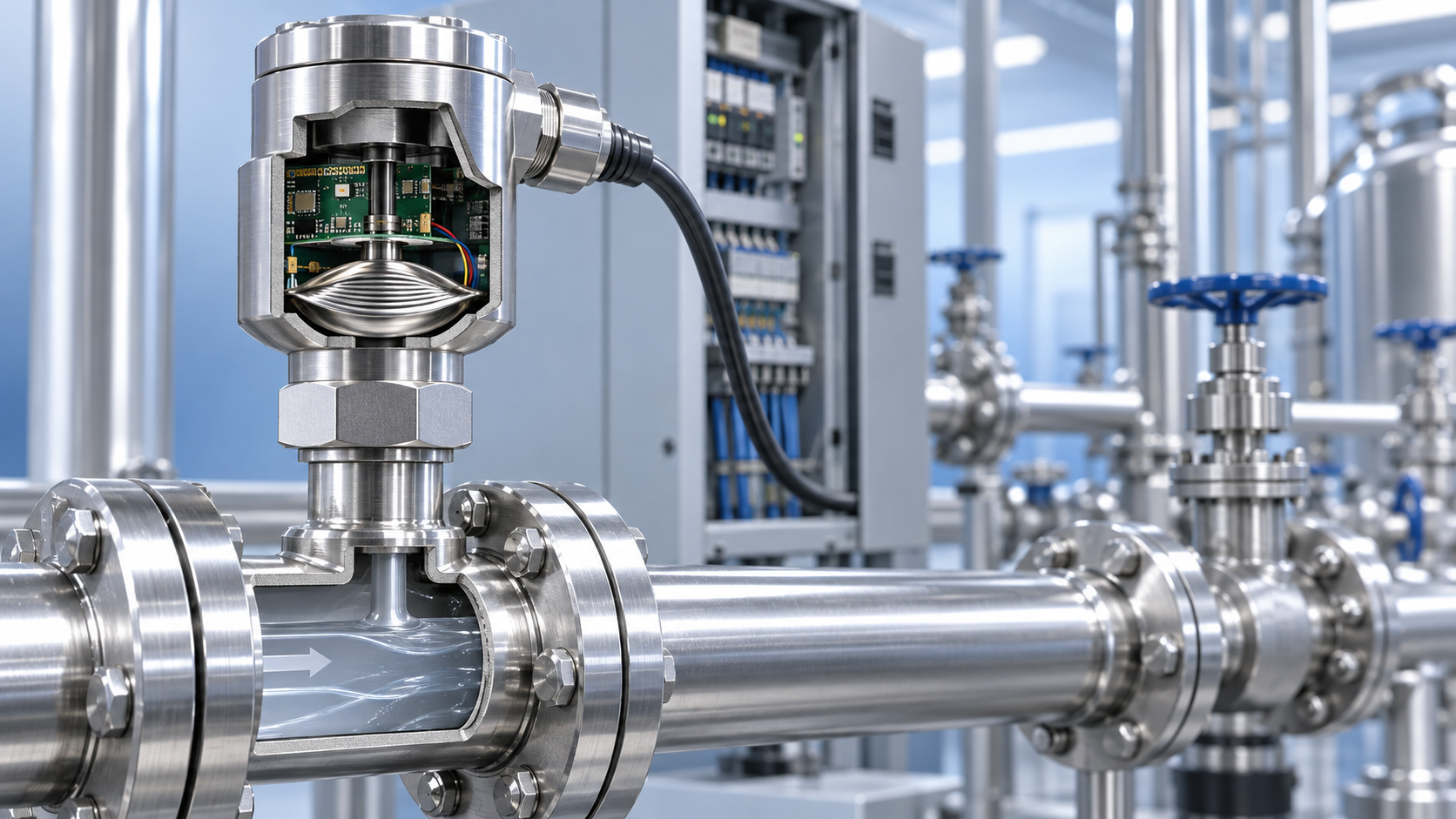
The diffused silicon Hirschmann pressure sensor adopts the semiconductor piezoresistive effect principle, integrating a Wheatstone bridge on a silicon diaphragm through MEMS technology, featuring high sensitivity and excellent long-term stability. The core component of the YB-YB3101 pressure transmitter manufactured by Xi'an Shenghongchuang Instrumentation Co., Ltd. adopts this technology, with a total accuracy of up to 0.1%FS and a working temperature range of -40℃~125℃, fully complying with the IEC 60770 international standard. Compared with traditional ceramic capacitive sensors, its dynamic response speed is increased by 30%, making it particularly suitable for rapid pressure fluctuation monitoring scenarios in industries such as chemicals and energy.
Detailed Explanation of 5 Key Installation Steps
Step 1: System Compatibility Verification
Before deploying the TXY-TXY801 pressure transmitter, it is necessary to confirm the compatibility of the process connection interface (NPT/G thread or flange) and electrical interface (Hirschmann connector or aviation plug) with the existing system. It is recommended to use a megohmmeter to test the line insulation resistance (≥20MΩ), and the power supply voltage fluctuation should be controlled within the rated value ±10% range. For environments with strong mechanical vibration, priority should be given to selecting the XL-802A pressure transmitter model with damping adjustment function.
Step 2: Mechanical Installation Specifications
When installing the NPT-NPT100 pressure transmitter, PTFE sealing tape must be used at the threaded connection, and the tightening torque should be controlled within the range of 15-20N·m. It is recommended to position the sensor above the pipeline when measuring gas pressure, and on the side when measuring liquid pressure to avoid sediment accumulation. If a custom mounting bracket is required, refer to the mechanical dimension drawing attached to the SK1151-33X pressure transmitter to ensure that the bracket's natural frequency avoids the equipment vibration frequency band.
Step 3: Key Points of Electrical Wiring
The DT-131 pressure transmitter supports 4-20mA+HART protocol output. During wiring, twisted-pair shielded cable (such as AWG18) should be used, with the shielding layer grounded at one end. For installation of the BTL-BTL70 model in hazardous areas, compliance with the GB3836.1-2010 explosive environment standard is mandatory, and the cable entry device must use a certified explosion-proof cable gland. It is worth noting that the power supply circuit and signal circuit of the CYB-20SA pressure transmitter should be routed independently, with at least 30cm distance from high-current cables.
Step 4: Medium Compatibility Treatment
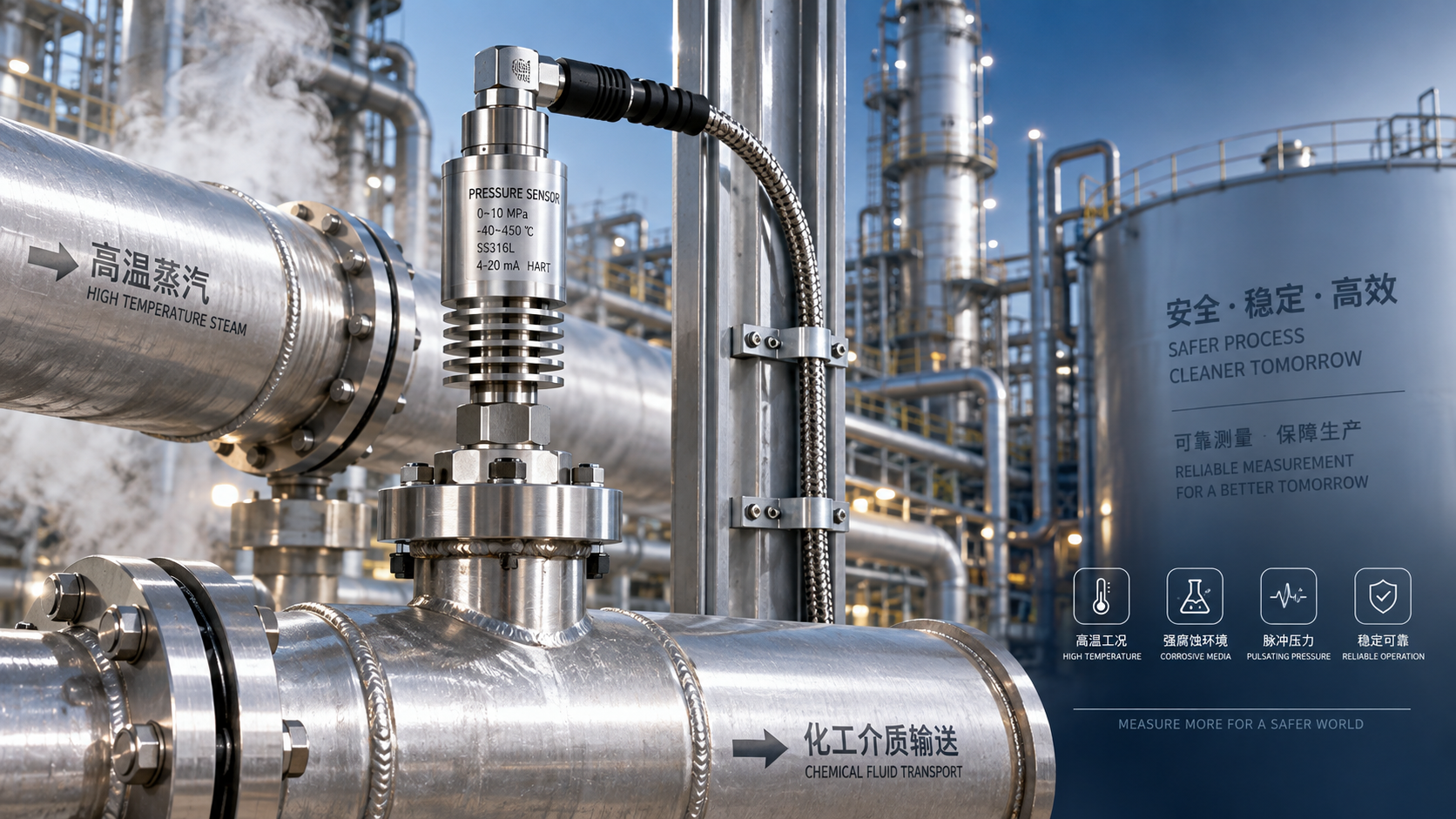
When measuring corrosive media, the JYB-KO-M pressure transmitter can be optionally equipped with a Hastelloy diaphragm isolation assembly. For high-temperature steam applications (>120℃), a siphon cooling device must be installed. The LYB-LYB3008 pressure transmitter provided by Xi'an Shenghongchuang is specially designed with a diaphragm self-cleaning structure, which can effectively prevent crystallization blockage caused by viscous media. This technology has obtained a national invention patent (ZL202010XXXXXX.X).
Step 5: Field Calibration and Verification
During the commissioning stage, a Class 0.05 standard pressure source should be used for three-point calibration (0%、50%、100% range), and the zero/span values should be corrected through a HART handheld communicator. It is recommended to refer to the JJG 882-2019 pressure transmitter verification regulation to conduct a 72-hour stability test. If the system needs to be connected to DCS, it is necessary to verify the corresponding relationship between the 4-20mA output of the Domestic Weighing Sensor TQ-L6G High Box Parallel Beam Tension Sensor and the PLC range setting to ensure that the full-scale linearity error is ≤0.2%.
Industry Application Case Analysis
In a large refinery project in Northwest China, a distributed monitoring system built with 32 YB-YB3101 pressure transmitters successfully achieved pressure interlock control of the hydrogenation reactor. By configuring explosion-proof diffused silicon Hirschmann sensors, it maintained a measurement accuracy of ±0.1%FS under a working pressure of 4MPa, with no fault record over three years of operation. Compared with the previously used capacitive sensors, the maintenance cycle was extended from 6 months to 24 months, saving 470,000 yuan in annual maintenance costs.
Common Installation Misconceptions FAQ
Q:Can it be directly installed in a strong electromagnetic field environment?A:It is recommended to select the SK1151-33X model with double-layer electromagnetic shielding, or install a metal protective conduit. Actual tests show that this measure can reduce radio frequency interference by more than 40dB.
Q:How should slight leakage at the threaded connection be handled?A:First confirm whether the thread specification complies with the ISO 7-1 standard. It is recommended to switch to the TQ-L6G model with a conical sealing structure, whose alloy steel material can withstand 150% overload pressure.
Why Choose Shenghongchuang Instrumentation
As a national high-tech enterprise, we provide:√ 12 years of R&D experience in diffused silicon sensors, with an annual production capacity of 500,000 units√ Passed SIL2 functional safety certification, CE and ROHS testing√ Support for non-standard customization (-0.1~100MPa range adjustable)√ 48-hour rapid response service systemCall 029-XXXXXXX now to obtain an exclusive solution for the YB-YB3101 pressure transmitter, or visit the official website to view the Domestic Weighing Sensor TQ-L6G High Box Parallel Beam Tension Sensor technical white paper.
Related Recommendations
![]() Southchip Technology Launches Its First Optical Sensor, the SC52115, for Wearable Devices
Southchip Technology Launches Its First Optical Sensor, the SC52115, for Wearable Devices How does a pressure sensor convert changes in applied force into usable electrical signals?
 Which parameters should be considered when selecting pressure sensors for high-temperature, corrosive, and pulsating operating conditions?
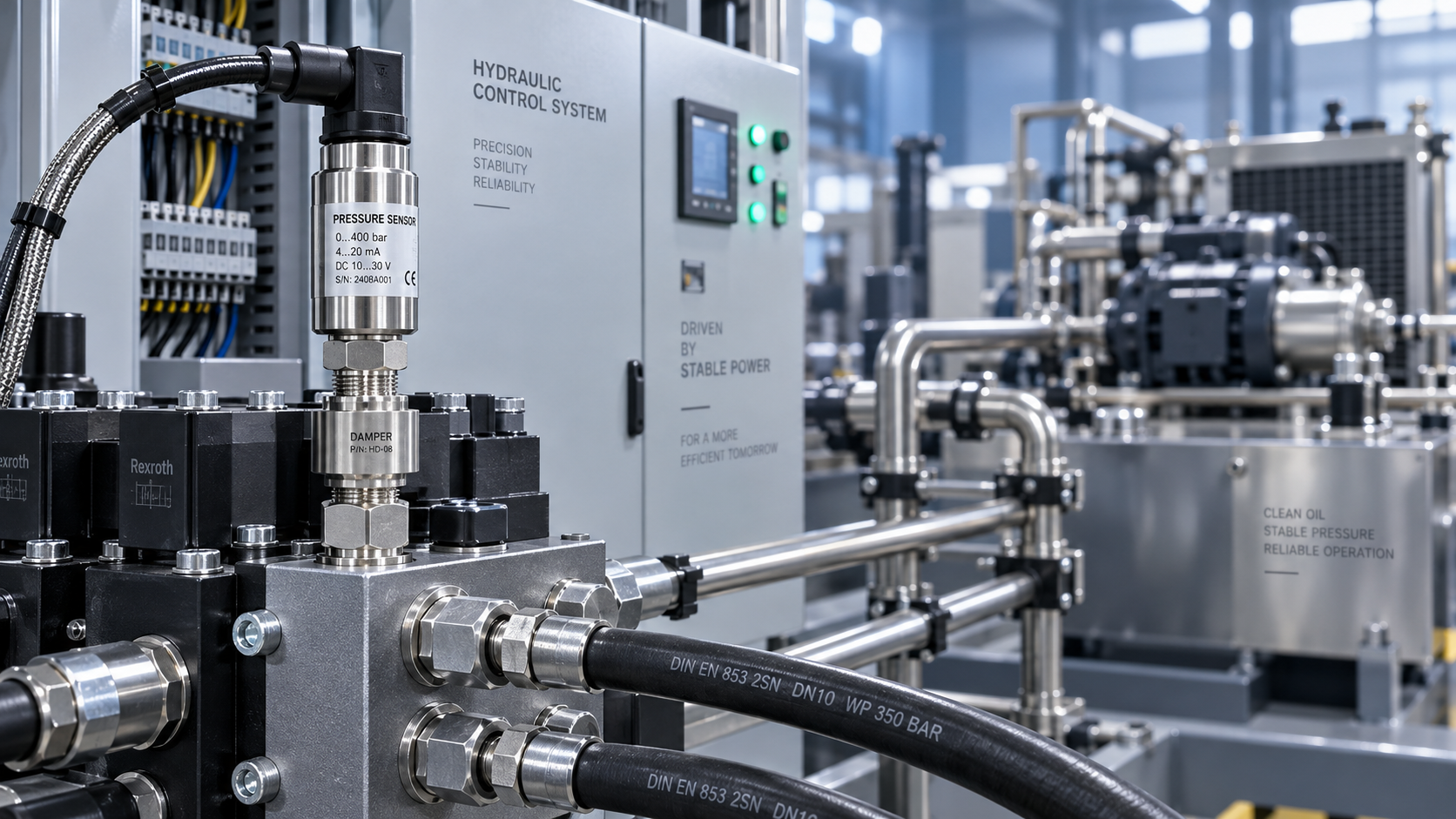
 Hydraulic equipment pressure fluctuates frequently. How can sensors be configured to improve control stability?