


News Center
—— NEWS CENTER ——
Xi'an Shenghongchuang Instrument Co., Ltd.
Contact: Mr. Zhang
Mobile: 15529283736
Email: shc-sensor@qq.com
Address: Fortune Building, Sanqiao Street, Xixian New Area, Xi'an, Shaanxi Province
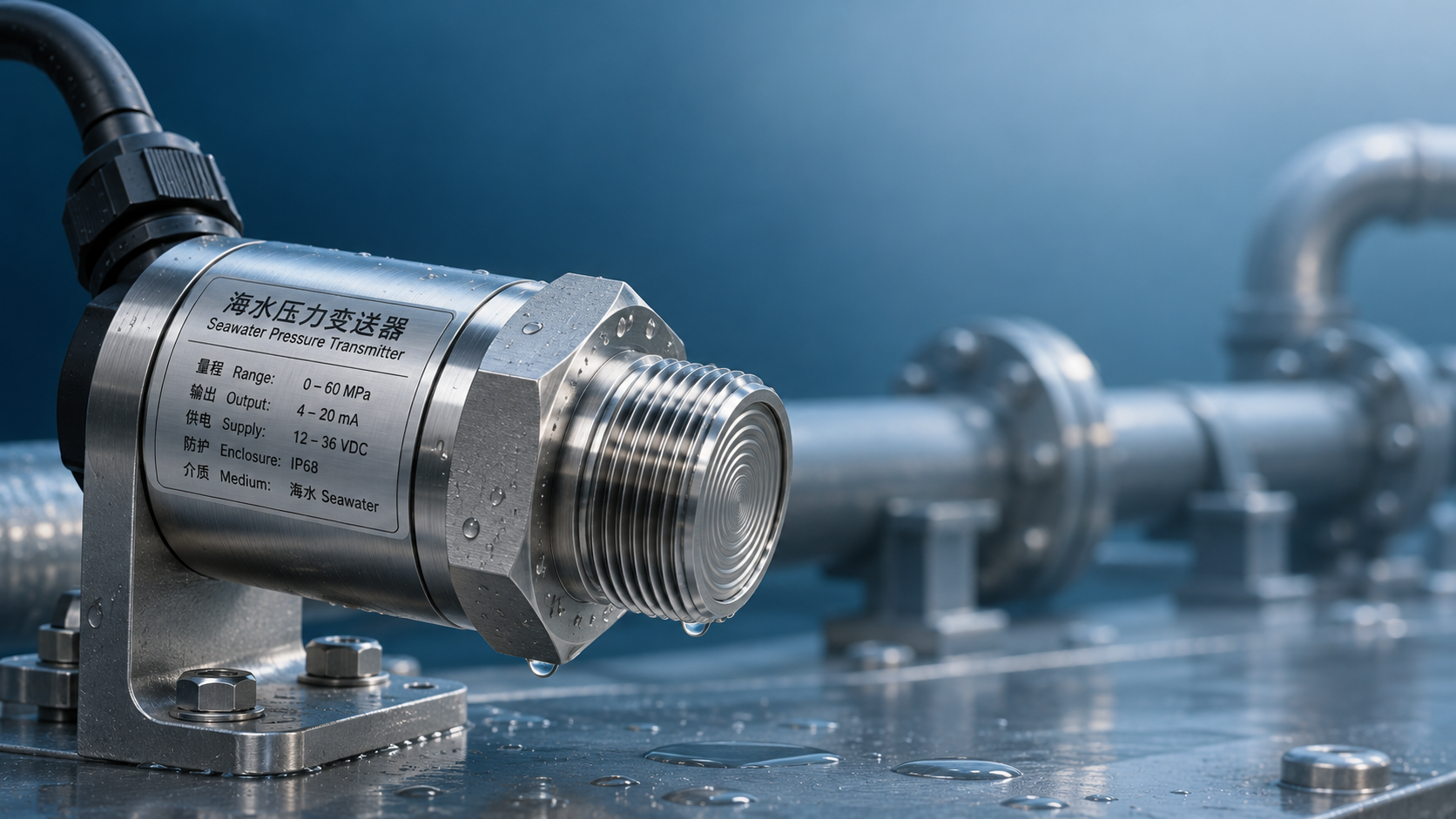
Pressure transmitters used in seawater are exposed to chloride-containing media over long periods. The corrosion resistance of wetted materials directly affects measurement reliability and maintenance costs. Titanium and stainless steel each have their own limits of suitability, so selection should take into account seawater temperature, flow rate, immersion time, and installation design.
1. Why does seawater readily corrode pressure transmitters?
Chloride ions and localized corrosion
The chloride ion concentration in natural seawater is typically around 19 g/L, although the actual value varies with salinity and location. Chloride ions may damage the passive film on stainless steel, causing pitting in localized areas and forming small holes that are difficult to see with the naked eye.
The diaphragm of a pressure transmitter is usually thin. Even a small area of localized corrosion can affect pressure transmission and, in severe cases, cause media leakage. Therefore, do not assess corrosion resistance based only on the condition of the housing; also consider the materials used for the diaphragm and pressure connection.
Higher temperatures, prolonged seawater stagnation, sediment buildup, and microbial growth can all increase the risk of localized corrosion. Seawater remaining in connections after an intermittently operated pipeline is shut down should also be taken into account.
Crevices and dissimilar-metal connections
Narrow spaces at thread roots, gasket edges, and around the diaphragm can form crevices. Differences in oxygen concentration inside and outside a crevice may accelerate localized corrosion, especially when seawater remains there for a long time.
When titanium is connected to dissimilar metals such as stainless steel or carbon steel, and both are in contact with seawater, galvanic corrosion must also be considered. The more corrosion-resistant titanium may remain unaffected, while the connected metal may face a greater risk of corrosion.
During design, minimize unnecessary crevices. Based on the piping material, relative surface areas, and electrical connections, assess whether insulating joints, isolation gaskets, or other protective measures are appropriate.
2. Comparing the seawater corrosion resistance of titanium and stainless steel
Key material characteristics
Titanium resists corrosion through a stable surface oxide film. In many ambient-temperature seawater environments, it offers good resistance to pitting and crevice corrosion, making it suitable for applications involving long-term immersion and difficult maintenance access. However, the specific grade must still be identified, distinguishing commercially pure titanium from titanium alloys.
316 stainless steel contains molybdenum and is generally more resistant to chloride corrosion than 304 stainless steel, but this does not mean it is suitable for every seawater application. In stagnant seawater, under sediment deposits, or where sealed crevices persist over time, 316 may still suffer pitting or crevice corrosion.
304 stainless steel is relatively low-cost, but its risk of localized corrosion is generally higher when directly exposed to seawater. Its suitability should not be judged solely by the label “stainless steel.” The following comparison is intended for preliminary screening and cannot replace an assessment of actual operating conditions.
Consider purchase and maintenance costs together
Titanium equipment generally has a higher initial purchase cost, but in seawater systems involving long-term immersion and difficult removal, downtime, replacement, and calibration costs should also be included in the total cost.
If a stainless steel transmitter is used with an isolation device, calculate the costs of the isolating diaphragm, pressure connection design, installation, and subsequent maintenance before purchase. Avoid comparing only the transmitter unit price.
Titanium is not a universal solution for every corrosive condition. If the seawater contains additional chemicals, is at an unusual temperature, or involves special electrochemical conditions, ask the equipment supplier to confirm material suitability for the specific medium.
3. Select the wetted configuration based on operating conditions
Long-term immersion and pipeline pressure measurement
For applications such as seawater intakes, seawater cooling pipelines, and marine equipment, if the sensor must remain in direct contact with seawater for extended periods, first assess a suitable titanium diaphragm and wetted pressure connection, and verify the welds and sealing materials as well.
For locations subject to sediment or biological growth, the connection design should allow for inspection and cleaning. Avoid scratching the diaphragm with hard objects during cleaning, as this may damage the isolation structure or cause measurement errors.
If an impulse line is used, also confirm its material, the risk of blockage, and the installation height. The corrosion resistance of the transmitter itself does not mean the entire impulse line system is suitable for long-term seawater service.
Short-term contact and isolated measurement
For short-term testing or applications where equipment can be removed for periodic inspection, whether 316 stainless steel is suitable depends on the actual contact duration, temperature, flow conditions, and acceptable maintenance interval. Suitability cannot be determined simply by describing the contact as “short-term.”
Another option is to assess the use of a seawater-resistant isolation diaphragm to separate seawater from the transmitter's internal pressure-sensing components. The isolation diaphragm, connectors, seals, and fill system must all be compatible with the pressure and temperature conditions.
An isolation device may affect system response and temperature error, which should be checked carefully, especially for low-range measurements. The need for capillaries, flushing structures, or remote mounting should be determined by actual site conditions.
All wetted components must be considered
Wetted materials include more than the sensor diaphragm. They also include the process connection, welded parts, isolation diaphragm, sealing rings, and any impulse lines that may come into contact with the medium. Any incompatible component can become the starting point of a failure.
When placing an order, ask the supplier to specify the material grade of each wetted component separately, rather than providing only a general description such as “titanium alloy housing” or “316 stainless steel housing.”
Also confirm whether the sealing materials are suitable for seawater, the operating temperature, and cleaning chemicals. For cable-suspended submersible designs, verify the cable jacket, connectors, and overall immersion protection capability.
4. How should range, temperature, and protection be considered together?
Confirm the measurement conditions first
Pressure transmitters must be selected for gauge, absolute, or vacuum measurement. The range should cover normal pressure and possible pressure fluctuations, while also accounting for transient pressure peaks during startup, shutdown, or valve operation.
For example, pressure for static level measurement can be estimated from liquid density, gravitational acceleration, and liquid depth. Seawater density varies with salinity and temperature, so actual site density should be used for correction when high accuracy is required.
The process temperature and ambient temperature should also be checked separately. The specified upper temperature limit of a device does not in itself guarantee its service life under continuous operation. Temperature fluctuations, installation location, and maintenance conditions should also be considered during selection.
Check suitability against product specifications
For industrial media such as liquids and gases compatible with 304 or 316 stainless steel, refer to the BYP310 Domestic High-Temperature Pressure Transmitter with Diffused Silicon Pressure Sensor. The product documentation lists 304 or 316 stainless steel as the wetted material; a titanium wetted structure has not been confirmed.
Available gauge pressure ranges are from 0–0.01 MPa to 0–250 MPa. The specified process temperature is -30 to +85°C, and signal options include 4–20 mA. Although “high-temperature” appears in the product name, the temperature range confirmed for the specific model should govern actual applications.
The stainless steel wetted configuration described above should not be assumed suitable for long-term seawater immersion. For direct seawater measurement, first ask the supplier to assess the corrosion risk. If a titanium wetted configuration or isolation solution is required, confirm separately whether it is available and what specifications apply.
5. Recommendations before ordering and key maintenance considerations
Provide complete operating-condition information
Xi'an Shenghongchuang Instrumentation Co., Ltd. provides sales and technical services for sensors, transmitters, and related measurement and control products. Its manufacturing base is Shaanxi Qinkong Sensor Technology Co., Ltd. For seawater or other special media, the confirmed configuration and technical documentation agreed by both parties should be followed.
When requesting a quotation, provide the measured medium, temperature, pressure range, installation connection, output signal, and expected maintenance interval. Also specify whether the equipment will be continuously immersed, used for online pipeline measurement, or used for short-term testing.
During operation, inspect connections for leaks, check for sediment buildup and zero-point drift, and calibrate periodically in accordance with site management requirements. If an abnormality occurs, also investigate corrosion, blockage, and electrical connection issues.
To determine a solution for a seawater measurement point, submit the operating parameters above and the requirements for wetted materials to the technical team. Confirm the diaphragm, connections, seals, and protection configuration one by one before selecting and ordering the equipment.
Related Recommendations
 How to Choose Wetted Materials for Seawater Pressure Transmitters: Titanium Alloy vs. Stainless Steel Corrosion Resistance
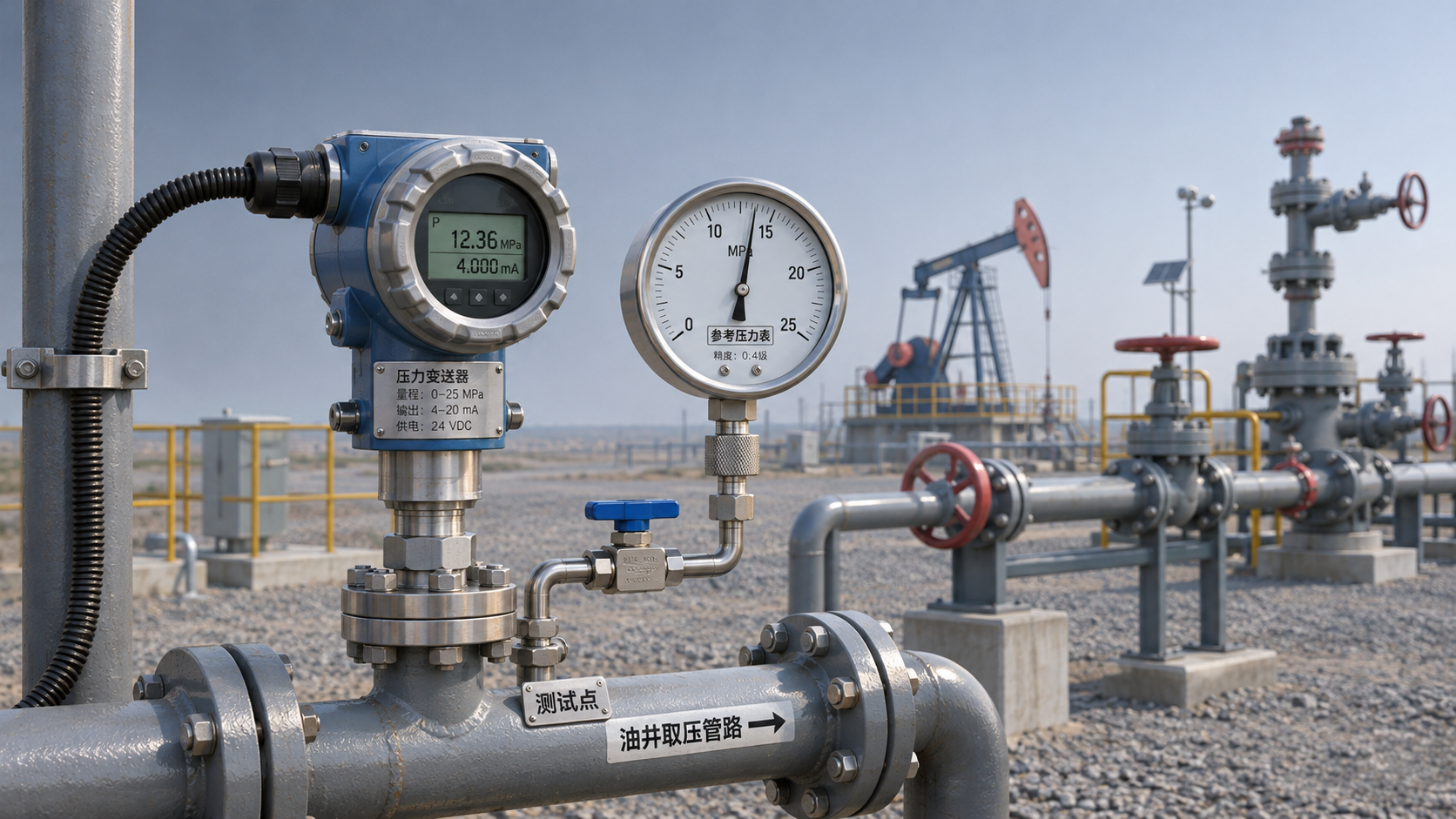
 Common Causes of Reading Drift in Oil Well Pressure Transmitters and On-Site Troubleshooting Methods
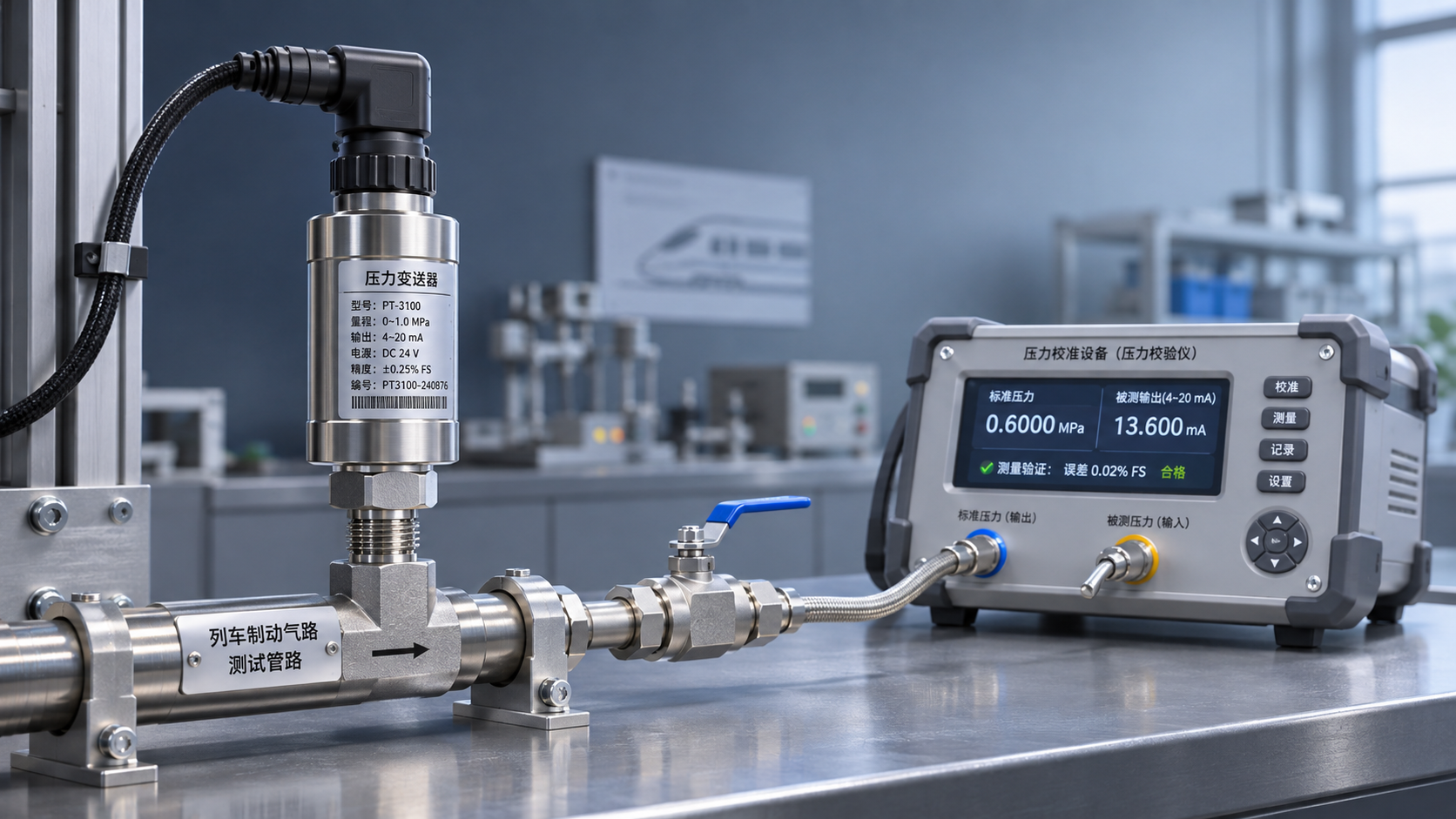
 What validation items should be considered when using railway pressure transmitters in train braking systems?
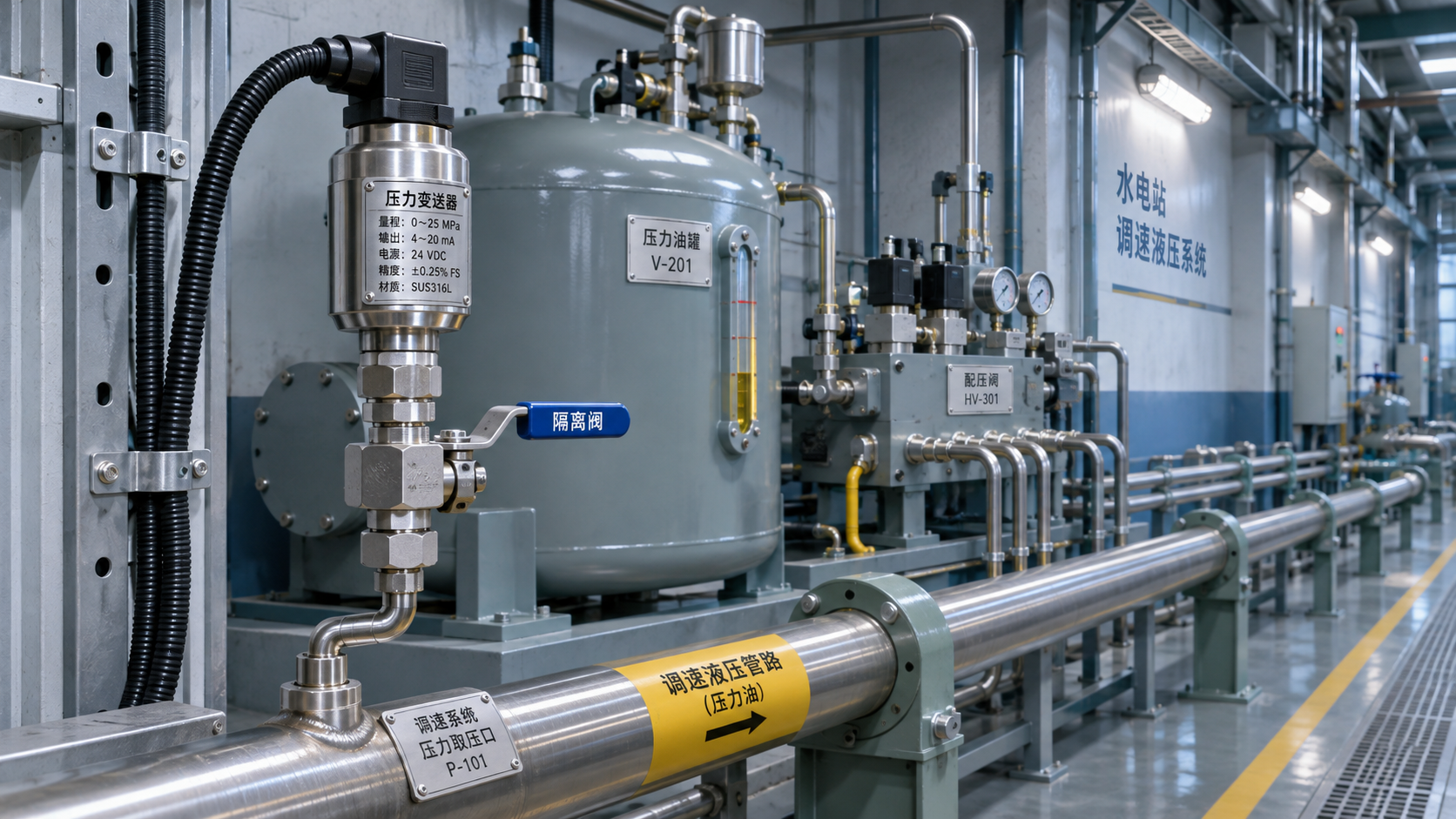
 Measuring Point and Installation Plan for Hydropower Pressure Transmitters in Turbine Governor Systems