News Center
—— NEWS CENTER ——
Xi'an Shenghongchuang Instrument Co., Ltd.
Contact: Mr. Zhang
Mobile: 15529283736
Email: shc-sensor@qq.com
Address: Fortune Building, Sanqiao Street, Xixian New Area, Xi'an, Shaanxi Province
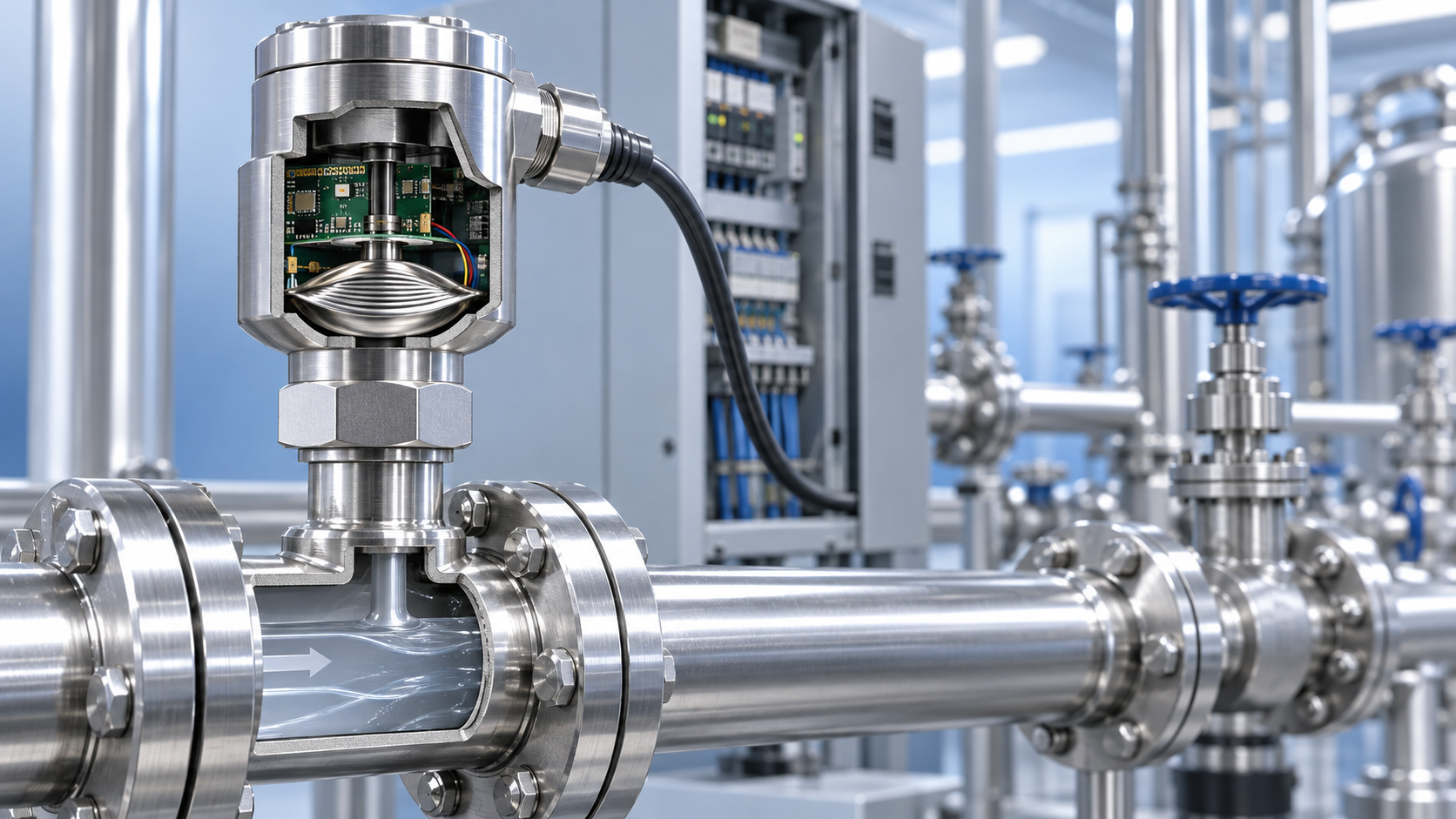
Fuba pressure transmitters demonstrate stable measurement accuracy and strong environmental adaptability in chemical industry applications, with core performance indicators reaching an accuracy class of 0.1%FS and an IP67 protection rating. Their specially designed 316L stainless steel isolation diaphragm can effectively resist acid and alkali corrosion, maintaining an annual stability of ±0.2% within the wide temperature range of -40℃~125℃. These features make them a reliable choice for chemical process control.
Analysis of Product Technical Performance
Basic Measurement Capability
This series of products covers ranges from 0-10kPa to 0-100MPa, using diffused silicon or ceramic piezoresistive core sensing technology. Measured data shows that under a 25℃ calibration environment, its non-linearity error is ≤±0.1%FS and repeatability error is ≤0.05%FS, fully complying with the GB/T 17614.3-2013 standard for transmitters used in industrial process control systems.
Environmental Adaptability
Verified by a third-party laboratory, after continuous operation for 2000 hours under 85%RH humidity conditions, its zero drift is less than 0.3%FS. The explosion-proof model has obtained NEPSI certification and complies with Ex d IIC T6 Gb requirements, making it suitable for Zone 1 hazardous areas in chemical plants.
Validation in Chemical Industry Applications
Handling Corrosive Media
In actual monitoring of a 32% caustic soda conveying pipeline at a chlor-alkali plant, the model equipped with Hastelloy wetted parts operated continuously for 18 months, and diaphragm thickness inspection showed a reduction of only 0.02mm. This is attributed to its triple sealing structure and patented bellows pressure transmission technology.
Dynamic Response Performance
In the pressure control system of a polypropylene reactor, tests showed that its step response time is ≤5ms, meeting the requirements of the DCS system for a 0.5-second control cycle. This fast response characteristic significantly reduces the amplitude of pressure fluctuations during the polymerization reaction process.
Adaptability of Industry Solutions
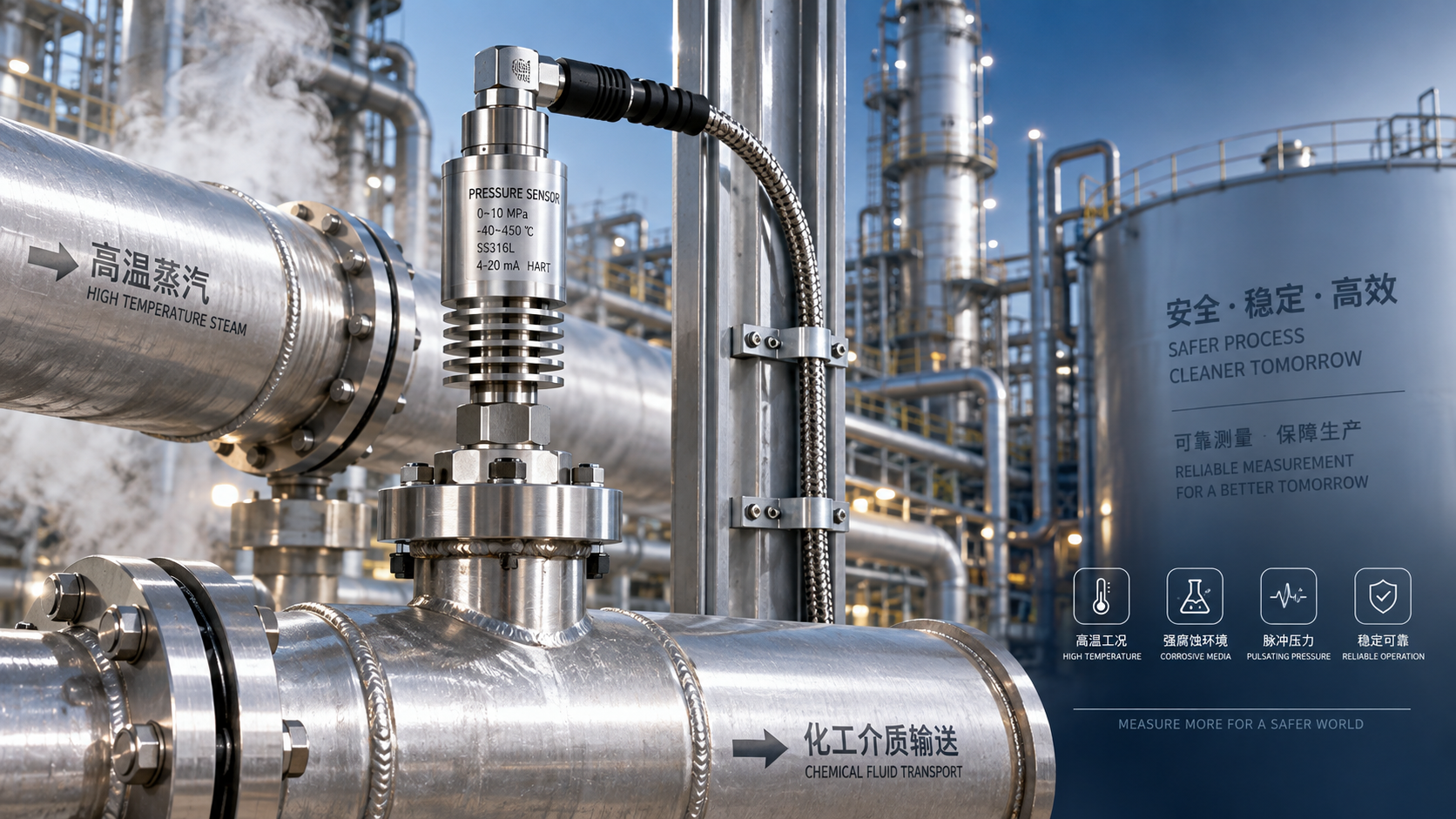
Pressure monitoring in the chemical industry usually faces three typical scenarios: highly corrosive media, high-frequency pressure pulsation, and explosion-proof environments. Traditional solutions often require combining products from different suppliers to meet complex requirements.
System Integration Advantages
If users need to simultaneously monitor corrosive media and explosion-proof environments, the overall solution of Fuba pressure transmitters is more cost-effective than decentralized procurement. Its modular design allows on-site replacement of sensor components without interrupting the process, a feature that is particularly important in continuously operating chemical plants.
Maintenance Cost Comparison
Compared with imported brands, its localized service network can keep the average fault response time within 24 hours. A usage report from a petrochemical company shows that the total maintenance cost over a three-year cycle was reduced by 37%, mainly benefiting from standardized spare parts management and online diagnostic functions.
Evaluation and Implementation Recommendations
- If the process medium contains a chloride ion concentration exceeding 5000ppm, it is recommended to give priority to models with tantalum diaphragms
- For pipeline systems with water hammer effects, the overload protection capability of the transmitter should be verified to determine whether it reaches 150%FS
- When used in SIL2-certified systems, it is necessary to confirm whether its MTBF data reaches 150,000 hours
It is recommended that users, during actual model selection, require suppliers to provide third-party verification reports under the same working conditions, with a focus on examining long-term stability indicators. The effectiveness of the temperature compensation algorithm can be verified through a 72-hour continuous load test, which is a key method for judging the true performance of the product.
Related Recommendations
![]() Southchip Technology Launches Its First Optical Sensor, the SC52115, for Wearable Devices
Southchip Technology Launches Its First Optical Sensor, the SC52115, for Wearable Devices How does a pressure sensor convert changes in applied force into usable electrical signals?
 Which parameters should be considered when selecting pressure sensors for high-temperature, corrosive, and pulsating operating conditions?
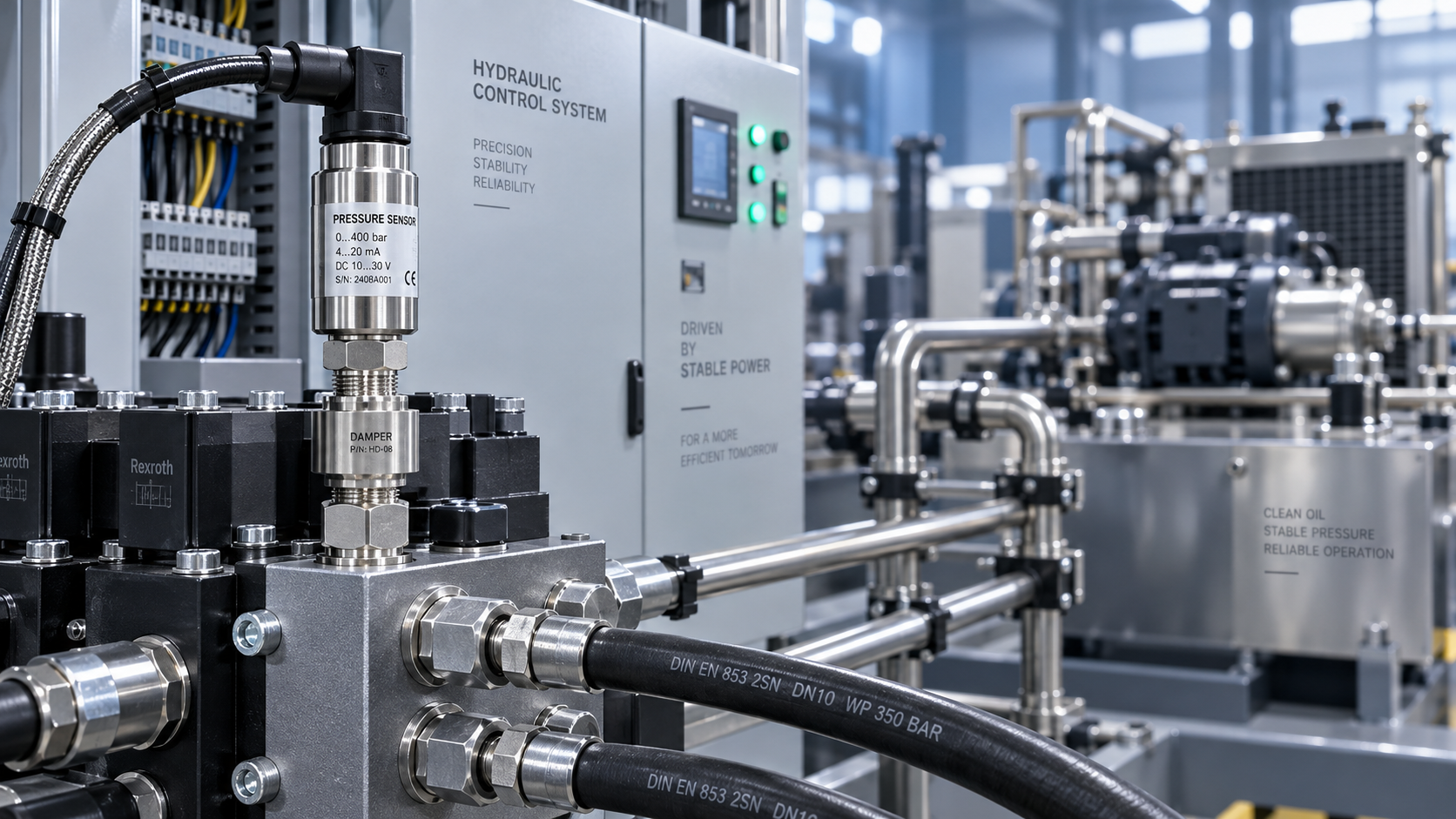
 Hydraulic equipment pressure fluctuates frequently. How can sensors be configured to improve control stability?