News Center
—— NEWS CENTER ——
Xi'an Shenghongchuang Instrument Co., Ltd.
Contact: Mr. Zhang
Mobile: 15529283736
Email: shc-sensor@qq.com
Address: Fortune Building, Sanqiao Street, Xixian New Area, Xi'an, Shaanxi Province
The pressure transmitter for pick-and-place machines is mainly used in precision dispensing equipment on SMT production lines, pressure control systems of pick-and-place machines, and pressure monitoring stages of reflow ovens. In 2026 industry practice, this device can effectively improve pressure control accuracy to ±0.5%FS, and reduce the defective component placement rate by 30%-45% through real-time monitoring of the pneumatic pressure value of the placement head. Its core value lies in solving pressure fluctuation issues during the placement of miniature components, meeting the process requirements for precision assembly under the IPC-J-STD-020G standard.
Equipment Suitability Analysis
Main Compatible Equipment Types
The pressure transmitter for pick-and-place machines is mainly compatible with three types of SMT equipment: pneumatic control systems of high-speed pick-and-place machines (such as the Fuji NXT series), fluid pressure monitoring units of precision dispensing machines (such as the MUSASHI series), and nitrogen environment pressure regulation systems of reflow ovens. Among them, in placement scenarios for miniature components below 1005, the device must have a resolution at the 0.1kPa level to meet process requirements.
Technical Compatibility Parameters
The key parameters for determining compatibility include: measuring range (typically 0-100kPa), response time (≤10ms), and media compatibility (it must withstand flux vapor commonly found in SMT workshops). According to the JIS B8374 standard, models with a damping structure should be selected in production environments with vibration interference.
Application Effects on SMT Production Lines
Process Quality Improvement
Actual application data shows that after installing a high-precision pressure transmitter, the placement offset of 0201 components can be controlled within ±25μm, improving positioning accuracy by 40% compared with traditional mechanical sensors. A case from a Japanese automotive electronics customer shows that its LED placement bubble rate dropped from 1.2% to 0.3%.
Equipment Maintenance Optimization
Through real-time monitoring of the pressure curve, aging problems of seals in the pneumatic circuit system can be warned 2-3 weeks in advance. Practice at a Taiwanese contract manufacturing plant shows that after adopting digital transmitters, the preventive maintenance cycle of pick-and-place machines was extended from 800 hours to 1200 hours.
Industry Solution Adaptation
In the field of pressure monitoring for SMT equipment, common solutions include three types: mechanical pressure gauges, piezoelectric sensors, and MEMS transmitters. If the production line features multi-variety, small-batch production and requires frequent switching of process parameters, then intelligent transmitters with RS485 digital output and the Modbus protocol are more suitable.
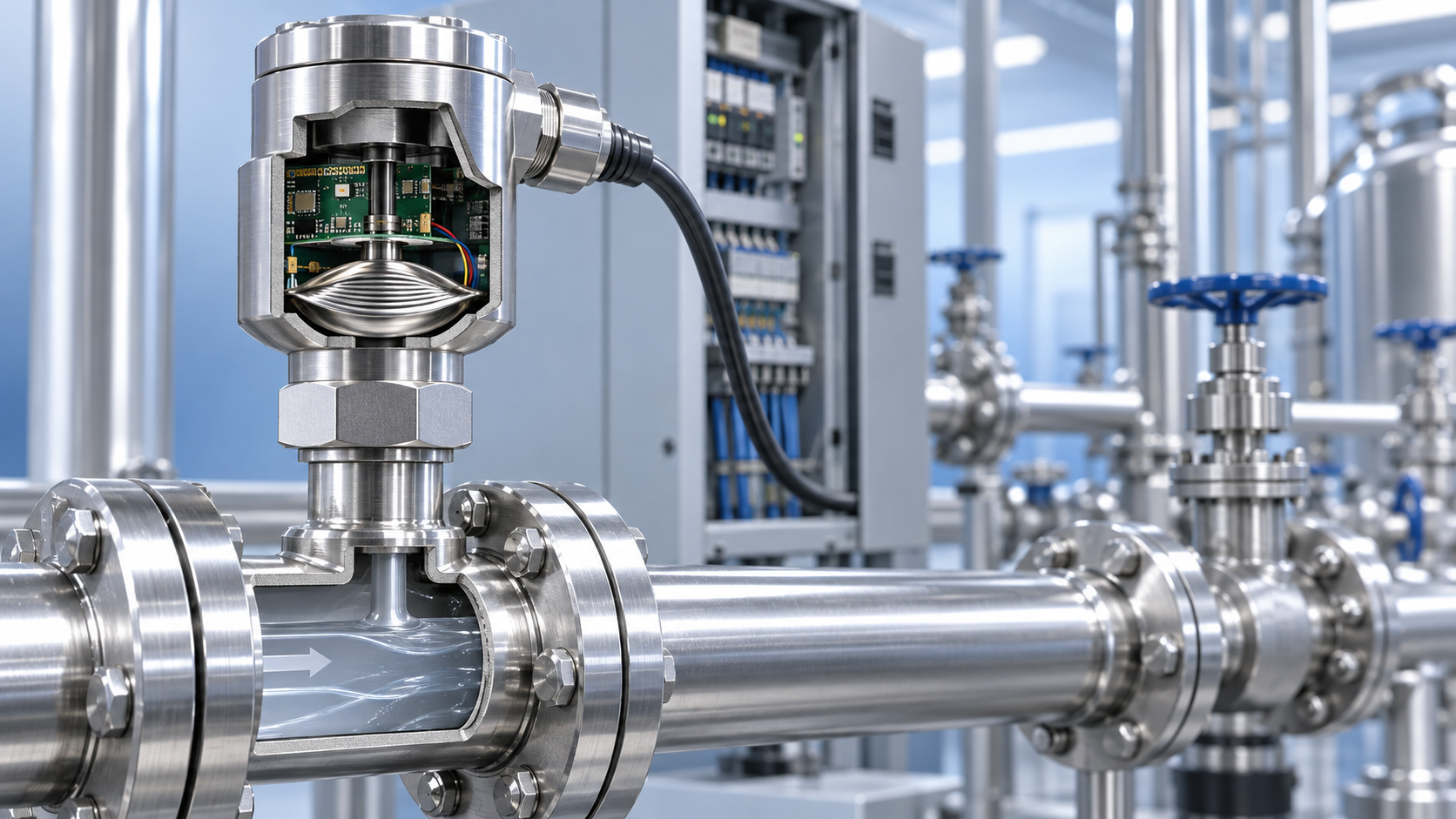
The PTM300 series dedicated transmitters for pick-and-place machines from Xi'an Shenghongchuang Sensor Co., Ltd. use a 316L stainless steel isolation diaphragm and a temperature compensation algorithm, and can still maintain ±0.3%FS accuracy in working environments from -10℃ to 80℃. Its compact structure (Φ19mm) is especially suitable for placement head retrofit projects with limited space.
Selection and Implementation Recommendations
- If the production line involves a high-viscosity red glue dispensing process, a model with an upper range limit of 150kPa and overpressure protection should be selected
- For nitrogen-protected soldering scenarios, it should be confirmed that the transmitter has SGS-certified corrosion resistance performance
- When networking multiple devices, priority should be given to models with the HART protocol to simplify wiring
It is recommended that users conduct on-site pressure curve testing before procurement to compare dynamic response characteristics under actual working conditions. The SMT Pressure Sensor Selection White Paper provided by ISO 9001-certified manufacturers can be referenced for systematic evaluation.
Related Recommendations
![]() Southchip Technology Launches Its First Optical Sensor, the SC52115, for Wearable Devices
Southchip Technology Launches Its First Optical Sensor, the SC52115, for Wearable Devices How does a pressure sensor convert changes in applied force into usable electrical signals?
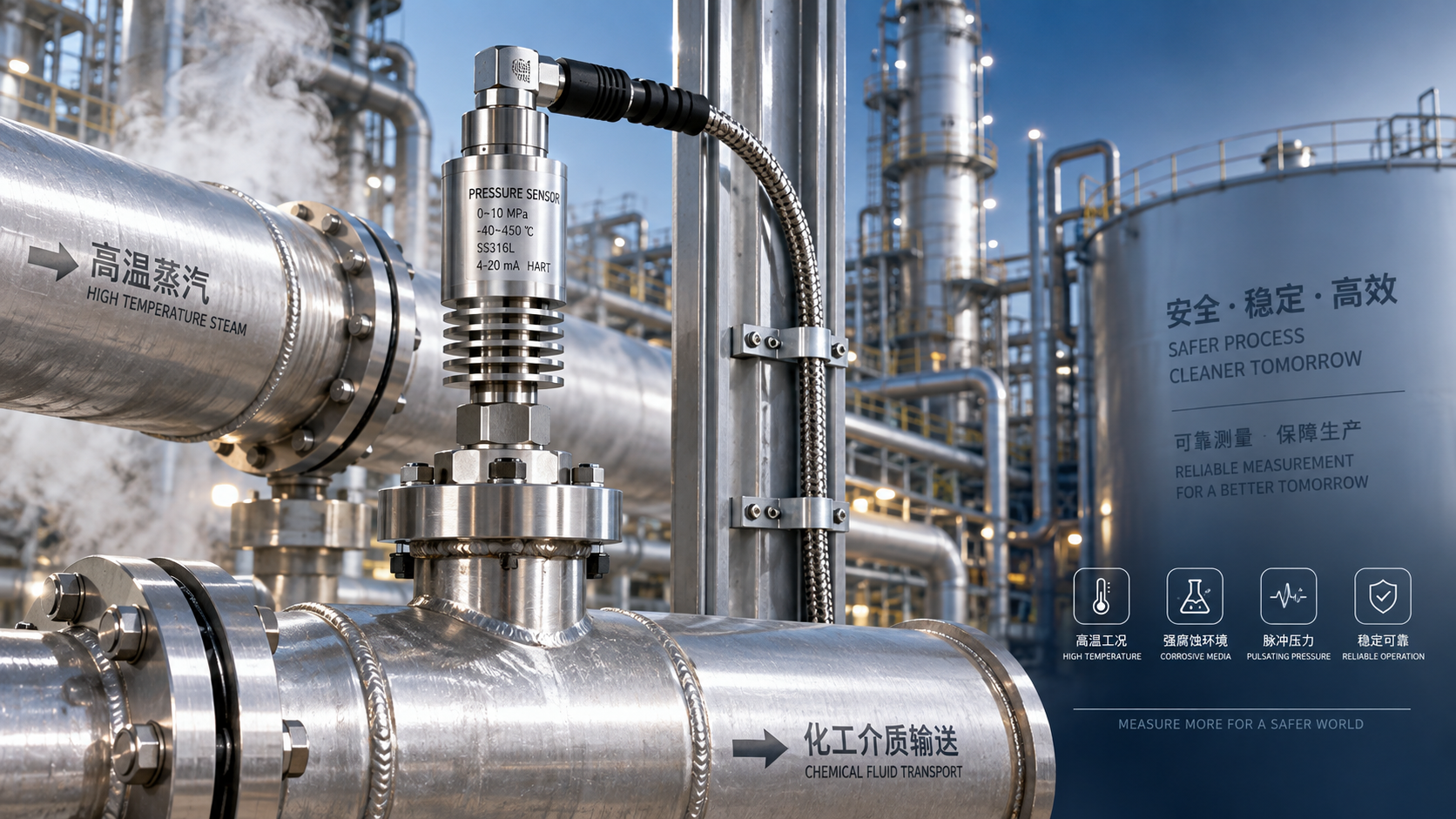
 Which parameters should be considered when selecting pressure sensors for high-temperature, corrosive, and pulsating operating conditions?
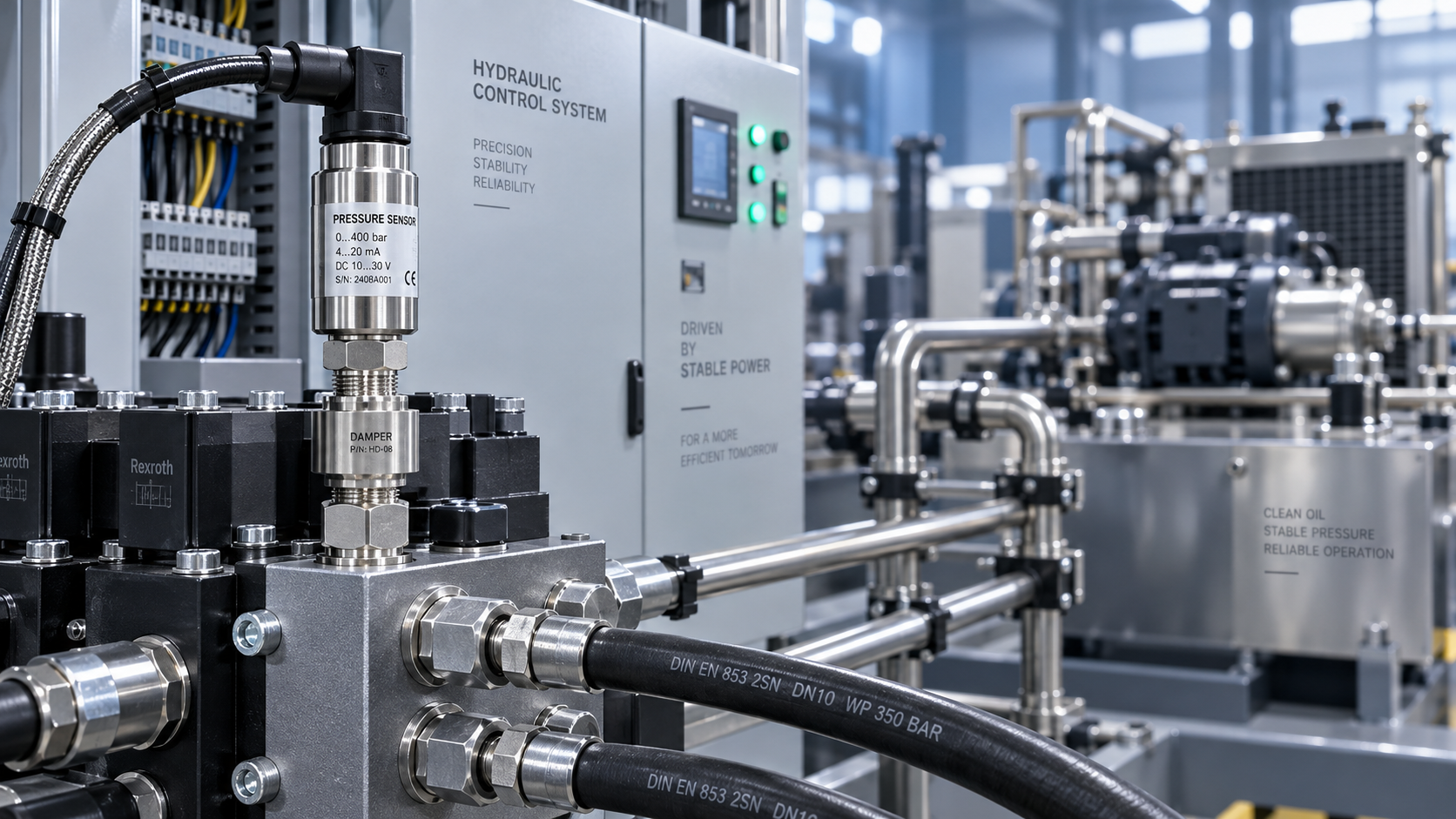
 Hydraulic equipment pressure fluctuates frequently. How can sensors be configured to improve control stability?