News Center
—— NEWS CENTER ——
Xi'an Shenghongchuang Instrument Co., Ltd.
Contact: Mr. Zhang
Mobile: 15529283736
Email: shc-sensor@qq.com
Address: Fortune Building, Sanqiao Street, Xixian New Area, Xi'an, Shaanxi Province
YM-MHQ Pressure Transmitter Common Fault Handling and Diffused Silicon Sensor Repair Tips
The YM-MHQ pressure transmitter is a diffused silicon sensor commonly used in industrial applications,but various faults may inevitably occur during use。This article focuses on pressure transmitter models such as 501-9000031 and PT3100-10-I-U,sharing repair tips for diffused silicon liquid and gas pressure sensors to help operators quickly resolve common faults and improve equipment operating efficiency。
I. Common Fault Diagnosis for YM-MHQ Pressure Transmitters
The YM-MHQ series pressure transmitters may experience the following common faults during use:
1.No output signal:Check whether the power supply voltage is normal(12~36VDC),and confirm whether the wiring terminals are loose or oxidized。For the 501-9400031 model,pay special attention to waterproof treatment of the signal output terminals。
2.Unstable output signal:This may be caused by excessive fluctuations in medium temperature。It is recommended to check whether the ambient temperature is within the range of -10℃~80℃。The PT3100-10-I-U model is relatively sensitive to temperature changes and requires special attention。
3.Zero drift:The typical value is 0.02%FS/℃,and recalibration is required if it exceeds 0.05%FS/℃。The PAA-21SC-80400.33 model is more sensitive to zero drift due to its high-precision characteristics。
4.Overpressure damage:Confirm whether the measured pressure exceeds the allowable overpressure value(2 times full-scale pressure)。The MPM489(0-40MPa)E22B1C5S model especially requires attention to the upper pressure limit。
II. Repair Tips for Diffused Silicon Pressure Sensors
1.Sensor cleaning:For models that come into contact with liquids,such as PT124B-213-2MPa-1/2NPT,regularly clean the sensor diaphragm with anhydrous ethanol to prevent blockage caused by medium crystallization。
2.Circuit board inspection and repair:Use a multimeter to test the circuit board components of the PBLN-C model,focusing on checking the operating status of the voltage regulator diode and operational amplifier。
3.Sealing inspection:For gas pressure sensors such as 2091200PG-H2,use soapy water to check whether there is leakage at the housing seams,ensuring the effectiveness of the IP65/IP67 protection rating。
4.Signal conditioning:When signal interference occurs in the KGY-KGY50 model,a 0.1μF capacitor can be connected in parallel at the output terminal for filtering。
III. Pressure Transmitter Calibration Methods and Precautions
1.Zero calibration:Under no-pressure conditions,adjust the potentiometer to make the output 4mA(or 1V)。The PT3100-10-I-U model must be calibrated within the compensated temperature range(-10℃~55℃)。
2.Full-scale calibration:Apply standard pressure and adjust the gain so that the output is 20mA(or 5V)。For the PAA-21SC-80400.33 model,it is recommended to use a standard pressure source with accuracy better than 0.05%。
3.Temperature compensation:For micro differential pressure sensors with a measurement range of 0~500Pa,such as Domestic Differential Pressure Transmitter PTH802 Wind Pressure Sensor Gas Micro Differential Pressure Transmitter,temperature drift characteristics need to be tested at different ambient temperatures。
4.Long-term stability test:The typical value is ±0.1%FS/year,and the sensor core needs to be replaced if it exceeds ±0.2%FS/year。
IV. Comparison of Characteristics of Different Pressure Transmitter Models
V. Daily Maintenance Recommendations for Pressure Transmitters
1.Regular inspection:Check zero drift and sensitivity changes once a month,and record long-term stability data。
2.Environmental control:Keep the working environment dry and clean,and prevent dust from entering the sensor。For display-type transmitters such as PBLN-C,prevent the display screen from moisture exposure。
3.Lightning protection measures:During thunderstorm seasons,install lightning protection devices for outdoor-mounted sensors such as 2091200PG-H2。
4.Spare parts management:Keep consumable parts for commonly used models in stock,such as sealing rings and circuit boards,including the dedicated connector for KGY-KGY50。
Summary and Recommendations
Mastering the fault diagnosis and repair techniques for YM-MHQ pressure transmitters can significantly improve equipment operating efficiency。For pressure measurement requirements under special working conditions,such as micro differential pressure environments,professional equipment such as Domestic Differential Pressure Transmitter PTH802 Wind Pressure Sensor Gas Micro Differential Pressure Transmitter can be considered。It features convenient designs such as a Φ8 nozzle with M10x1 mounting screws,making it suitable for various industrial scenarios。
To learn more about pressure transmitter repair technologies or obtain professional equipment support,please contact our technical team for customized solutions。
Related Recommendations
![]() Southchip Technology Launches Its First Optical Sensor, the SC52115, for Wearable Devices
Southchip Technology Launches Its First Optical Sensor, the SC52115, for Wearable Devices How does a pressure sensor convert changes in applied force into usable electrical signals?
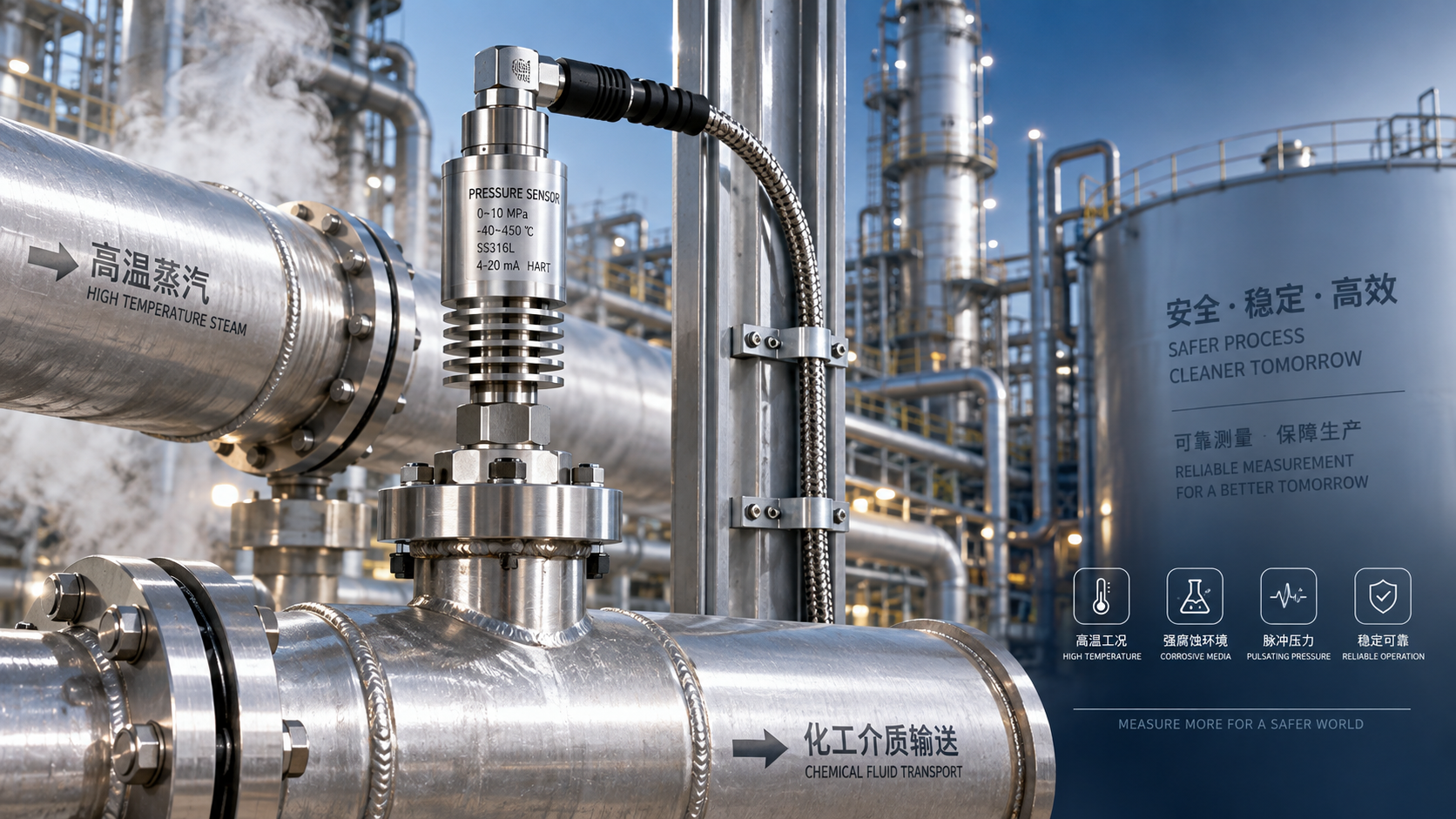
 Which parameters should be considered when selecting pressure sensors for high-temperature, corrosive, and pulsating operating conditions?
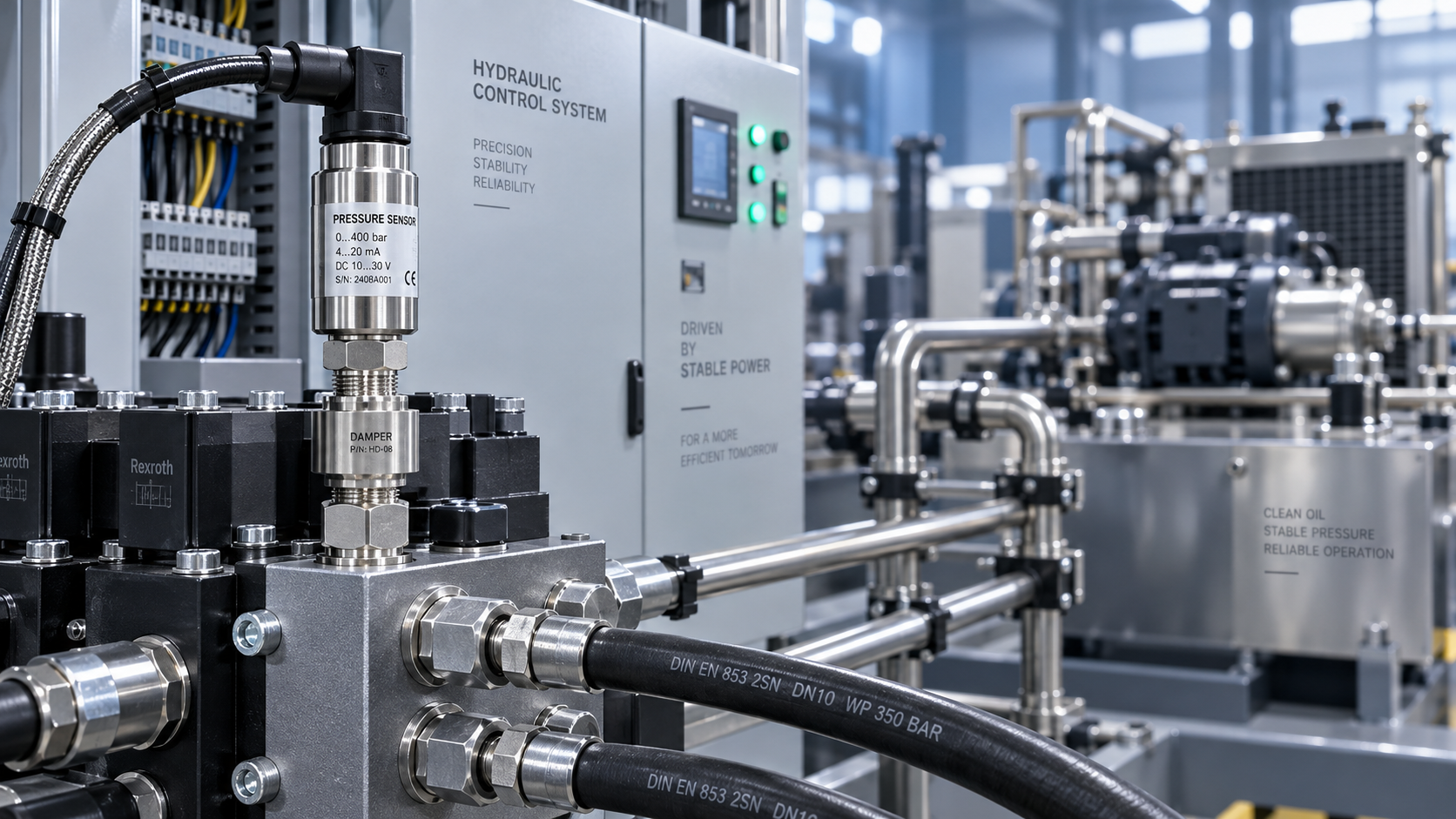
 Hydraulic equipment pressure fluctuates frequently. How can sensors be configured to improve control stability?