News Center
—— NEWS CENTER ——
Xi'an Shenghongchuang Instrument Co., Ltd.
Contact: Mr. Zhang
Mobile: 15529283736
Email: shc-sensor@qq.com
Address: Fortune Building, Sanqiao Street, Xixian New Area, Xi'an, Shaanxi Province
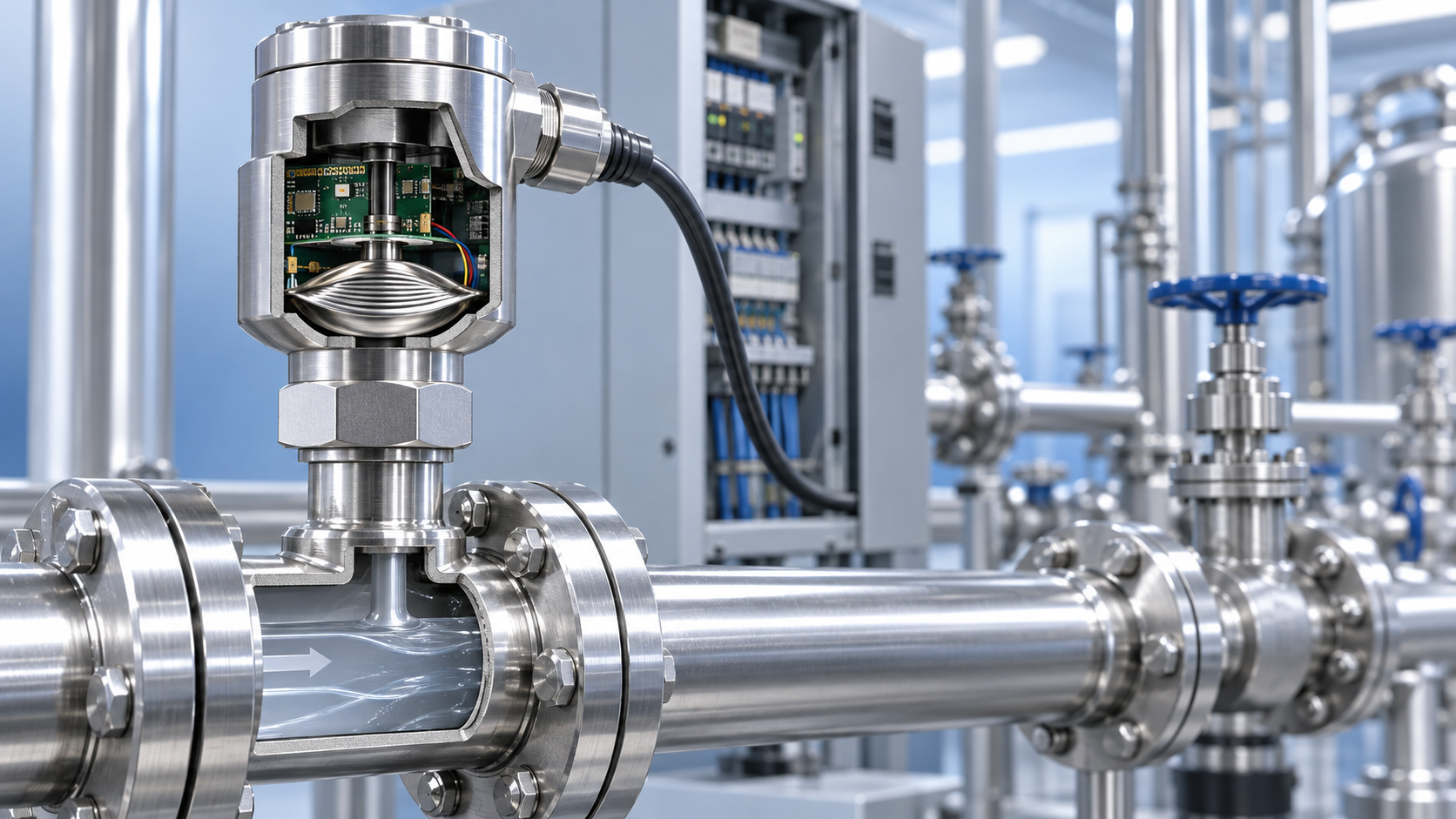
Analysis of Common Installation Issues for the YM-7 Differential Pressure Transmitter, Technical Support from Xi'an Manufacturer Experts
As a professional sensor/transmitter manufacturer in Xi'an, Shenghongchuang Instrumentation has summarized 5 typical fault solutions for common issues such as pressure port leakage and zero drift during the installation of the YM-7 differential pressure transmitter. This article specifically shares installation and commissioning tips for differential pressure sensors in the PTS801, DMP338, and other series, helping engineering personnel quickly complete equipment commissioning.
I. Preparation Work Before Installing the YM-7 Differential Pressure Transmitter
Before installing the YM-7 differential pressure transmitter, sufficient preparation must be made to ensure the installation process proceeds smoothly. First, check whether the equipment packaging is intact, confirm whether the equipment model is the YM-7 differential pressure transmitter, and verify whether the technical parameters meet the design requirements. Second, prepare the tools and materials required for installation, such as wrenches, sealant, pressure gauges, etc. Finally, ensure that the installation environment meets the requirements, and avoid installation in environments with high temperature, high humidity, or strong electromagnetic interference.
For differential pressure sensors in the PTS801, DMP338, and other series, pre-installation preparation is equally important. These devices have relatively high requirements for the installation environment, so before installation it is necessary to ensure that parameters such as ambient temperature, humidity, and electromagnetic interference are within the allowable range. In addition, it is also necessary to check the interface dimensions and connection methods of the equipment to ensure they match the pipeline or equipment interface.
II. Common Problems and Solutions During the Installation of the YM-7 Differential Pressure Transmitter
During the installation of the YM-7 differential pressure transmitter, common problems include pressure port leakage, zero drift, and unstable signal output. The following are detailed solutions to these problems:
- Pressure port leakage: Check whether the sealing gasket is intact, ensure that the interface threads are undamaged, and use appropriate sealant for sealing.
- Zero drift: After installation is completed, perform zero-point calibration to ensure that the device output signal is zero under no-pressure conditions.
- Unstable signal output: Check whether the power supply voltage is stable, ensure that the signal line connections are secure, and avoid electromagnetic interference.
For differential pressure transmitters such as the DMP335 and ZFBY3083T models, the problems that may be encountered during installation are similar. Therefore, the above solutions are also applicable to these devices.
III. Commissioning and Calibration of the YM-7 Differential Pressure Transmitter
After installation is completed, the YM-7 differential pressure transmitter needs to be commissioned and calibrated to ensure its measurement accuracy and stability. During the commissioning process, a standard pressure source is required to pressurize the device and check whether the output signal corresponds to the pressure value. If any deviation is found, calibration can be performed by adjusting the zero point and range of the device.
For differential pressure transmitters such as the DS6100 and BYP610 models, the methods of commissioning and calibration are similar. It should be noted that different models of equipment may have different calibration steps, so the equipment manual should be read carefully before commissioning.
IV. Maintenance and Care of the YM-7 Differential Pressure Transmitter
To ensure the long-term stable operation of the YM-7 differential pressure transmitter, regular maintenance and care are essential. Maintenance work includes checking whether the appearance of the equipment is damaged, cleaning the pressure port, and checking whether the signal line connections are secure. In addition, it is recommended to calibrate the device at regular intervals to ensure its measurement accuracy.
For differential pressure transmitters such as the CY-DB2104 and LDN100 models, the methods of maintenance and care are similar. It should be noted that different models of equipment may have different maintenance requirements, so the equipment manual should be read carefully before maintenance.
V. Common Troubleshooting for the YM-7 Differential Pressure Transmitter
During the use of the YM-7 differential pressure transmitter, some faults may occur, such as no output signal from the device and unstable output signal. The following are troubleshooting methods for these faults:
- No output signal from the device: Check whether the power supply is connected, whether the signal line connections are secure, and whether the device is damaged.
- Unstable output signal: Check whether the power supply voltage is stable, whether the signal line is subject to electromagnetic interference, and whether the device needs calibration.
For differential pressure transmitters such as the SP-832 model, the troubleshooting methods are similar. It should be noted that different models of equipment may have different fault manifestations, so the equipment manual should be read carefully before troubleshooting.
Summary and Call to Action
As an important component in flow control equipment, the installation, commissioning, and maintenance of the YM-7 differential pressure transmitter are of vital importance. Through the introduction in this article, we believe you now have a deeper understanding of the common installation issues and solutions for the YM-7 differential pressure transmitter. If you encounter any problems during installation or use, please feel free to contact the technical team of Xi'an Shenghongchuang Instrumentation Co., Ltd., and we will provide you with professional technical support and solutions.
Contact us now to learn more about installation and commissioning tips and solutions for differential pressure sensors in the PTS801, DMP338, and other series.
Related Recommendations
![]() Southchip Technology Launches Its First Optical Sensor, the SC52115, for Wearable Devices
Southchip Technology Launches Its First Optical Sensor, the SC52115, for Wearable Devices How does a pressure sensor convert changes in applied force into usable electrical signals?
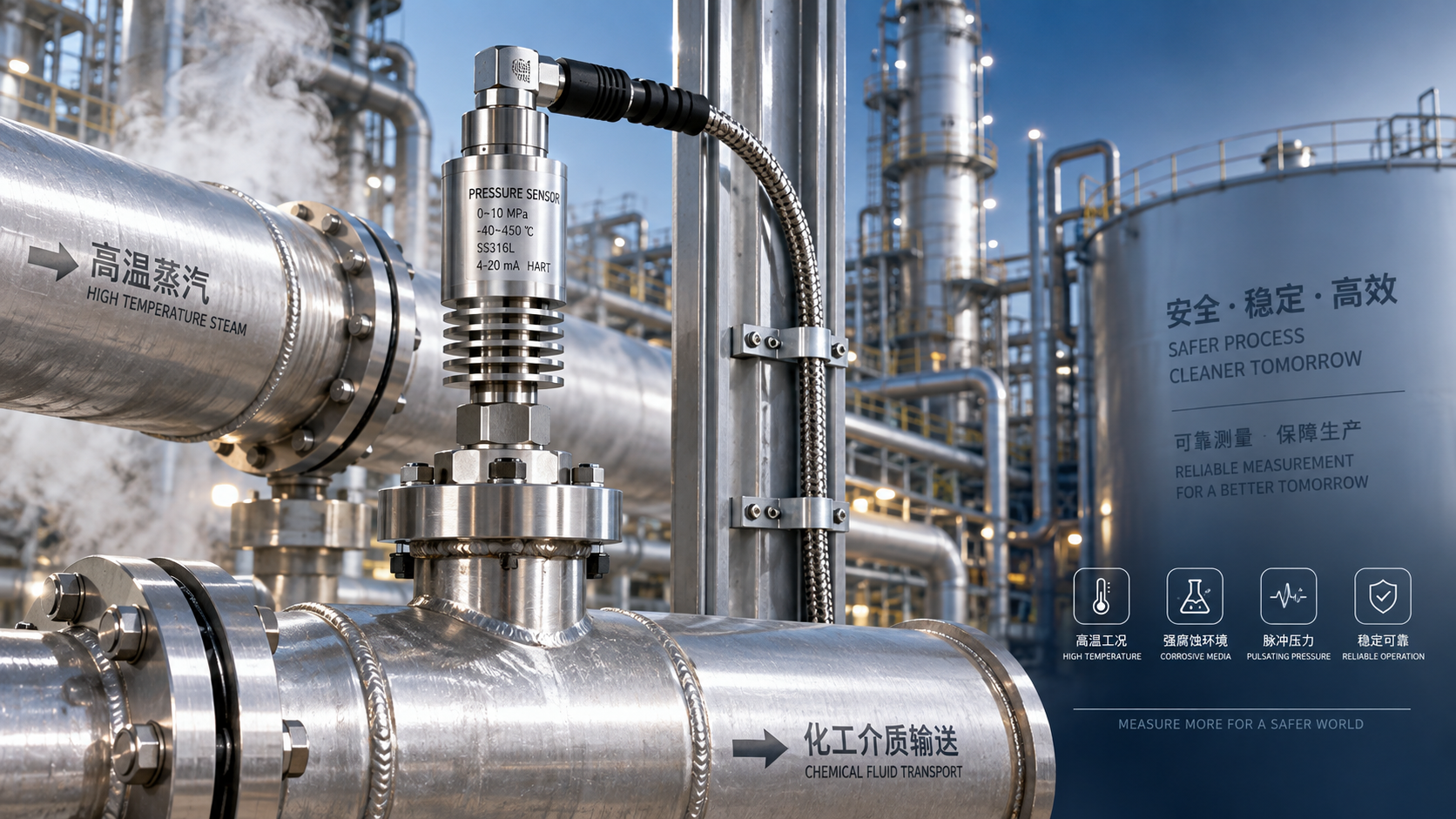
 Which parameters should be considered when selecting pressure sensors for high-temperature, corrosive, and pulsating operating conditions?
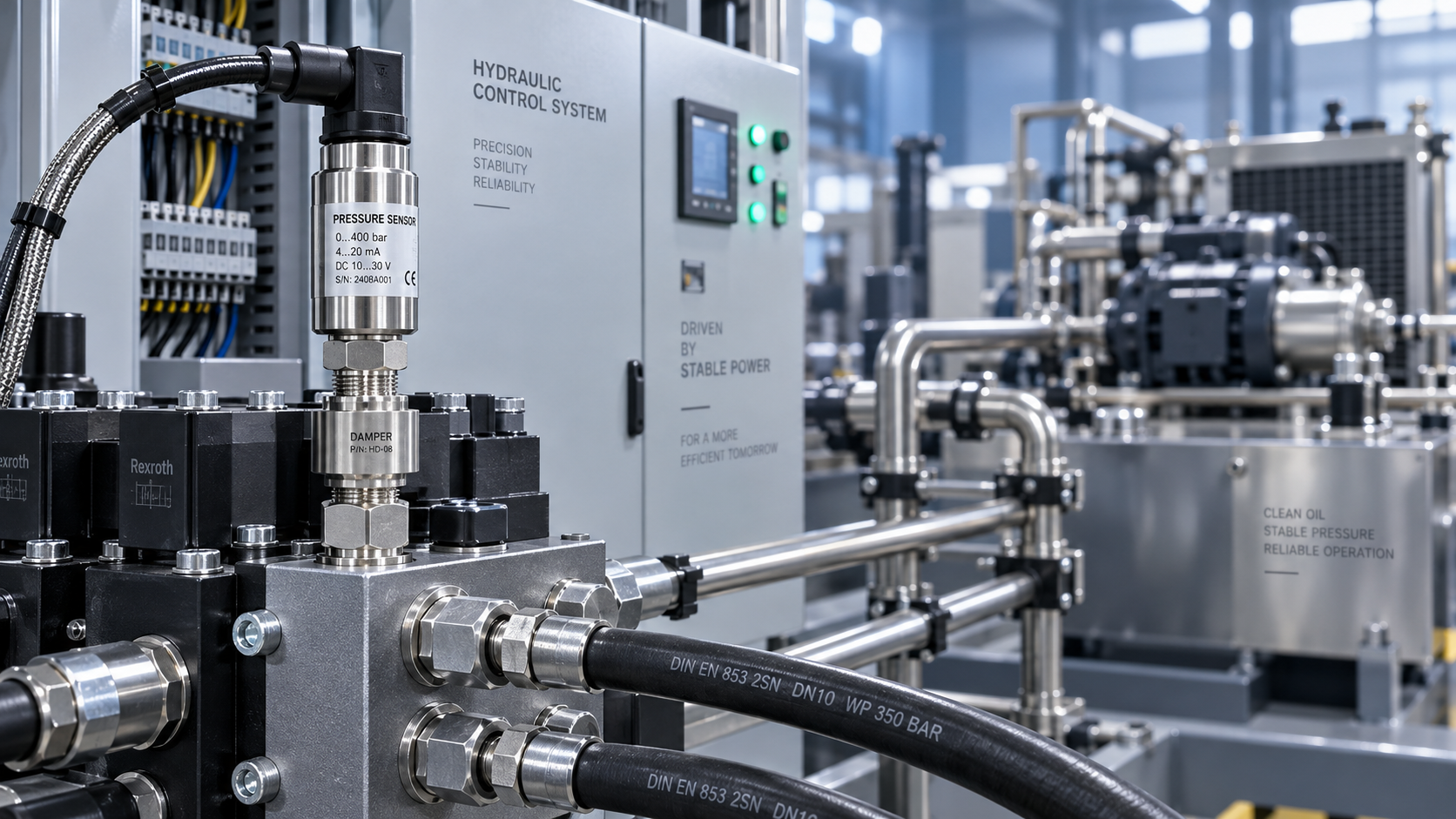
 Hydraulic equipment pressure fluctuates frequently. How can sensors be configured to improve control stability?