News Center
—— NEWS CENTER ——
Xi'an Shenghongchuang Instrument Co., Ltd.
Contact: Mr. Zhang
Mobile: 15529283736
Email: shc-sensor@qq.com
Address: Fortune Building, Sanqiao Street, Xixian New Area, Xi'an, Shaanxi Province
In the field of industrial automation, the precise selection of the VP-VP461 pressure transmitter directly affects system stability. This article focuses on the core needs of technical evaluators, starting from 5 key indicators such as measurement range and accuracy class, to help you quickly match the best operating condition solution for diffused silicon liquid and gas pressure sensors and solve technical difficulties in the selection process.
I. Analysis of the Core Selection Indicators for Diffused Silicon Pressure Transmitters
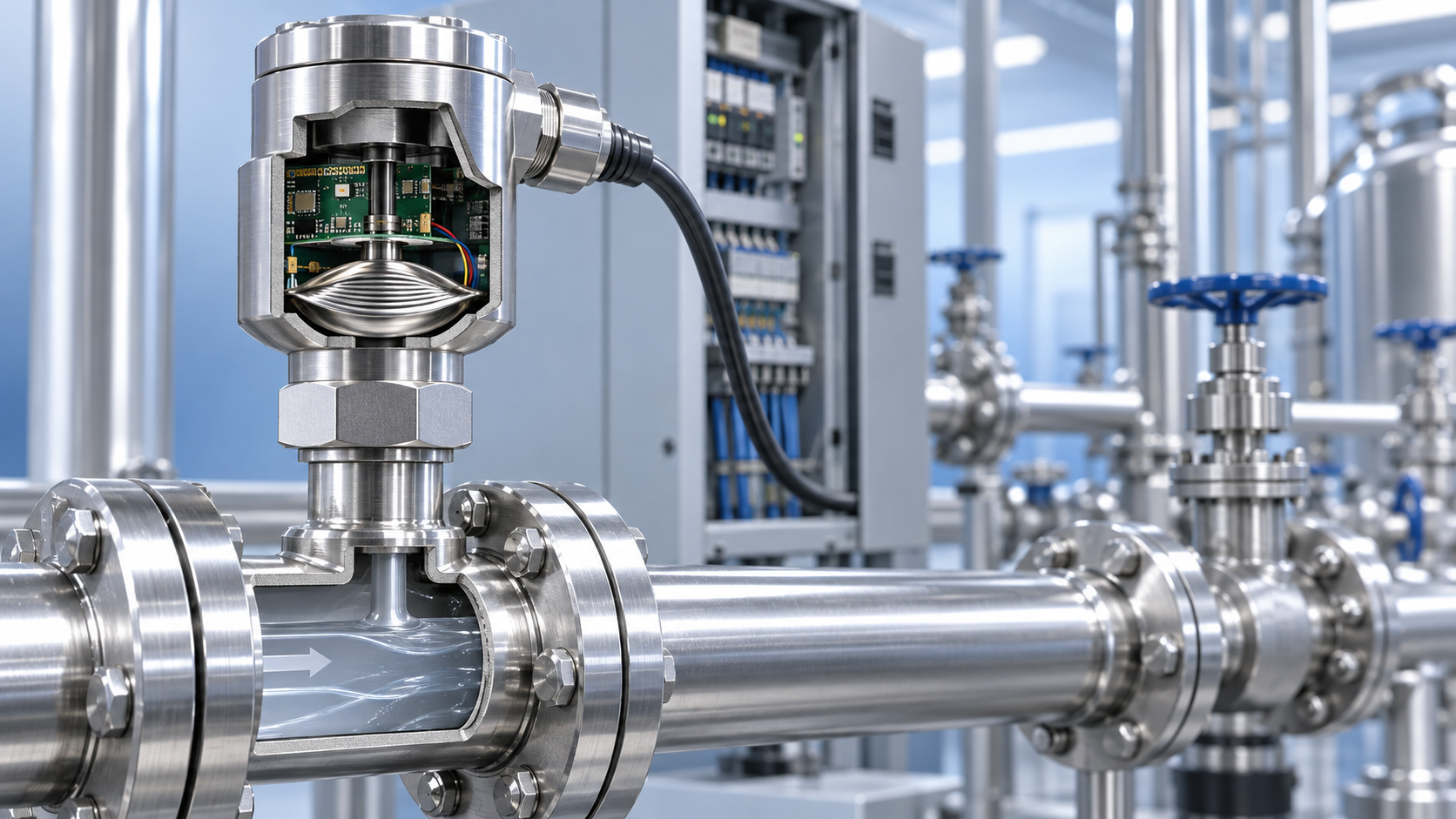
As the core component of flow control equipment, the performance evaluation of the VP-VP461 pressure transmitter needs to focus on five dimensions: the measurement range determines operating condition compatibility, and a 10%-20% safety margin should be reserved; the accuracy class affects system control quality, and the process control field usually requires Class 0.25 or higher; media compatibility is directly related to service life, and 316L stainless steel diaphragms can handle highly corrosive liquids and gases; the temperature compensation range needs to cover ambient operating conditions of -10-70℃; the long-term stability index should be ≤0.2%FS/year to ensure lasting and reliable system operation. Taking the domestic EVT200A diffused silicon integrated differential pressure transmitter as an example, its optional Class 0.1 accuracy and 150%FS overload capacity are particularly suitable for high-demand scenarios such as aerospace and medical equipment.
II. Comparative Analysis of Diffused Silicon Sensor Technology
Compared with traditional piezoresistive and capacitive sensors, diffused silicon liquid and gas pressure sensors have significant advantages in response speed (up to millisecond level) and temperature stability (±1.5%FS/℃ drift). However, different models such as TS-TS205 and NPT-NPT101 differ in electromagnetic interference resistance and degree of customization. During technical evaluation, attention should be paid to the following: medical equipment should give priority to models with reverse polarity protection; HVAC systems focus on ambient temperature adaptability; the automotive field requires transmitters with vibration-resistant design.
Technical Parameter Comparison Table for Typical Application Scenarios
III. Common Selection Misconceptions and Solutions
There are often three cognitive biases in technical evaluation: first, blindly pursuing high accuracy while ignoring cost performance, whereas in fact Class 0.5 accuracy is sufficient for HVAC systems; second, ignoring diaphragm corrosion problems caused by media crystallization, in which case the PT-C series with PTFE coating should be selected; third, failing to consider the impact of installation methods on measurement accuracy, as the difference in mechanical stress between flange mounting and threaded mounting can reach 3%FS. The engineering team of Xi'an Shenghongchuang Instrument Co., Ltd. recommends providing detailed parameters such as media composition and vibration operating conditions during the selection stage to obtain customized solutions.
IV. Why Choose Our Technical Support
As a high-tech enterprise in a national-level new district, we have three unique advantages: 1)a self-developed production line for diffused silicon chips covering the full measurement range, providing Class 0.1 accuracy products from 10kPa to 2.5MPa; 2)a reliability laboratory established in accordance with the ISO9001 system, where each VP-VP461 pressure transmitter undergoes a 72-hour aging test; 3)support for customization under special operating conditions according to the ASME B40.1 standard. For scenarios requiring simultaneous measurement of differential pressure values, we recommend the EVT200A diffused silicon integrated differential pressure transmitter with a modular design, whose electromagnetic compatibility characteristics have passed third-party EMC certification.
V. Technical Q&A and Follow-up Support
For professional technical consultations such as drift issues of the PT500-708 pressure transmitter under high-temperature operating conditions and explosion-proof certification for the YSJ-B3 model, our engineering team provides 7×24-hour response service. We also provide: 1)free operating condition analysis reports; 2)comparison of sample measured data; 3)value-added services such as installation guidance videos. Click to obtain the latest edition of the "Selection Manual for Diffused Silicon Liquid and Gas Pressure Sensors", which includes 18 industry application cases and parameter comparison tables.
Related Recommendations
![]() Southchip Technology Launches Its First Optical Sensor, the SC52115, for Wearable Devices
Southchip Technology Launches Its First Optical Sensor, the SC52115, for Wearable Devices How does a pressure sensor convert changes in applied force into usable electrical signals?
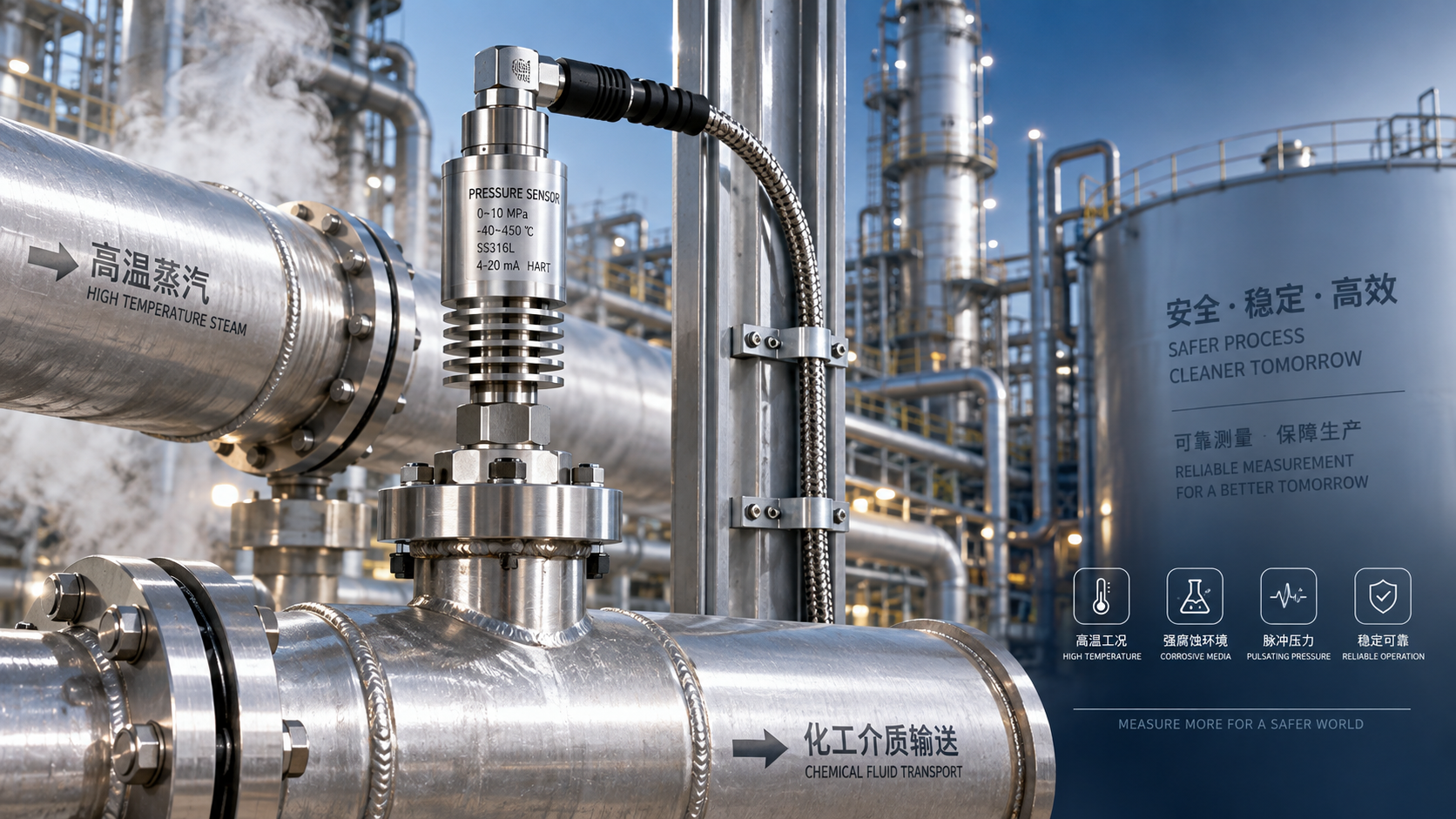
 Which parameters should be considered when selecting pressure sensors for high-temperature, corrosive, and pulsating operating conditions?
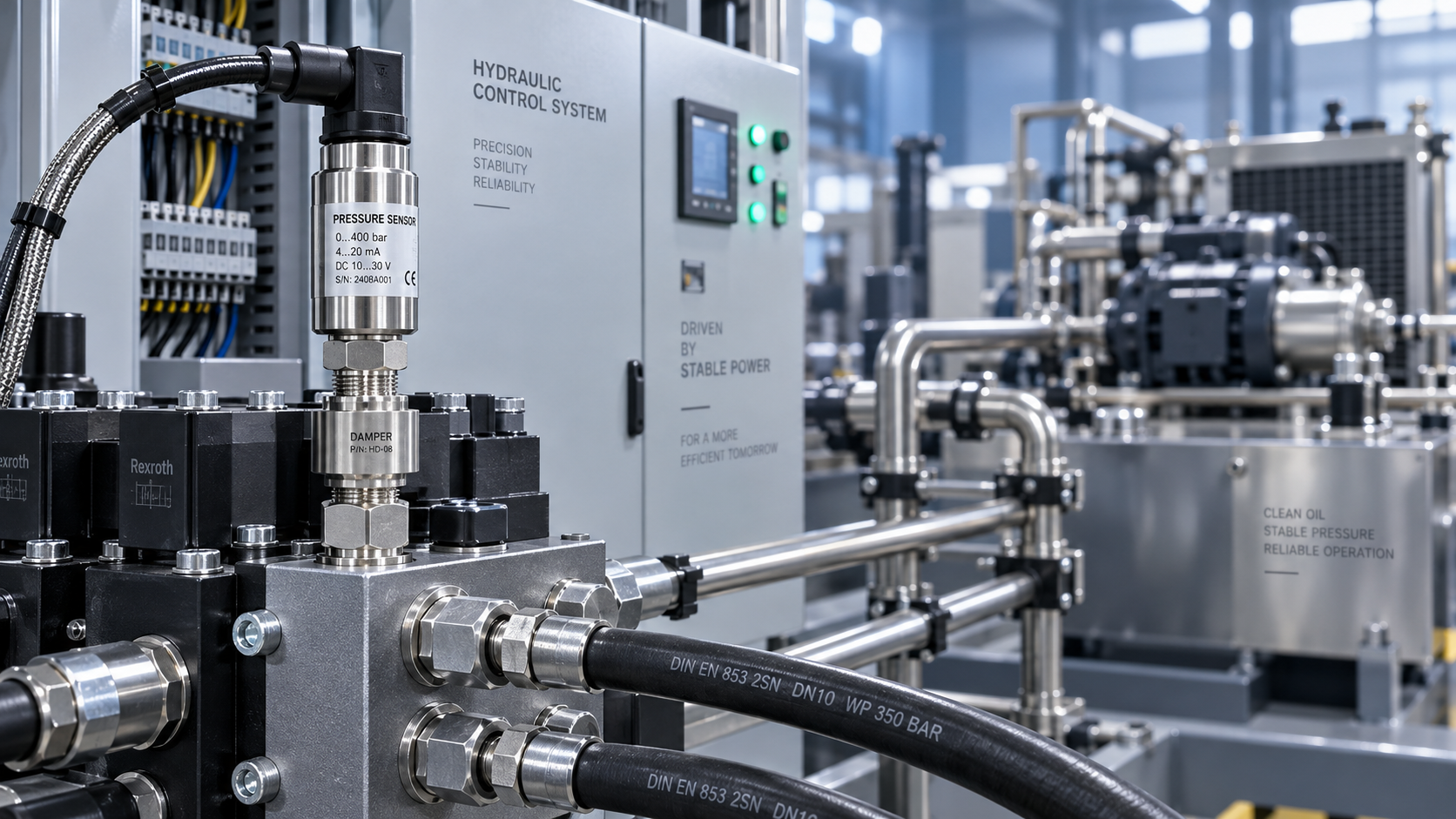
 Hydraulic equipment pressure fluctuates frequently. How can sensors be configured to improve control stability?