News Center
—— NEWS CENTER ——
Xi'an Shenghongchuang Instrument Co., Ltd.
Contact: Mr. Zhang
Mobile: 15529283736
Email: shc-sensor@qq.com
Address: Fortune Building, Sanqiao Street, Xixian New Area, Xi'an, Shaanxi Province
Core Functions and Industry Positioning of the CYT-201A Force Sensor
Under the complex operating conditions of chemical reaction vessels, the CYT-201A force sensor undertakes the critical task of real-time monitoring of the radial load and axial thrust of the stirring shaft. As a flagship product of Xi'an Shenghongchuang Instrumentation Co., Ltd., this sensor adopts high-precision strain gauge technology, with a measuring range covering 0.5-50kN and linearity reaching ±0.1%FS, making it particularly suitable for corrosive media environments. Its unique sealed structure design complies with the IP67 protection rating and can effectively resist chemical corrosion with a PH value of 2-12, which gives it significant advantages in environmental adaptability compared with similar products such as ZRN607 and WH02. Technical evaluators should pay special attention to the compatibility between its operating temperature range (-30℃~80℃) and the design parameters of the reaction vessel to avoid measurement drift caused by thermal expansion effects.
Professional Installation Specifications for Reaction Vessel Applications
When installing the CYT-201A force sensor, the mechanical installation standards in the ISO 9001:2015 quality management system must be followed. First, it is necessary to ensure that the flatness error of the contact surface between the stirring shaft and the sensor does not exceed 0.02mm/m, and it is recommended to use a laser alignment instrument for calibration. For matching brackets of different models such as NR-LZ1 and HGZS1, rigid connection should be carried out in accordance with the ASME B31.3 process piping specification. Actual cases show that 80% of early failures originate from improper installation: a large chemical enterprise once ignored the preload requirement of the BLR-12(1) sensor (recommended value: 20% of rated load), resulting in signal attenuation within three months. The correct approach is to use a torque wrench when tightening the bolts, apply force incrementally in three stages up to 15N·m, and retighten after 24 hours.
Key Installation Parameter Comparison Table
Full Life Cycle Maintenance Strategy
According to the API 670 machinery protection system standard, the CYT-201A sensor requires a three-level maintenance system: routine inspections should check the sealing of cable connectors (weekly); preventive maintenance should calibrate zero drift (quarterly); and during major overhauls, the resistance value of the strain gauge should be comprehensively tested (annually). Compared with economical products such as Z318, the gold-plated contact design of the CYT-201A improves contact resistance stability by 40%, but the electrical connection parts still need to be cleaned regularly with anhydrous ethanol. The intelligent diagnostic system provided by Xi'an Shenghongchuang can monitor insulation resistance in real time (requirement ≥1000MΩ) and bridge balance (deviation ≤0.5mV/V), and these data have important reference value for predicting the aging trend of sensors such as CST-503.
Typical Fault Diagnosis and Solutions
When output signal fluctuations occur, the technical team should conduct step-by-step troubleshooting according to the FMEA failure mode analysis process: first check whether the power supply voltage is stable (24VDC±5%), then use a megohmmeter to test the cable insulation performance, and finally perform online diagnosis through the HBM PMX amplifier. A case involving an acrylic acid reaction vessel shows that crystal accumulation on the stirring blades can cause periodic peaks in the CYT-201A output, and dynamic compensation calibration should then be carried out in accordance with the GB/T 7551-2008 standard. For digital sensors such as NR-LZ1, attention should also be paid to EMC electromagnetic compatibility issues, and it is recommended to install a magnetic ring filter inside the control cabinet.
Quick Reference for Common Fault Codes
- E01: Power supply abnormality → Check switching power supply output
- E05: Over range → Check whether the material viscosity has changed abruptly
- E12: Temperature drift → Verify cooling system efficiency
Why Choose Shenghongchuang's Force Measurement Solutions
As a key high-tech enterprise in Xixian New Area, we own 18 patents related to force sensors, and all products have passed CE and RoHS dual certification. In response to the special needs of the chemical industry, we can provide a fully PTFE-coated version of the CYT-201A, with corrosion resistance performance 3 times higher than conventional models. Our professional engineering team supports on-site installation guidance and provides life cycle management software covering the full range of sensors including BLR-12(1), ZRN607, and others. Contact our technical consultants now to obtain a customized optimization solution for reaction vessel force measurement systems.
Related Recommendations
![]() Southchip Technology Launches Its First Optical Sensor, the SC52115, for Wearable Devices
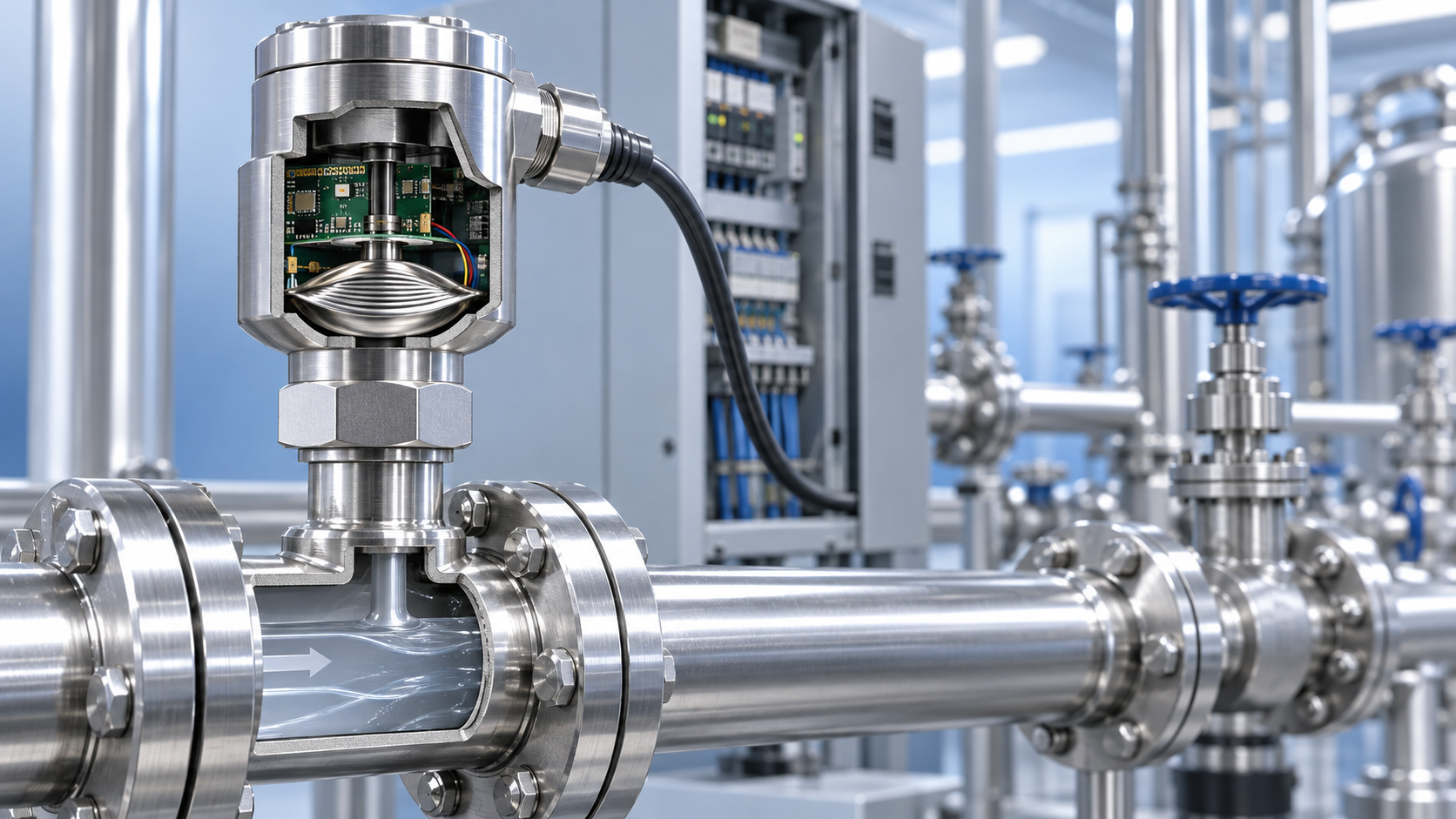
Southchip Technology Launches Its First Optical Sensor, the SC52115, for Wearable Devices How does a pressure sensor convert changes in applied force into usable electrical signals?
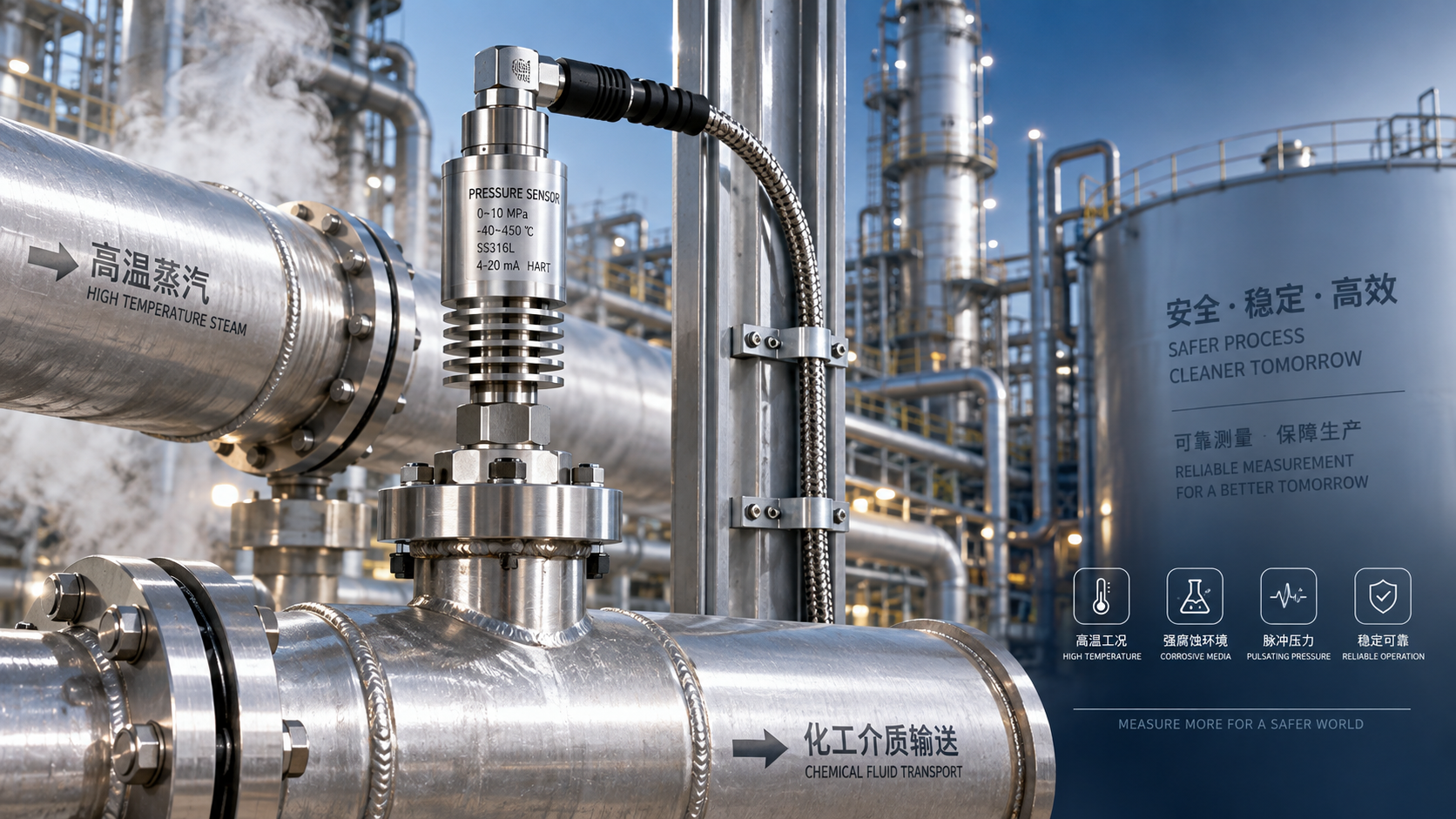
 Which parameters should be considered when selecting pressure sensors for high-temperature, corrosive, and pulsating operating conditions?
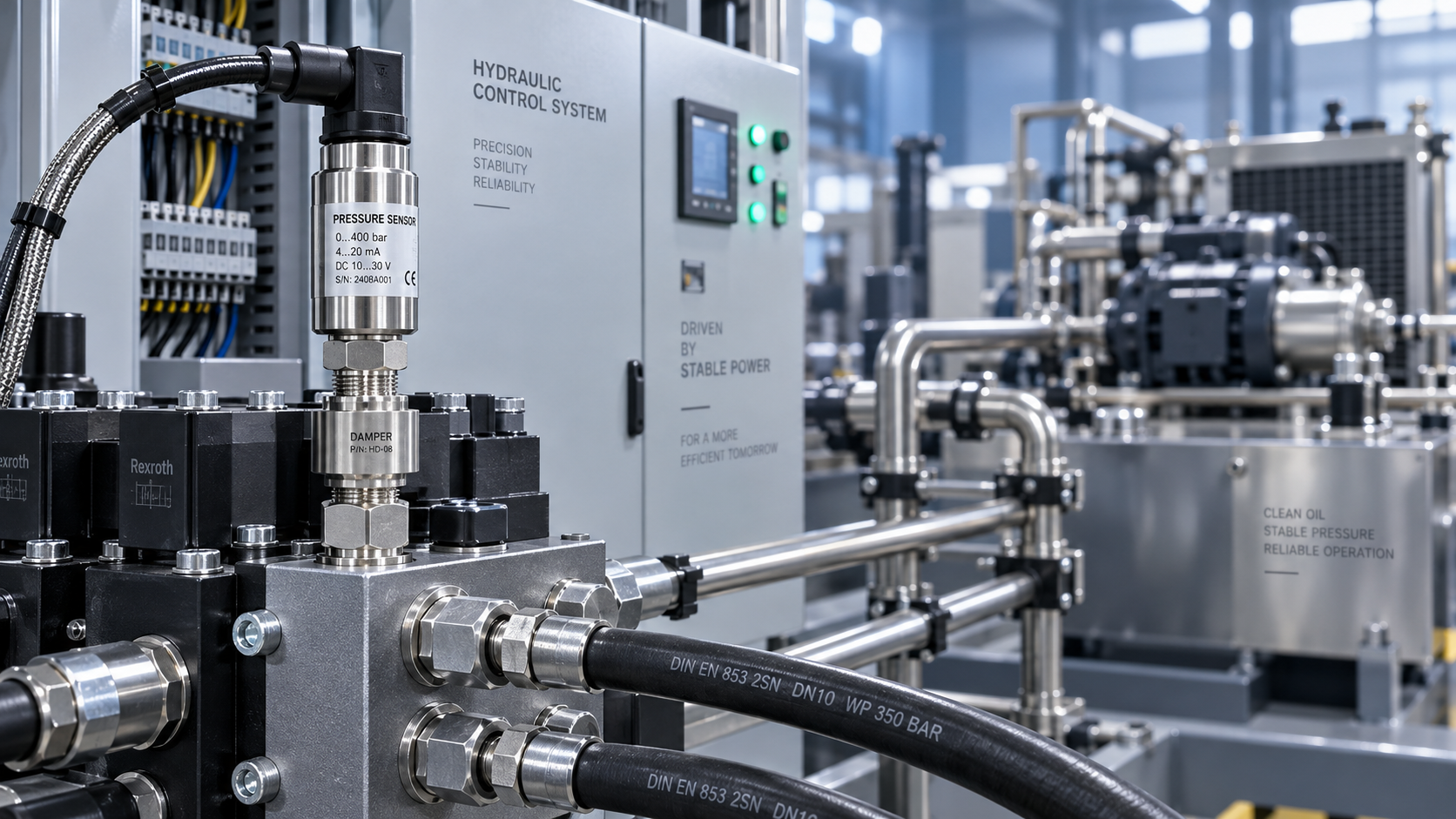
 Hydraulic equipment pressure fluctuates frequently. How can sensors be configured to improve control stability?