


News Center
—— NEWS CENTER ——
Xi'an Shenghongchuang Instrument Co., Ltd.
Contact: Mr. Zhang
Mobile: 15529283736
Email: shc-sensor@qq.com
Address: Fortune Building, Sanqiao Street, Xixian New Area, Xi'an, Shaanxi Province
How Should Spare Parts Inventory for Pressure Transmitters Be Configured? Start with Turnover, Then Assess Risk
Configuring pressure transmitter spare parts inventory may appear to be a warehouse issue, but it is actually a balancing challenge involving delivery, costs, and customer experience. If inventory is too low, urgent customer orders can easily lead to stockouts; if too much inventory is held, the pressure from tied-up funds and model obsolescence will soon become apparent.
For channel distributors, pressure transmitters are usually not sold as standalone products. They often enter projects together with pressure sensors, display instruments, and installation accessories. Therefore, spare parts inventory configuration cannot focus only on the quantity of complete units. It must also consider commonly used ranges, output methods, interface specifications, and on-site replacement frequency.
A more practical approach is to divide pressure transmitter inventory into three levels: fast-turnover stock, project-support stock, and low-frequency customized stock. This configuration can maintain response speed while making procurement costs easier to control.
Classify Pressure Transmitter Spare Parts First—Do Not Treat All Models the Same
Many inventory imbalances are not caused by insufficient stock, but by overly broad classification. If all pressure transmitters are managed simply as “in stock” or “out of stock,” it will soon become clear that the models needed urgently are unavailable while products sitting in the warehouse remain difficult to move.
It is recommended to begin by dividing them into the following four categories:
- Standard universal models: such as common ranges, 4-20mA output, and universal threaded interfaces.
- High-frequency replacement models: models frequently repaired or additionally ordered by long-standing customers for on-site use.
- Industry-specific models: models used with chemical, water treatment, air compressor, hydraulic equipment, and other applications.
- Non-standard customized models: models with special ranges, special materials, or special electrical connections.
The value of this step is straightforward. Standard models determine daily shipping efficiency, high-frequency replacement models determine customer retention, industry-specific models determine profit margins, and non-standard models are better suited to order-driven procurement rather than long-term storage.
The Core of Inventory Configuration Is Not Stocking More, but Stocking the Right Products
The most common mistake in pressure transmitter procurement decisions is configuring inventory based on “feel.” A little extra stock is added whenever a customer places an urgent request, and an order is doubled whenever a model sells quickly in a given month. This may address short-term emergencies, but it often leads to inaccurate decisions in the long run.
A more reliable assessment should consider at least three data points:
- Shipping frequency over the past 6 months, rather than total shipment volume alone.
- The average quantity per order, to determine whether replenishment batch sizes are reasonable.
- Delivery lead time and substitution difficulty, to determine the required safety stock level.
For example, a certain pressure transmitter may have relatively low monthly sales, but if customers are widely distributed, urgent replenishment is frequent, and there are few alternative models, a higher safety stock level should be maintained. Conversely, some project-based models may have large quantities per order, but if demand is concentrated and delivery schedules are predictable, there is no need to occupy warehouse space over the long term.
For Common Pressure Transmitter Spare Parts, Prioritize These Items
If only the quantity of complete units is considered, the inventory plan is usually incomplete. In actual after-sales and system-support scenarios, customers often do not replace the entire unit, but instead perform partial replacement, quick repairs, or supplementary installation of products with the same specifications.
Pressure transmitter spare parts inventory usually needs to take the following into account simultaneously:
- Products in commonly used ranges, such as negative pressure, low pressure, normal pressure, and medium-to-high pressure ranges.
- Mainstream output methods, such as 4-20mA, 0-10V, and RS485.
- Common interfaces and mounting components, such as M20×1.5, G1/2, and the NPT series.
- High-frequency consumables such as connectors, cables, and seals.
- Peripheral components such as display heads, mounting brackets, and supporting instruments.
From a cost perspective, accessories are not expensive individually, but they have a significant impact on delivery completeness. Even if the pressure transmitter main unit is in stock, missing accessories can still delay project delivery. This is why many warehouses show “inventory available” on paper but are actually unable to ship complete orders.
How Should Safety Stock Be Determined? Calculate Turnover Days First, Then Assess Lead-Time Fluctuations
Pressure transmitter safety stock should not be determined arbitrarily. A more suitable approach is to calculate it based on average sales, procurement lead time, and fluctuation risks. This provides a basis for determining inventory levels and makes replenishment points clearer.
In practice, the following settings can be used:
- Class A fast-turnover pressure transmitters: recommended coverage of 20 to 30 days of demand.
- Class B stable-demand pressure transmitters: recommended coverage of 15 to 20 days of demand.
- Class C low-frequency models: replenish when triggered by orders, with only a small sample inventory required.
If the upstream supply cycle is stable, safety stock can be kept relatively lean. If holidays, raw material fluctuations, or concentrated project delivery periods are expected, inventory should be increased appropriately. Controlling procurement costs does not mean simply reducing inventory; it means avoiding ineffective inventory and stockout losses at the same time.
Several Easily Overlooked Risks When Managing Pressure Transmitter Inventory
The first is excessive model granularity. Once range, interface, output, power supply, and accuracy grade are combined in too many ways, pressure transmitter inventory will quickly become fragmented. As a result, there may be only a small quantity of each model, while the total inventory value remains high and turnover slows down.
The second is focusing only on price and overlooking interchangeability. Some low-priced models may reduce procurement costs initially, but if they are poorly compatible with existing customer equipment, subsequent replacement becomes difficult and after-sales communication costs may actually increase.
The third is neglecting quality consistency. Pressure transmitters are core components in on-site measurement and control, and batch stability directly affects repeat purchases. If products with similar parameters but unstable performance are mixed into inventory, they may generate orders in the short term, but subsequent returns, replacements, and loss of trust will be more serious.
The fourth is a disconnect between pre-sales and warehousing. Sales staff may promise too many specifications when taking orders, while the warehouse has not established a standard inventory list. As a result, pressure transmitter replenishment is always handled in response to urgent orders, procurement becomes passive, and financial planning can easily become disorganized.
A More Cost-Efficient Approach Is to Establish a Reusable Stocking List
For inventory configuration to remain effective over the long term, the key is not to fully stock up once, but to establish a standardized list. By defining pressure transmitters according to application scenarios and sales patterns, subsequent replenishment and onboarding of new employees will become much easier.
A practical list should contain at least the following fields:
With this list, combined with monthly reviews, pressure transmitter inventory will no longer depend entirely on experience-based decisions. Which items should be replenished, cleared, or recommended as substitutes will become much clearer.
Choosing a Stable Supplier Can Reduce Pressure Transmitter Inventory Pressure
Based on recent market changes, inventory efficiency increasingly depends on the capabilities of upstream suppliers. If a supplier has a complete product range, stable delivery lead times, and broad specification coverage, the difficulty of stocking can be significantly reduced. As a result, pressure transmitters do not need to be stored in excessive quantities while still maintaining a fast response.
Xi'an Shenghongchuang Instrumentation Co., Ltd. is located in Xixian New Area, Shaanxi Province, and has long been engaged in the development, production, and distribution of pressure sensors and pressure transmitters, as well as displacement, flow, weighing, force, temperature and humidity, torque, and intelligent digital display control instruments. For business scenarios requiring a stable supply and coordinated support across multiple product categories, this supply capability can effectively reduce duplicate stocking and the cost of urgent procurement.
Ultimately, there is no fixed answer that applies to everyone when configuring pressure transmitter spare parts inventory. However, one criterion is always valid: inventory should revolve around actual demand rather than imagined sales. Classify products first, determine turnover next, set safety stock afterward, and finally support the system with a stable supply chain. In most cases, both inventory costs and delivery efficiency can be improved together.
If you are currently reviewing your pressure transmitter procurement plan, start by examining shipment records from the past 6 months and organizing commonly used models, replacement frequency, and delivery performance. Once these three factors are clear, you will essentially have a direction for configuring inventory.
Related Recommendations
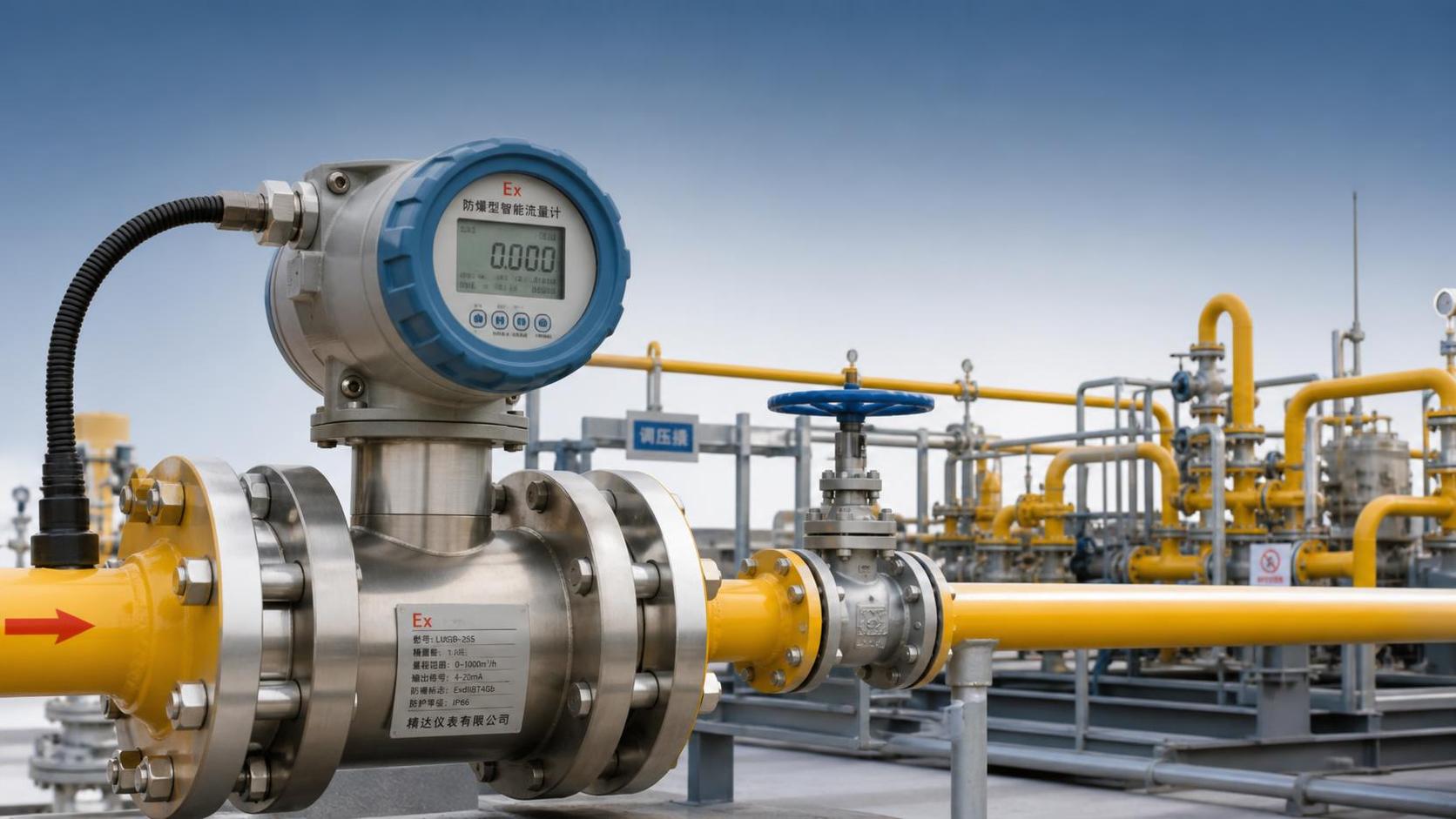
 Why do Xi'an natural gas flowmeters emphasize explosion-proof requirements?
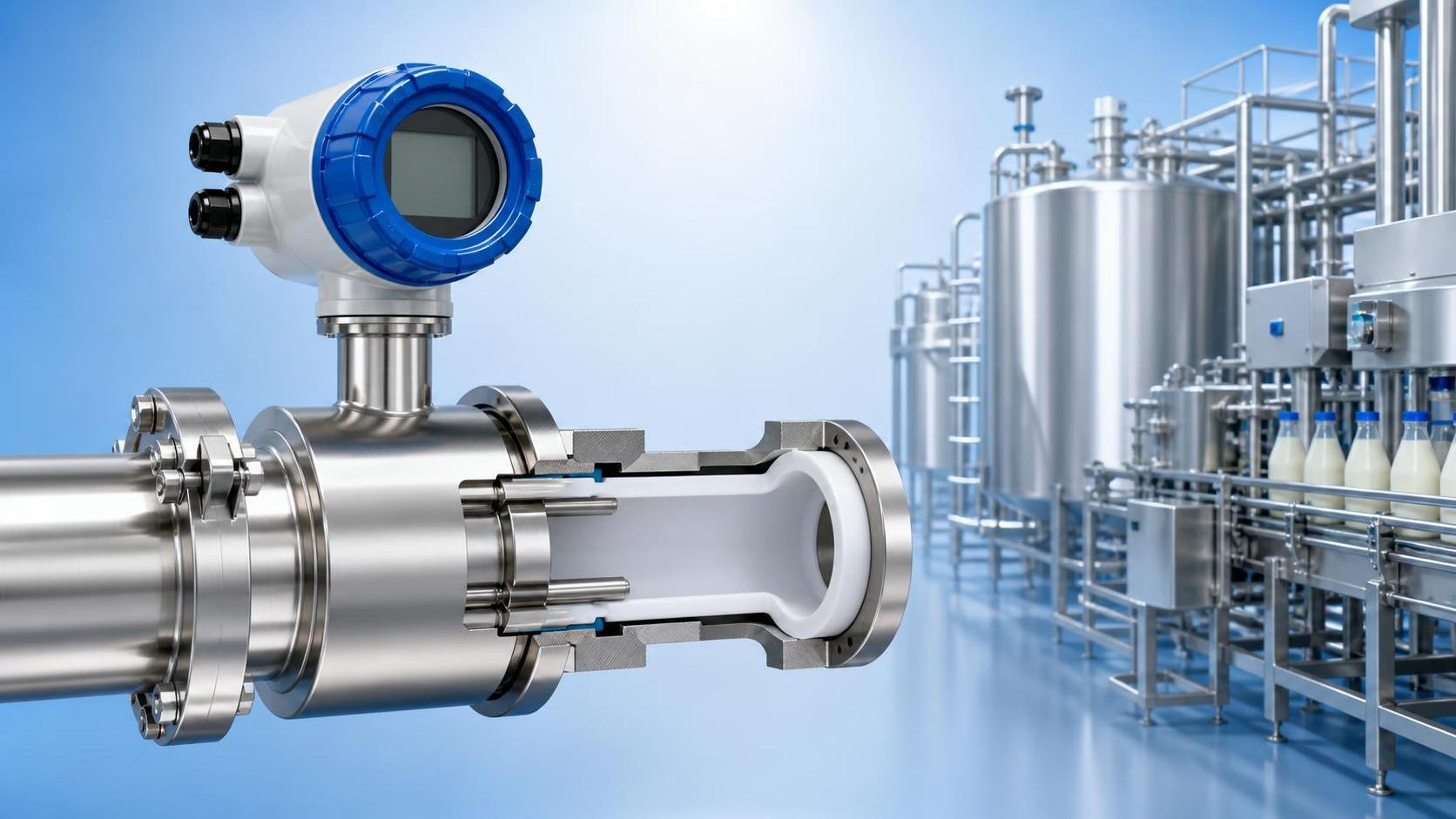
 How to Determine Whether the Material of a Shaanxi Food Flowmeter Meets Standards?
 Is a higher accuracy Xi'an high-precision flowmeter always worth choosing?
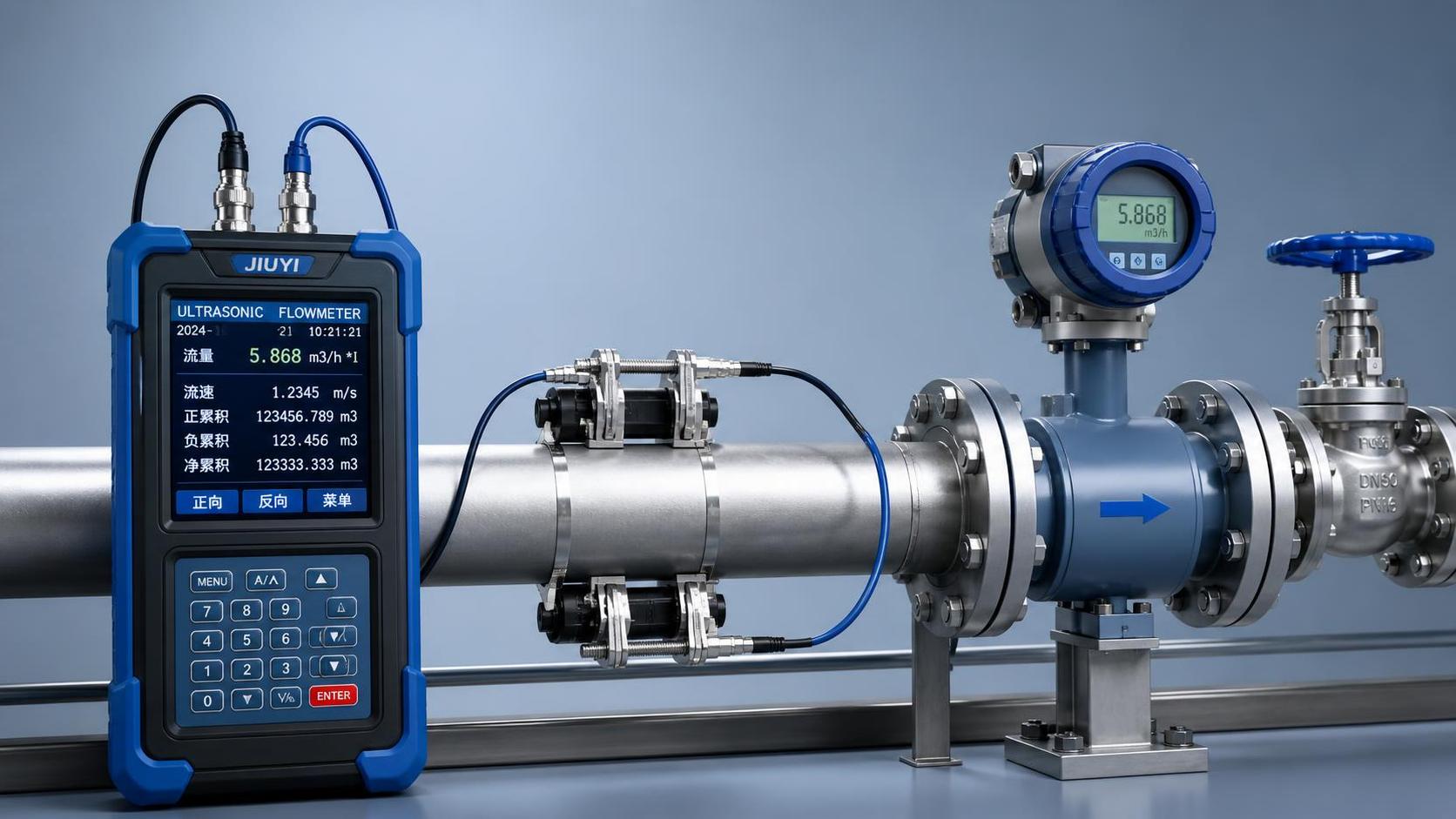
 How to calibrate measurement results of a Shaanxi handheld flowmeter?