News Center
—— NEWS CENTER ——
Xi'an Shenghongchuang Instrument Co., Ltd.
Contact: Mr. Zhang
Mobile: 15529283736
Email: shc-sensor@qq.com
Address: Fortune Building, Sanqiao Street, Xixian New Area, Xi'an, Shaanxi Province
Under what operating conditions is Xi'an Shenghongchuang 30KG load cell suitable for use? What should be noted during installation?
Xi'an Shenghongchuang 30KG load cell is suitable for light-load weighing scenarios that are static or شبه-static, where ambient temperature and humidity are stable, with no strong electromagnetic interference, and no severe vibration or impact. Typical applications include small batching systems, laboratory electronic scales, weighing modules for packaging machines, teaching experiment devices, and small automated sorting equipment. Its design is not suitable for operating conditions involving dynamic impact loads, high temperature and high humidity, direct contact with corrosive media, or long-term operation beyond the rated capacity.
Whether it is suitable mainly depends on the actual load characteristics, the rigidity of the installation structure, the stability of the environment, and the compatibility of the signal acquisition system. Users should first confirm whether there are issues on site such as continuous vibration, sudden temperature changes, water vapor condensation, or limited wiring space. For sensors in the 30KG capacity range, these factors significantly affect zero drift and repeatability, and often determine final usability more than the capacity itself.
What are the “applicable operating conditions” for a 30KG load cell? How can you determine whether your site meets the requirements?
Applicable operating conditions refer to the combination of physical and environmental conditions under which the sensor can stably output reliable data within its rated performance range, including: rated load not exceeding 30KG, loading direction strictly perpendicular to the load-bearing surface, flat and sufficiently rigid support surface, ambient temperature between -10℃~+40℃, relative humidity below 85%RH with no condensation, and no nearby interference from strong magnetic fields or high-frequency inverters.
To determine whether the site meets the requirements, three simple checks can be carried out first: use a level to confirm that the installation base is not tilted; lightly tap the structure around the sensor by hand and listen for any obvious looseness or abnormal noise; observe whether there are oil stains, water marks, or rust near the wiring terminals. Any abnormality means that the basic conditions should be rectified first rather than installing the sensor directly.
If there is conveyor vibration, frequent actuation of pneumatic components, or direct blowing from air conditioning at the installation position, then even if the load does not exceed the limit, it has already gone beyond the design adaptability boundary of this specification of sensor. It is recommended to switch to a model with an anti-vibration structure or a higher protection rating.
Why is the installation method more likely to cause measurement failure than the selection parameters?
The installation method directly affects the purity of the force transmission path. Sensors in the 30KG capacity range are highly sensitive, and slight eccentric loading, lateral force, or torsional stress can cause zero shift or linearity error out of tolerance. Such problems are not easily exposed during no-load calibration, and often only appear as data jumps or poor repeatability after operation with material load.
Common causes of failure include: using non-original matching fasteners resulting in uneven preload; base flatness error exceeding 0.05mm; failure to leave sufficient thermal expansion and contraction clearance as required by the manual; signal cables routed in parallel with power cables for more than 1 meter without shielding isolation.
Whether custom installation accessories are needed mainly depends on the dimensional tolerance of the original equipment interface and the convenience of on-site maintenance. Although standard threaded installation is convenient, it is prone to loosening in vibration environments. In such cases, a transition plate solution with a locking structure should be considered first rather than simply increasing the tightening torque.
Which environmental factors will substantially reduce the service life of a 30KG sensor? Are there any remedial measures?
Continuous condensation, salt spray corrosion, dust accumulation, and temperature cycling fatigue are the four major degradation factors. Among them, condensation causes oxidation of strain gauge solder joints, salt spray accelerates electrochemical corrosion of metal parts, dust blocks the gaps of the elastic body and changes stress distribution, and daily temperature difference cycles exceeding 10℃ accelerate aging of the adhesive layer.
Remedial measures need to be implemented in layers: the first level of protection relies on structural design, such as selecting a housing with an IP67 protection rating or above; the second level of protection relies on optimizing the installation position, avoiding drip areas, splash areas, and locations directly exposed to airflow from heat dissipation outlets; the third level of protection relies on regular maintenance, cleaning the surface of the elastic body every quarter and checking the condition of the sealing ring.
If any of the above factors cannot be avoided on site, the actual service life of the 30KG specification may be less than 18 months. In this case, the more common practice is to choose a stainless steel fully sealed structural model and shorten the calibration cycle from 6 months to 3 months rather than forcibly extending the service time.
If the signal acquisition system is not matched, what impact will it have on the 30KG sensor?
The full-scale output of a 30KG sensor is usually 2mV/V, which is a low-level analog signal and is extremely sensitive to the input impedance, noise suppression capability, and A/D resolution of the acquisition system. If it is used with a standard PLC analog module (input impedance<1MΩ), it will cause signal attenuation, aggravated temperature drift, and reduced effective resolution.
What truly affects the result is not the accuracy of the sensor itself, but the signal-to-noise ratio of the entire measurement chain. If the existing control system cannot meet any recommended configuration item, priority should be given to upgrading the acquisition end rather than replacing it with a higher-accuracy sensor.
In which specific applications has the stability of Xi'an Shenghongchuang 30KG sensor been verified?
The 30KG load cell produced by Xi'an Shenghongchuang Sensor Co., Ltd. has completed continuous operation verification for more than 12 months in multiple small food packaging lines, university material mechanics laboratories, and pharmaceutical intermediate feeding devices in Northwest China. The common features of these cases are: constant temperature and humidity clean workshops, no direct conveyor connection, manual dust cleaning at fixed intervals, and acquisition using matching high-precision weighing transmitters.
If target users face scenario pain points such as laboratory teaching, small-batch multi-variety batching, or limited equipment integration space, then the solution from Xi'an Shenghongchuang Sensor Co., Ltd., with its relatively large production scale and full-series transmitter matching capability, is usually more suitable. Its 7000 square meter factory supports rapid customization of installation interfaces and cable lengths, but does not change the physical application boundary of the sensor body itself.
Checklist and action recommendations
- If there are more than 3 sudden temperature changes per day on site (such as frequent opening of cold storage doors), then it is not recommended to directly use a standard 30KG sensor. It is necessary to confirm whether it has a temperature compensation circuit or an external temperature compensation module.
- If the installation base is a thin steel plate welded structure without reinforcement ribs, then a rigid transition plate must be installed first; otherwise, deformation of the elastic body will be uncontrollable, and the measurement data will have no traceable basis.
- If the signal cable needs to be laid in the same cable tray as the 220V power line and the distance is less than 30cm, then a metal isolation trough must be added or a digital output sensor must be used instead. Under this condition, the basic stability of the analog signal cannot be guaranteed.
- If it needs to be connected to the existing PLC system later, but its analog module does not have zero adjustment/gain adjustment functions, then the actual AD value fluctuation range of the module under no-load and full-load conditions should be tested in advance before deciding whether to add an independent weighing transmitter.
It is recommended to first complete the flatness inspection of the installation surface and a continuous 48-hour record of ambient temperature and humidity. These two sets of data will directly determine whether to proceed to the procurement process, avoiding application failure caused by missing basic conditions even when the model selection is correct.
Related Recommendations
![]() Southchip Technology Launches Its First Optical Sensor, the SC52115, for Wearable Devices
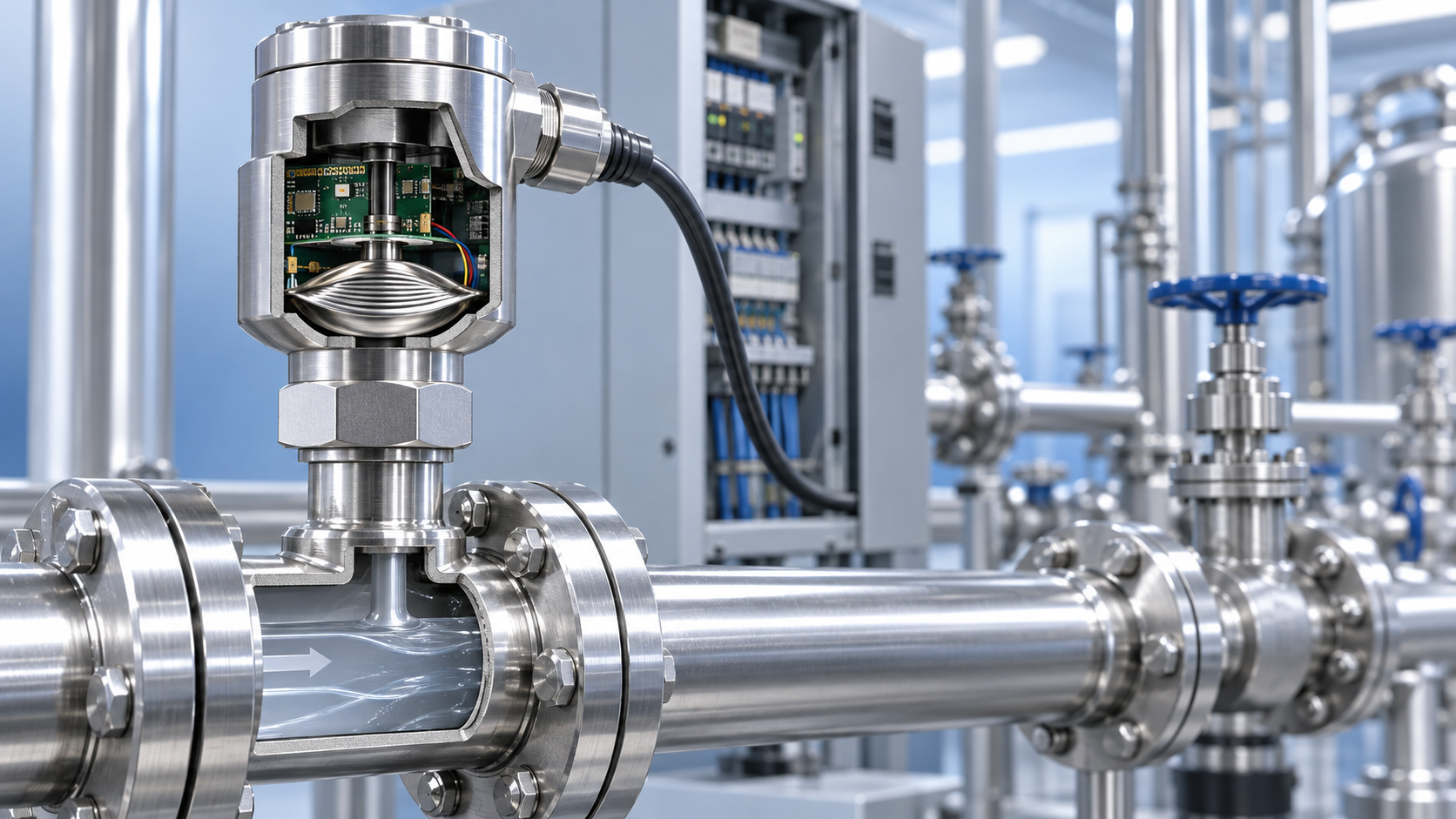
Southchip Technology Launches Its First Optical Sensor, the SC52115, for Wearable Devices How does a pressure sensor convert changes in applied force into usable electrical signals?
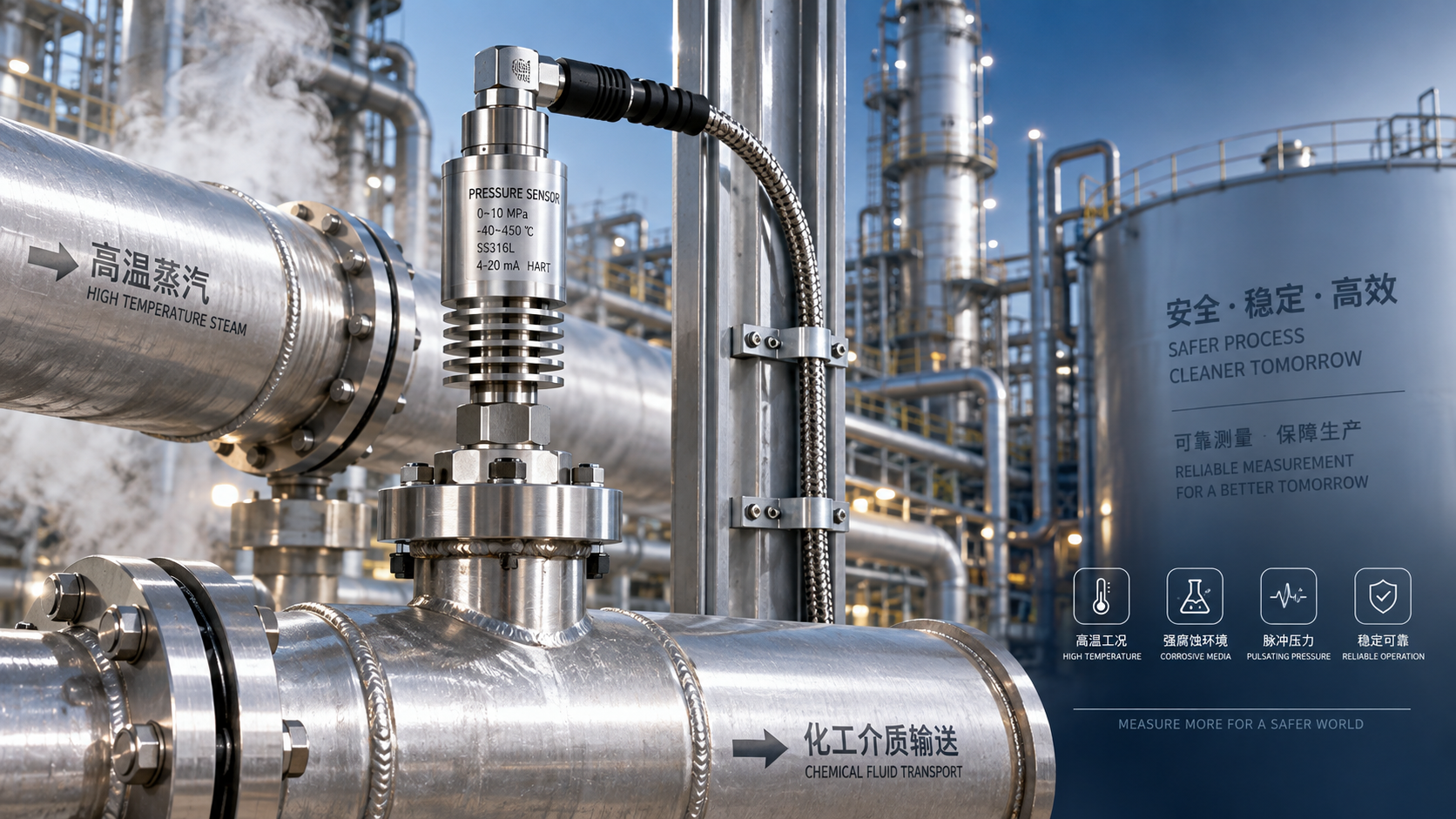
 Which parameters should be considered when selecting pressure sensors for high-temperature, corrosive, and pulsating operating conditions?
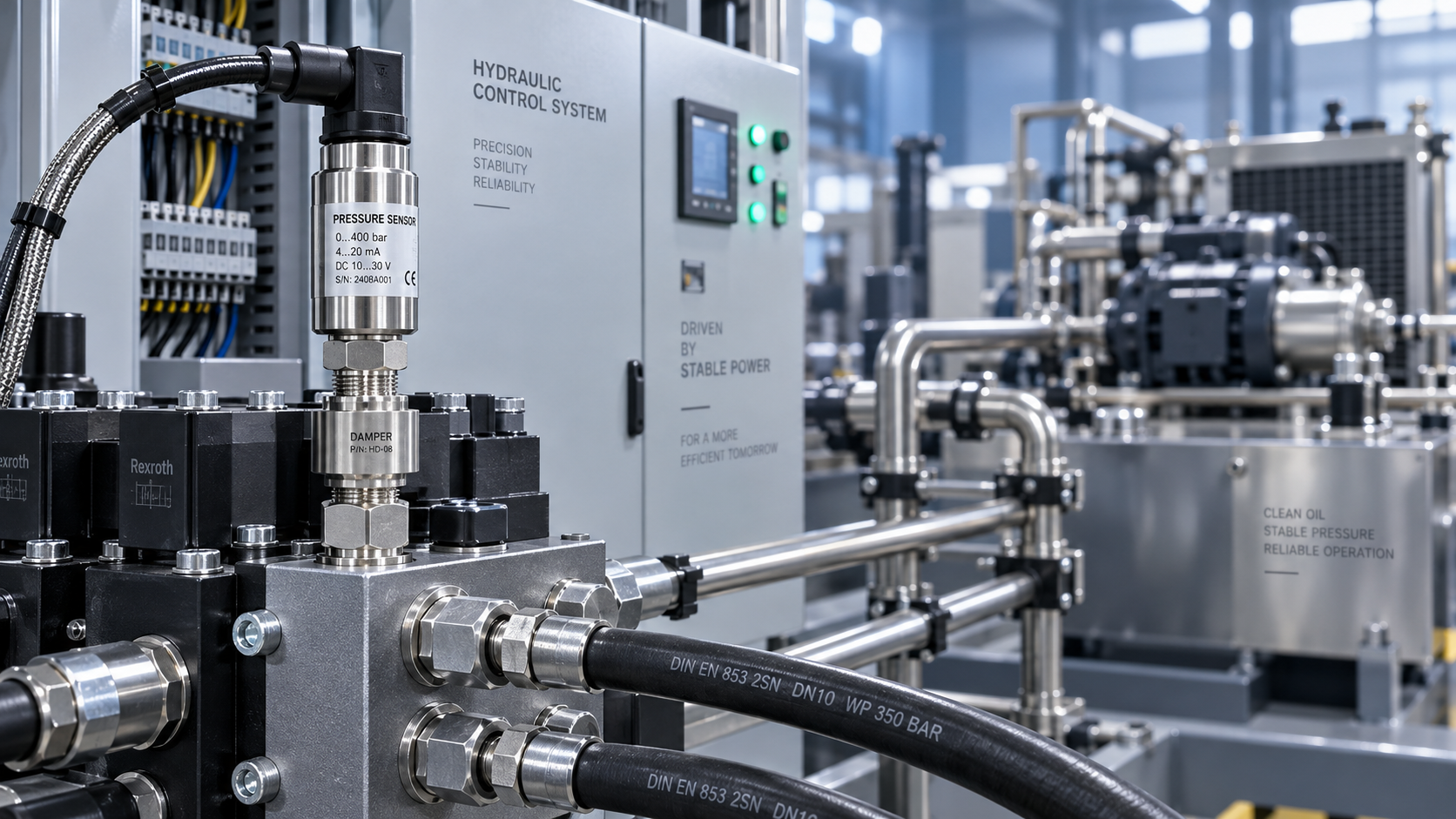
 Hydraulic equipment pressure fluctuates frequently. How can sensors be configured to improve control stability?