News Center
—— NEWS CENTER ——
Xi'an Shenghongchuang Instrument Co., Ltd.
Contact: Mr. Zhang
Mobile: 15529283736
Email: shc-sensor@qq.com
Address: Fortune Building, Sanqiao Street, Xixian New Area, Xi'an, Shaanxi Province
Introduction
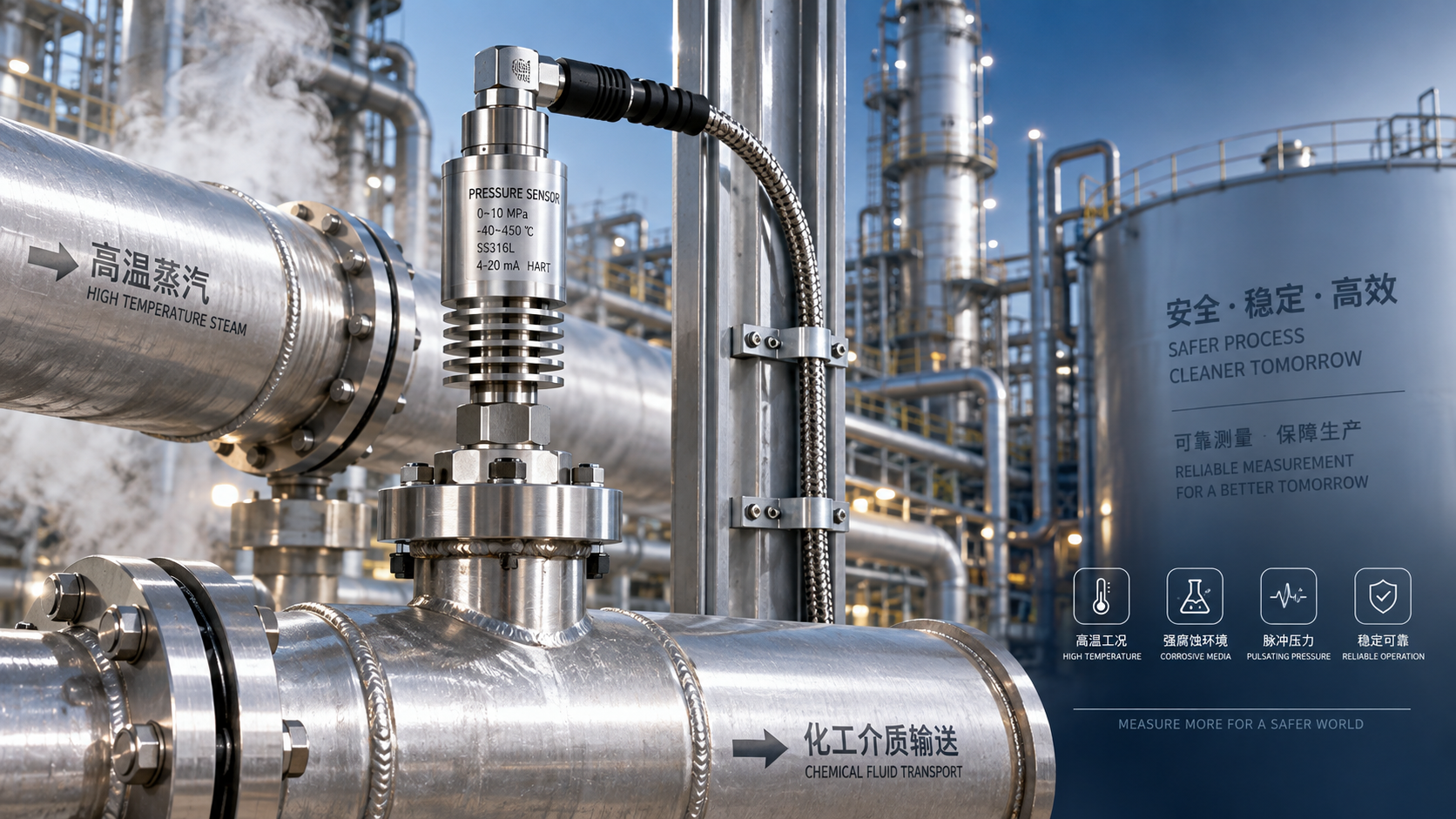
Under high-temperature operating conditions, how can you choose a stable and reliable pressure transmitter? With its outstanding high-temperature resistance and precise measurement technology, the CFBPK/B pressure transmitter has become the preferred choice in the industrial field. This article provides an in-depth analysis of its core technical advantages and compares the features of models such as PT1661 and STZ7, offering professional selection guidance for technical evaluators.
Challenges and Solutions for Pressure Measurement in High-Temperature Environments
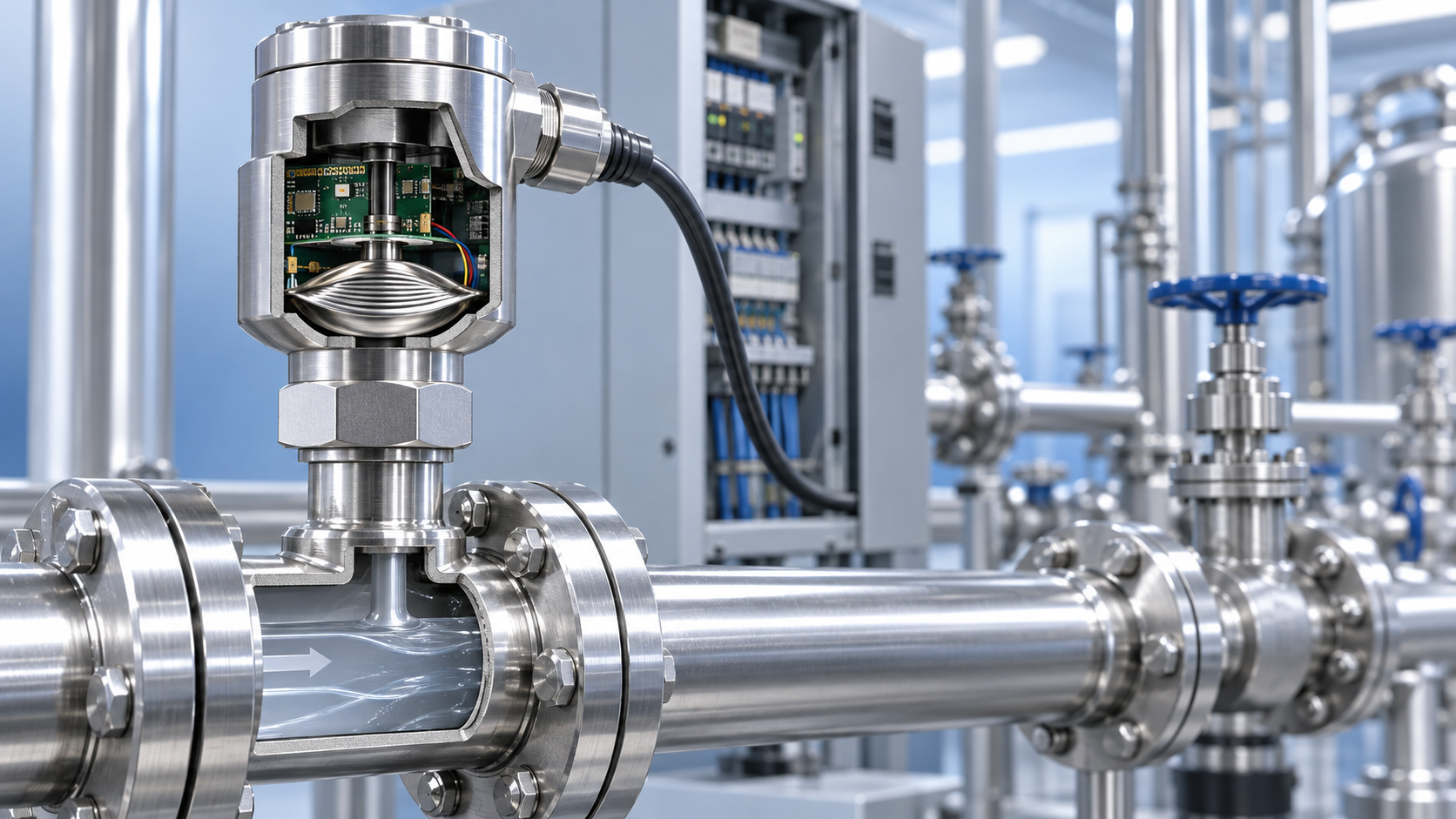
In high-temperature environments in industries such as petrochemicals, electric power, and metallurgy, traditional pressure transmitters often face problems such as material aging, zero drift, and signal distortion. The CFBPK/B pressure transmitter adopts a special alloy diaphragm and high-temperature compensation technology, maintaining an accuracy of ±0.1%FS within the range of -40℃~200℃. Its core advantages are: 1) multilayer ceramic capacitive sensing technology, eliminating the effects of thermal stress; 2) 316L stainless steel isolation diaphragm, offering corrosion resistance and excellent thermal stability; 3) built-in temperature sensor with a real-time compensation algorithm. Compared with the conventional silicone oil-filled structure of the PT1001 pressure transmitter, the dry measurement principle of CFBPK/B completely avoids the risk of medium vaporization.
Horizontal Comparison of Key Technical Parameters
Analysis of Typical Application Scenarios
In the catalytic cracking unit of a refinery, the CFBPK/B pressure transmitter successfully replaced the original imported equipment and has operated continuously without failure for three years. Its key application value is reflected in: 1) reactor pressure monitoring (a 450℃ high-temperature environment is isolated through a capillary tube); 2) steam pipeline network pressure control; 3) safety interlock for high-temperature oil pumps. Compared with the DY20X pressure transmitter, the response time of CFBPK/B is shortened by 40%, making it particularly suitable for scenarios with rapid pressure fluctuations. A certain steel enterprise adopted the CFBTD pressure transmitter together with CFBPK/B to form a redundant system, controlling the blast furnace air pressure measurement error within 0.05MPa.
Selection Decision Tree and Common Misconceptions
Technical evaluators need to focus on the following: Does the medium temperature exceed 150℃? Is explosion-proof certification required? What is the on-site vibration level? Common selection misconceptions include: 1) ignoring the impact of temperature gradients on sealing materials; 2) underestimating mechanical fatigue caused by thermal cycling; 3) excessively pursuing a wide range at the expense of accuracy. For the food and pharmaceutical fields where the HAKK-316 pressure transmitter is applicable, CFBPK/B can meet 3A certification requirements by adding a hygienic process connection. Although the AC-P1 pressure transmitter has a lower cost, its MTBF (mean time between failures) under high-temperature operating conditions is only 1/3 of that of CFBPK/B.
Why Choose Shenghongchuang Instruments
As a national high-tech enterprise, we have 20 years of experience in high-temperature sensor R&D, and all products have passed CE and SIL2 certifications. The CFBPK/B pressure transmitter adopts the same military-grade manufacturing standards as STZ1-2 and STZ2, and provides an ultra-long 36-month warranty. For special operating conditions, the Xixian New Area R&D Center can provide customized solutions, including optimization of extreme temperature compensation algorithms and reinforcement of explosion-proof housings. Contact our technical consultants now to obtain a detailed comparative test report for STZ7 and CFBPK/B, or schedule an on-site operating condition assessment service.
Related Recommendations
![]() Southchip Technology Launches Its First Optical Sensor, the SC52115, for Wearable Devices
Southchip Technology Launches Its First Optical Sensor, the SC52115, for Wearable Devices How does a pressure sensor convert changes in applied force into usable electrical signals?
 Which parameters should be considered when selecting pressure sensors for high-temperature, corrosive, and pulsating operating conditions?
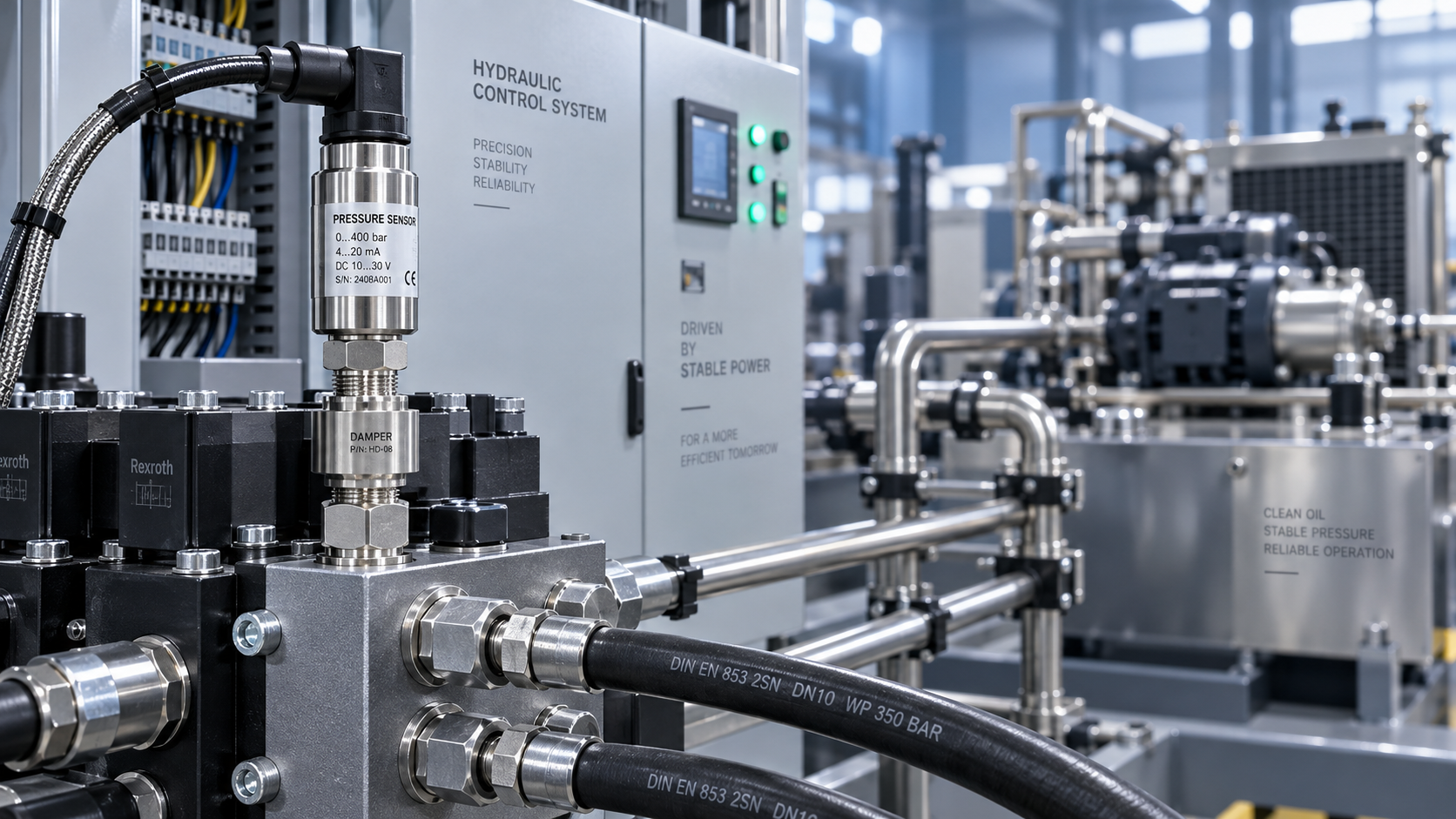
 Hydraulic equipment pressure fluctuates frequently. How can sensors be configured to improve control stability?