News Center
—— NEWS CENTER ——
Xi'an Shenghongchuang Instrument Co., Ltd.
Contact: Mr. Zhang
Mobile: 15529283736
Email: shc-sensor@qq.com
Address: Fortune Building, Sanqiao Street, Xixian New Area, Xi'an, Shaanxi Province
Comparison of accuracy classes for diffused silicon liquid and gas pressure sensors,which one is more suitable for you?
In the field of industrial automation,the accuracy class of diffused silicon liquid and gas pressure sensors directly affects the reliability of measurement results。This article provides a horizontal comparison of mainstream models such as DTT01,KRS316,and YP-P2,covering key dimensions from accuracy class,troubleshooting,calibration methods to wiring diagrams,helping operators choose the pressure transmitter solution best suited to actual operating conditions。
1、Definition of accuracy class and industry standards
The accuracy class of diffused silicon pressure sensors is usually expressed as a percentage of full-scale error(FS)。The International Electrotechnical Commission IEC 60770 standard classifies industrial pressure transmitters into three main grades:Class 0.1(±0.1%FS),Class 0.25,and Class 0.5。Taking the DTT01 pressure transmitter as an example,its Class 0.1 accuracy means that under a 10MPa range,the maximum permissible error is only ±0.01MPa,while when the KRS316 pressure transmitter adopts Class 0.25 accuracy,the error range under the same range expands to ±0.025MPa。It is worth noting that the YP-P2 pressure transmitter,through temperature compensation technology,can still maintain its nominal accuracy within the range of -20℃~85℃,which is particularly important for scenarios with large temperature fluctuations,such as the chemical industry。
2、Performance comparison analysis of mainstream models
3、Common troubleshooting guide
When zero drift occurs in the ES-20 pressure transmitter,first check whether there is leakage at the process connection,and then use a multimeter to measure whether the supply voltage is stable at 24VDC±10%。For output signal fluctuation issues of the HX100 pressure transmitter,it is recommended to check whether the grounding loop causes interference,and add a signal isolator when necessary。If the diaphragm of the SK-2031 model is blocked by crystallization,the reverse flushing method can be used for treatment,but it should be noted that the flushing pressure must not exceed 120% of the range。According to the requirements of API 675,all diffused silicon sensors should undergo preventive maintenance once a year,including seal replacement and circuit board dust removal。
4、Calibration and wiring specifications
Calibration of the HX-131 pressure transmitter requires the use of a Class 0.05 standard pressure source,and a five-point calibration method(0%,25%,50%,75%,100% range)should be performed in accordance with JJG 882-2019 regulations。In the wiring diagram of the IP-B model,the brown wire is connected to 24V+,the blue wire is connected to the positive signal terminal,and the shielding layer must be grounded at one end only。Special reminder:When wiring the RS485 communication interface of the AYT-AYT316 pressure transmitter,the A/B wires must use twisted-pair cables and be routed separately from the power cables,and terminal resistors should be added when the distance exceeds 50 meters。
5、Model selection decision tree
- Determine the medium type:For corrosive media,give priority to the 316L stainless steel diaphragm of DTT01 or YP-P2
- Evaluate accuracy requirements:Use Class 0.1-0.25 for process control,and Class 0.5 can be selected for monitoring applications
- Consider environmental factors:For vibration applications,select the damping adjustment function of KDX800;for humid environments,look for IP67 protection
- Verify certification standards:ATEX-certified SK-2031 models must be used in explosive hazardous areas
6、Technology development trends
The IEC 63279 standard released in 2023 added requirements for multi-parameter integration,and the new-generation HX series has integrated temperature compensation and digital filtering functions。Market research shows that the annual growth rate of YP-P2 models with IO-Link interfaces installed in smart factories has reached 37%。In terms of maintenance methods,the KDX800 using MEMS technology can achieve wireless remote diagnosis,significantly reducing downtime。
Why choose our solutions?
We provide diffused silicon pressure sensors covering the full range,and all models have passed third-party CNAS laboratory certification,supporting on-site comparison calibration services。For special operating conditions,customized packaging solutions for AYT-AYT316 can be provided。Click to contact a technical consultant to obtain a free selection manual,or schedule an on-site demonstration test。
Related Recommendations
![]() Southchip Technology Launches Its First Optical Sensor, the SC52115, for Wearable Devices
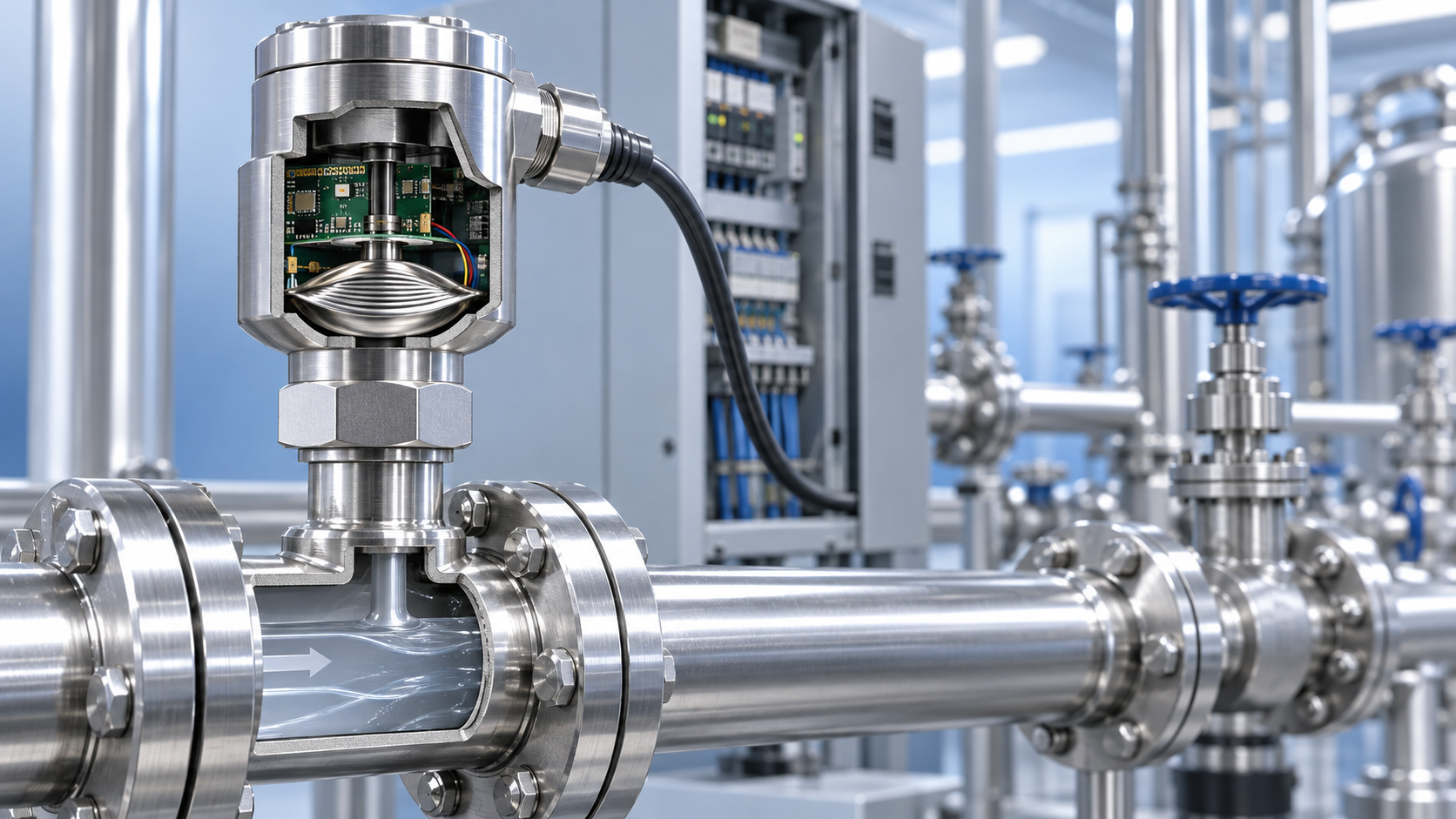
Southchip Technology Launches Its First Optical Sensor, the SC52115, for Wearable Devices How does a pressure sensor convert changes in applied force into usable electrical signals?
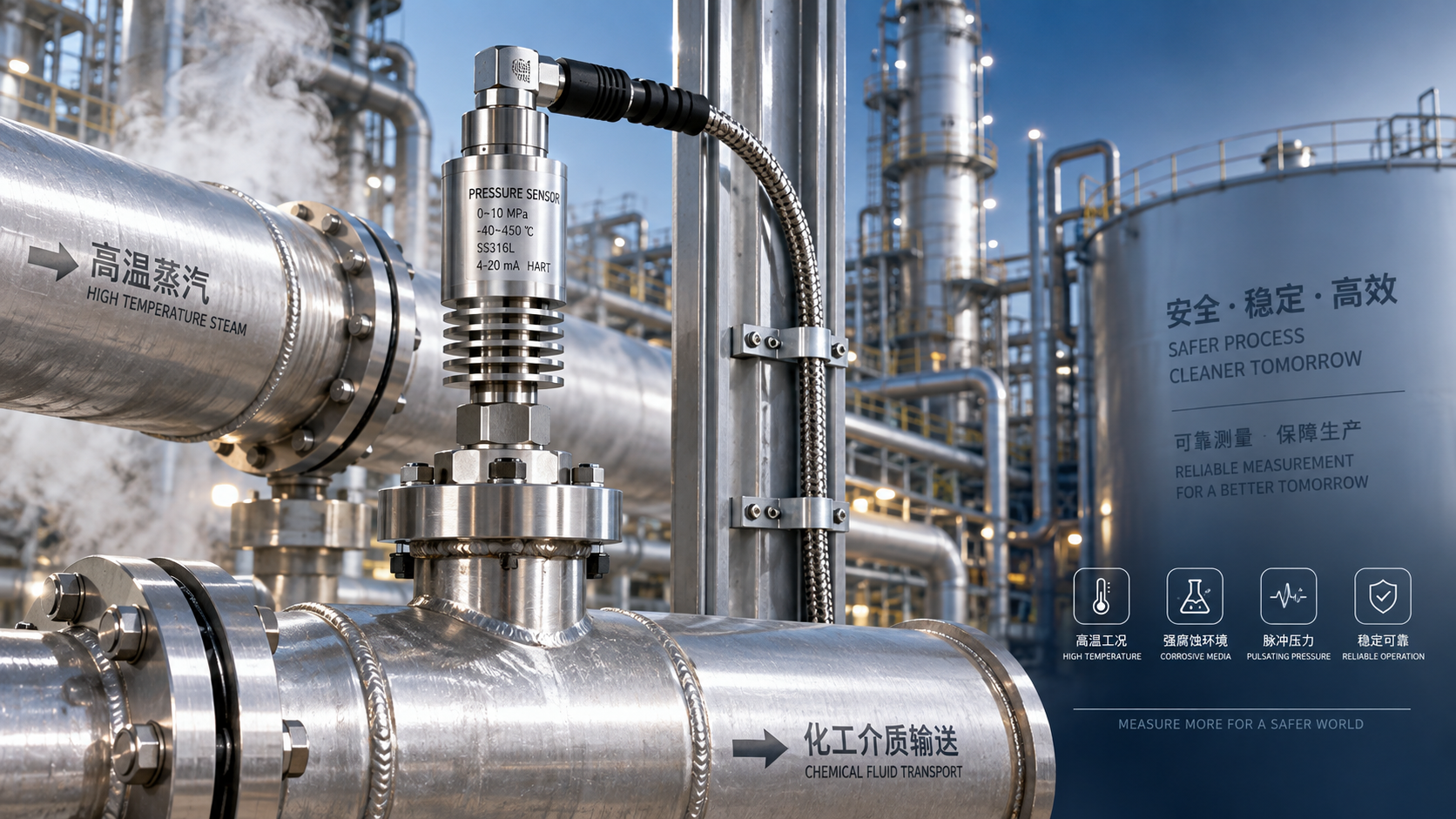
 Which parameters should be considered when selecting pressure sensors for high-temperature, corrosive, and pulsating operating conditions?
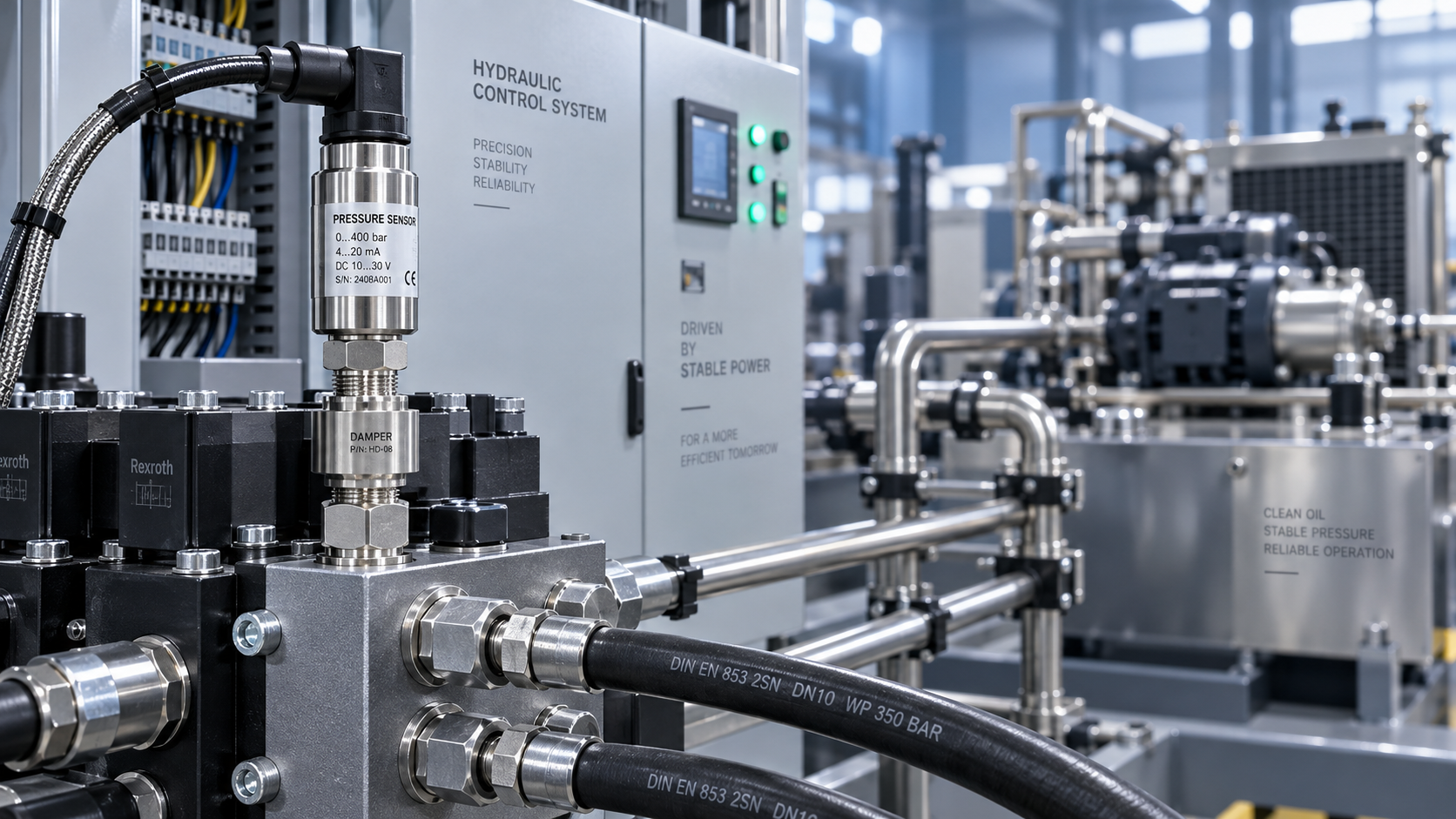
 Hydraulic equipment pressure fluctuates frequently. How can sensors be configured to improve control stability?