News Center
—— NEWS CENTER ——
Xi'an Shenghongchuang Instrument Co., Ltd.
Contact: Mr. Zhang
Mobile: 15529283736
Email: shc-sensor@qq.com
Address: Fortune Building, Sanqiao Street, Xixian New Area, Xi'an, Shaanxi Province
In the field of industrial automation, the selection of the GT-V diffused silicon pressure sensor directly affects system accuracy and stability. As a professional manufacturer of flow control equipment, Xi'an Shenghongchuang Instrumentation analyzes 5 core parameters for you, including range, accuracy class, media compatibility, temperature compensation, and long-term stability, helping you accurately select diffused silicon sensor models such as KS-E-E-Z-B04U-M-V and improve process control efficiency.
I. Range: A Key Indicator for Precisely Matching Application Requirements
Range is the primary parameter in selecting a GT-V pressure transmitter, directly determining whether the device can operate stably under the target working conditions. Diffused silicon liquid and gas pressure sensors usually cover a wide range from 0-0.1MPa to 0-100MPa, but the specific selection should consider the following factors:
- Operating pressure interval: It is recommended to select an upper range limit of 1.5 times the actual maximum operating pressure to avoid overload risks. For example, the KS-E-E-C-B01C-M-V model provides a 0-10MPa range and is suitable for hydraulic system monitoring
- Dynamic pressure changes: In situations with pressure shock (such as pump and valve start-stop), a larger margin should be reserved
- Resolution requirements: Small-range sensors (such as the P-UA series 0-1MPa) can provide higher measurement accuracy
According to the GB/T 15478-2015 standard, we recommend using a three-point calibration method (zero point, 50% range, full range) when calibrating the range of the GT-V model to ensure linearity.
II. Accuracy Class: Scientific Selection from ±0.1%FS to ±0.5%FS
The accuracy class directly affects the reliability of feedback data in the control system. Diffused silicon pressure sensor manufacturers usually indicate two accuracy standards:
It should be noted that the nominal accuracy is data under the standard temperature of 25℃, and in actual use it should be evaluated together with temperature compensation parameters. Xi'an Shenghongchuang's CYBB-CYBB1 series adopts laser trimming technology and can maintain an accuracy of ±0.2%FS within the range of -20~85℃.
III. Media Compatibility: Deep Integration of Materials Science and Process Engineering
Media compatibility determines the service life of the sensor in corrosive environments. Diffused silicon pressure sensor manufacturers usually provide the following configuration options:
1. Selection of Wetted Materials
- 316L stainless steel: Suitable for most liquid media, including the electropolishing process used in the KS-E-E-C-B01U-M-V model
- Hastelloy C276: Resistant to strong acids and alkalis, suitable for the chemical industry
- Titanium alloy: Specially used for chlorine-containing environments such as seawater desalination
2. Comparison of Sealing Solutions
The GT-V pressure transmitter provides two sealing methods: O-ring sealing (low cost, suitable for non-corrosive gases) and welded sealing (all-stainless-steel welding, used for high-pressure models such as 9SGC-7B4FM). According to the ASME B40.7 standard, a Monel alloy isolation diaphragm must be used in special media such as hydrofluoric acid.
IV. Temperature Compensation: Stability Assurance for Working Conditions from -40℃~125℃
Temperature changes can cause drift in the piezoresistive coefficient of diffused silicon, and high-quality pressure transmitters should have:
- Wide-temperature-zone compensation: The YXK-YXK series uses a digital compensation chip, with a compensation range up to -40~125℃
- Multi-point calibration: Compensation is carried out at three characteristic points of high temperature, normal temperature, and low temperature
- Thermal response time: The GT-V model reaches the industry-leading level of τ90<5s
Measured data shows that uncompensated sensors will produce an error of 1.2%FS/10℃ in a 60℃ environment, while the KS-E-E series using Xi'an Shenghongchuang's patented compensation technology can control temperature drift within 0.03%FS/℃.
V. Long-Term Stability: Verified by 10000-Hour Aging Tests
Long-term stability is a core indicator distinguishing professional-grade sensors from industrial-grade sensors:
- Accelerated aging test: The GT-V pressure transmitter has passed 200 pressure cycles and a 1000-hour continuous load test
- Annual drift: High-quality models (such as CYBB-CYBB1) can achieve <±0.1%FS/year
- Structural reinforcement: The MBS-G5734 adopting a corrugated diaphragm design improves overload resistance by 300%
According to ISO 9001 quality management system requirements, we recommend calibrating sensors at key workstations every 12 months to ensure continuously reliable measurement data.
Summary and Professional Recommendations
When selecting a GT-V diffused silicon pressure sensor, it is necessary to comprehensively evaluate the five major parameters of range, accuracy, media, temperature, and stability. As a high-tech enterprise, Xi'an Shenghongchuang Instrumentation provides:
- Technical consultation for the full range of pressure transmitters such as KS-E-E-Z-B04U-M-V
- Customized solutions for wetted materials based on media characteristics
- Calibration services compliant with the ISO/IEC 17025 standard
Contact our technical team now to obtain a sensor selection solution and quotation list tailored to your specific application. Call 029-XXXXXXX or visit the official website at www.xxxxx.com, where engineers with 15 years of industry experience will provide you with professional support.
Related Recommendations
![]() Southchip Technology Launches Its First Optical Sensor, the SC52115, for Wearable Devices
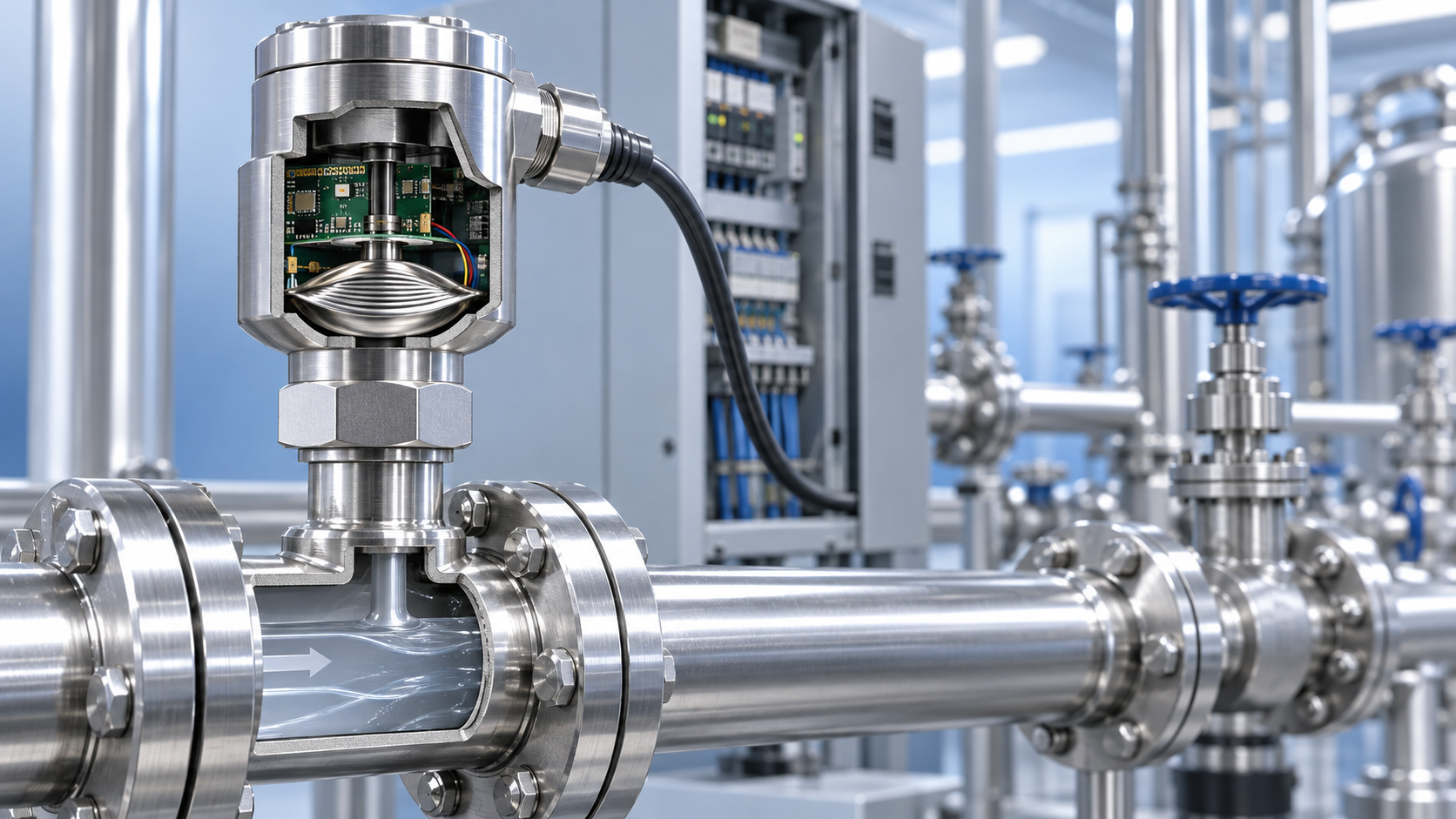
Southchip Technology Launches Its First Optical Sensor, the SC52115, for Wearable Devices How does a pressure sensor convert changes in applied force into usable electrical signals?
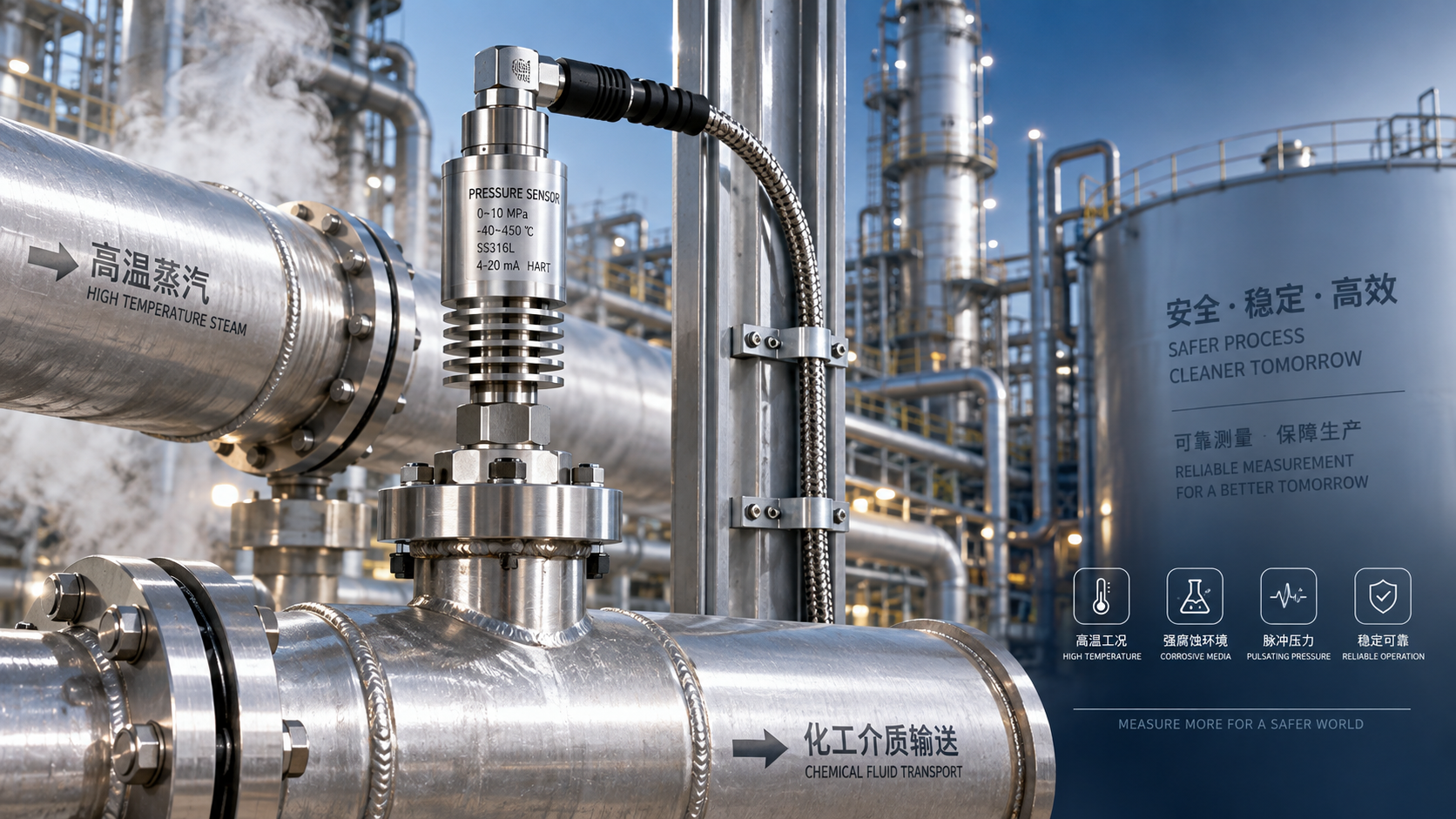
 Which parameters should be considered when selecting pressure sensors for high-temperature, corrosive, and pulsating operating conditions?
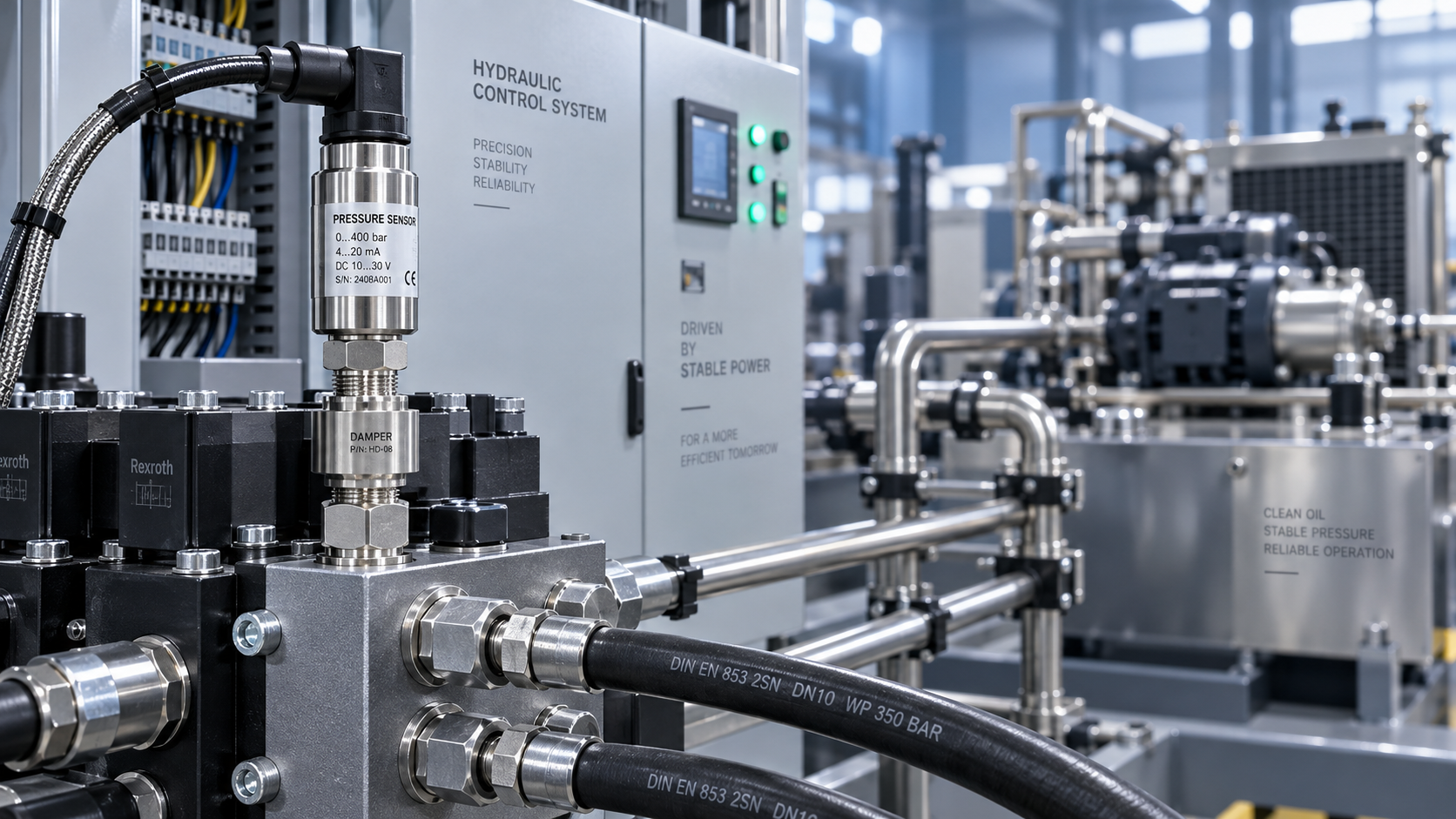
 Hydraulic equipment pressure fluctuates frequently. How can sensors be configured to improve control stability?