News Center
—— NEWS CENTER ——
Xi'an Shenghongchuang Instrument Co., Ltd.
Contact: Mr. Zhang
Mobile: 15529283736
Email: shc-sensor@qq.com
Address: Fortune Building, Sanqiao Street, Xixian New Area, Xi'an, Shaanxi Province
Analysis of Diffused Silicon Hysteresis Pressure Sensor Types
As a core component of flow control equipment, the selection of the 7MF-MF1566 diffused silicon Hysteresis pressure sensor directly affects system accuracy and stability. This article provides an in-depth analysis of diffused silicon Hysteresis pressure sensor types, covering the working principles, installation points, and customized solutions of mainstream models such as PTB505 and LPB8400, providing technical evaluators with key parameter comparisons and application scenario analysis for selection decision-making.
1. Working Principle of Diffused Silicon Hysteresis Pressure Sensors
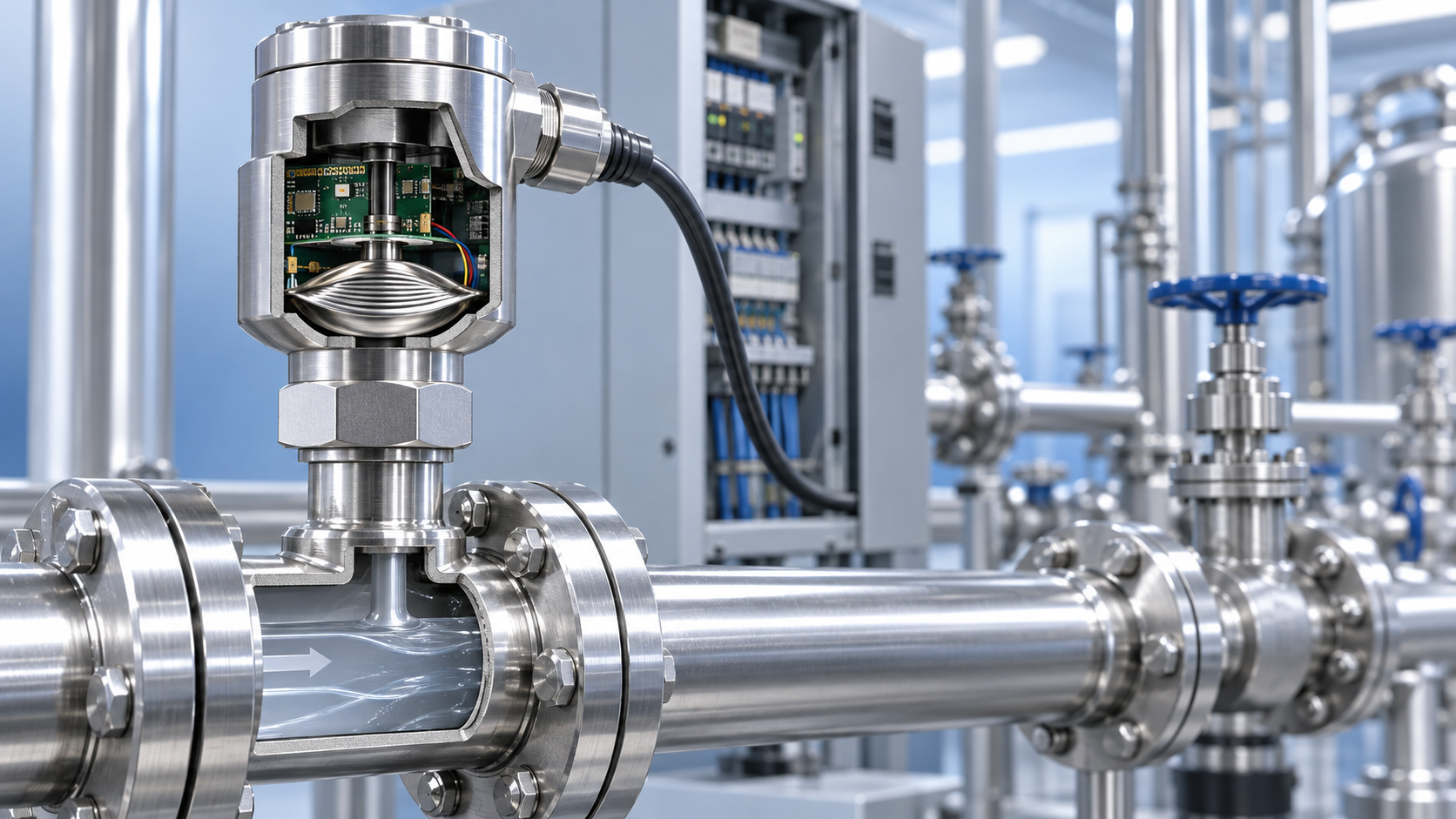
Diffused silicon Hysteresis pressure sensors are based on the piezoresistive effect principle and measure pressure through resistance changes in semiconductor silicon materials. When external pressure acts on the sensor, the silicon diaphragm deforms, causing the resistance value of the Wheatstone bridge to change, thereby outputting an electrical signal proportional to the pressure. This type of sensor features fast response, high accuracy, and good stability, and is widely used in flow control systems in industries such as petroleum, chemical, and power plants.
- PT-C Pressure Transmitter: Features a fully sealed stainless steel structure with imported key components, suitable for high-temperature and high-pressure environments
- YSJ-B3 Pressure Transmitter: Manufactured by a professional producer, using laser trimming temperature compensation technology to ensure measurement accuracy
- PTB-PTB511 Pressure Transmitter: With advanced principles, it allows on-site adjustment of zero point and range, suitable for a variety of measured media
2. Comparison of Mainstream Model Parameters and Application Scenarios
Different models of diffused silicon Hysteresis pressure sensors each have their own focus in terms of range, accuracy grade, and special functions. Technical evaluators need to comprehensively consider factors such as the measured medium, environmental conditions, and system requirements when selecting a model.
For special application scenarios, such as domestic liquid level transmitter KBTL-902 LCD display explosion-proof liquid level sensor, it adopts a 316L stainless steel isolation diaphragm and explosion-proof design, making it suitable for hazardous areas such as petrochemical plants. Its measurement range can reach 200m water column, and its protection grade reaches IP65.
3. Installation and Commissioning Points
The correct installation method directly affects the measurement accuracy and service life of sensors such as the PTB-PTB505 pressure transmitter. The following are key installation precautions:
- The installation position should avoid mechanical vibration and impact, and shock-absorbing devices should be added when necessary
- For liquid medium measurement, the sensor should be installed on the side of the pipeline to prevent sediment accumulation
- Cable routing should be kept away from strong electromagnetic interference sources, and shielded cables should be used
- During commissioning, zero calibration and full-scale calibration are required to ensure output signal linearity
For special models such as the TS-TS205 pressure transmitter, ambient temperature compensation must also be considered to ensure stable performance within the operating temperature range of -40~85℃.
4. Customized Solutions
Products such as the 7MF-MF1567 pressure transmitter support customization services and can be individually designed according to users' special requirements:
- Special range and accuracy requirements
- Special process connection methods (flange, thread, etc.)
- Special material requirements such as anti-corrosion and explosion-proof
- Customized output signals (4~20mA、0~5V etc.)
Taking the KBTL-902 liquid level sensor as an example, different installation specifications such as submersible type, rigid rod type, or flange type can be selected according to actual application scenarios to meet liquid level measurement needs in different occasions such as reservoirs and dams.
5. Selection Guide and Recommendations
For the selection of products such as the VP-VP461 pressure transmitter, it is recommended that technical evaluators follow the steps below:
- Clarify the characteristics of the measured medium (corrosiveness, viscosity, etc.)
- Determine the pressure type (gauge pressure, absolute pressure, or differential pressure)
- Calculate the required range (usually 1.5 times the working pressure)
- Select the appropriate accuracy grade and output signal
- Consider environmental factors (temperature, vibration, etc.)
- Evaluate installation space and connection methods
For special applications, such as high-temperature, high-pressure, or highly corrosive environments, it is recommended to consult a professional manufacturer for customized solutions.
Summary and Recommendations
As a core component of flow control systems, diffused silicon Hysteresis pressure sensors directly affect system performance and reliability through model selection. Through in-depth analysis of models such as 7MF-MF1564, technical evaluators can select the most suitable product according to specific application requirements. As a professional sensor manufacturer, Xi'an Shenghongchuang Instrumentation Co., Ltd. can provide comprehensive support ranging from standard products to customized solutions.
If you would like to learn more about the working principles, selection guide, or customization services for diffused silicon Hysteresis pressure sensors, please feel free to contact our technical team for professional advice and solutions.
Related Recommendations
![]() Southchip Technology Launches Its First Optical Sensor, the SC52115, for Wearable Devices
Southchip Technology Launches Its First Optical Sensor, the SC52115, for Wearable Devices How does a pressure sensor convert changes in applied force into usable electrical signals?
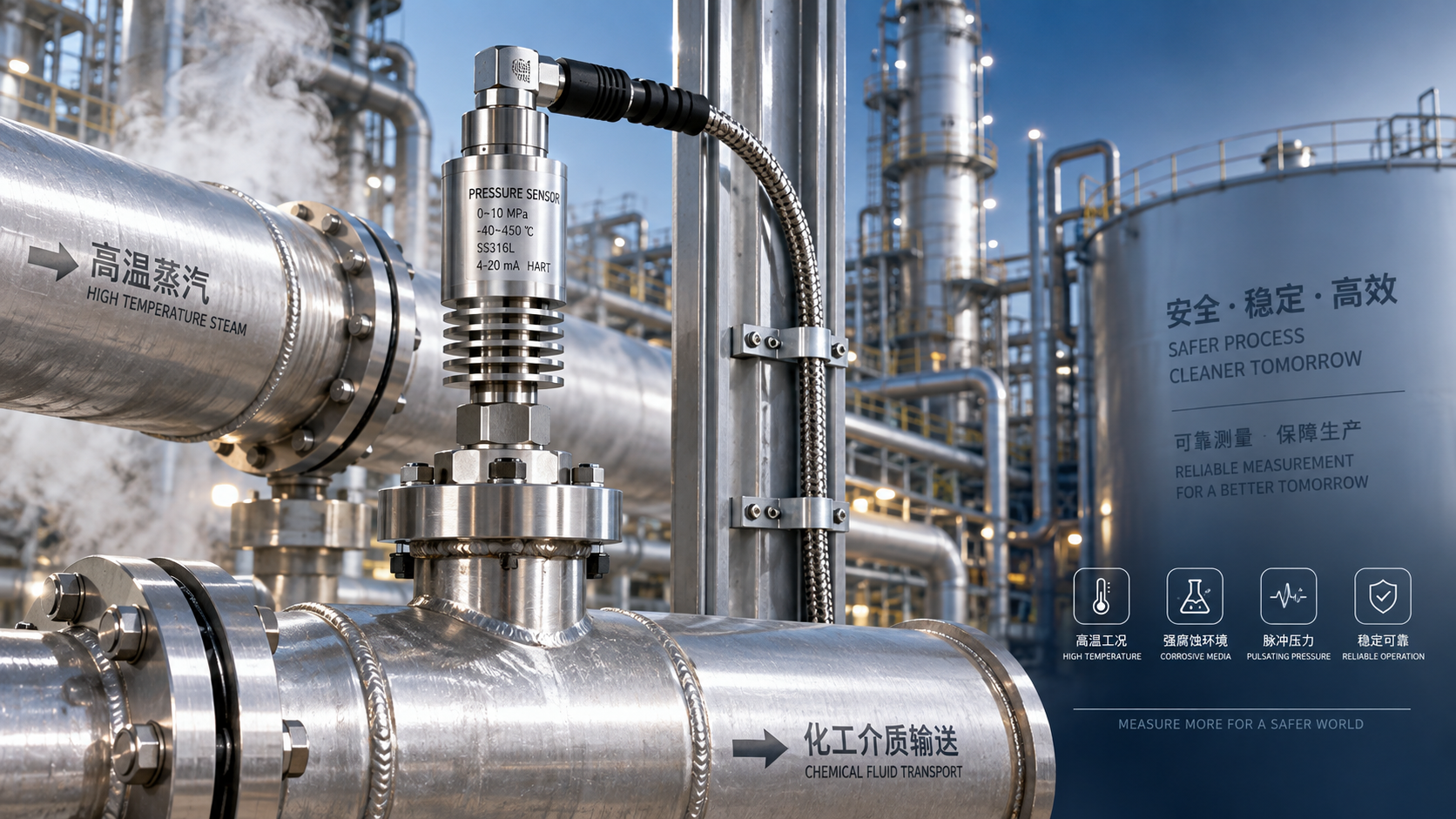
 Which parameters should be considered when selecting pressure sensors for high-temperature, corrosive, and pulsating operating conditions?
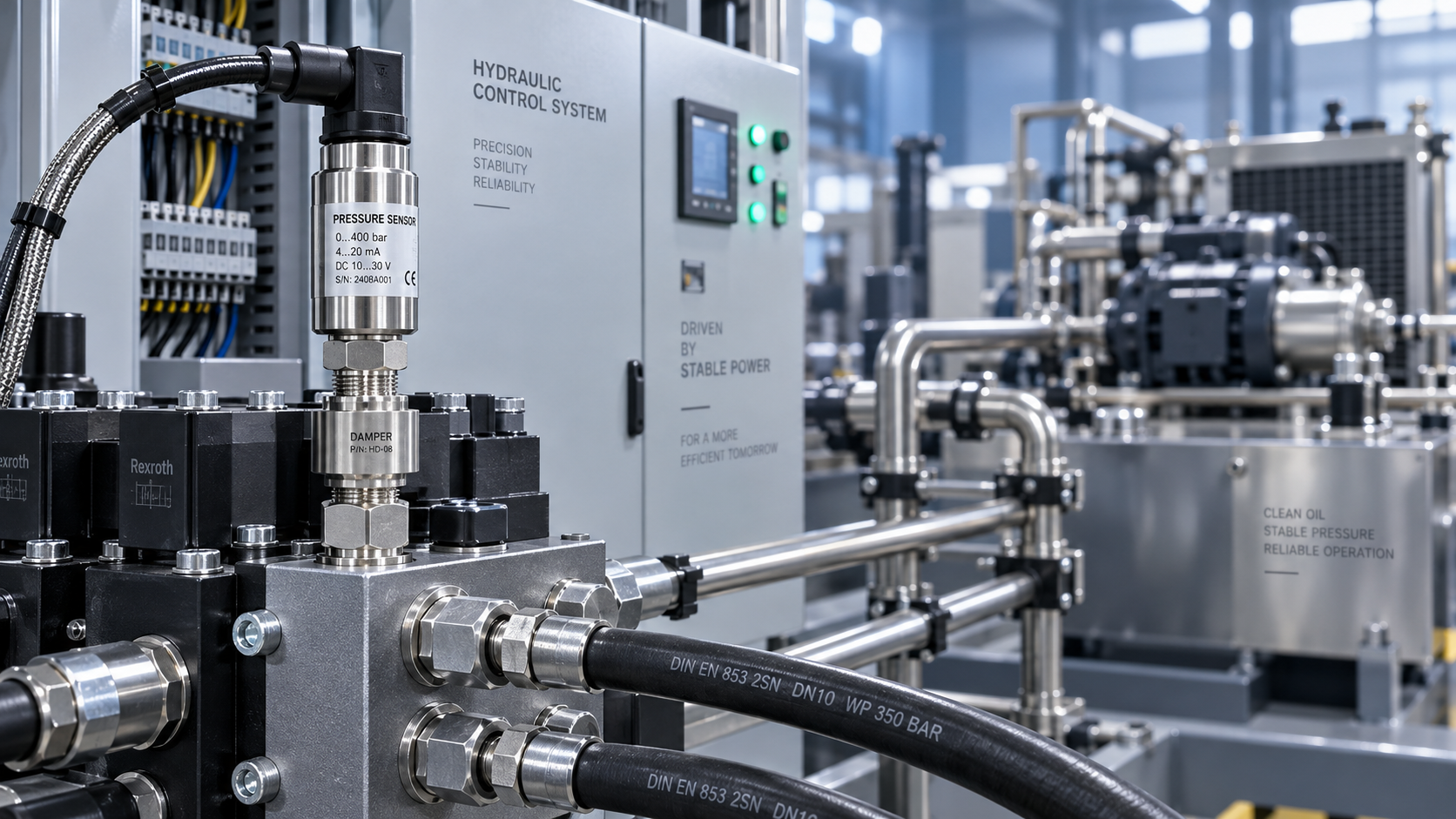
 Hydraulic equipment pressure fluctuates frequently. How can sensors be configured to improve control stability?