News Center
—— NEWS CENTER ——
Xi'an Shenghongchuang Instrument Co., Ltd.
Contact: Mr. Zhang
Mobile: 15529283736
Email: shc-sensor@qq.com
Address: Fortune Building, Sanqiao Street, Xixian New Area, Xi'an, Shaanxi Province
Customized demand for diffused silicon Hirschmann pressure sensors is growing day by day, and the EJYB-GP-13 model, as a key component in the industrial field, has a customization process that directly affects equipment matching accuracy. This article, by the experts of Xi'an Shenghongchuang Instrumentation, provides an in-depth analysis of the entire process from model selection parameter confirmation to Hirschmann connector integration, covering technical comparisons of more than 10 models such as PT124B-210, helping you master the core customization points of diffused silicon sensors.
I. Definition and Technical Characteristics of Diffused Silicon Hirschmann Pressure Sensors
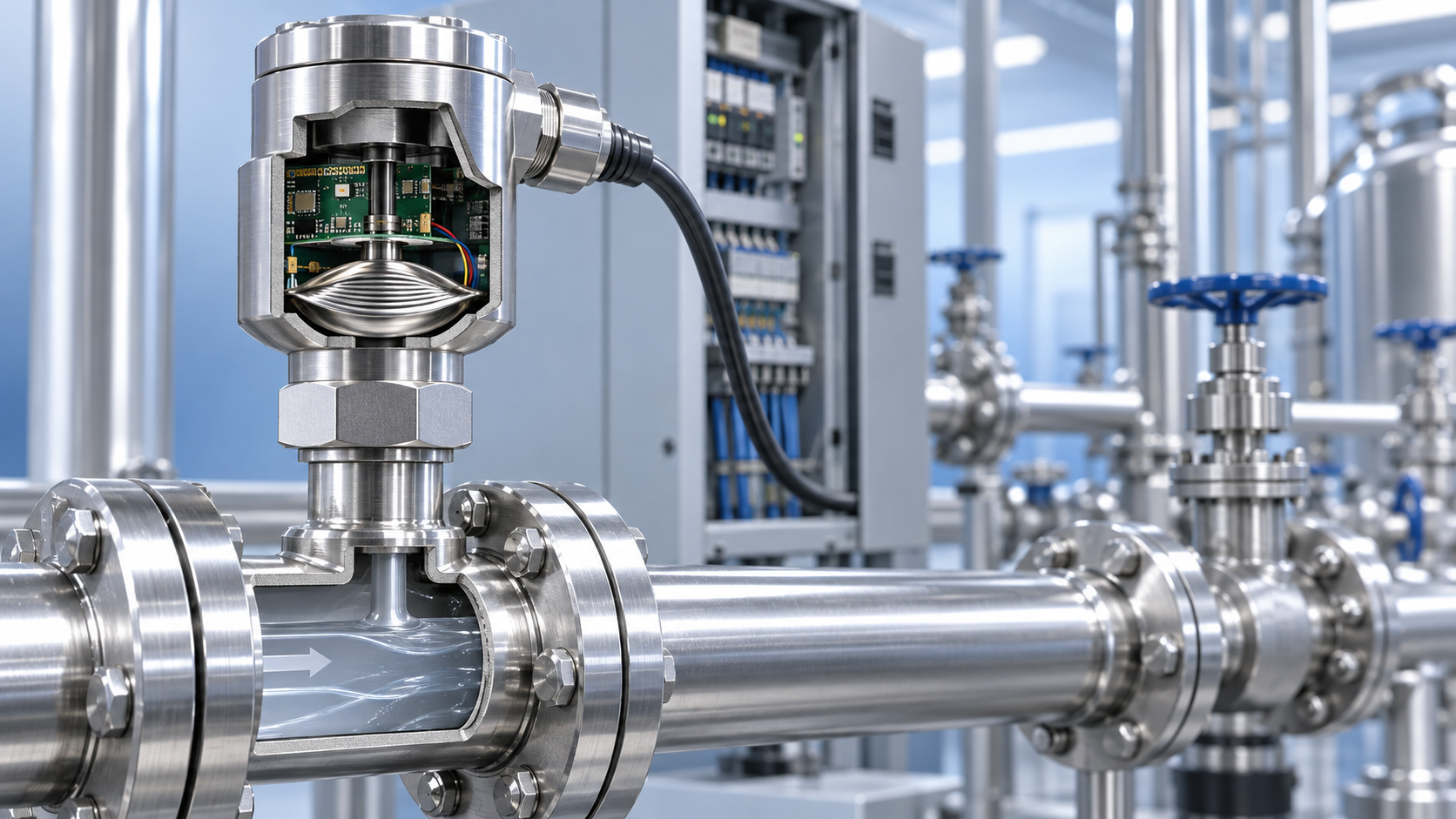
Diffused silicon Hirschmann pressure sensors use silicon piezoresistive sensing elements manufactured with MEMS technology, and achieve rapid signal transmission and protection through Hirschmann connectors. Their core advantages lie in the corrosion resistance of the 316L stainless steel diaphragm, as well as the wide range coverage of -0.1~100MPa. Taking domestic general-purpose pressure transmitter EET-1040 hydraulic oil pneumatic sensor as an example, its 0.1% high accuracy and 400℃ medium resistance make it particularly suitable for high-temperature and high-pressure scenarios such as metallurgy and electric power.
II. Analysis of the Full Customization Process for the EJYB-GP-13 Model
1. Parameter Confirmation Stage
It is necessary to clarify basic parameters such as pressure range (such as 1.6MPa or 2.5MPa), output signal (4-20mA/0-10V), and interface type (M20*1.5/G1/4). When comparing models such as PT124B-210 and SMP131-TLD, special attention should be paid to whether the medium temperature compensation range covers the working condition requirements of -20~85℃.
2. Key Points of Structural Customization
- Differences in mechanical strength between threaded mounting and flange mounting
- The dustproof and waterproof rating of the Hirschmann connector must reach IP67 or above
- Stability verification of aviation plug connection in vibration environments
III. Industry Application Scenarios and Technical Comparison
IV. Common Selection Misunderstandings and Solutions
Misunderstanding 1: Only focusing on nominal accuracy while ignoring temperature effects——in practical applications, it is necessary to confirm whether the compensated temperature range covers working condition fluctuations. For example, in chemical reactor scenarios, a model with 0.25% accuracy and a compensation range up to 150℃ should be selected.
Misunderstanding 2: Insufficient matching of interface specifications——although G1/2 and G1/4 interfaces are similar in size, the difference in sealing pressure rating can reach 2.5 times, and strict verification is required according to the DG1300-PJ-1-2-40-CJ-GK-GZ standard.
V. Why Choose Xi'an Shenghongchuang Instrumentation
As a high-tech enterprise in Xixian New Area, we provide: ① more than 10 years of R&D experience in diffused silicon sensors; ② support for customization of 200+ models such as PH-PH101; ③ dual certification of ISO9001/CE. For complex models such as XMLK-C21, 3D model pre-assembly verification services can be provided.
Consult now to obtain the complete technical solution for the EET-1040 series, or request the exploded view and installation instruction documents for the SST-SST2002 model.
Related Recommendations
![]() Southchip Technology Launches Its First Optical Sensor, the SC52115, for Wearable Devices
Southchip Technology Launches Its First Optical Sensor, the SC52115, for Wearable Devices How does a pressure sensor convert changes in applied force into usable electrical signals?
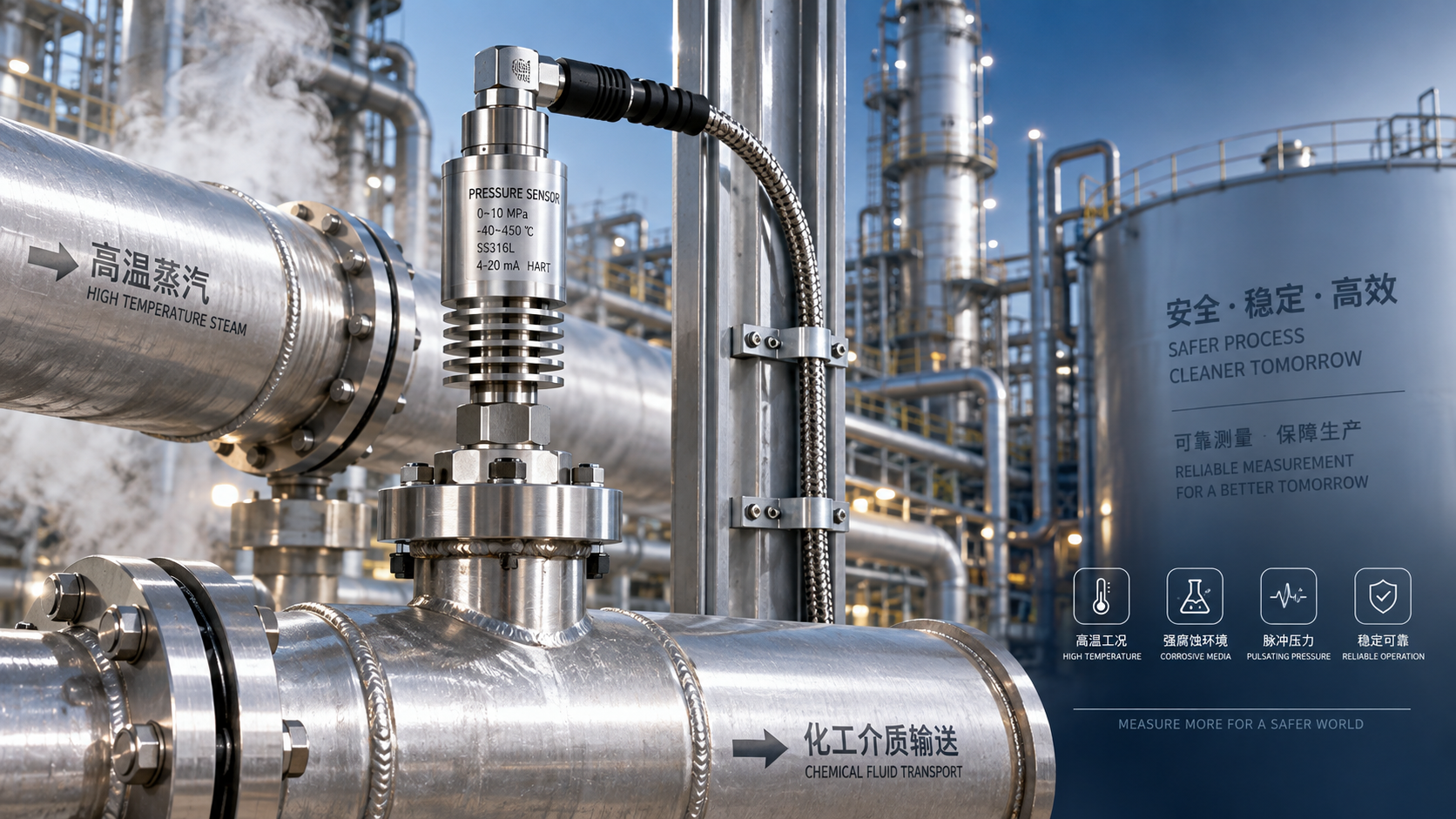
 Which parameters should be considered when selecting pressure sensors for high-temperature, corrosive, and pulsating operating conditions?
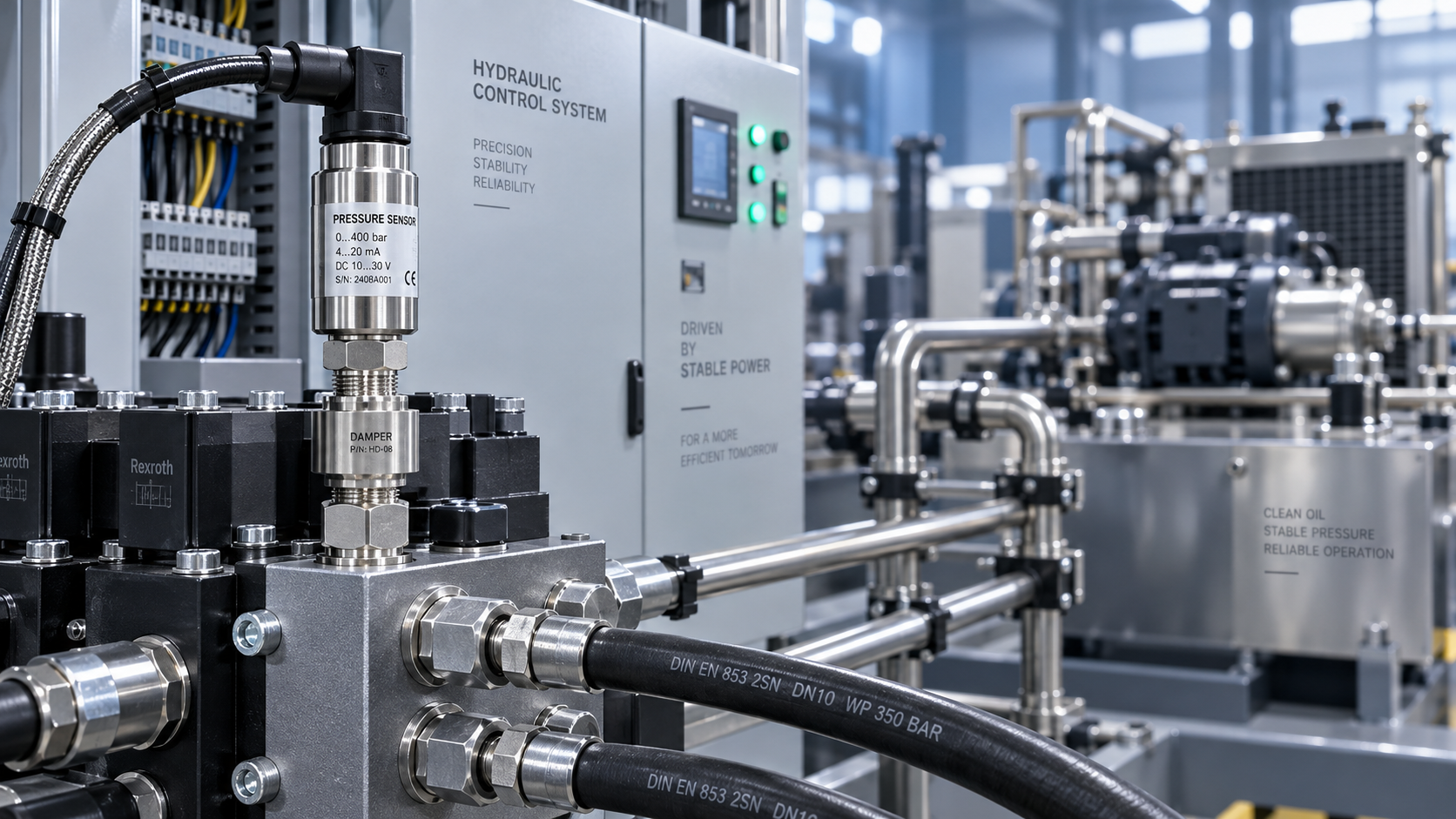
 Hydraulic equipment pressure fluctuates frequently. How can sensors be configured to improve control stability?