News Center
—— NEWS CENTER ——
Xi'an Shenghongchuang Instrument Co., Ltd.
Contact: Mr. Zhang
Mobile: 15529283736
Email: shc-sensor@qq.com
Address: Fortune Building, Sanqiao Street, Xixian New Area, Xi'an, Shaanxi Province
Interpreting the Diffused Silicon Hirschmann 501 Pressure Transmitter Manual: A Guide to Common Installation and Commissioning Issues
As a key device in the field of industrial automation, the installation and commissioning of the Diffused Silicon Hirschmann 501 pressure transmitter directly affect measurement accuracy and system stability. This article provides a comprehensive analysis of A-10, FDS-S and other series products, covering working principles, wiring diagrams, and troubleshooting, to help technical evaluation personnel quickly master the key points of core parameter calibration and accuracy maintenance for Diffused Silicon Hirschmann pressure sensors.
1. Working Principle and Technical Characteristics of Diffused Silicon Hirschmann Pressure Sensors
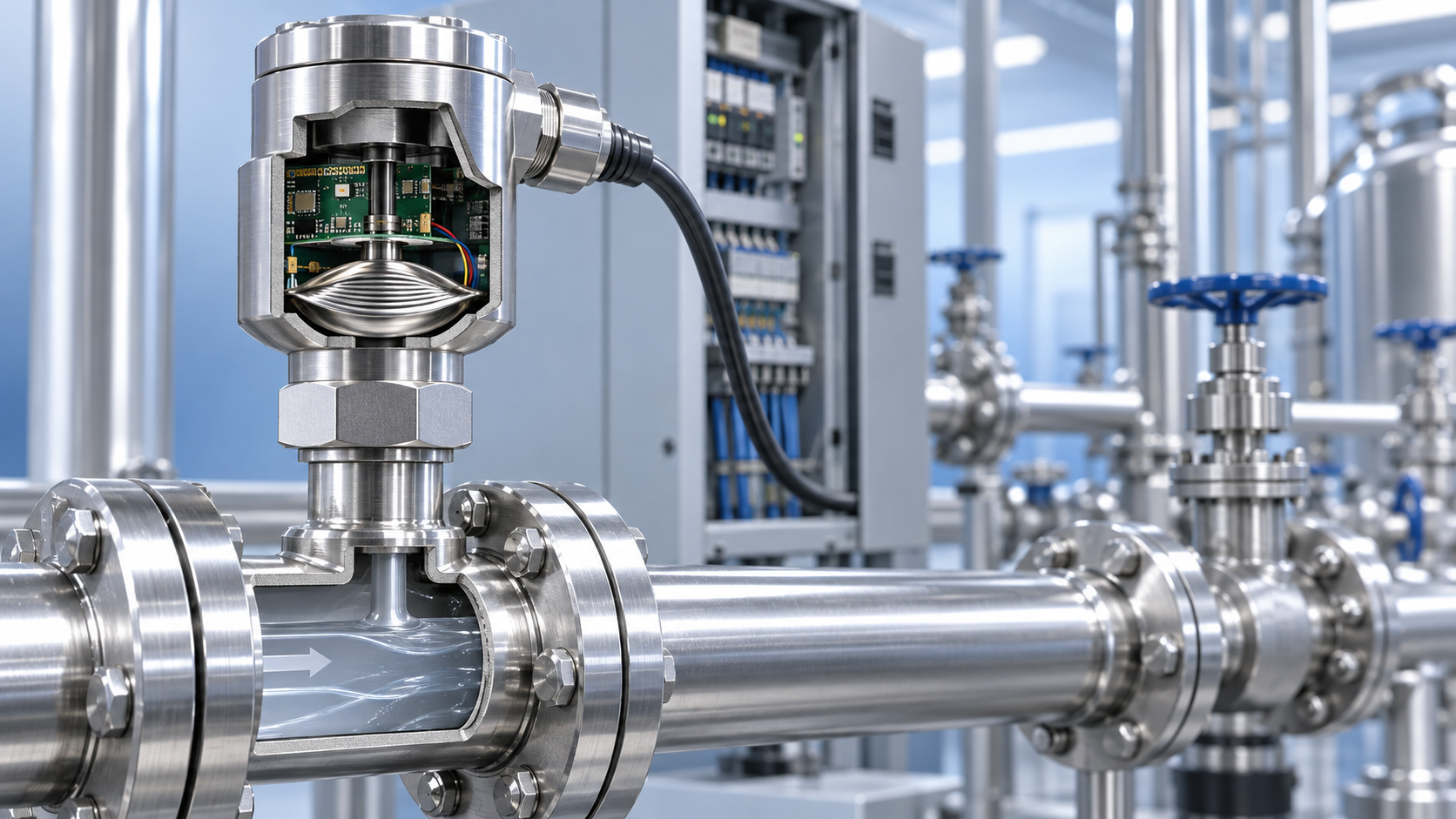
Diffused Silicon Hirschmann pressure sensors use the semiconductor piezoresistive effect principle to convert pressure into electrical signals through a Wheatstone bridge on a silicon chip. Taking the A-10 pressure transmitter as an example, its core components include:
- Sensing element: A single-crystal silicon chip forms strain resistors through ion implantation, with temperature drift ≤±0.05%FS/℃
- Signal conditioning circuit: Built-in temperature compensation module ensures stability in environments from -20~85℃
- 316 stainless steel isolation diaphragm: Can withstand overload pressure up to 2 times the full scale range
Compared with similar products such as Domestic Industrial 2088 Pressure Transmitter YBPZ Diffused Silicon 2088 Pressure Sensor, the Hirschmann 501 series has significant advantages in rise time (≤5ms to reach 90%FS) and long-term stability (±0.1%FS/year), making it particularly suitable for dynamic measurement scenarios such as hydraulic control systems and power station inspection.
2. Installation Specifications and Mechanical Interface Selection
The correct installation method directly affects the measurement accuracy of models such as SPB-SPB101:
During installation, note the following: avoid direct installation at pipeline bends; for models such as PM-PM320 with LCD displays, ensure the gauge head faces a visible angle; if the medium temperature exceeds 85℃, a heat sink or capillary tube must be installed.
3. Electrical Connection and Signal Calibration
According to the wiring diagram specifications for the PD-PD50 pressure transmitter:
- Two-wire connection: red wire to 24VDC+, blue wire to the signal input terminal, shield grounded at one end
- Three-wire connection: brown (power +), blue (power -), black (signal output)
- Zero-point calibration: adjust the ZERO potentiometer under no-pressure conditions so that the output is 4mA (or 1V)
- Range calibration: apply full-scale pressure and adjust the SPAN potentiometer to 20mA (or 10V)
It is recommended to use a Class 0.05 standard pressure source to verify the S-10 pressure transmitter, with a calibration interval not exceeding 12 months. If the accuracy of model YSJ-B1 is found to be out of tolerance, you may try activating the built-in software linear compensation function.
4. Typical Fault Diagnosis and Maintenance
For common issues with the DLT-DLT200 pressure transmitter:
- Output signal fluctuation: check whether there are residual air bubbles in the pipeline, vent again and tighten the connectors
- Zero-point drift: confirm whether the diaphragm is fouled, and clean the isolation diaphragm with alcohol cotton
- No output signal: measure whether the supply voltage is within the 9-36VDC range, and check the fuse
- Abnormal display: reset the CPU (press and hold the SET key for 10 seconds), restore factory settings
To extend the service life of the CX-203 pressure transmitter: in corrosive environments such as petrochemical applications, check the integrity of the 316 stainless steel parts in contact with the medium once every 6 months; keep dry during storage and avoid low-temperature environments below -40℃.
5. Selection Guide and Alternative Solutions
When the specification model of the FDS-S pressure transmitter does not meet requirements, refer to the following parameter comparison:
For scenarios such as building automation that require multiple signal outputs, it is recommended to select a composite transmitter with 0~10VDC and switching output.
Summary and Professional Recommendations
Performance optimization of Diffused Silicon Hirschmann pressure sensors requires a systematic solution: from eliminating mechanical stress during the installation stage, to temperature compensation calibration during the commissioning stage, and then to periodic verification during the operation and maintenance stage. Xi'an Shenghongchuang Instrumentation Co., Ltd. recommends that technical evaluation personnel focus on:
- Conducting at least one complete accuracy verification every year (including nonlinearity, repeatability, and hysteresis testing)
- Establishing equipment life cycle records, documenting each calibration data set and fault handling record
- For critical control points, configuring redundant sensors to improve system reliability
If you need complete technical documentation for the specification model of the FDS-S pressure transmitter Diffused Silicon Hirschmann pressure sensor, or wish to consult on customized solutions for the A-10 pressure transmitter, please feel free to contact our engineering technical team.
Related Recommendations
![]() Southchip Technology Launches Its First Optical Sensor, the SC52115, for Wearable Devices
Southchip Technology Launches Its First Optical Sensor, the SC52115, for Wearable Devices How does a pressure sensor convert changes in applied force into usable electrical signals?
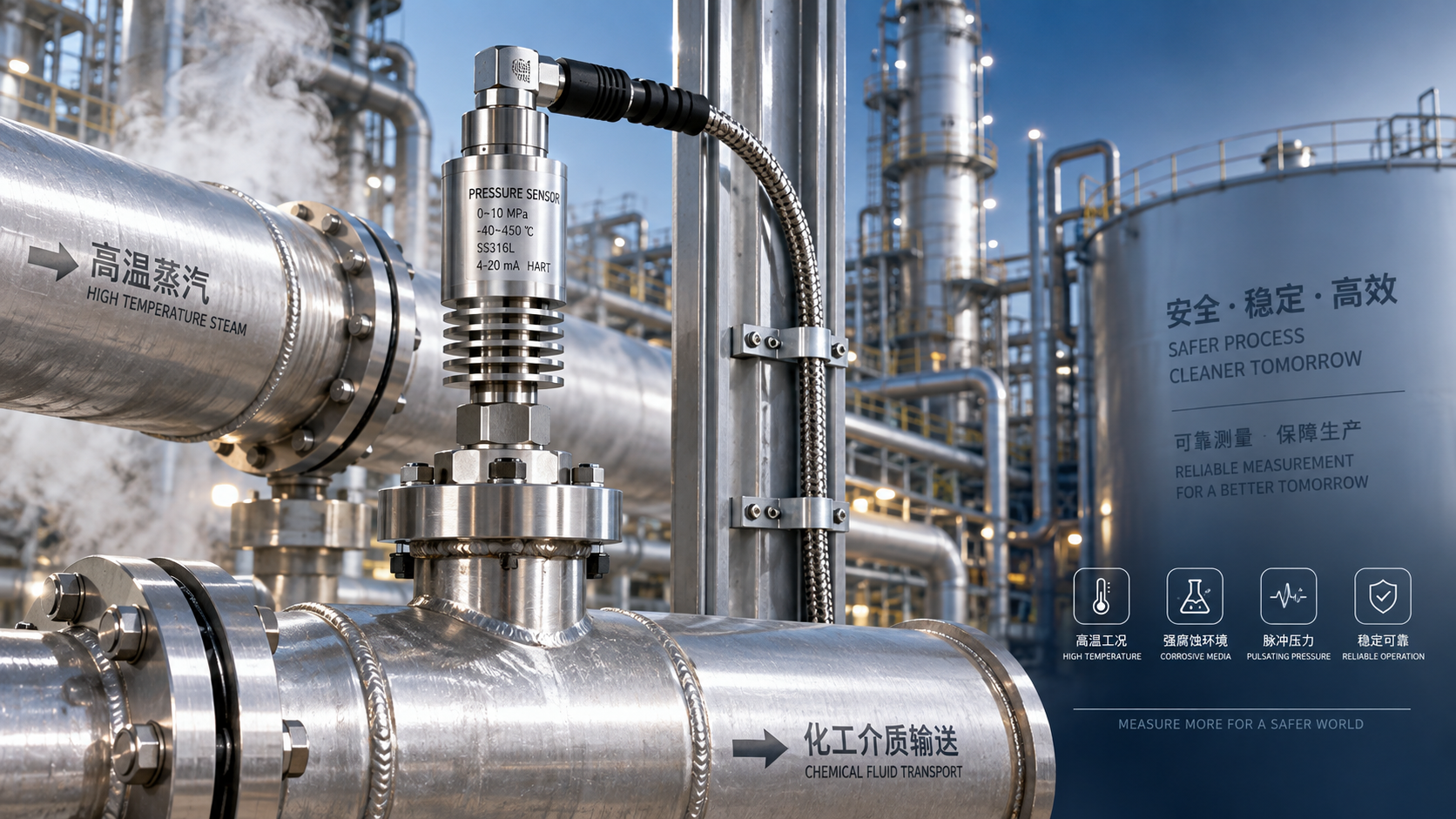
 Which parameters should be considered when selecting pressure sensors for high-temperature, corrosive, and pulsating operating conditions?
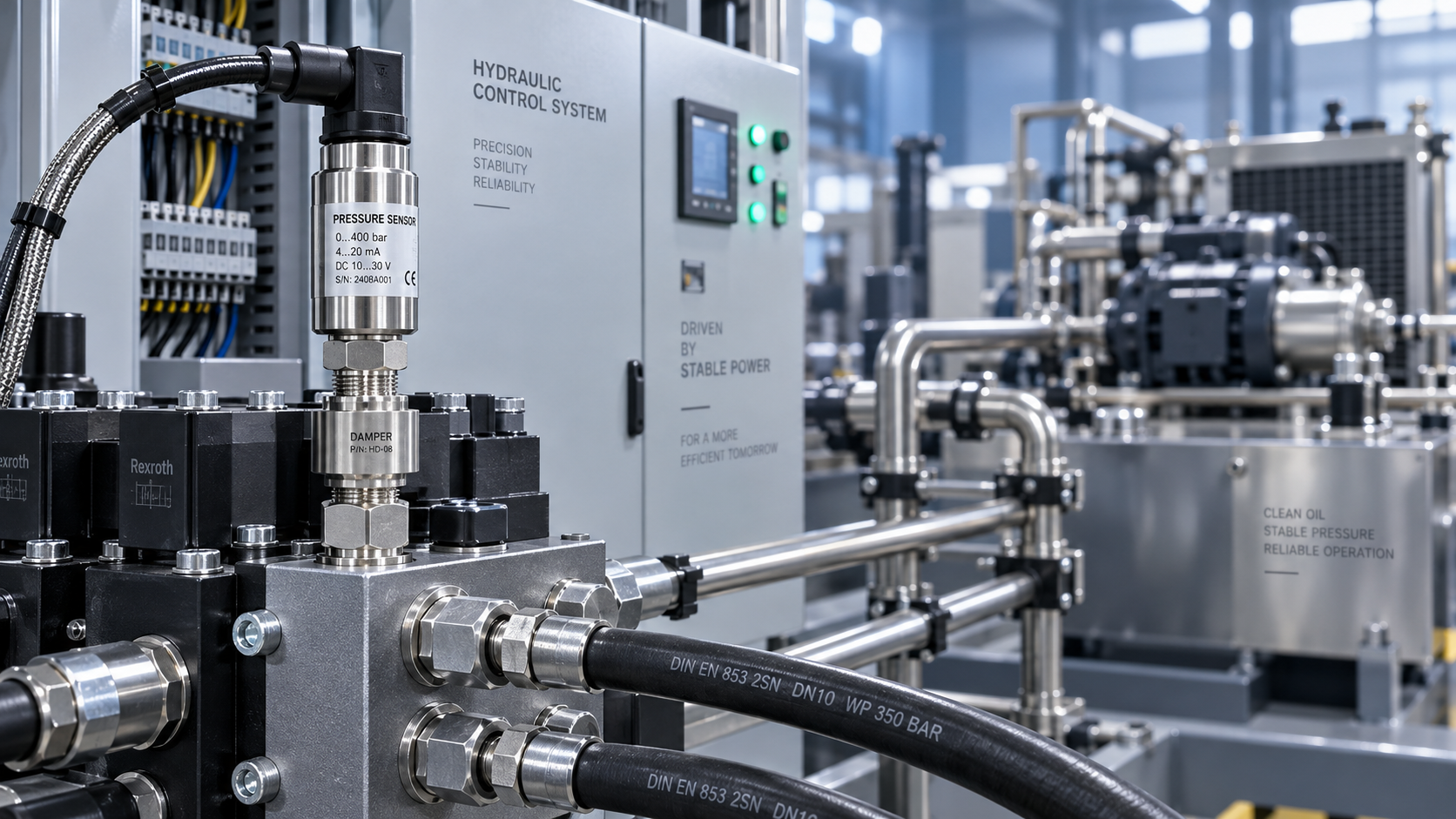
 Hydraulic equipment pressure fluctuates frequently. How can sensors be configured to improve control stability?