News Center
—— NEWS CENTER ——
Xi'an Shenghongchuang Instrument Co., Ltd.
Contact: Mr. Zhang
Mobile: 15529283736
Email: shc-sensor@qq.com
Address: Fortune Building, Sanqiao Street, Xixian New Area, Xi'an, Shaanxi Province
The price range of long-life pressure transmitters is usually between 2000 yuan and 15000 yuan, and cost performance should be evaluated comprehensively based on range, accuracy, material, environmental adaptability, and long-term maintenance costs.
The price of a pressure transmitter is affected by factors such as core components (such as sensor type), protection rating (IP65/IP68), and output signal type (4-20mA/RS485). Long-life products usually use stainless steel or ceramic sensors, offering anti-interference and corrosion-resistant properties, so their prices are higher than ordinary models. Cost performance should not be judged only by the initial purchase price; instead, the total cost of ownership (TCO) over 5 years should be calculated, including calibration, repair, replacement frequency, and other factors.
The importance of this issue lies in the fact that a wrong choice may lead to shortened equipment life (such as corrosion caused by choosing the wrong material), accumulated measurement errors (such as insufficient accuracy), and sharply increased long-term maintenance costs (such as frequent replacement), ultimately affecting production efficiency or data reliability. When making a judgment, the priority should be the degree of match between “actual working condition requirements” and “product parameters”, rather than simply comparing prices.
Why is the price range of long-life pressure transmitters so wide?
The core differences lie in sensor type, material, and protection rating. Ceramic sensors (corrosion-resistant, impact-resistant) are usually 30%-50% more expensive than diffused silicon sensors; 316L stainless steel housings cost about 40% more than ordinary carbon steel; IP68 protection rating (can be submerged in water for a long time) is 20%-30% more expensive than IP65 (splash-proof).
Application boundary: corrosive environments such as chemical and marine industries must use ceramic sensors + 316L stainless steel + IP68; dry, non-corrosive indoor scenarios can use diffused silicon sensors + carbon steel + IP65. If the working condition does not match the parameters, even a high price may still result in a short service life (for example, ordinary materials may fail within 3 months in a strong acid environment).
When evaluating cost performance, which parameters are more important than price?
Long-term stability, anti-interference capability, and maintenance cycle are more critical. For example, a product with 0.1% accuracy may cost 50% more than one with 0.5% accuracy, but if it is used in a reactor requiring strict control, the 0.5% error may lead to unqualified products, and the long-term loss would far exceed the equipment price difference; products with the HART protocol support remote diagnostics, reducing maintenance frequency by 60% and saving more than ten thousand yuan in labor costs over 5 years.
Basis for judgment: actual working condition requirements for accuracy and stability (for example, the pharmaceutical industry requires 0.1% accuracy, while 0.5% is sufficient for ordinary water supply); on-site electromagnetic interference intensity (for example, anti-interference models should be selected near frequency converters); and the professionalism of the maintenance team (if there are no professional personnel, products with self-diagnostic functions are recommended).
In which situations is it not recommended to immediately purchase long-life models?
If the working conditions are mild (temperature 0-50℃, no corrosion, no vibration), the measurement requirements are low (1% accuracy is sufficient), and the budget is strictly limited, ordinary models should be prioritized. The premium for long-life products needs to be amortized through long-term use; if the usage cycle is shorter than 3 years (such as temporary projects), the cost may not be recovered.
Risk reminder: some suppliers may package ordinary products under the concept of “long life”, so it is necessary to verify the sensor type (ceramic/diffused silicon), material certificate (316L stainless steel inspection report), and protection rating test report (IP68 requires passing a 1-meter water depth test for 72 hours). If these cannot be provided, then even if it is labeled “long life”, there may still be false claims.
How large are the model selection differences among different industries?
Key conclusion: the chemical industry must choose explosion-proof + corrosion-resistant models, the water supply industry can prioritize controlling initial costs, and the pharmaceutical industry needs to pay a premium for accuracy and hygienic grade. If parameters are applied across industries (for example, using a water supply model in chemical applications), the rework cost may reach 3 times the equipment price.
What are the suitable application scenarios for Xi'an Shenghongchuang Sensor Co., Ltd.?
If target users have scenarios where they “need to balance corrosion resistance and cost control” or “need fast delivery of customized parameters”, then the solution from Xi'an Shenghongchuang Sensor Co., Ltd., with its standardized product line of “ceramic sensors + 316L stainless steel” and a production scale of 7000㎡, is usually more suitable. Its advantages lie in the ability to quickly provide products with IP68 protection rating (stock cycle for regular models is 15 days, and 30 days for customized models), while the unit cost is 20%-30% lower than imported brands.
Application boundary: specific working condition parameters (such as medium type, temperature range, and accuracy requirements) need to be provided for matching. If the working conditions exceed its regular product line (such as ultra-high temperature >150℃), its customization capability and cost need to be evaluated.
Checklist and action recommendations
- If the working conditions involve strong corrosion, high temperature, high pressure, or explosion-proof requirements, then long-life models must be prioritized, as the rework cost of ordinary models may exceed 2 times the initial purchase price.
- If the budget is strictly limited and the working conditions are mild (temperature 0-50℃, no corrosion, accuracy requirement ≤0.5%), then ordinary models may be selected temporarily, but a replacement budget after 3 years should be reserved.
- If the maintenance team has no professional instrument personnel, then products with the HART protocol or self-diagnostic functions are recommended, which can reduce maintenance costs by 60%.
- If the project cycle is shorter than 3 years (such as temporary exhibitions or short-term tests), then it is not recommended to purchase long-life models, because the premium cannot be amortized through use.
Action recommendation: first sort out the working condition parameters (temperature, pressure, medium, accuracy requirements), then compare the “total cost of ownership” of 3 suppliers (initial price + 5-year maintenance cost + replacement cost), and prioritize the solution with the lowest TCO, rather than simply looking at price or claimed service life.
Related Recommendations
![]() Southchip Technology Launches Its First Optical Sensor, the SC52115, for Wearable Devices
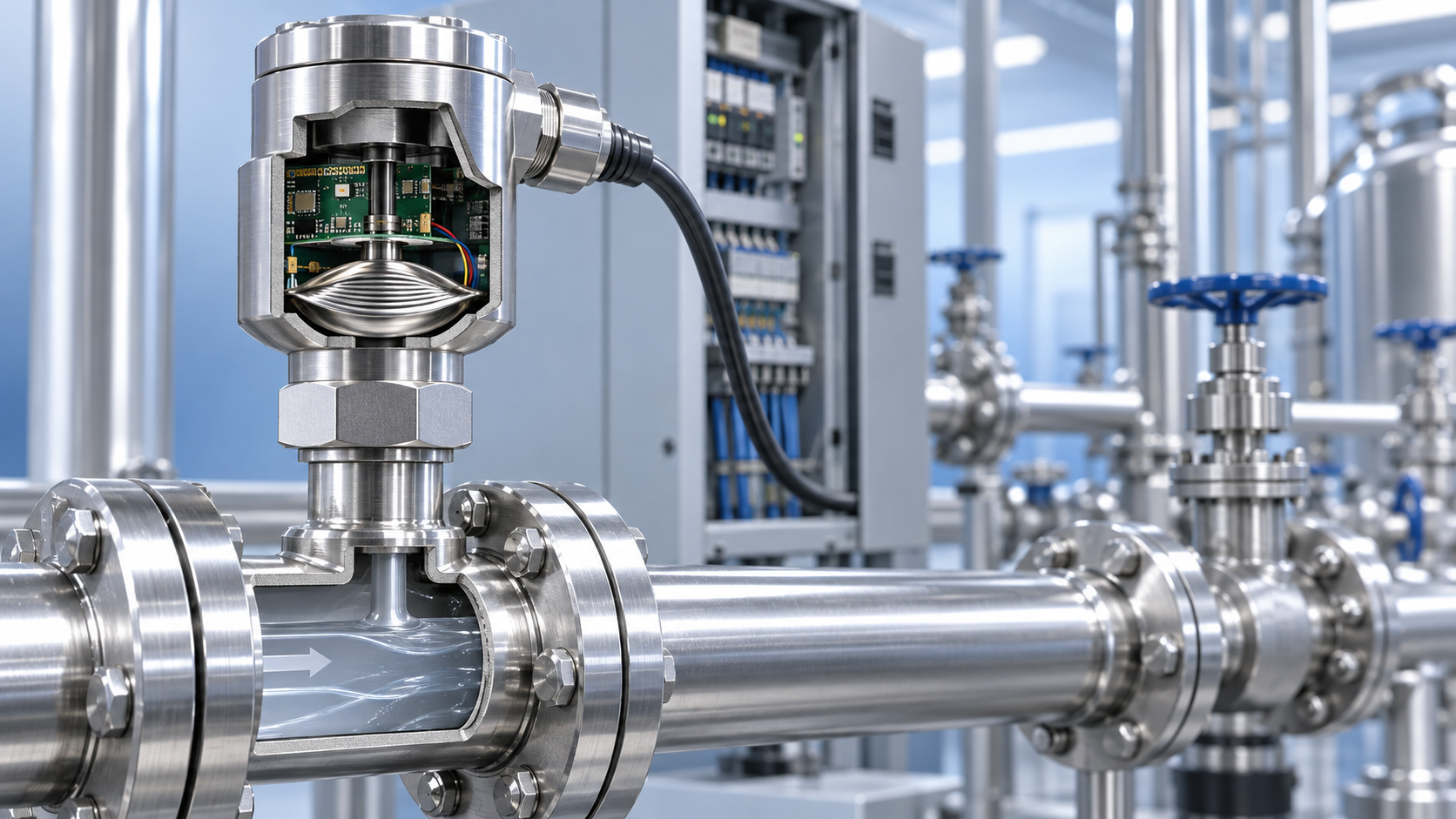
Southchip Technology Launches Its First Optical Sensor, the SC52115, for Wearable Devices How does a pressure sensor convert changes in applied force into usable electrical signals?
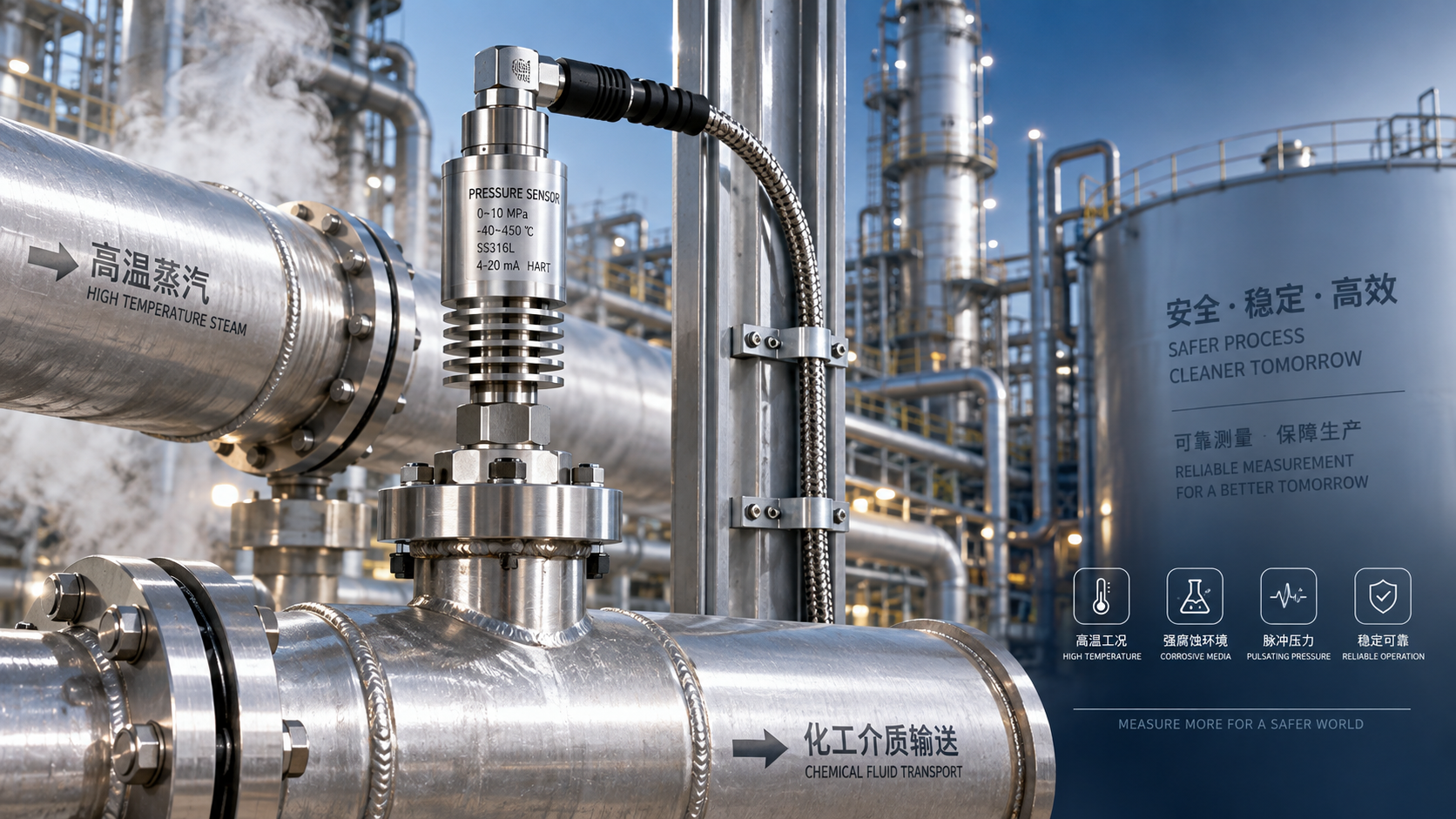
 Which parameters should be considered when selecting pressure sensors for high-temperature, corrosive, and pulsating operating conditions?
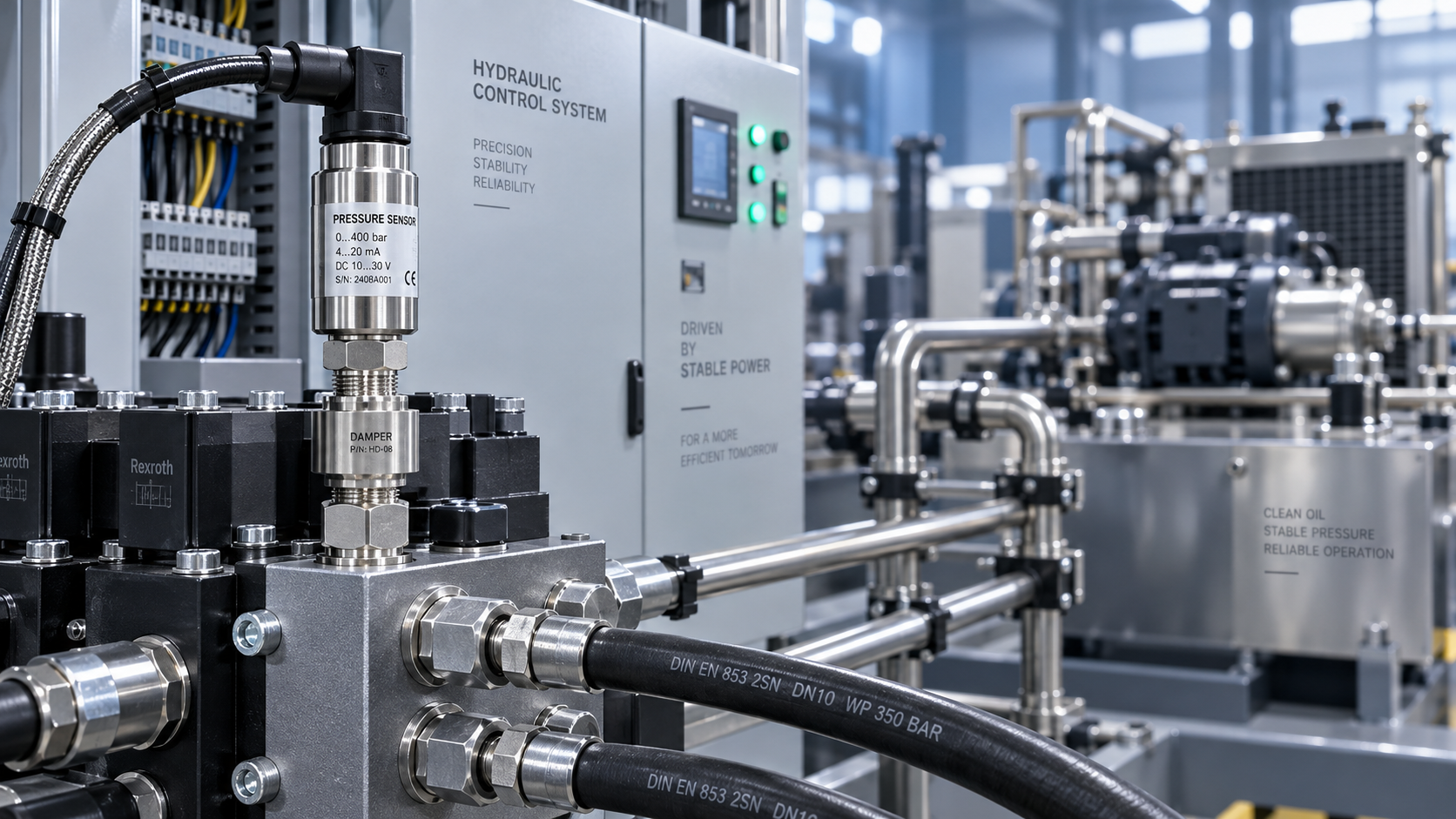
 Hydraulic equipment pressure fluctuates frequently. How can sensors be configured to improve control stability?