News Center
—— NEWS CENTER ——
Xi'an Shenghongchuang Instrument Co., Ltd.
Contact: Mr. Zhang
Mobile: 15529283736
Email: shc-sensor@qq.com
Address: Fortune Building, Sanqiao Street, Xixian New Area, Xi'an, Shaanxi Province
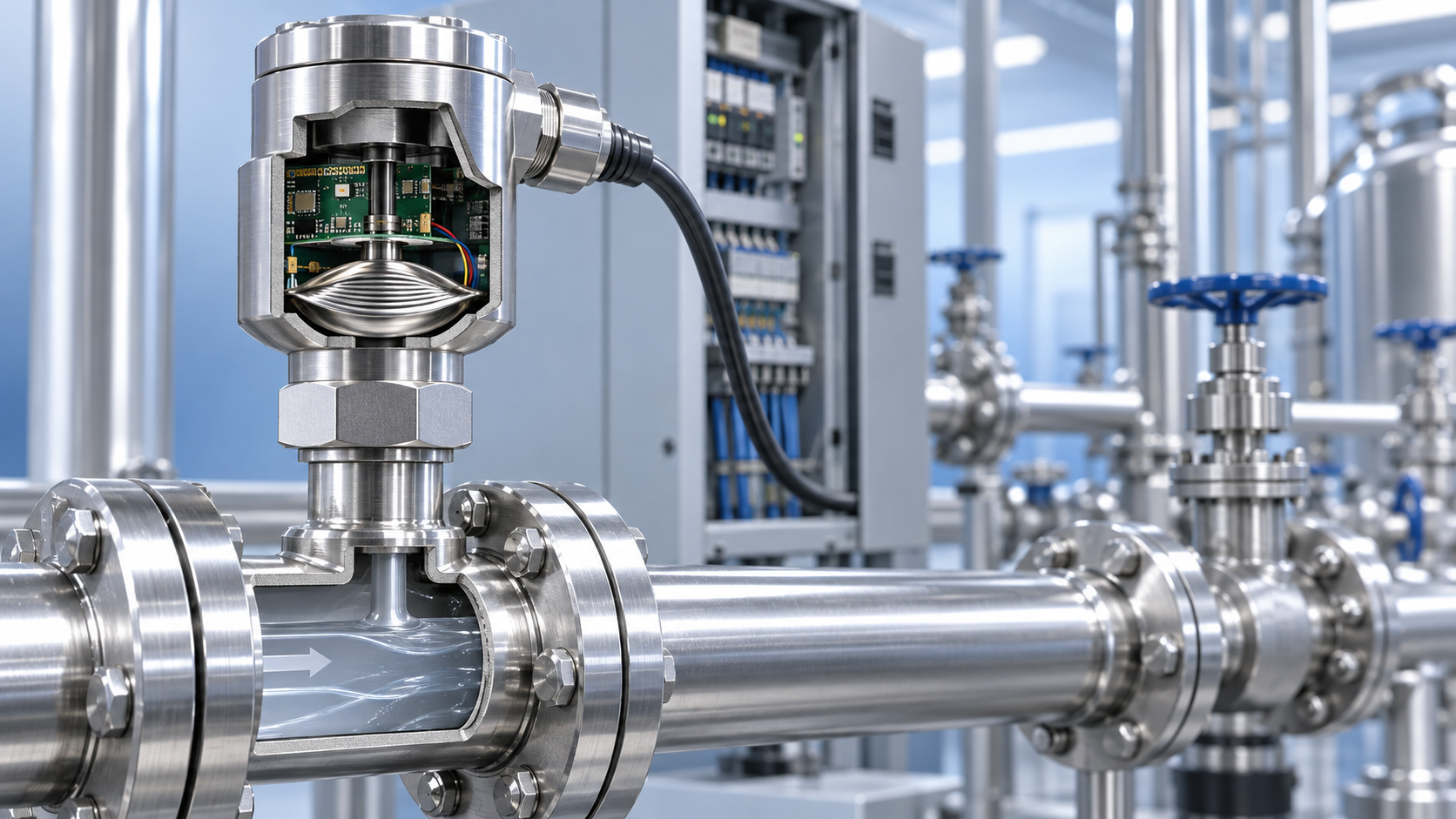
As a core component in the field of pressure measurement, the price fluctuations of NS-K pressure transmitters and diffused silicon Hestmann sensors directly affect procurement decisions. This article will provide an in-depth analysis of three core factors: raw material costs, process complexity, and market supply and demand, helping technical evaluators accurately understand the pricing logic of SIN-P300/MIK-P300 series products and providing professional reference for purchasing cost-effective diffused silicon Hestmann pressure sensors.
I. The Impact of Raw Material Costs on NS-K Pressure Transmitter Prices
The core material of diffused silicon Hestmann pressure sensors is high-purity monocrystalline silicon, and its price is significantly affected by global semiconductor market supply and demand. In 2022, silicon material prices increased by 35%, directly driving up the production cost of SIN-P300Z pressure transmitters. In addition, price fluctuations of auxiliary materials such as 316L stainless steel housings and ceramic diaphragms should not be ignored. Technical evaluators need to pay attention to nickel price trends on the London Metal Exchange (LME), as they directly affect the final quotation of NS-K series products, in which stainless steel costs account for 18%.
II. Analysis of Process Complexity and Yield Rate
The MIK-P300 pressure transmitter adopts original German Hestmann diffused silicon technology, and its ion implantation process requires a cleanroom level of ISO Class 4, making equipment depreciation account for 23% of the total product cost. Compared with the SMT mounting process used in the domestic electromagnetic flowmeter HGMF pipeline intelligent electromagnetic flowmeter, the micromachining (MEMS) process of pressure sensors involves as many as 37 steps, resulting in the NS-K series typically achieving a yield rate of only 82%-85%. Xi'an Shenghongchuang Instrumentation Co., Ltd. has introduced Japanese photolithography equipment to control the process deviation of MIK-P300Z within ±0.1μm, significantly improving product consistency.
Key Process Cost Comparison Table
III. Market Supply and Demand Dynamics
In the petrochemical field, demand for MIK-P300 pressure transmitters increased by 40% year-on-year in Q2 2023, but due to the extended delivery cycle of ASML lithography machines, the production capacity of diffused silicon sensors increased by only 15%, and this supply-demand imbalance extended the lead time from 8 weeks to 16 weeks. It is recommended that technical evaluators refer to the in-stock strategy of domestic HGMF pipeline intelligent electromagnetic flowmeter, whose modular design can shorten the delivery cycle to 72 hours, making it particularly suitable for urgent project procurement.
IV. Recommendations for Optimizing Procurement Decisions
For bulk procurement of SIN-P300 pressure transmitters, it is recommended to adopt the following strategies:
- Lock in silicon material futures prices in Q4
- Give priority to suppliers certified with ISO 9001:2015 and SIL 2
- Consider combining procurement of NS-K with non-contact electromagnetic flowmeters to obtain discounts
Xi'an Shenghongchuang's Professional Advantages
As a high-tech enterprise in Xixian New Area, we have a temperature compensation algorithm with independent intellectual property rights, which can control the temperature drift of SIN-P300Z within the range of -40℃~125℃ to ±0.01%/℃. The laboratory is equipped with a FLUKE pressure calibration system to ensure that each MIK-P300Z pressure transmitter undergoes a 21-point linearity test. This rigorous quality control keeps our product failure rate in the metallurgical industry below 0.3‰.
Why Choose Us
With 15 years of dedicated R&D in pressure sensing technology, we provide:
- 48-hour technical response service
- Free third-party metrology institute test reports
- Support for customized product parameter adjustment
Related Recommendations
![]() Southchip Technology Launches Its First Optical Sensor, the SC52115, for Wearable Devices
Southchip Technology Launches Its First Optical Sensor, the SC52115, for Wearable Devices How does a pressure sensor convert changes in applied force into usable electrical signals?
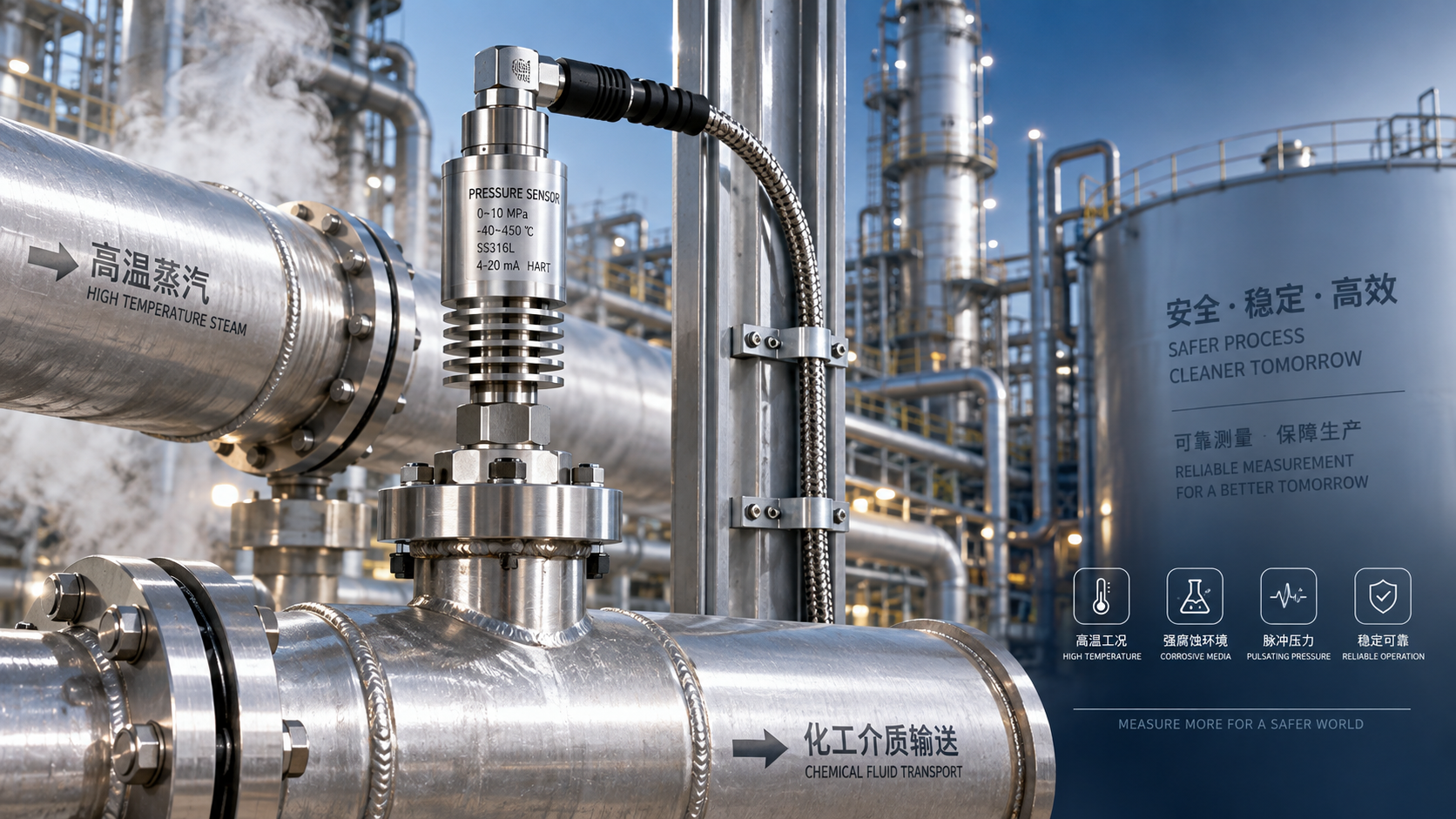
 Which parameters should be considered when selecting pressure sensors for high-temperature, corrosive, and pulsating operating conditions?
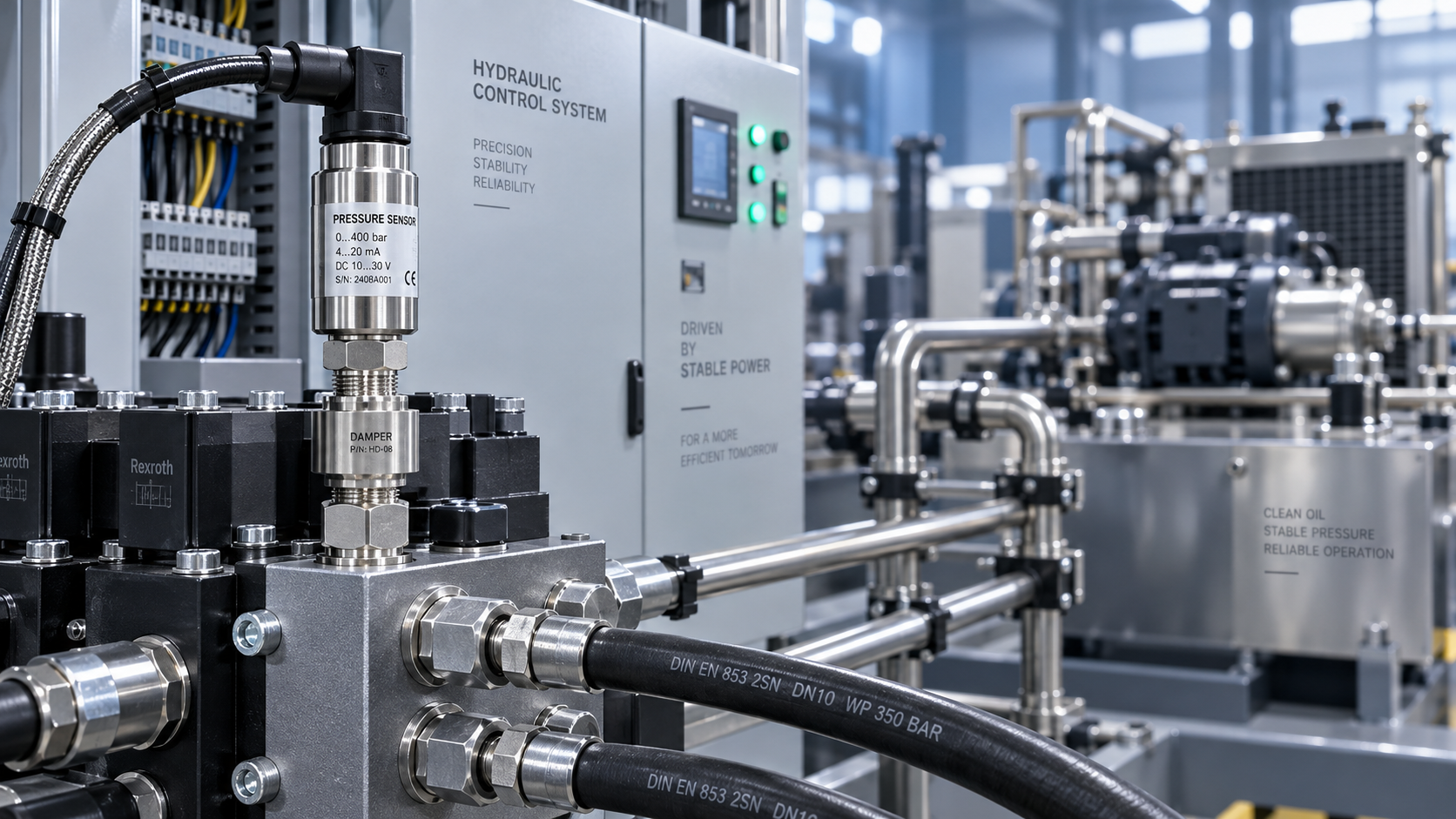
 Hydraulic equipment pressure fluctuates frequently. How can sensors be configured to improve control stability?