News Center
—— NEWS CENTER ——
Xi'an Shenghongchuang Instrument Co., Ltd.
Contact: Mr. Zhang
Mobile: 15529283736
Email: shc-sensor@qq.com
Address: Fortune Building, Sanqiao Street, Xixian New Area, Xi'an, Shaanxi Province
Introduction
As a key device in industrial measurement, the accuracy of the ZY800-V1-B1-C1-J1P1 pressure transmitter directly affects production safety and efficiency. This article provides an in-depth analysis of configuration optimization techniques for this transmitter model, helping technical evaluation personnel master professional methods from zero-point calibration to range setting, ensuring that the diffused silicon liquid and gas pressure sensor achieves optimal measurement performance.
1. The Importance of Zero-Point Calibration and Operating Steps
Zero-point calibration is the fundamental step to ensure the measurement accuracy of the ZY800-V1-B1-C1-J1P1 pressure transmitter. In practical applications, the zero point may drift due to changes in ambient temperature or sensor drift caused by long-term use. Technical evaluation personnel need to perform zero-point calibration regularly to ensure the accuracy of measurement data.
The specific operating steps are as follows:
- Place the transmitter in a no-pressure state and ensure that the measuring medium is completely vented;
- Enter the calibration menu through a HART communicator or local buttons;
- Select the “zero-point calibration” function and confirm the current output signal value;
- If deviation is found, adjust it to the standard zero-point value according to the device manual;
- Save the settings and exit the menu to complete the calibration process.
It is worth noting that for diffused silicon liquid and gas pressure sensors, it is recommended to stabilize the ambient temperature for at least 30 minutes before calibration to avoid the impact of temperature changes on the calibration results.
2. Optimization Strategies for Range Setting
Range setting is a key part of the configuration of the ZY800-V1-B1-C1-J1P1 pressure transmitter. Reasonable range selection can not only improve measurement accuracy but also extend the service life of the sensor. Technical evaluation personnel should select the optimal range configuration according to the pressure range of the actual application scenario.
Optimization recommendations:
- The upper limit of the range should be slightly higher than the maximum working pressure of the system, and it is usually recommended to be 1.2-1.5 times the maximum pressure;
- Avoid selecting an excessively large range, otherwise the measurement resolution will be reduced;
- For pressure systems with large fluctuations, increasing the damping time setting may be considered;
- Check the range settings regularly to ensure they match the actual operating conditions.
Similar to the PT500-50M-10V-0.5-M20-3m-503 pressure transmitter, the ZY800 series also supports multi-segment range setting, enabling quick switching according to different operating conditions and improving equipment adaptability.
3. Application of Temperature Compensation Technology
Temperature variation is one of the main factors affecting the accuracy of diffused silicon liquid and gas pressure sensors. The ZY800-V1-B1-C1-J1P1 pressure transmitter has a built-in advanced temperature compensation algorithm, which can effectively reduce measurement errors caused by temperature drift.
Key points of technical implementation:
- Use a high-precision temperature sensor to monitor ambient temperature in real time;
- Establish a temperature compensation model based on the sensor characteristic curve;
- Implement dynamic compensation through digital signal processing technology;
- Compensation parameters can be calibrated on site to adapt to different installation environments.
Compared with the AST-C1000 pressure transmitter, the ZY800 series can control temperature drift within ±0.1%FS/℃ over the operating range of -40℃ to 85℃, significantly improving measurement stability in extreme environments.
4. Selection and Optimization of Output Signals
The ZY800-V1-B1-C1-J1P1 pressure transmitter supports multiple output signal types, including 4-20mA analog signals, HART protocol, and RS485 digital communication. Technical evaluation personnel should select the optimal output method according to system integration requirements.
Signal optimization recommendations:
- For long-distance transmission, prioritize 4-20mA current signals due to their strong anti-interference capability;
- For scenarios requiring remote monitoring, the HART protocol is recommended for compatibility with traditional systems;
- For high-density installation scenarios, the RS485 bus can be used to save wiring costs;
- The output load impedance must be matched to avoid signal attenuation.
Similar to the DG1300-BZ-A-2-210/CJ/GZ pressure transmitter, the ZY800 series also supports output linearization settings, allowing custom output curves according to application requirements.
5. Impact of Installation Position and Piping Design
Correct installation is a key factor in ensuring the measurement accuracy of the ZY800-V1-B1-C1-J1P1 pressure transmitter. Technical evaluation personnel should pay special attention to the impact of sensor installation position and piping design on measurement results.
Key points of installation specifications:
- Avoid installation in locations with strong vibration or sudden temperature changes;
- When measuring liquid pressure, the transmitter should be installed below the pressure tapping point;
- When measuring gas pressure, the transmitter should be installed above the pressure tapping point;
- The piping design should avoid right-angle elbows to reduce turbulence generation;
- Use dedicated mounting brackets to ensure mechanical stability.
Similar to the installation requirements of the JX-004 pressure transmitter, the ZY800 series also recommends using an M20×1.5 standard process connection for easier system integration.
6. Regular Maintenance and Performance Verification
To ensure the long-term stable operation of the ZY800-V1-B1-C1-J1P1 pressure transmitter, technical evaluation personnel should establish a comprehensive maintenance plan and regularly verify sensor performance.
Maintenance key points:
- Perform an accuracy verification every 6 months using a standard pressure source for comparison;
- Check the condition of seals to prevent medium leakage;
- Clean electrical connection parts to ensure signal transmission quality;
- Record historical calibration data and analyze performance change trends;
- Replace sensor components that have reached their service life in a timely manner.
Compared with the maintenance solution of the YM-YM300 pressure transmitter, the ZY800 series provides more comprehensive self-diagnostic functions and can quickly determine equipment health status through status indicators.
Conclusion and Call to Action
Through the optimized configuration of the above six aspects, the ZY800-V1-B1-C1-J1P1 pressure transmitter can fully leverage its high-precision measurement performance and provide reliable pressure monitoring solutions for industrial production. As a professional manufacturer of diffused silicon liquid and gas pressure sensors, Xi'an Shenghongchuang Instrumentation Co., Ltd. has more than ten years of industry experience and can provide customers with comprehensive technical support from product selection to on-site commissioning.
If you would like to learn more technical details about the MYR-22 pressure transmitter, KYB-G pressure transmitter, or PTS702Q-400M-MA-C-M20 pressure transmitter, please feel free to contact our technical team. Call our service hotline now or visit our official website to obtain exclusive solutions and improve the performance of your pressure measurement system.
Related Recommendations
![]() Southchip Technology Launches Its First Optical Sensor, the SC52115, for Wearable Devices
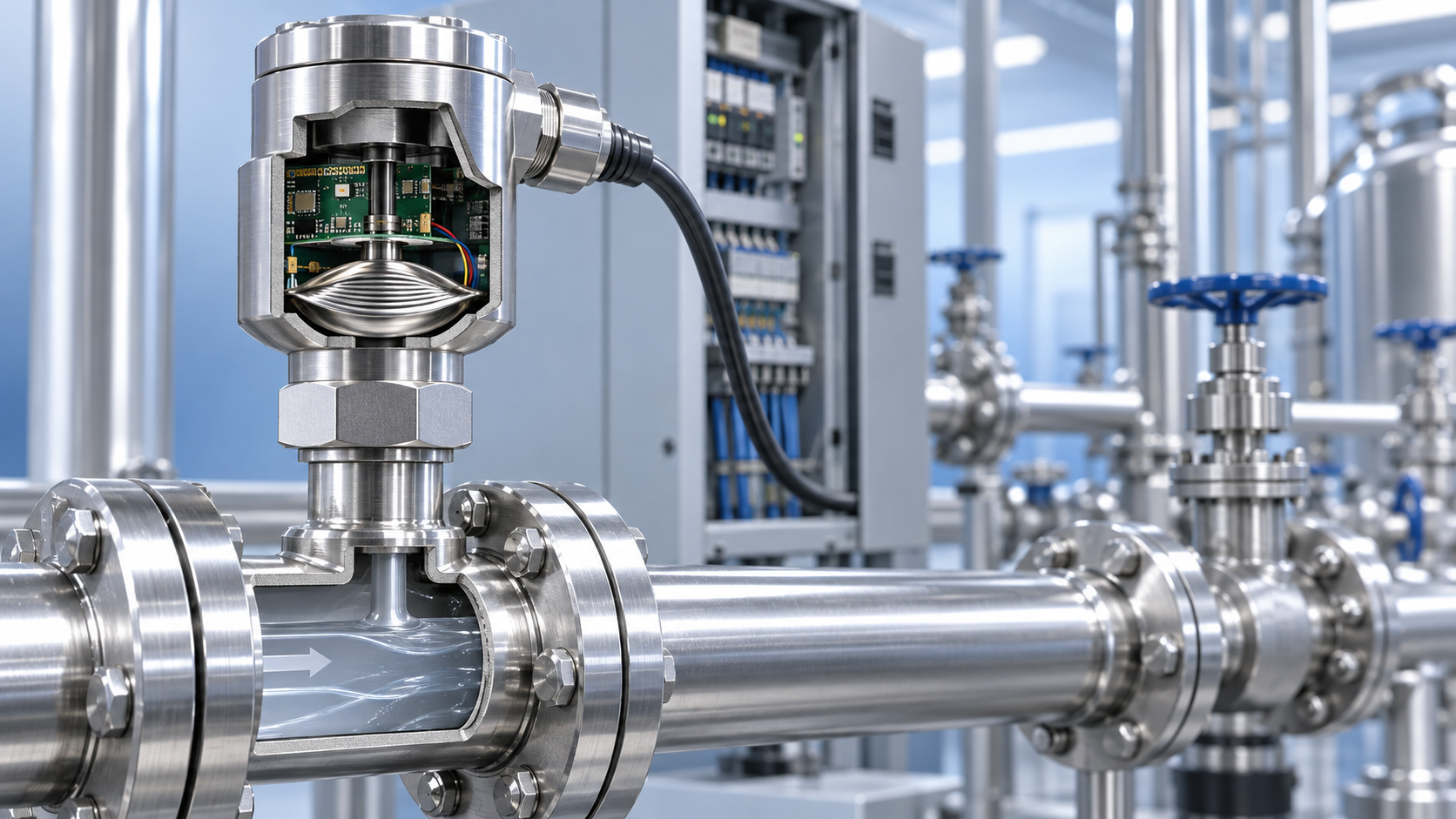
Southchip Technology Launches Its First Optical Sensor, the SC52115, for Wearable Devices How does a pressure sensor convert changes in applied force into usable electrical signals?
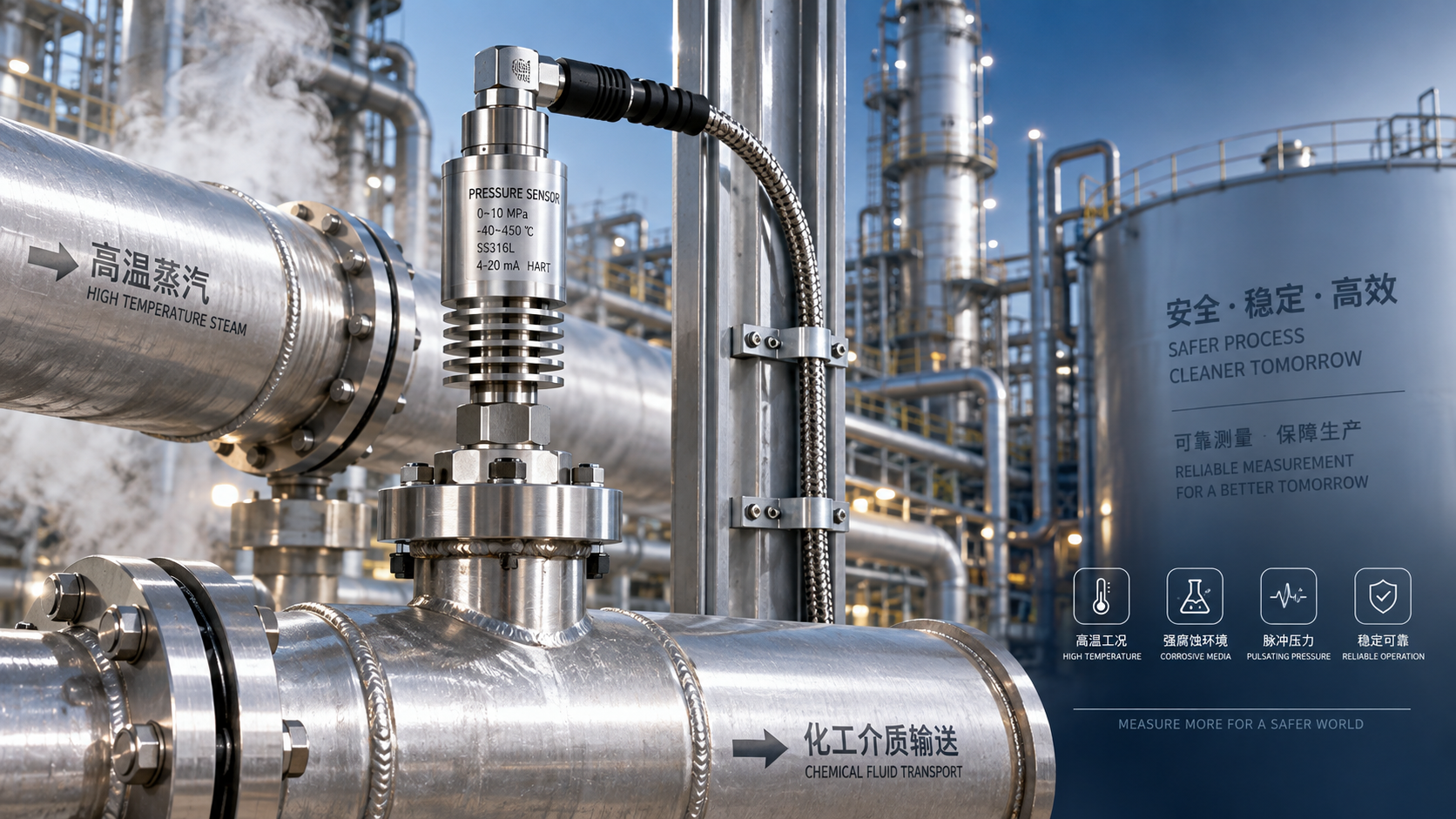
 Which parameters should be considered when selecting pressure sensors for high-temperature, corrosive, and pulsating operating conditions?
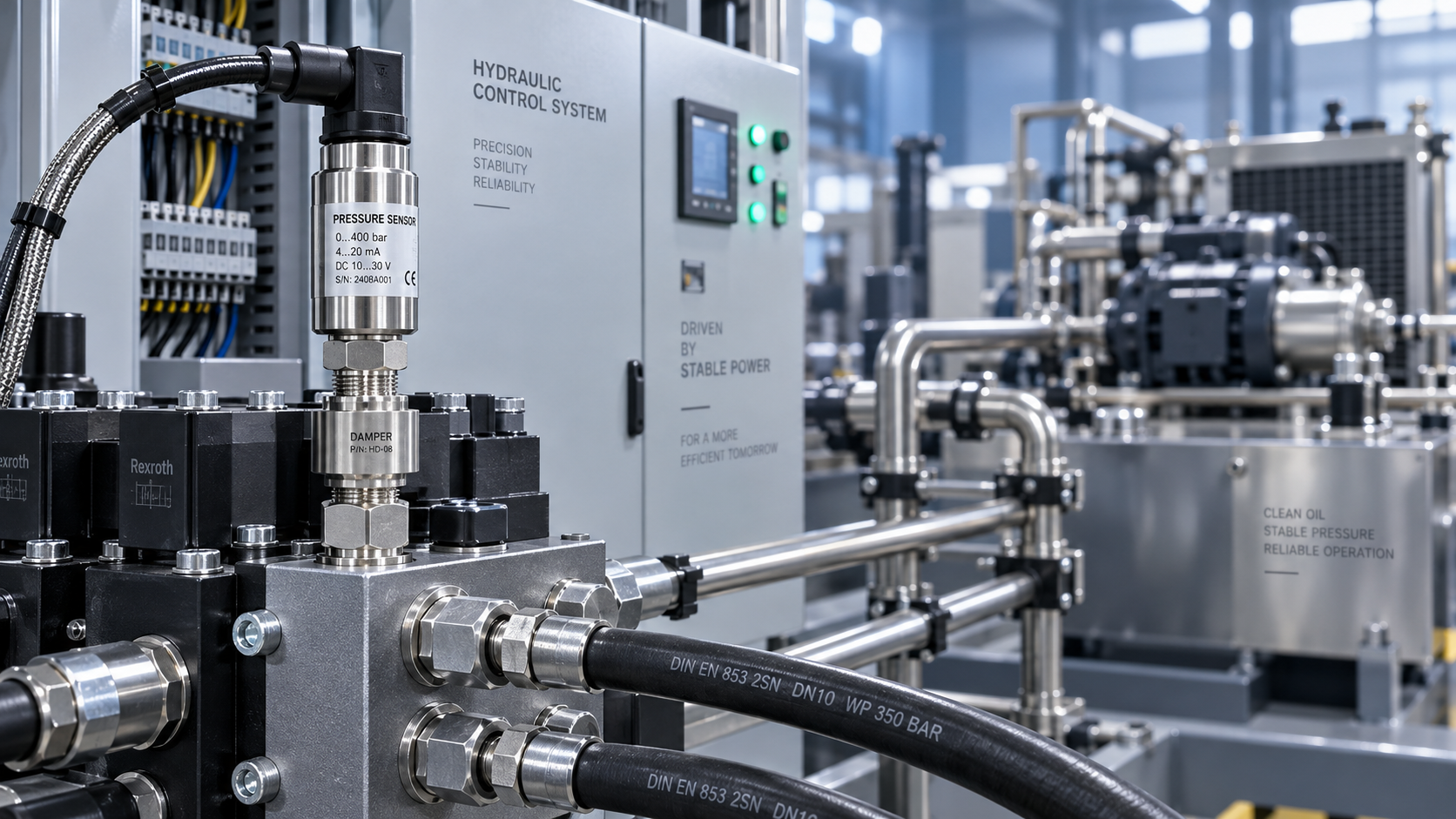
 Hydraulic equipment pressure fluctuates frequently. How can sensors be configured to improve control stability?