News Center
—— NEWS CENTER ——
Xi'an Shenghongchuang Instrument Co., Ltd.
Contact: Mr. Zhang
Mobile: 15529283736
Email: shc-sensor@qq.com
Address: Fortune Building, Sanqiao Street, Xixian New Area, Xi'an, Shaanxi Province
Illustrated Operation Guide for Diffused Silicon Hysteresis Pressure Sensors
Still troubled by the obscure and difficult-to-understand Y-881 pressure transmitter manual? This article provides an illustrated operation guide for diffused silicon Hysteresis pressure sensors, covering the full process in detail, including PT-709 calibration and PT-309 installation, helping you quickly master the key operating points. The professional team at Xi'an Shenghongchuang Instrumentation has specially compiled model selection tips and application solutions for common models (P-A1016/P-A1012, etc.), making industrial site pressure measurement more efficient.
I. Core Working Principle of Diffused Silicon Hysteresis Pressure Sensors
Diffused silicon Hysteresis pressure sensors use the piezoresistive effect principle of monocrystalline silicon. When external pressure acts on the sensing element, the silicon diaphragm deforms, causing the resistance value of the Wheatstone bridge to change, ultimately outputting a 4-20mA signal with a linear relationship to pressure. Taking the MBS-MBS3050 model as an example, its key features include:
- Wide temperature compensation range of -40℃~125℃
- Overload capacity up to 300% of the rated range
- Media compatibility covering oil, water, gas, etc.
Compared with traditional mechanical sensors, this technical solution has significant advantages such as fast response speed (<1ms) and good long-term stability (±0.1%/year), and is especially suitable for dynamic pressure monitoring in fields such as chemical engineering, metallurgy, water conservancy, and electric power.
II. Illustrated Calibration Procedure for Y-881/PT-709 Series
Calibration is a key step in ensuring measurement accuracy. Taking the calibration of the PT-709 pressure transmitter diffused silicon Hysteresis pressure sensor as an example:
For special media models such as P-A1018, an additional media compatibility test is required, and reinspection is recommended every 6 months. For related measuring equipment, please refer to the matching application solution of Domestic Weighing Sensor WTP803 Cantilever Beam Weighing Sensor Hopper Scale Shear Beam Load Cell.
III. Detailed Explanation of PT-309 Series Installation Specifications
The correct installation of PT-309-10/PT-309-16 pressure transmitters directly affects service life:
- Position selection: Avoid vibration sources and thermal radiation areas, and vertical installation is better than horizontal installation
- Connection treatment: When using sealing gaskets, the torque must not exceed 25N·m, and G1/2 threads must be sealed with PTFE tape
- Electrical connection: When the length of the shielded cable exceeds 50m, a signal isolator must be added
- Lightning protection: Outdoor installation must be equipped with a surge protection device (SPD)
Special reminder: Installation of FB-X customized models requires strict selection of diaphragm material according to media characteristics. In strongly corrosive environments, tantalum alloy diaphragms should be selected.
IV. P-A1016/P-A1012 Selection Decision Tree
Model selection requires comprehensive consideration of the following parameter matrix:
- Pressure range: P-A1016 covers 0-1MPa, while P-A1012 is suitable for 0-10MPa high-pressure scenarios
- Output signal: 4-20mA/RS485 is suitable for different transmission distance requirements
- Process connection: Flange/threaded connections correspond to different pipeline standards
- Explosion-proof certification: Chemical industry sites require models equipped with Ex d IIC T6 certification
Special models such as vegabar-vegabar17 also provide a food-grade 316L stainless steel housing option to meet GMP requirements in the pharmaceutical industry.
V. Typical Fault Troubleshooting Manual
For common problems with diffused silicon Hysteresis sensors:
VI. Summary and Professional Recommendations
Through the detailed illustrated guide in this article, you should now have mastered the core operating points of Y-881, PT-709, and other diffused silicon Hysteresis pressure sensors. As a national high-tech enterprise, Xi'an Shenghongchuang Instrumentation provides full-cycle services from model selection consultation to after-sales maintenance. Matching products such as Domestic Weighing Sensor WTP803 Cantilever Beam Weighing Sensor Hopper Scale Shear Beam Load Cell are available to meet the needs of complex working conditions.
If you need detailed technical manuals for various models or customized solutions, please contact our engineering service team immediately, and our professional technical consultants will provide you with one-on-one support.
Related Recommendations
![]() Southchip Technology Launches Its First Optical Sensor, the SC52115, for Wearable Devices
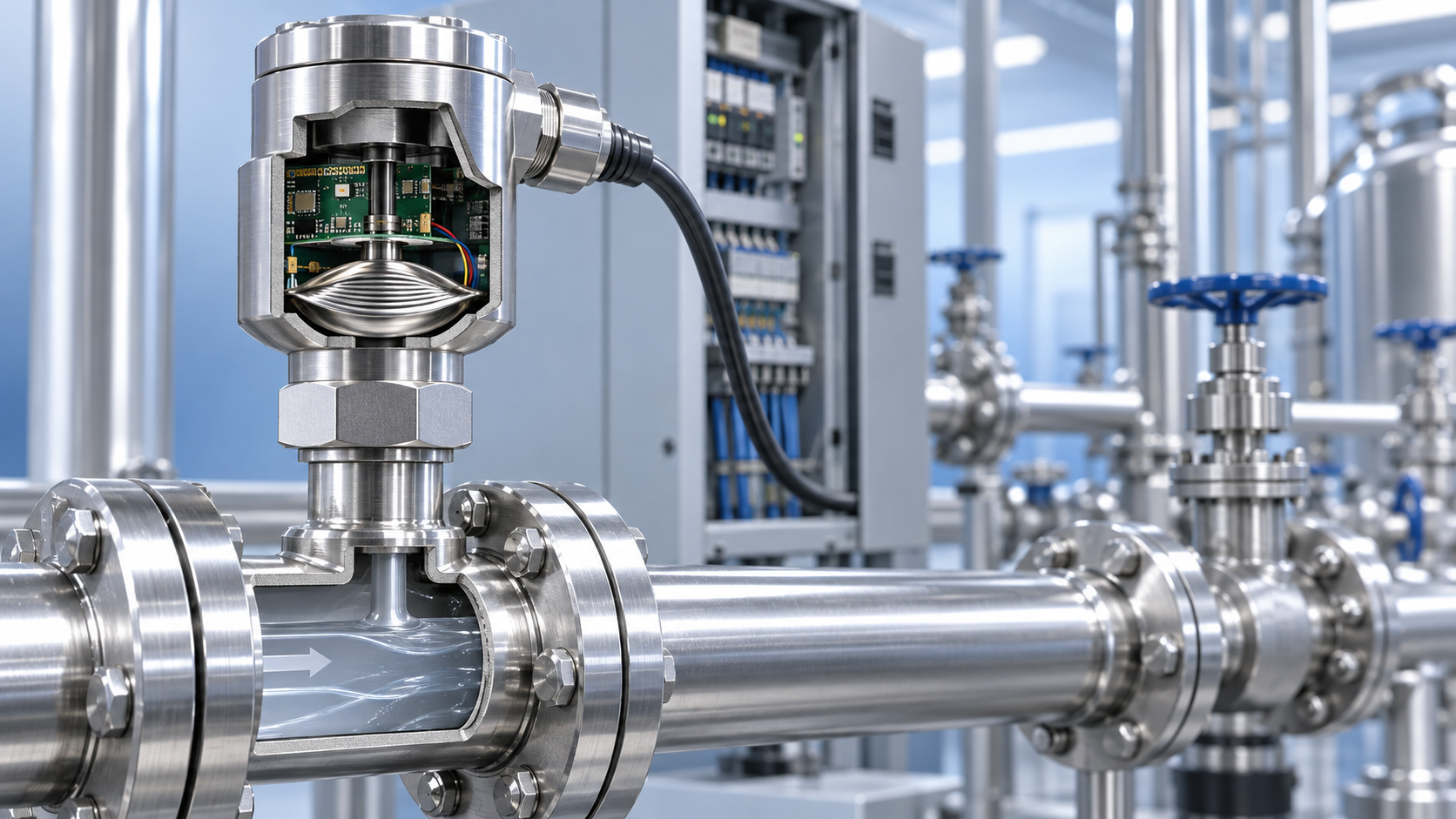
Southchip Technology Launches Its First Optical Sensor, the SC52115, for Wearable Devices How does a pressure sensor convert changes in applied force into usable electrical signals?
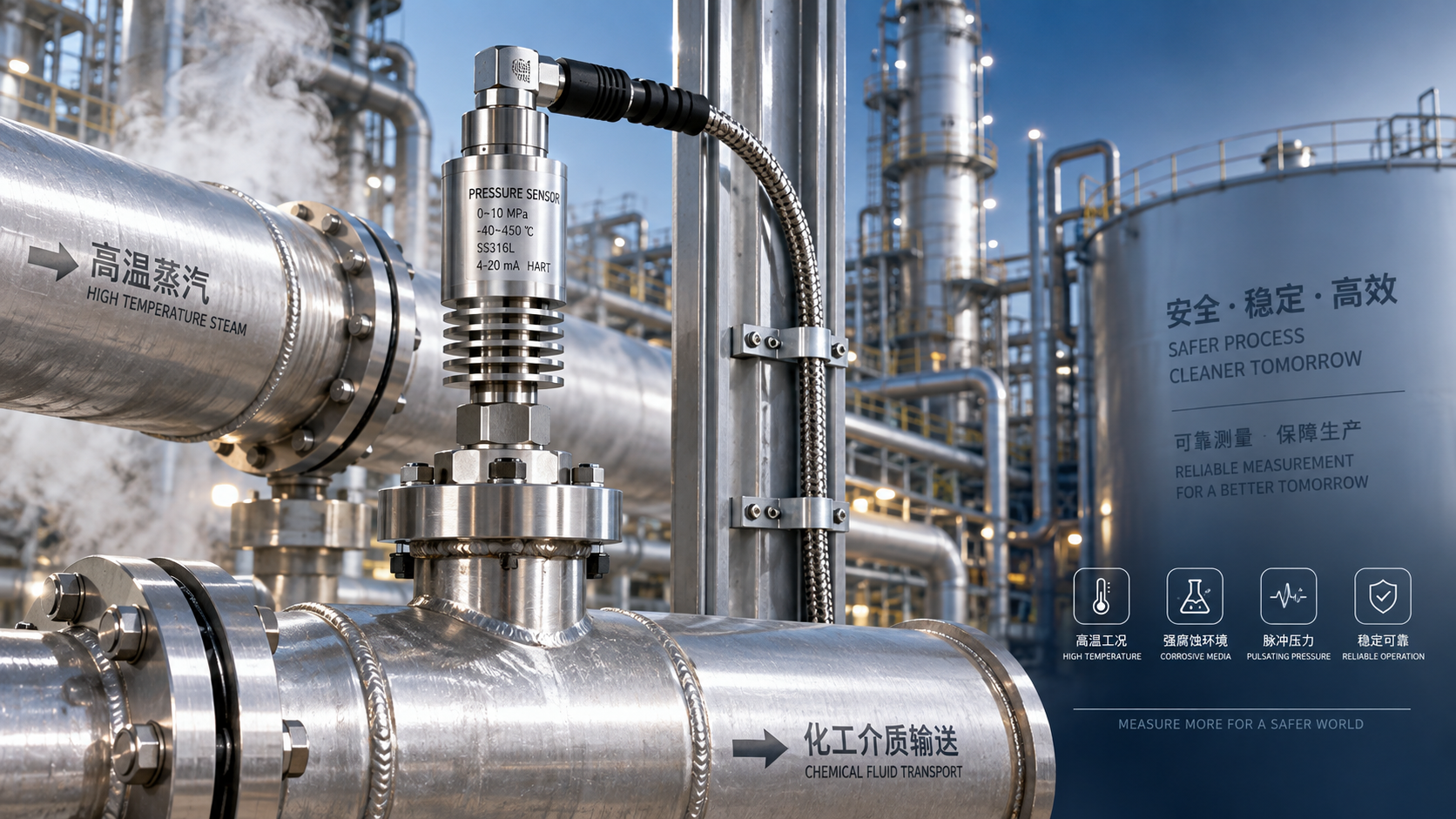
 Which parameters should be considered when selecting pressure sensors for high-temperature, corrosive, and pulsating operating conditions?
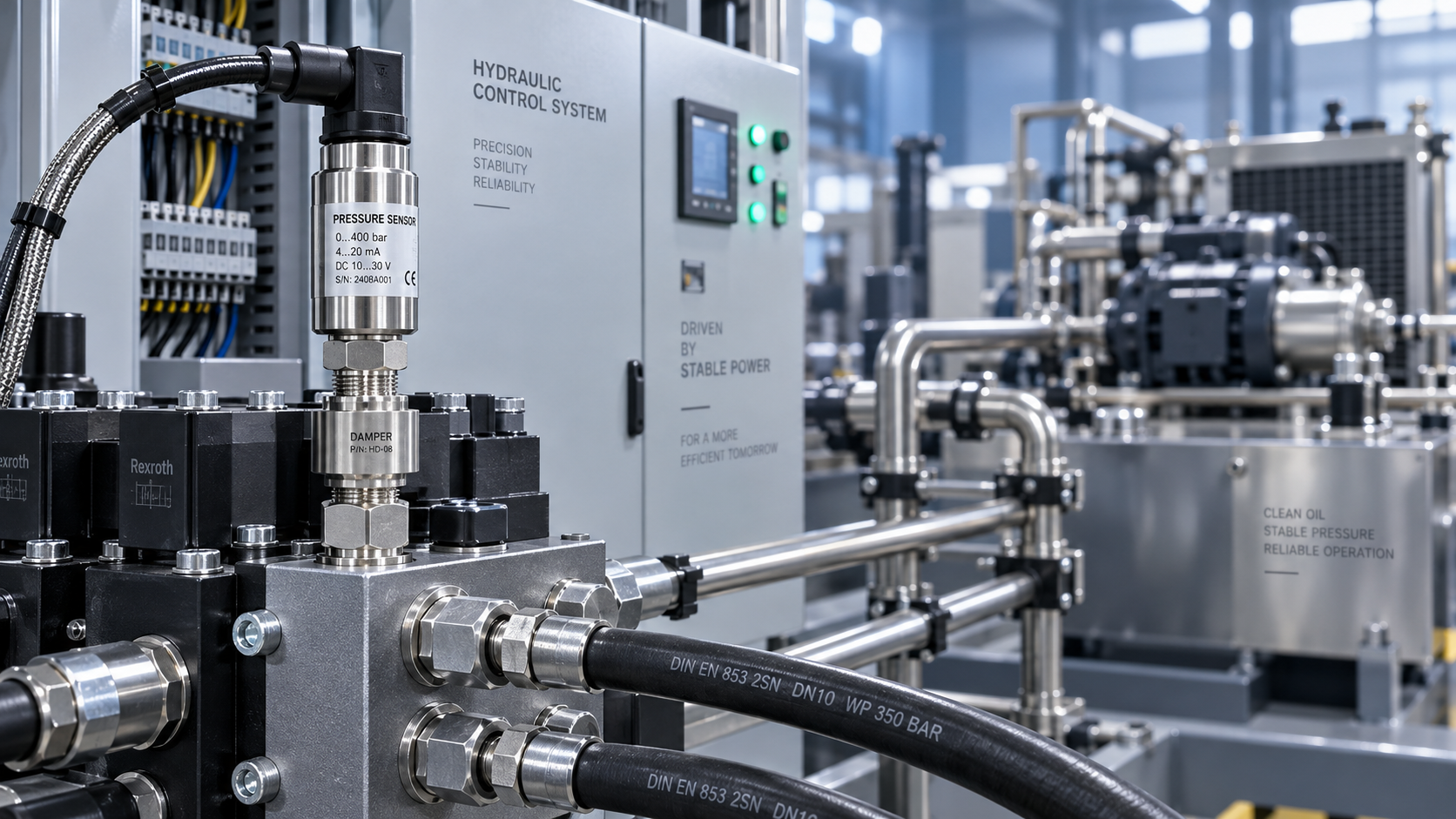
 Hydraulic equipment pressure fluctuates frequently. How can sensors be configured to improve control stability?