News Center
—— NEWS CENTER ——
Xi'an Shenghongchuang Instrument Co., Ltd.
Contact: Mr. Zhang
Mobile: 15529283736
Email: shc-sensor@qq.com
Address: Fortune Building, Sanqiao Street, Xixian New Area, Xi'an, Shaanxi Province
In the field of industrial automation, the accuracy class of the YH-A pressure transmitter is directly related to the reliability of the measurement system. This article provides an in-depth analysis of how the diffused silicon sensor ensures measurement accuracy through its unique operating principle and precision manufacturing process, while also covering practical information such as the PTS-PTS502 calibration method and TMS-GH186 specifications and parameters, helping engineers and technical personnel gain a comprehensive understanding of the core performance indicators of pressure transmitters.
Core Technical Principles of Diffused Silicon Sensors
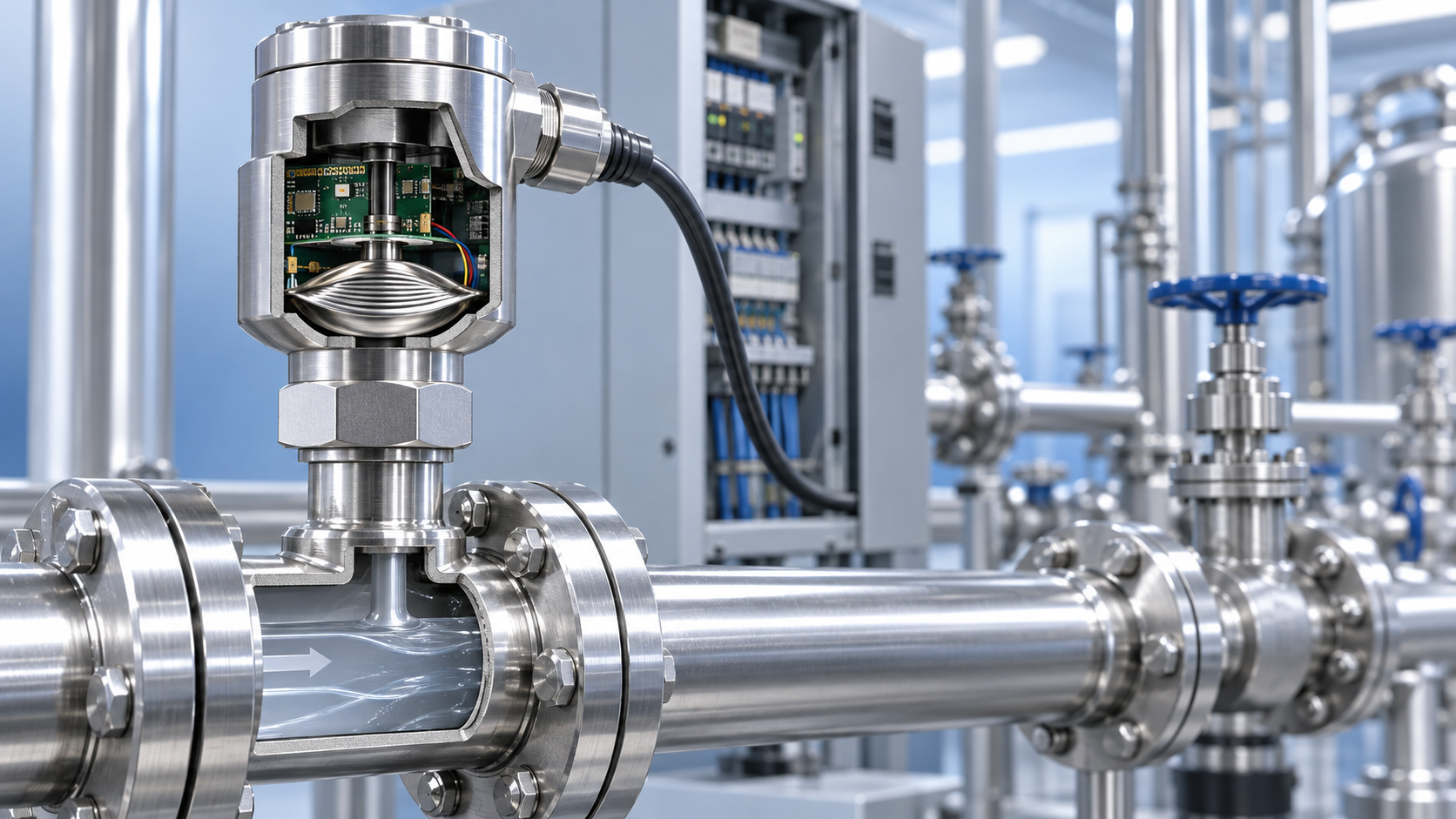
As the core component of the YH-A pressure transmitter, the diffused silicon pressure sensor operates based on the piezoresistive effect. When external pressure acts on the 316L stainless steel diaphragm, it is transmitted to the sensing element through silicone oil, causing a change in the resistance value of the Wheatstone bridge. This change has a linear relationship with the applied pressure and is converted into a standard electrical signal output through the signal conditioning circuit. Compared with traditional strain gauge technology, diffused silicon sensors offer higher sensitivity and stability, which is also the fundamental reason why models such as PTS-PTS504 can achieve 0.1% high accuracy. It is worth noting that the application of temperature compensation technology enables the sensor to maintain stable output within the medium temperature range of -20~+85℃, solving the temperature drift problem commonly found in industrial sites.
Analysis of Accuracy Classes and Key Performance Parameters
According to the international standard IEC 60770, the accuracy class of a pressure transmitter is usually expressed as a percentage of full-scale error. Taking the YH-A series as an example, its three accuracy levels of 0.5%, 0.25%, and 0.1% correspond to different application scenarios: 0.5% accuracy can be used for routine process control; while precision measurement applications such as TMS-QY110 in pharmaceutical R&D require the 0.1% class. Key parameters affecting accuracy include: linearity (the deviation between the output curve and the ideal straight line), repeatability (the differences in multiple measurements under the same conditions), and hysteresis (the output difference during pressurization and depressurization). In actual selection, long-term stability must also be considered. High-quality diffused silicon sensors such as Domestic General-Purpose Pressure Transmitter JP-40D Hydraulic Oil Pneumatic Pressure Sensor can control annual drift within 0.1%FS.
Typical Application Scenarios and Selection Guide
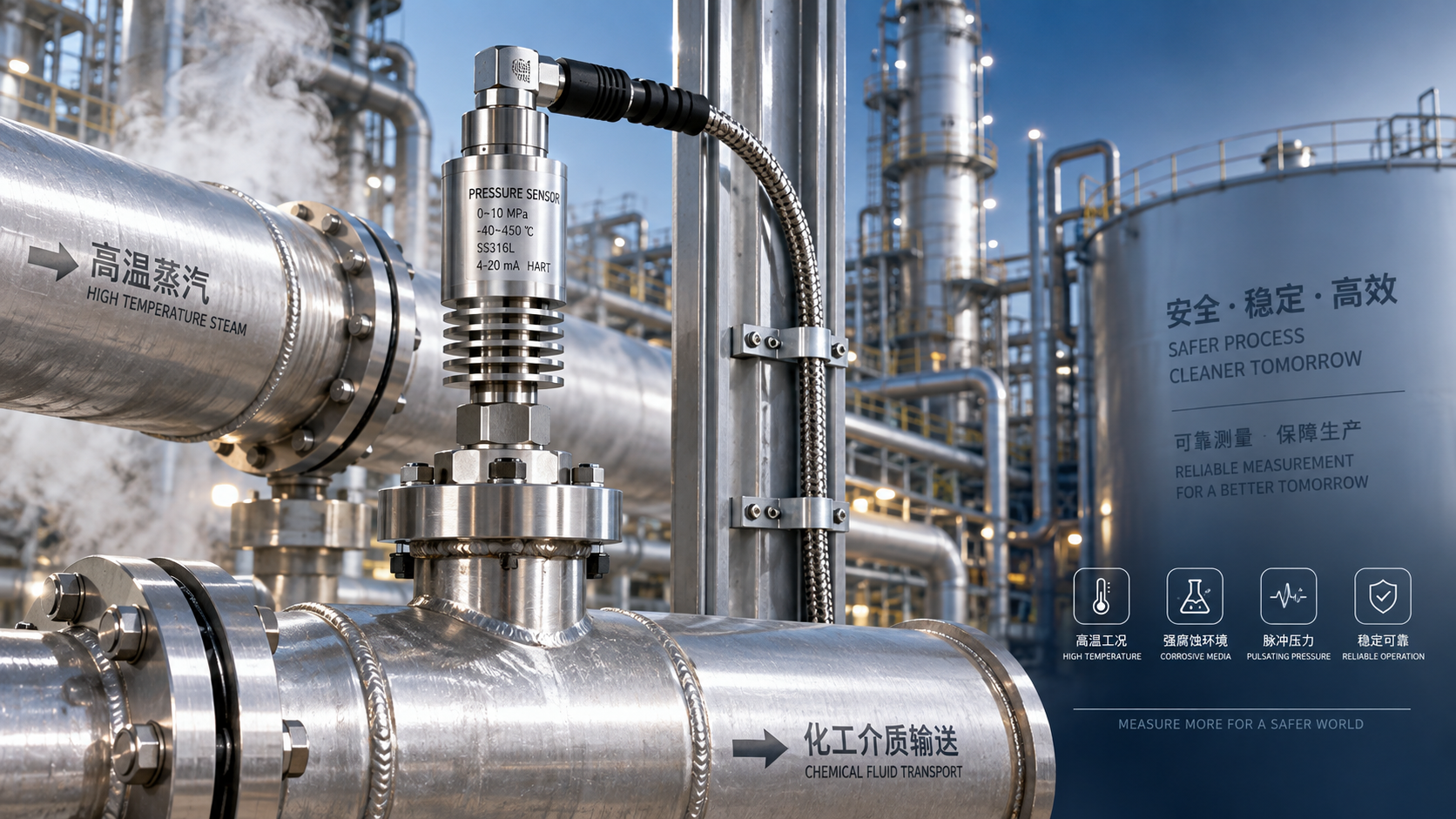
In the petrochemical field, models such as ZFBY-ZFBY3801 need to handle corrosive media, in which case 316L stainless steel material and an all-welded structure become essential options; the power industry pays more attention to the high-temperature performance of the BP-IN series, whose compensated temperature range can reach 150℃. During selection, attention should be focused on: 1) characteristics of the measured medium (corrosiveness, viscosity, etc.); 2) pressure range (it is recommended that the working pressure be within 30%-80% of the measuring range); 3) output signal type (4-20mA is more suitable for long-distance transmission); 4) explosion-proof certification requirements (such as ATEX certification required for chemical plants). For models such as the AO-X series that require on-site display, the protection rating should also be considered (IP65 and above is suitable for outdoor installation).
Calibration Maintenance and Troubleshooting Solutions
Regular calibration is the key to ensuring the long-term accuracy of models such as PTS-PTS502. The standard calibration procedure includes: zero-point calibration (adjusting the output to 4mA under no-pressure conditions), full-scale calibration (applying rated pressure and adjusting to 20mA), and intermediate point verification. For common faults such as abnormal output signals, possible causes include: 1) unstable supply voltage (it should be ensured within the 12-36VDC range); 2) crystallization of the medium blocking the pressure port (the TMS-GH186 with G1/4 tapered thread design can be selected); 3) loose electrical connections (the Hirschmann connector should be checked regularly). For complex working conditions, it is recommended to choose intelligent transmitters with self-diagnosis functions, such as the JP-40D series, which can remotely monitor sensor status through the HART protocol.
Why Choose Our Pressure Transmitter Solutions
As a national high-tech enterprise, Xi'an Shenghongchuang Instrumentation Co., Ltd. has a complete diffused silicon sensor production line and a CNAS-certified laboratory. Our YH-A series pressure transmitters use a military-grade temperature compensation algorithm and can still maintain nominal accuracy at ambient temperatures of -40~+125℃. Before leaving the factory, all products undergo 72-hour aging tests and three-point temperature compensation (-10℃, 25℃, 85℃), ensuring that the products delivered to customers achieve the nominal performance of models such as PTS-PTS503. For special requirements, we provide value-added services such as pressure port customization and signal output modification, helping customers build highly reliable measurement systems.
Related Recommendations
![]() Southchip Technology Launches Its First Optical Sensor, the SC52115, for Wearable Devices
Southchip Technology Launches Its First Optical Sensor, the SC52115, for Wearable Devices How does a pressure sensor convert changes in applied force into usable electrical signals?
 Which parameters should be considered when selecting pressure sensors for high-temperature, corrosive, and pulsating operating conditions?
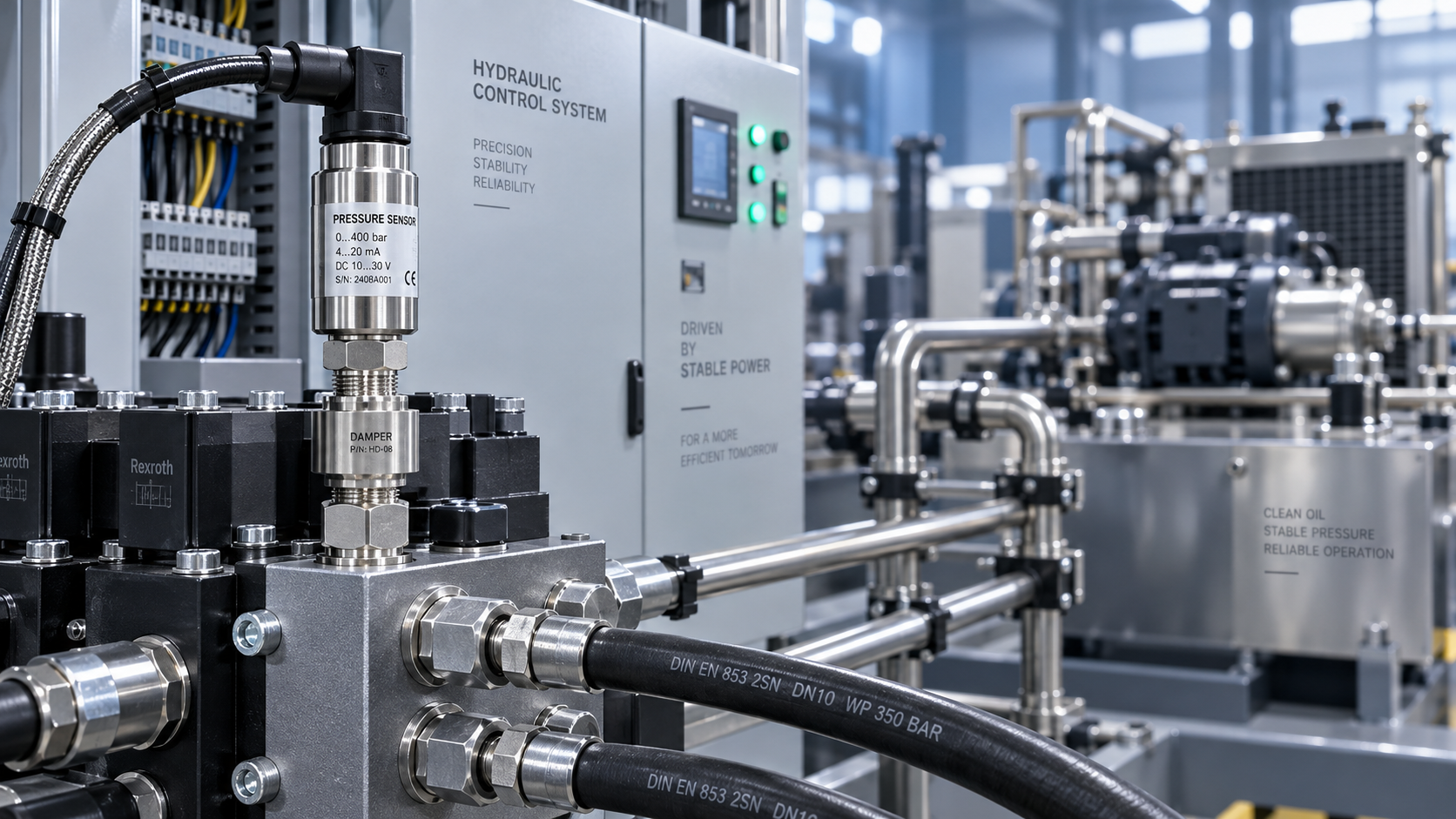
 Hydraulic equipment pressure fluctuates frequently. How can sensors be configured to improve control stability?