News Center
—— NEWS CENTER ——
Xi'an Shenghongchuang Instrument Co., Ltd.
Contact: Mr. Zhang
Mobile: 15529283736
Email: shc-sensor@qq.com
Address: Fortune Building, Sanqiao Street, Xixian New Area, Xi'an, Shaanxi Province
Preparation Work Before Calibration of the TS-TS203 Pressure Transmitter
Before calibrating the TS-TS203 pressure transmitter, operators need to make thorough preparations. First, ensure that the working environment meets the calibration requirements, including the control of factors such as temperature, humidity, and electromagnetic interference. The diffused silicon Hohsman pressure sensor is relatively sensitive to environmental conditions, and it is recommended to operate it in a clean environment with stable temperature (20±5℃) and relative humidity ≤85%.
Secondly, prepare the necessary calibration equipment:
- Standard pressure source (with accuracy at least one grade higher than the sensor being calibrated)
- Digital multimeter (resolution 0.01mV)
- 24VDC regulated power supply
- Dedicated communication cable (for connecting the transmitter to the calibration equipment)
- Sealing parts and tool kit
Special reminder: If on-site commissioning of the pressure control system is required at the same time, consider using the domestic pressure controller SC207-BP digital pressure controller together, whose ±0.5%FS control accuracy and IP65 protection rating can effectively improve calibration efficiency.
Detailed Explanation of TS-TS203 Calibration Steps
The calibration process is divided into two key stages: zero calibration and full-scale calibration:
1. Zero Calibration
(1) Under no-pressure conditions, connect the transmitter to the calibration software through the communication interface and read the initial output value. The typical zero output of the diffused silicon Hohsman pressure sensor should be 4mA (current output type) or 0.5V (voltage output type).
(2) If the deviation exceeds the allowable range (usually ±0.1%FS), zero calibration mode must be entered. By adjusting the ZERO potentiometer or software parameters, make the output value reach the standard value. Note: The adjustment resolution of the TS-TS203 can reach 0.025%FS.
2. Full-Scale Calibration
(1) Apply the rated pressure (refer to the range value on the TS-TS203 pressure transmitter calibration certificate), and record the output value after the pressure stabilizes. Diffused silicon Hohsman technology ensures linearity ≤±0.2% within the range of -0.1~100MPa.
(2) Adjust SPAN so that the output reaches the standard value of 20mA or 5V. It is recommended to use the three-point calibration method (0%, 50%, 100% range) to improve accuracy, and this method is especially suitable for wide-range models such as HP-31D.
Troubleshooting Common Problems During Calibration
The three most common problems encountered by operators and their solutions:
Note: If the TS-TS204 model with remote transmission signal is used, the calibration status of the signal conversion module must also be additionally checked.
Verification and Records After Calibration
After calibration is completed, verification tests must be carried out:
- Select 5-7 test points within the full range to conduct return error detection
- Continuously monitor the drift value for 24 hours (should be ≤0.1%FS)
- Check the alarm function (for models with alarm control such as TS-TS201)
It is recommended to use digital tools to record calibration data, including: environmental parameters, standard instrument information, comparison values before and after adjustment, etc. These data have important reference value for the periodic maintenance of the PMT-PMT101 pressure transmitter.
Professional Maintenance Recommendations
According to the warranty terms of the CEMPX-CEMPX215 pressure transmitter, it is recommended to:
- Carry out preventive calibration once every 6 months
- Shorten the interval to 3 months in severe vibration environments
- Establish a complete equipment history record (including all previous calibration data)
For applications requiring high-precision control, the domestic pressure controller SC207-BP with ±0.02%FS temperature compensation can be selected as supporting equipment, and its 4ms fast response characteristic can significantly improve the dynamic performance of the system.
Summary and Technical Support
Accurate calibration of the TS-TS203 pressure transmitter is the key to ensuring the reliability of the measurement system. Through the standard procedures and techniques introduced in this article, operators can effectively solve the calibration difficulties of products in the TS-TS202 series. Xi'an Shenghongchuang Instrument Co., Ltd. provides professional technical support for the full series of diffused silicon Hohsman pressure sensors. If you need on-site guidance for TS-TS203 pressure transmitter calibration or equipment selection recommendations, please contact our engineering team immediately.
Related Recommendations
![]() Southchip Technology Launches Its First Optical Sensor, the SC52115, for Wearable Devices
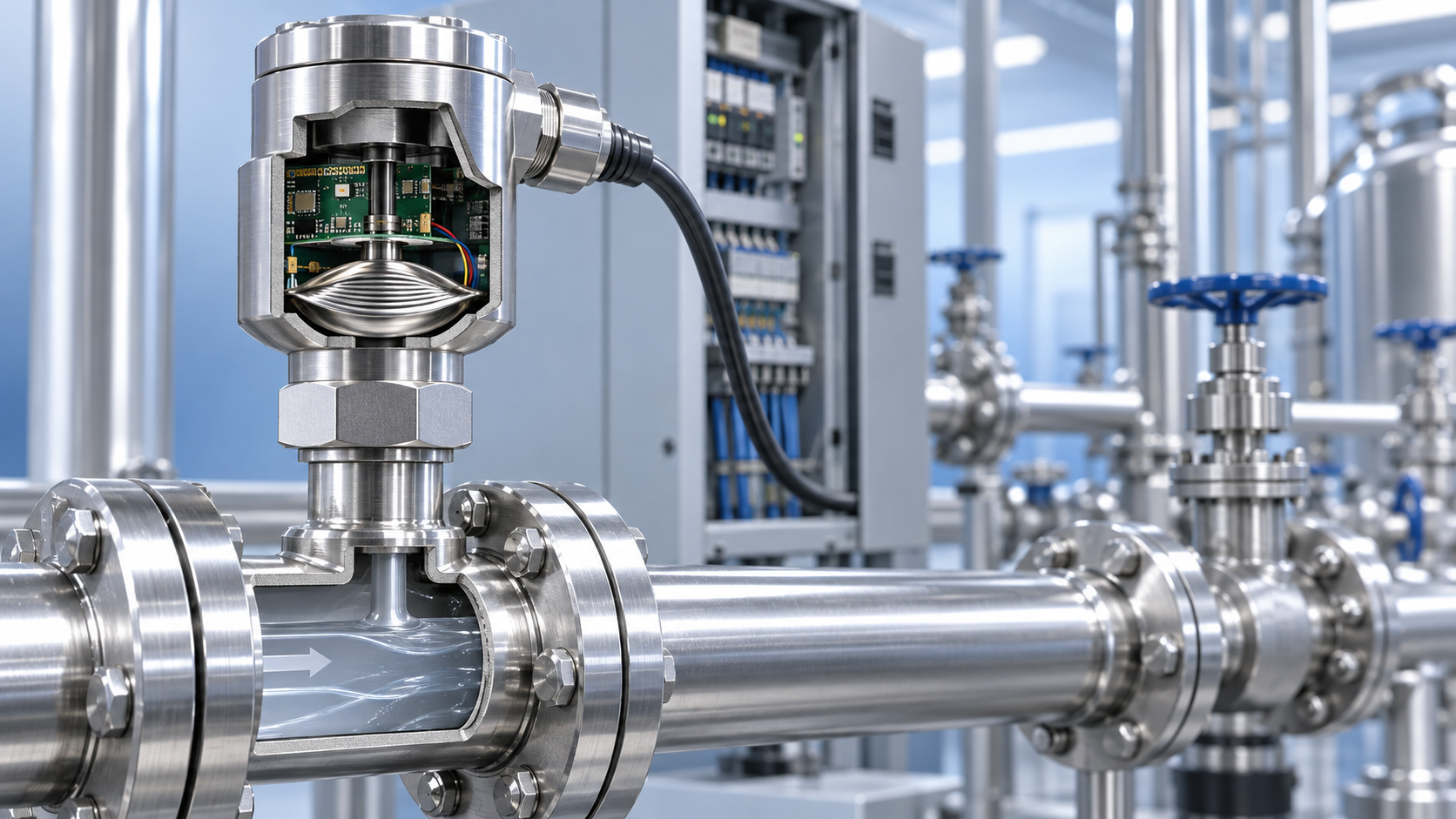
Southchip Technology Launches Its First Optical Sensor, the SC52115, for Wearable Devices How does a pressure sensor convert changes in applied force into usable electrical signals?
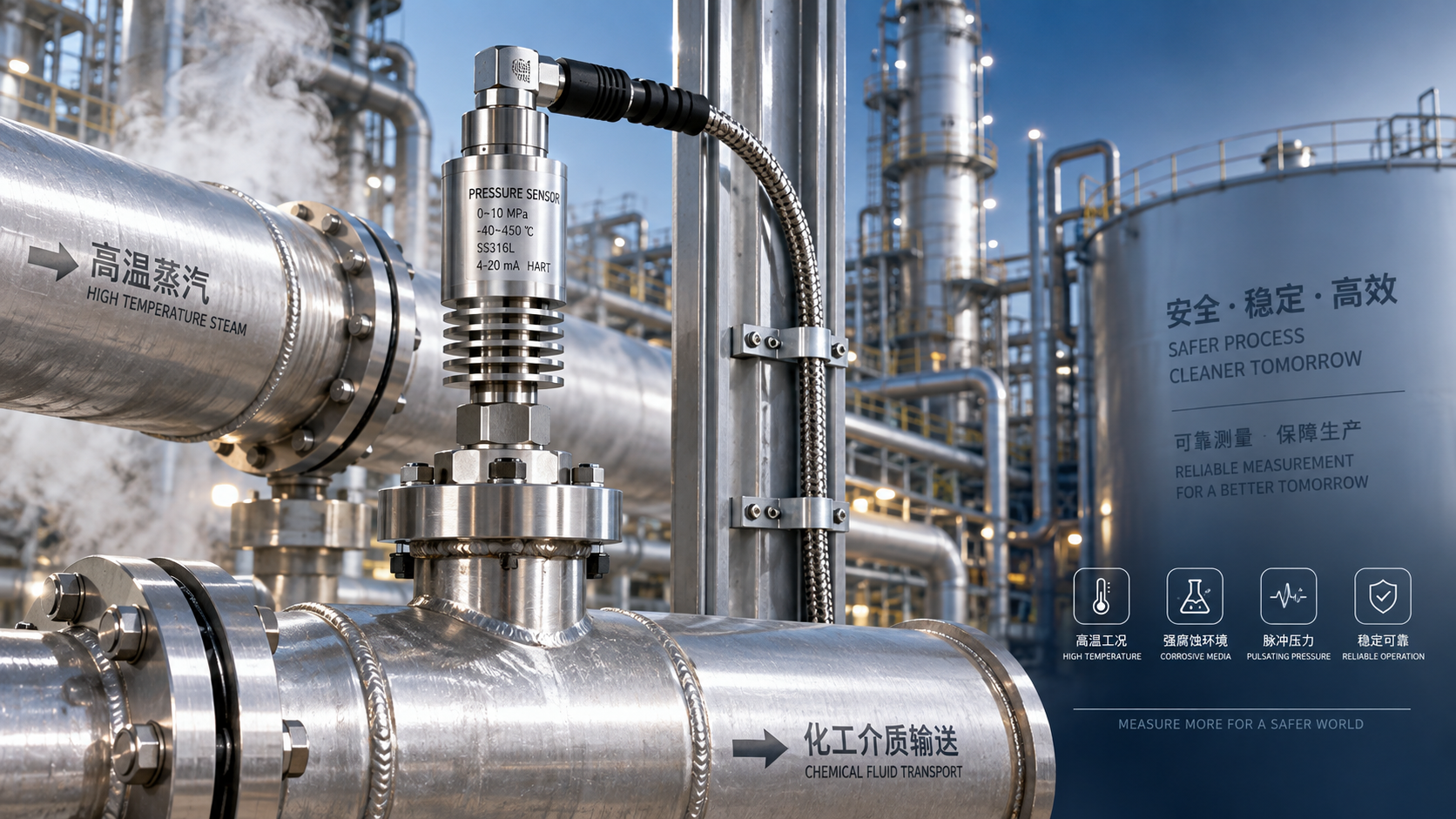
 Which parameters should be considered when selecting pressure sensors for high-temperature, corrosive, and pulsating operating conditions?
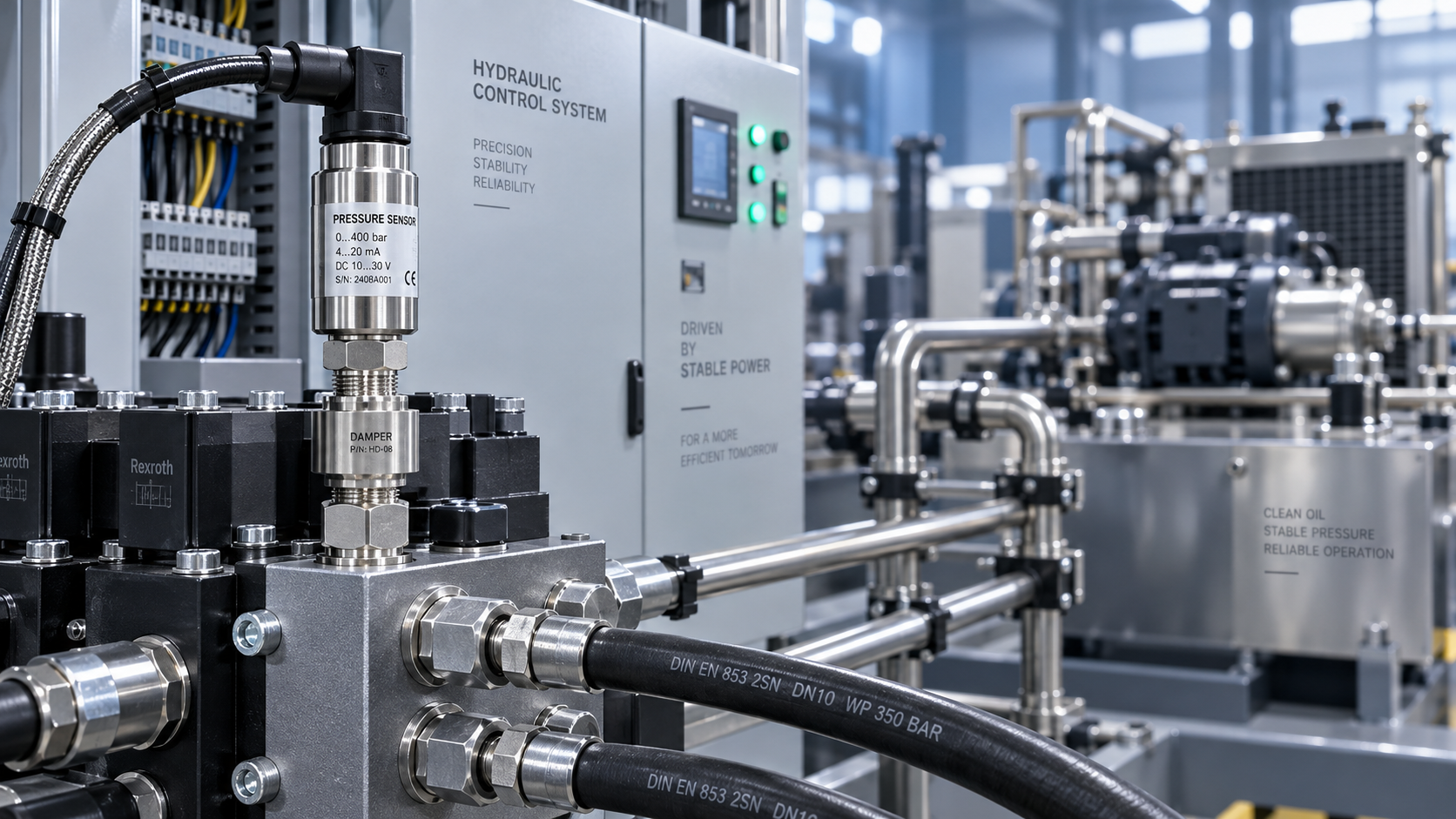
 Hydraulic equipment pressure fluctuates frequently. How can sensors be configured to improve control stability?