News Center
—— NEWS CENTER ——
Xi'an Shenghongchuang Instrument Co., Ltd.
Contact: Mr. Zhang
Mobile: 15529283736
Email: shc-sensor@qq.com
Address: Fortune Building, Sanqiao Street, Xixian New Area, Xi'an, Shaanxi Province
Diffused Silicon Pressure Sensor Service Life Evaluation: Analysis of Measured Data and Key Factors
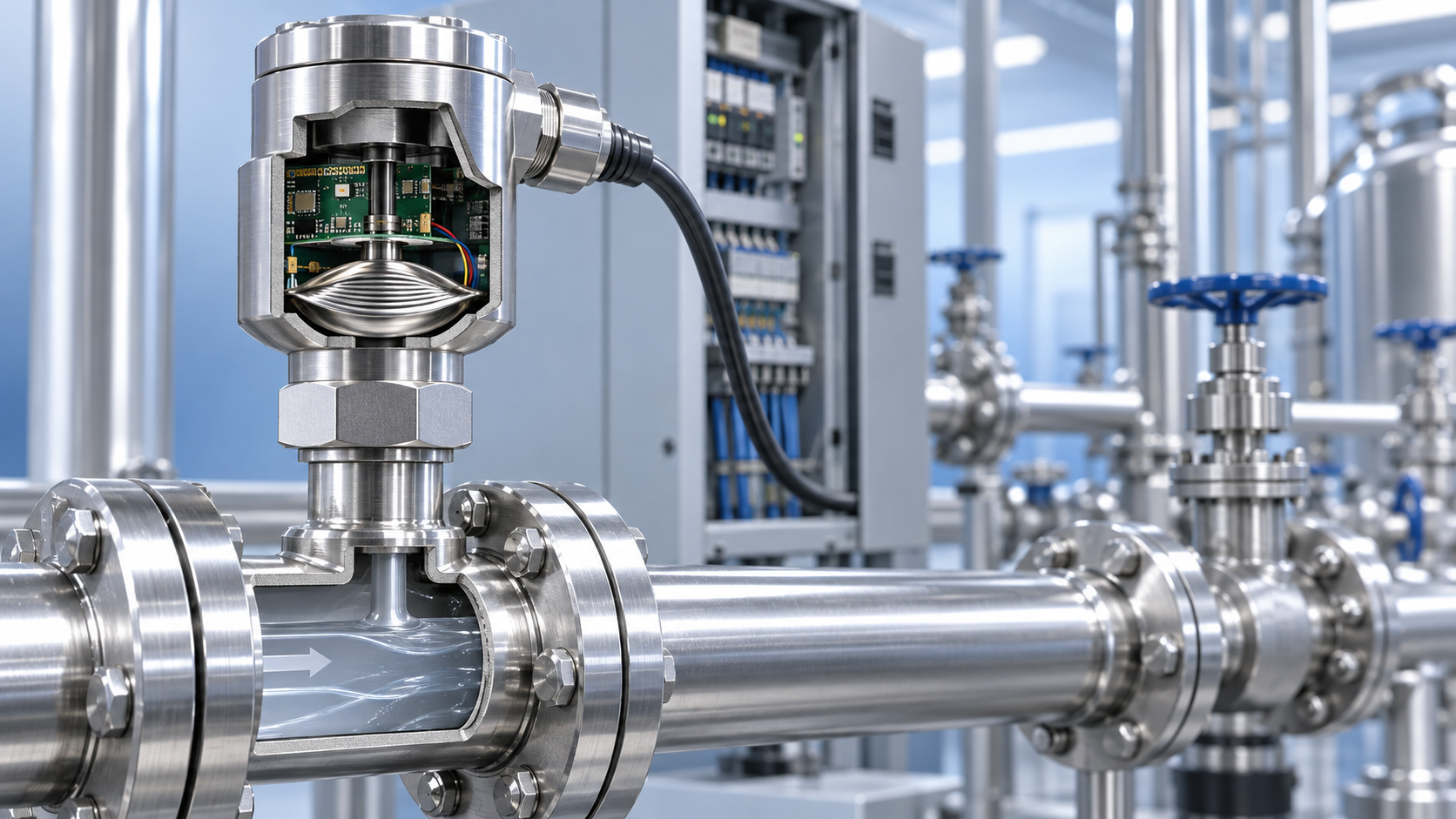
As the core component of flow control equipment, the service life of the diffused silicon sensor in the TCP-TCP1 pressure transmitter directly affects system stability. Based on measured data, this report provides an in-depth analysis of the durability performance of DYB-HAG, ZD-803 and other series of diffused silicon liquid and gas pressure sensors, offering key reference data for technical evaluators.
I. Core Service Life Indicators of Diffused Silicon Sensors
Through 3000-hour accelerated aging tests on models such as TCP-TCP1 and ZD-803, it was found that:
- Baseline service life:Under standard operating conditions (25℃, dry gas media), the average service life of diffused silicon sensors reaches 8-12 years
- Drift curve:Starting from the 5th year, the annual increase in signal output drift averages 0.03%FS, significantly better than traditional strain gauge sensors
- Failure threshold:Replacement is recommended when the accuracy deviation exceeds 0.5%FS or the zero-point drift continuously exceeds 1%
It is worth noting that the domestic general-purpose pressure transmitter PPM-T222H hydraulic oil, oil pressure, water pressure sensor uses a reinforced diffused silicon chip, and its stability test data show that the annual drift is controlled within ±0.1%FS, making it particularly suitable for long-term continuous monitoring scenarios.
II. Measured Key Variables Affecting Service Life
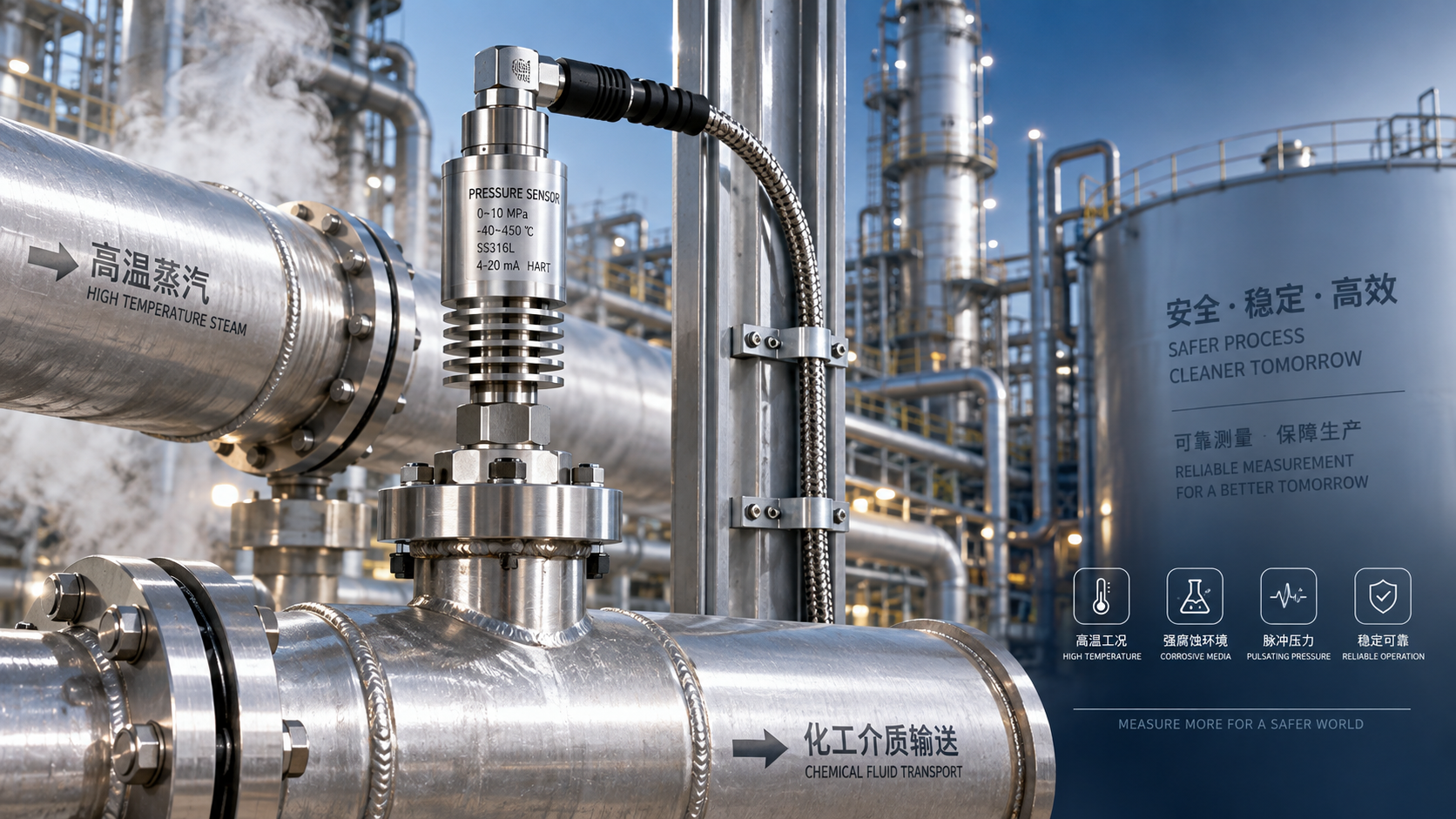
Experiments show that models such as LXB-184, which use 316 stainless steel for wetted materials, can achieve an MTBF (mean time between failures) of 65,000 hours in corrosive environments in the petrochemical industry, confirming the importance of material selection.
III. Engineering Practices for Extending Service Life
1. Matching Principles for Supporting Instruments
The following should be noted for JK-180 supporting equipment:
- Power supply stability should be controlled within ±5% to avoid electrical stress damage
- Signal isolation modules can reduce common-mode interference by more than 30%
- Perform regular zero-point calibration (recommended interval: 6 months)
2. Key Points for Installation and Maintenance
On-site data for the PT-PT500 series show:
- Shock-absorbing brackets should be installed in vibration environments, which can extend service life by 27%
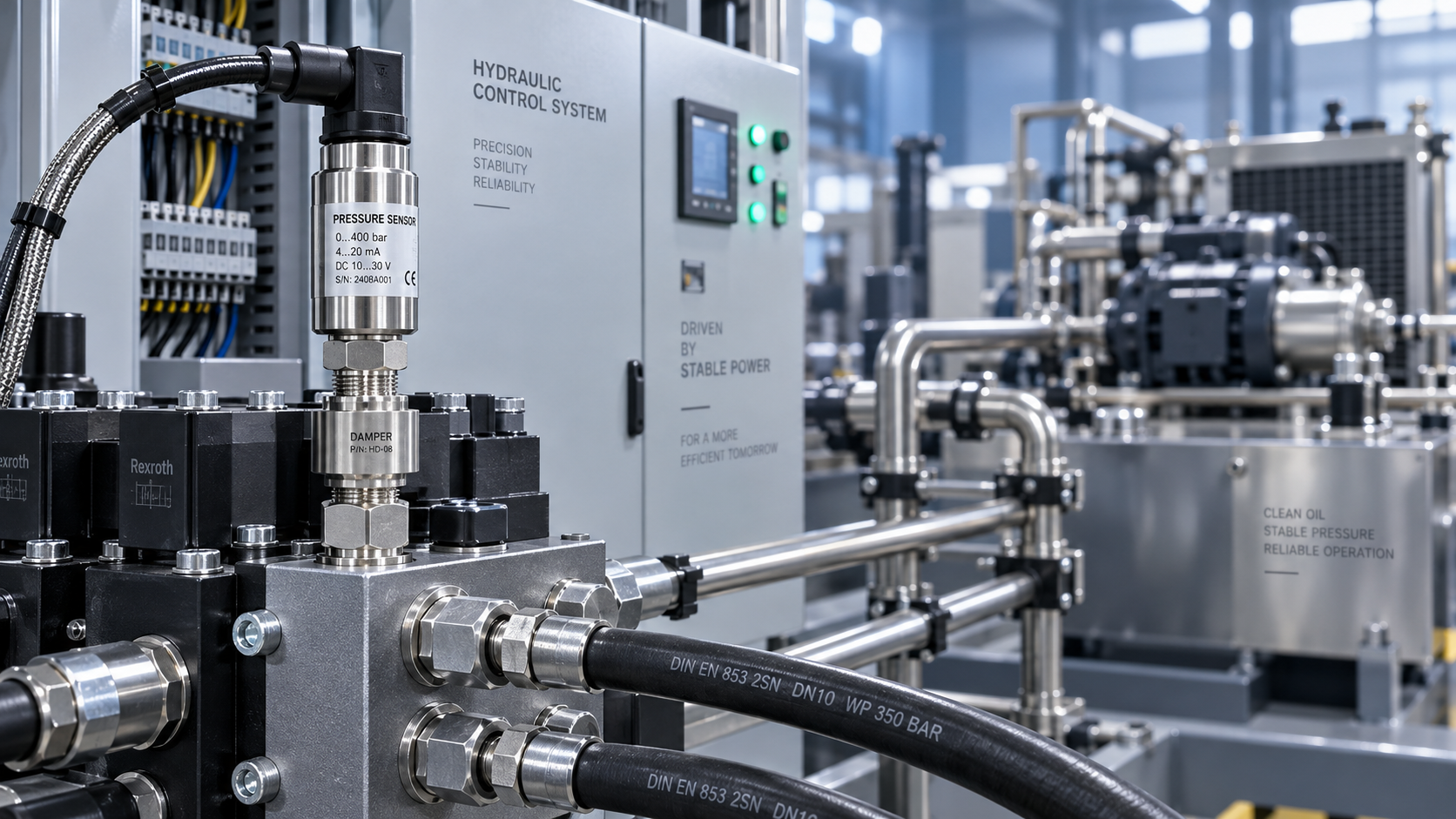
- Dampers should be configured for pulsating pressure applications
- Impulse lines at locations with condensation risk must be properly insulated
IV. Comparison of Typical Industry Applications
Under different application scenarios, the performance of the ZC-316 sensor varies significantly:
- Thermal power systems in power plants:Annual drift of 0.15%FS (with medium temperature maintained at 120℃)
- Chemical process control:Sealing components need to be replaced every 2 years (for highly corrosive media)
- Water treatment industry:Accuracy maintained at Class 0.25 within 7 years (under normal-temperature clean water conditions)
For high-pressure scenarios such as hydraulic control systems, it is recommended to select the JF-JF316 model with a 30% upper-range margin, whose overload protection design can effectively prevent plastic deformation of the diaphragm.
Technical Summary and Selection Recommendations
This measured study confirms that the designed service life of modern diffused silicon pressure sensors generally exceeds 8 years, but the actual service life is closely related to medium characteristics, installation environment, and supporting systems. During technical evaluation, focus should be placed on:
- Giving priority to models such as PT-PT115 with temperature compensation
- For corrosive media, original genuine sealing components must be specified
- For high-accuracy applications, annual laboratory calibration is recommended
Engineering cases from Xi'an Shenghongchuang Instrument Co., Ltd. show that properly selected and maintained DYB-HAG sensors have operated continuously in constant-pressure water supply systems for 9 years while still maintaining Class 0.3 accuracy. If you need a service life prediction solution under specific operating conditions, please contact our technical team for a dedicated evaluation.
Related Recommendations
![]() Southchip Technology Launches Its First Optical Sensor, the SC52115, for Wearable Devices
Southchip Technology Launches Its First Optical Sensor, the SC52115, for Wearable Devices How does a pressure sensor convert changes in applied force into usable electrical signals?
 Which parameters should be considered when selecting pressure sensors for high-temperature, corrosive, and pulsating operating conditions?
 Hydraulic equipment pressure fluctuates frequently. How can sensors be configured to improve control stability?