News Center
—— NEWS CENTER ——
Xi'an Shenghongchuang Instrument Co., Ltd.
Contact: Mr. Zhang
Mobile: 15529283736
Email: shc-sensor@qq.com
Address: Fortune Building, Sanqiao Street, Xixian New Area, Xi'an, Shaanxi Province
How can you avoid pitfalls when purchasing the P-P974 diffused silicon pressure transmitter?As a professional sensor manufacturer, Xi'an Shenghongchuang reveals the core acceptance criteria for diffused silicon pressure transmitters. Whether you are selecting the KYB-C3 model,or purchasing genuine P-P974 products,master the key indicators in 3 minutes to ensure accurate and reliable pressure measurement for liquids and gases.
Core Acceptance Criteria for Diffused Silicon Pressure Transmitters
Diffused silicon pressure transmitters are widely used in industrial automation due to their advantages such as high accuracy and good stability. However,product quality on the market varies greatly,so how do you choose a qualified P-P974 or KYB-C3 pressure transmitter?First,you need to focus on the following core indicators:accuracy class(usually divided into class 1.0,class 0.5 and class 0.25),temperature drift(should be ≤±0.05%FS/℃),long-term stability(typical value ±0.1%FS/year)and overload capacity(generally 2 times the full scale). These parameters are directly related to the reliability of the sensor in hydraulic and pneumatic control systems,liquid level measurement and other applications.
Comparative Analysis of Technical Parameters
Taking P-P974 and KYB-C3 as examples,although both diffused silicon pressure transmitters use 316 stainless steel,there are differences in key parameters such as measuring range and output signal. The P-P974 has a wider measuring range(0~250MPa),making it suitable for high-pressure applications such as petrochemical and metallurgy;while the KYB-C3 performs better in terms of medium temperature adaptability(-30~+85℃),making it suitable for environments with large temperature differences such as environmental protection and building automation. When purchasing,the model should be matched according to actual operating conditions to avoid measurement errors or equipment damage caused by parameter mismatch.
Common Purchasing Misconceptions and Solutions
When purchasing diffused silicon pressure transmitters such as P-P761 or P-P972,many users are prone to three misconceptions:first,overly pursuing low prices while ignoring long-term performance such as stability(±0.2%FS/year);second,ignoring interface compatibility(such as M20×1.5,G1/4 and other thread specifications);third,failing to verify the manufacturer's ISO certification qualifications. It is recommended to give priority to rigorously tested products such as the Domestic Aviation Plug-Type Pressure Transmitter HDP901 Marine Rod-Shaped Pressure Sensor,which adopts an aviation plug DIN connector design and has a protection rating of IP65,making it especially suitable for harsh environments such as power station operation inspections and locomotive braking systems.
Analysis of Industry Application Scenarios
Due to its excellent sensitivity(rise time ≤5 ms),diffused silicon technology delivers outstanding performance in fields such as constant-pressure water supply and thermal power units. Taking injection molding machines in light industrial machinery as an example,the P-P964 pressure transmitter monitors oil pressure changes in real time(0~5VDC output),allowing molding accuracy to be controlled within ±0.5%. Explosion-proof pressure transmitters are widely used in the petrochemical industry,where they must meet both Ex d IIC T6 explosion-proof certification and the requirements for 316 stainless steel wetted materials,which is exactly one of Xi'an Shenghongchuang's technical strengths.
Why Choose Xi'an Shenghongchuang
As a professional pressure sensor manufacturer,we provide a full-process service from P-P981 quality verification to P-P962 bulk procurement. All products are laser-marked to ensure traceability,and support customized outputs in multiple specifications from 1~10VDC. Whether for laboratory pressure calibration or industrial process testing,our engineering team can provide targeted model selection solutions to help you avoid procurement pitfalls and achieve the optimal configuration of your measurement system.
Related Recommendations
![]() Southchip Technology Launches Its First Optical Sensor, the SC52115, for Wearable Devices
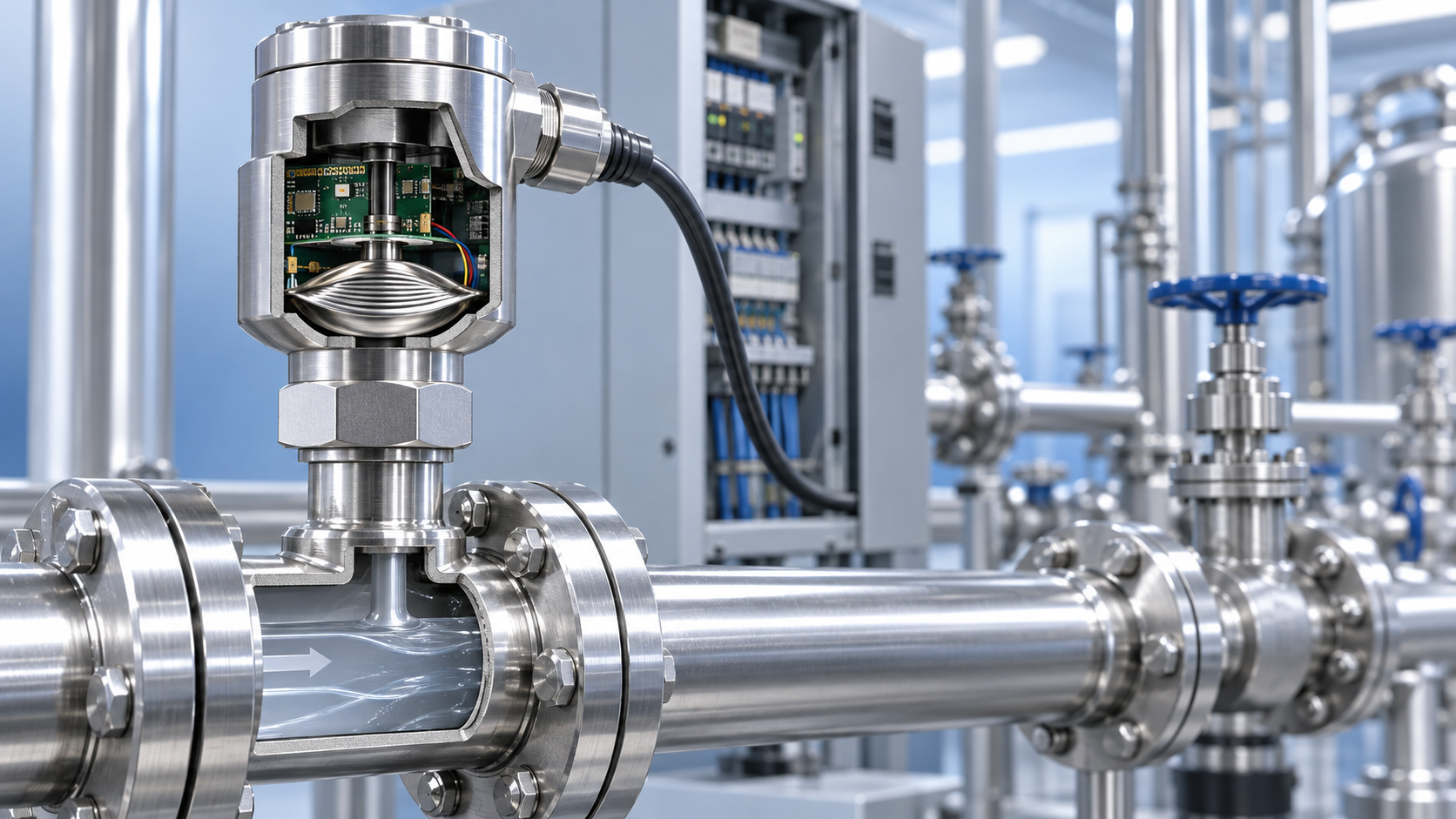
Southchip Technology Launches Its First Optical Sensor, the SC52115, for Wearable Devices How does a pressure sensor convert changes in applied force into usable electrical signals?
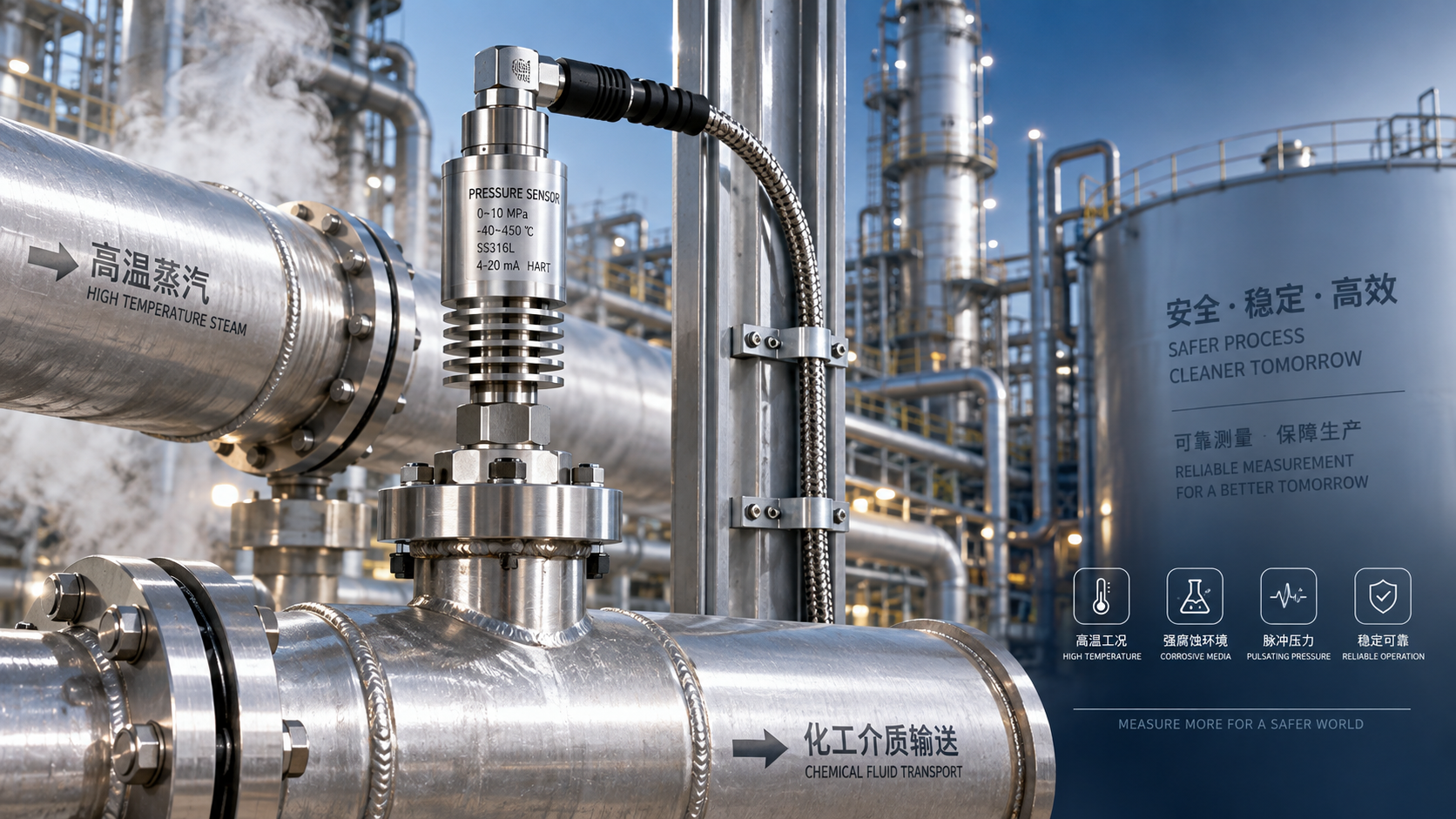
 Which parameters should be considered when selecting pressure sensors for high-temperature, corrosive, and pulsating operating conditions?
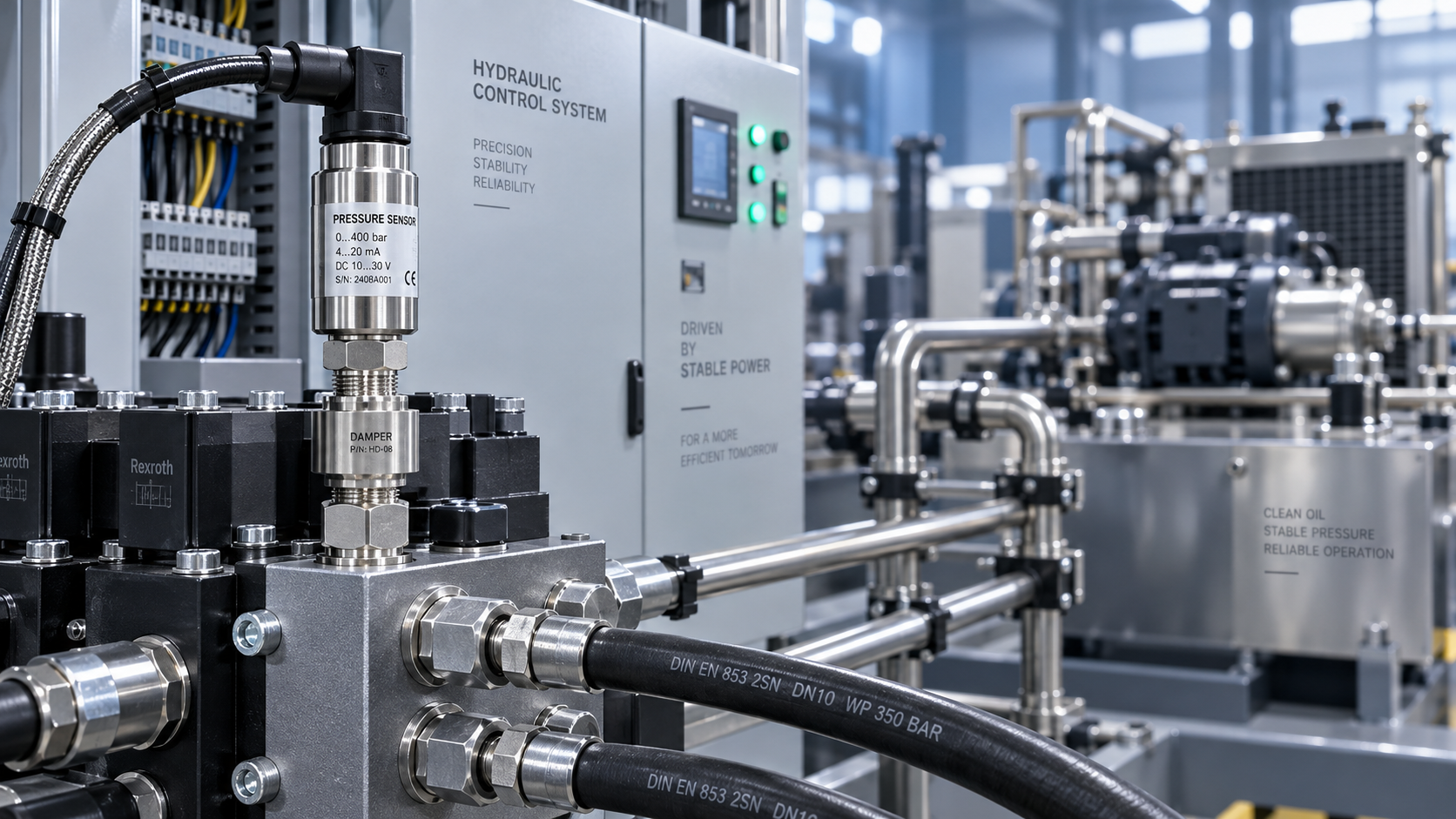
 Hydraulic equipment pressure fluctuates frequently. How can sensors be configured to improve control stability?