News Center
—— NEWS CENTER ——
Xi'an Shenghongchuang Instrument Co., Ltd.
Contact: Mr. Zhang
Mobile: 15529283736
Email: shc-sensor@qq.com
Address: Fortune Building, Sanqiao Street, Xixian New Area, Xi'an, Shaanxi Province
Introduction
In the field of industrial automation, the accurate measurement of PT-A pressure transmitters is of critical importance. This guide provides an in-depth analysis of the working principles and calibration methods of diffused silicon Hesmann sensors, helping operators master calibration techniques for models such as PT202 and PT300, troubleshoot common faults in YB3011 and similar models, ensure the long-term stable operation of models such as SWT131 and CYB-28, and improve the reliability and accuracy of pressure measurement systems.
Working Principle of Diffused Silicon Hesmann Pressure Sensors
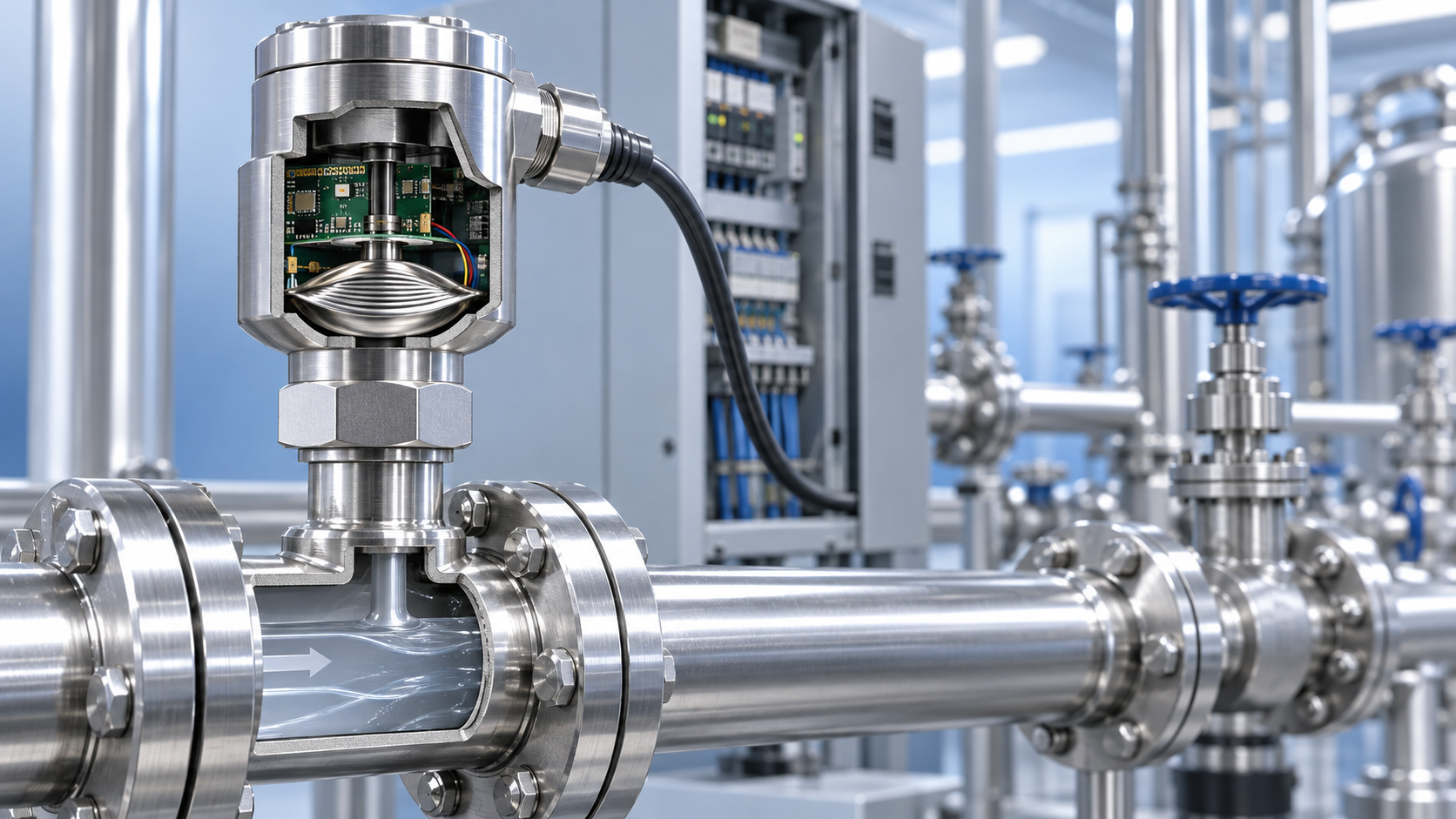
Diffused silicon Hesmann pressure sensors adopt advanced MEMS technology, with a silicon diaphragm as the core component. When pressure acts on the diaphragm, the diaphragm undergoes slight deformation, causing a change in the resistance value of the embedded piezoresistive elements. Through a Wheatstone bridge circuit, the resistance change is converted into a standard 4-20mA or 0-10V electrical signal output. This design not only offers a fast response speed (millisecond level), but also features excellent temperature stability, especially maintaining high-precision measurement within the wide temperature range of -40~+400℃.
Taking the XT700 domestic general-purpose pressure transmitter for water pressure, oil pressure, and air pressure sensing as an example, it uses a 316L stainless steel isolation diaphragm combined with laser trimming and temperature compensation technology, achieving an accuracy of 0.1%FS and an overload capacity of 200%, which is significantly superior to traditional strain gauge sensors. This structure is particularly suitable for long-term stable measurement in harsh environments such as petroleum and chemical industries.
Standard Calibration Procedure for PT-A Pressure Transmitters
According to the GB/T 17614-2015 standard for transmitters used in industrial process control systems, calibration shall include the following key steps:
For high-temperature models such as TS-802, special attention should be paid to medium temperature compensation. It is recommended to use a constant-temperature oil bath to carry out temperature characteristic testing within the range of -20℃~+80℃ to ensure that the compensated temperature drift is ≤0.02%/℃.
Common Fault Diagnosis and Handling
The YB-YB3011 faults commonly encountered by operators can be divided into three categories:
- Signal abnormality: Check whether the Hesmann connector is oxidized and whether the power supply voltage is stable (24VDC±10%)
- Zero drift: It may be caused by diaphragm overload deformation, and recalibration is required according to the SWT131 wiring diagram
- Slow response: Check whether the pressure port is blocked; for the CYB-28 model, the pressure guide hole should be cleaned regularly
When intermittent fluctuations occur in the MT-A model, it is very likely caused by electromagnetic interference. Shielded cables should be used and the housing should be grounded. If necessary, XT700 series products with RFI filtering can be selected, with anti-interference capability up to 100V/m (10kHz~1GHz).
Maintenance Strategies to Extend Sensor Service Life
According to the field application data of JPB-JPB2300, the following measures can significantly improve service life:
- Installation specifications: Sealant tape should be used during threaded installation, and the flange installation torque must not exceed 120N·m
- Media compatibility: When measuring corrosive media, tantalum diaphragms or Hastelloy materials should be selected
- Regular calibration: Basic accuracy calibration should be performed once every 6 months, and shortened to 3 months under high-temperature operating conditions
For models such as TY-804 that operate continuously over the long term, it is recommended to establish operation records for each calibration data set and predict sensor aging conditions through trend analysis. The free calibration software provided by Xi'an Shenghongchuang Instrument Co., Ltd. can automatically generate maintenance reports, greatly reducing operation and maintenance costs.
Why Choose Our Solution
As a national high-tech enterprise in Xixian New Area, our CS-PT300 series features three core advantages:
- Military-grade reliability: Passed the GJB150A-2009 environmental test standard for military equipment
- Intelligent diagnostics: Built-in self-check function enables real-time monitoring of diaphragm health status
- Customized services: Provide a full range of solutions from the PT202 miniature model to the PT300 explosion-proof model
If you need the complete calibration video tutorial or technical consultation for PT-A transmitters, please feel free to contact our engineering team. Click to learn about the successful application cases of XT700 water pressure, oil pressure, and air pressure sensors in aerospace, electric power, and other fields. We will provide you with professional model selection recommendations and after-sales service.
Related Recommendations
![]() Southchip Technology Launches Its First Optical Sensor, the SC52115, for Wearable Devices
Southchip Technology Launches Its First Optical Sensor, the SC52115, for Wearable Devices How does a pressure sensor convert changes in applied force into usable electrical signals?
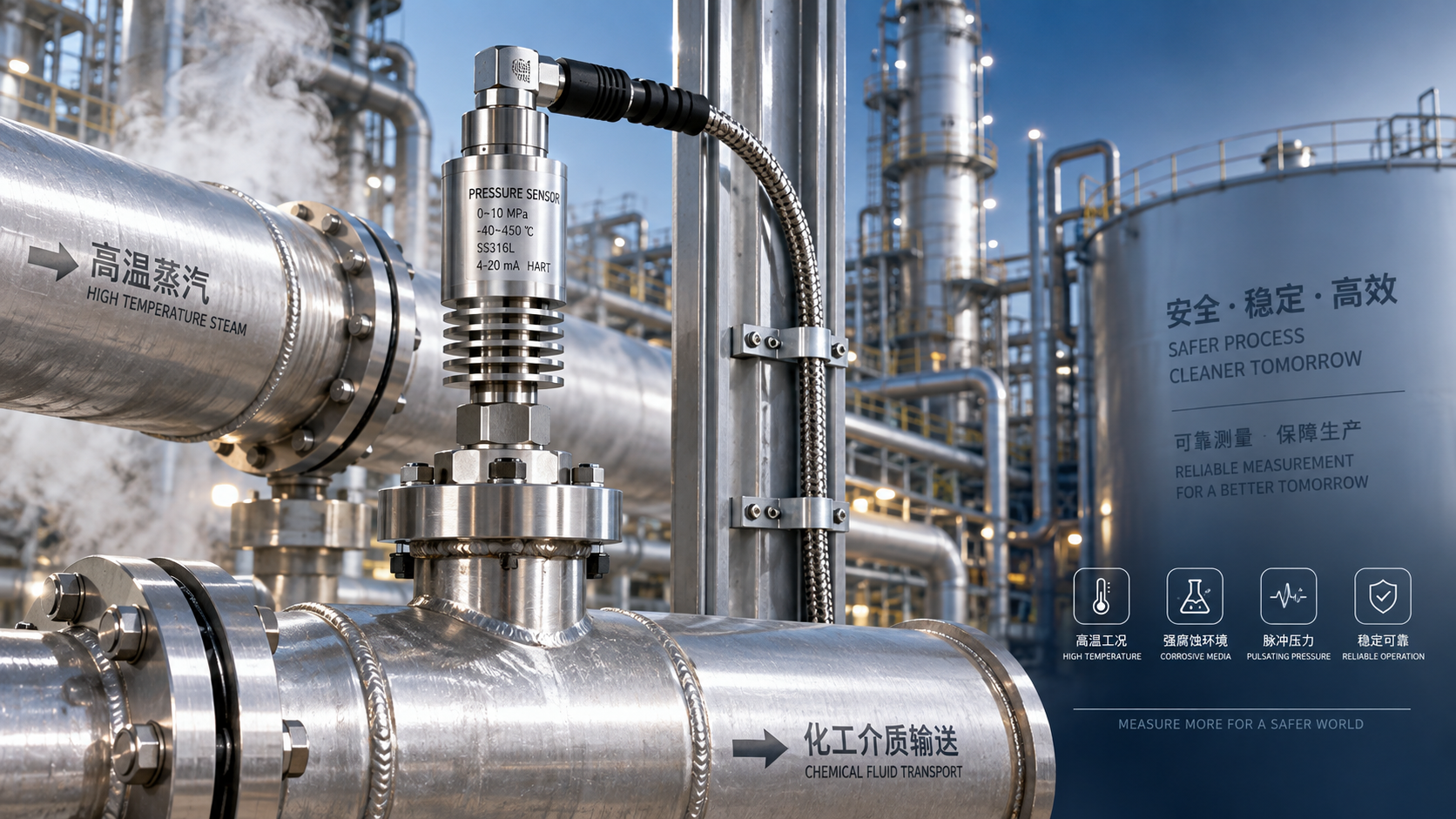
 Which parameters should be considered when selecting pressure sensors for high-temperature, corrosive, and pulsating operating conditions?
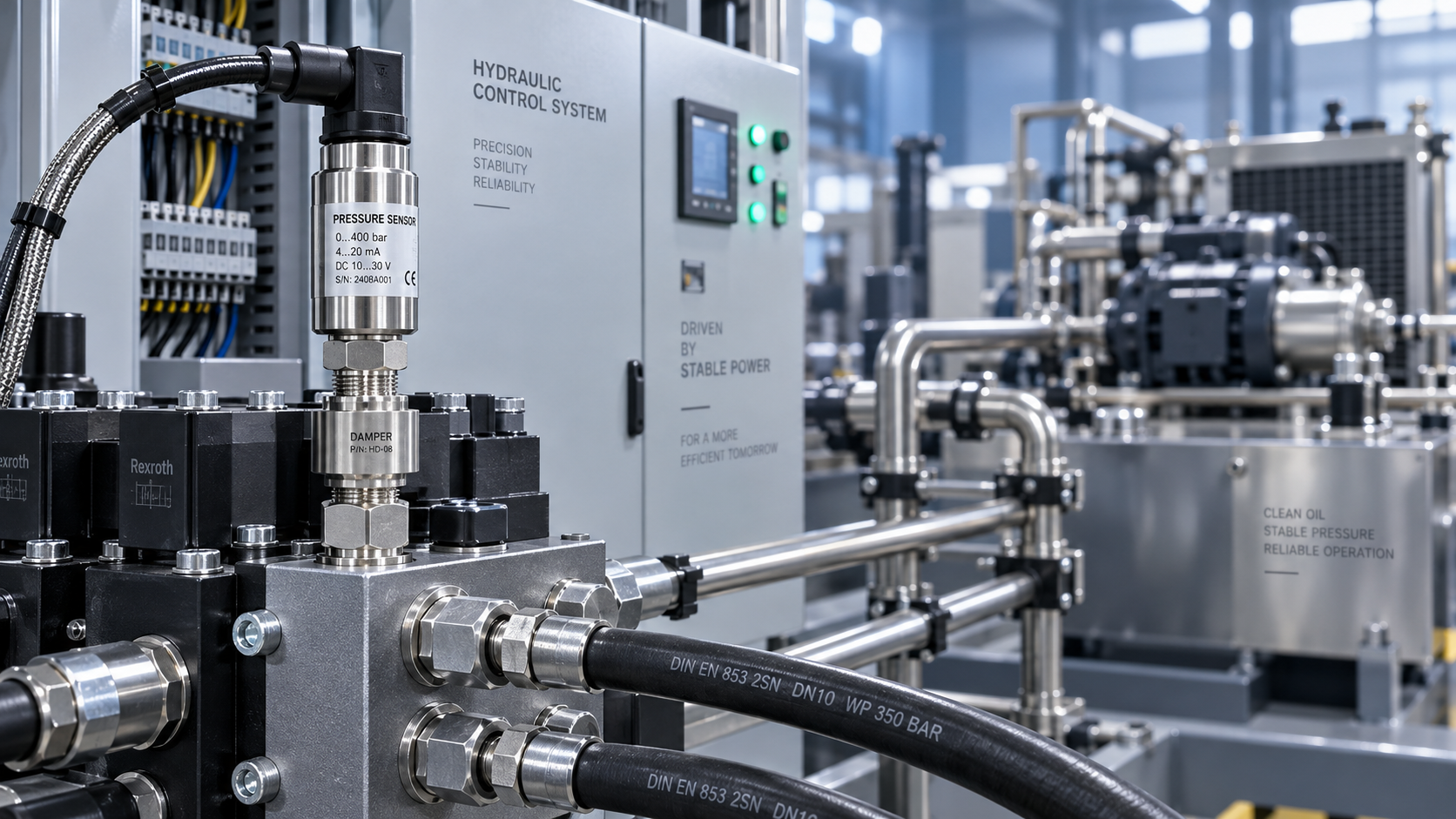
 Hydraulic equipment pressure fluctuates frequently. How can sensors be configured to improve control stability?