News Center
—— NEWS CENTER ——
Xi'an Shenghongchuang Instrument Co., Ltd.
Contact: Mr. Zhang
Mobile: 15529283736
Email: shc-sensor@qq.com
Address: Fortune Building, Sanqiao Street, Xixian New Area, Xi'an, Shaanxi Province
Detailed Explanation of PT-509-L Pressure Transmitter Calibration Steps,Precise Measurement Is No Longer a Dream!
As a core device in industrial measurement,the accuracy of the PT-509-L pressure transmitter directly affects production safety and efficiency。This article will provide a detailed analysis of the calibration process for diffused silicon liquid and gas pressure sensors,covering key operating points for multiple models such as HDA4445-A-350-Y00、PTX5072-TB,helping you quickly master professional commissioning techniques from basic calibration to alarm control functions。
I、Preparations Before Calibration
Before calibrating the PT-509-L pressure transmitter,it is essential to ensure that the equipment is in a stable state。First check whether the power supply voltage meets the requirements(usually 24VDC),and confirm that the wiring terminals are not loose or oxidized。For diffused silicon liquid and gas pressure sensors,special attention should be paid to media compatibility——if corrosive media are measured,sensor components made of stainless steel should be selected,which is consistent with the material selection principle of the domestic weighing sensor CKY-104 spoke-type force sensor in the chemical and metallurgical fields。
When preparing a standard pressure source,it is recommended to use a reference instrument with an accuracy more than 3 times higher than that of the transmitter under test。For common models such as the PTX5072-TB-A1-CA-H0-PH pressure transmitter with remote transmission signal,its typical accuracy is 0.1%FS,so the accuracy of the standard pressure source should reach 0.03%FS or better。At the same time,prepare a digital multimeter,signal generator,and dedicated commissioning software(such as the PT-509-L configuration tool provided by the manufacturer)。
II、Detailed Explanation of the Basic Calibration Process
1. Zero calibration:Under atmospheric pressure,adjust the ZERO potentiometer or software parameters to stabilize the output signal at 4mA(current output type)or 0V(voltage output type)。For models with temperature compensation such as KYB2003G05M1PXC2-I,operation must be performed at an ambient temperature of 25±5℃。
2. Full-scale calibration:Apply the rated pressure(such as the 10MPa range of PT-509-L),and adjust the SPAN potentiometer so that the output reaches 20mA or 10V。Note that the PTX5072-TB-A1-CA-H0-PR model with alarm control requires simultaneous setting of alarm threshold points,usually set to 90% and 110% of the range。
III、Special Function Commissioning Tips
For pressure transmitters with HART protocol such as YM-YM4889,digital calibration can be performed using a 375 handheld communicator。Focus on checking the following parameters:damping time(usually set to 0.5-2 seconds)、output linearity/square root selection、fault status output mode。This is similar to the parameter setting logic of the domestic weighing sensor CKY-104 in electronic scale applications。
When handling explosion-proof models such as HB-35C-DC24V,the ATEX directive must be followed:opening the wiring chamber is prohibited during calibration;intrinsically safe test equipment must be used;the explosion-proof surface seal must be restored after completion。A three-point calibration method(zero point、midpoint、full scale)is recommended to improve the measurement accuracy of sensors for high-temperature operating conditions such as KYXT1200-SM5DGZ。
IV、Solutions to Common Problems
Problem 1:Output Signal Fluctuates After Calibration
Possible causes:air bubbles in the pipeline(liquid media)or poor sealing(gas media)。Solution:perform venting for liquid sensors such as HDA4445-A-350-Y00;check whether the O-ring of the JVPL-JVPL10 model is intact。
Problem 2:Signal Delay of PTX5072-TB-A1-CA-H0-PH with Remote Transmission
Check the grounding of the signal cable shielding layer;confirm that the transmission rate in the configuration parameters matches the receiving device;test the cable capacitance(should be <0.1μF/km)。
V、Maintenance and Industry Trends
According to the recommendations of the API 670 standard,diffused silicon pressure sensors should undergo preventive maintenance every 6 months:clean the diaphragm surface(using isopropyl alcohol)、check electrical connections、verify basic accuracy。The latest trends show that intelligent models such as HM20-1-A1-F2-W2 have begun to support Bluetooth wireless calibration,greatly improving on-site work efficiency。
Why choose professional service?We have an ISO 17025 certified calibration laboratory and can provide calibration services for the full range of sensors including PT-509-L,with accuracy traceable to NIST standards。Contact a technical consultant now to obtain a customized solution!
Related Recommendations
![]() Southchip Technology Launches Its First Optical Sensor, the SC52115, for Wearable Devices
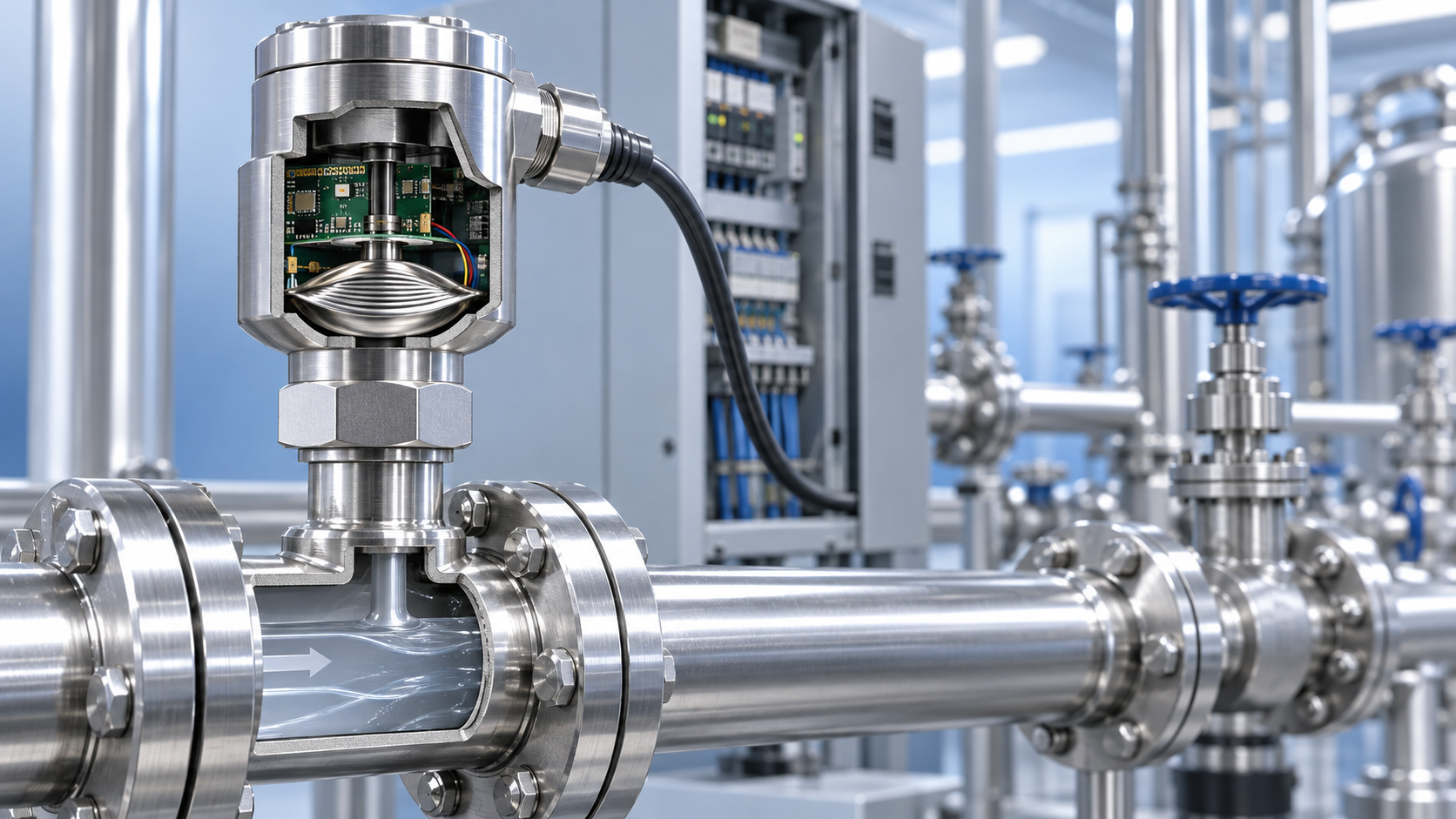
Southchip Technology Launches Its First Optical Sensor, the SC52115, for Wearable Devices How does a pressure sensor convert changes in applied force into usable electrical signals?
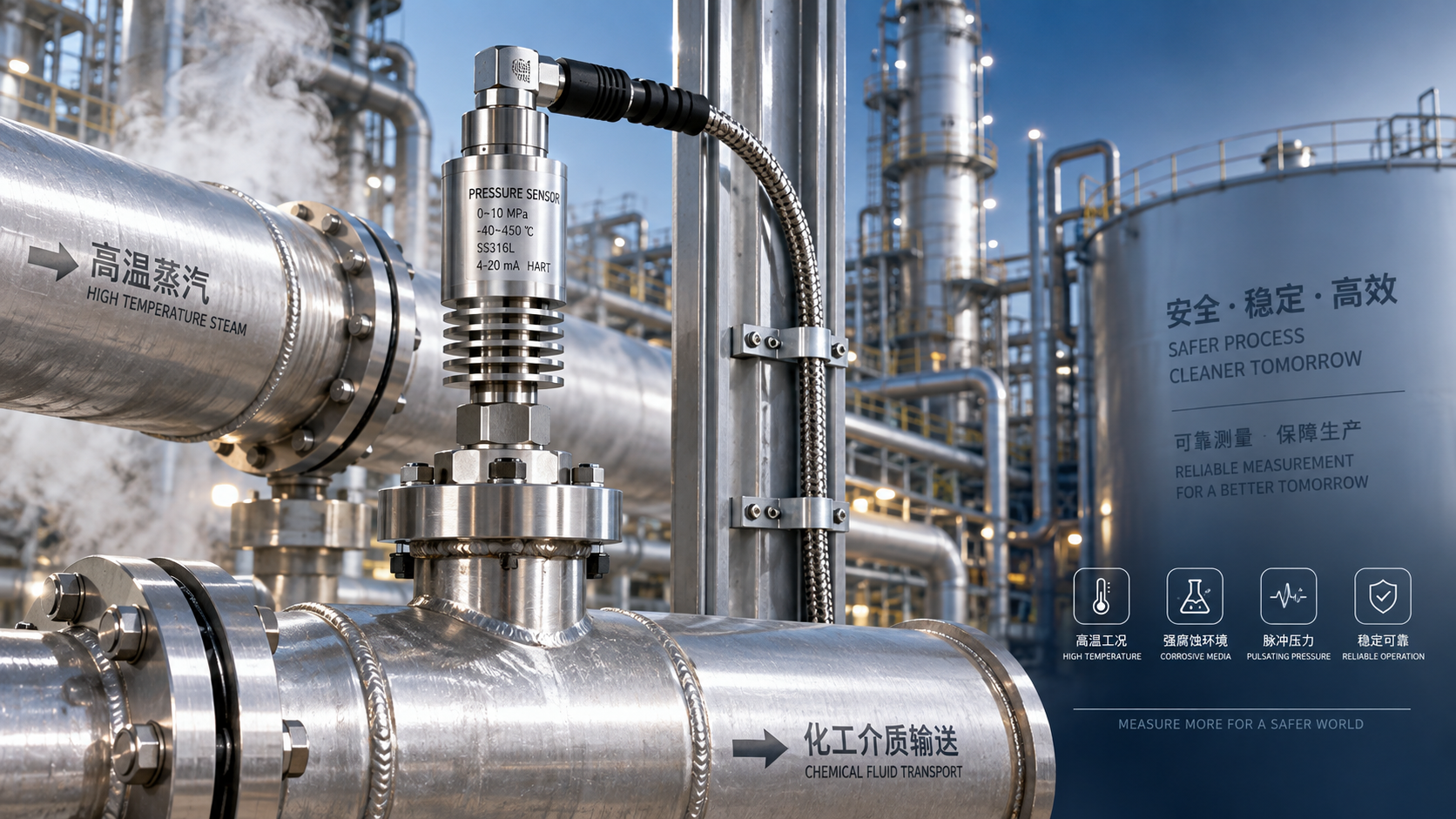
 Which parameters should be considered when selecting pressure sensors for high-temperature, corrosive, and pulsating operating conditions?
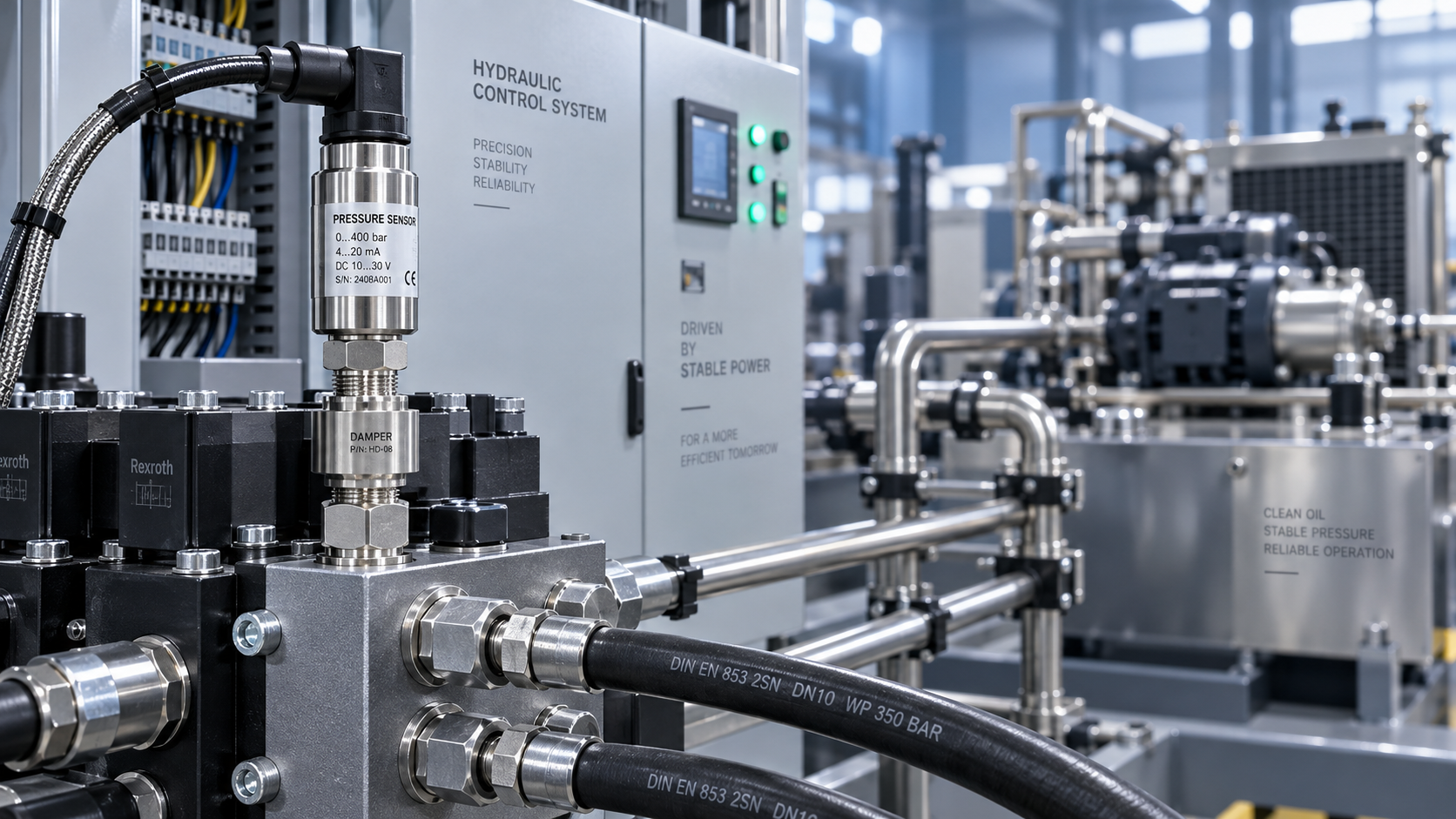
 Hydraulic equipment pressure fluctuates frequently. How can sensors be configured to improve control stability?