News Center
—— NEWS CENTER ——
Xi'an Shenghongchuang Instrument Co., Ltd.
Contact: Mr. Zhang
Mobile: 15529283736
Email: shc-sensor@qq.com
Address: Fortune Building, Sanqiao Street, Xixian New Area, Xi'an, Shaanxi Province
Introduction
During the selection process of the PT201H-G5000M pressure transmitter, the range selection of the diffused silicon sensor directly affects measurement accuracy and equipment service life. This article provides an in-depth analysis of 3 common selection misconceptions among technical evaluators, helping you avoid potential risks of models such as DG1300-BZ-A-2-40/CJ/AM/FZ in industrial applications and ensure the stable and reliable operation of the pressure measurement system.
Misconception 1: Selecting the Range Based Only on the Maximum Working Pressure
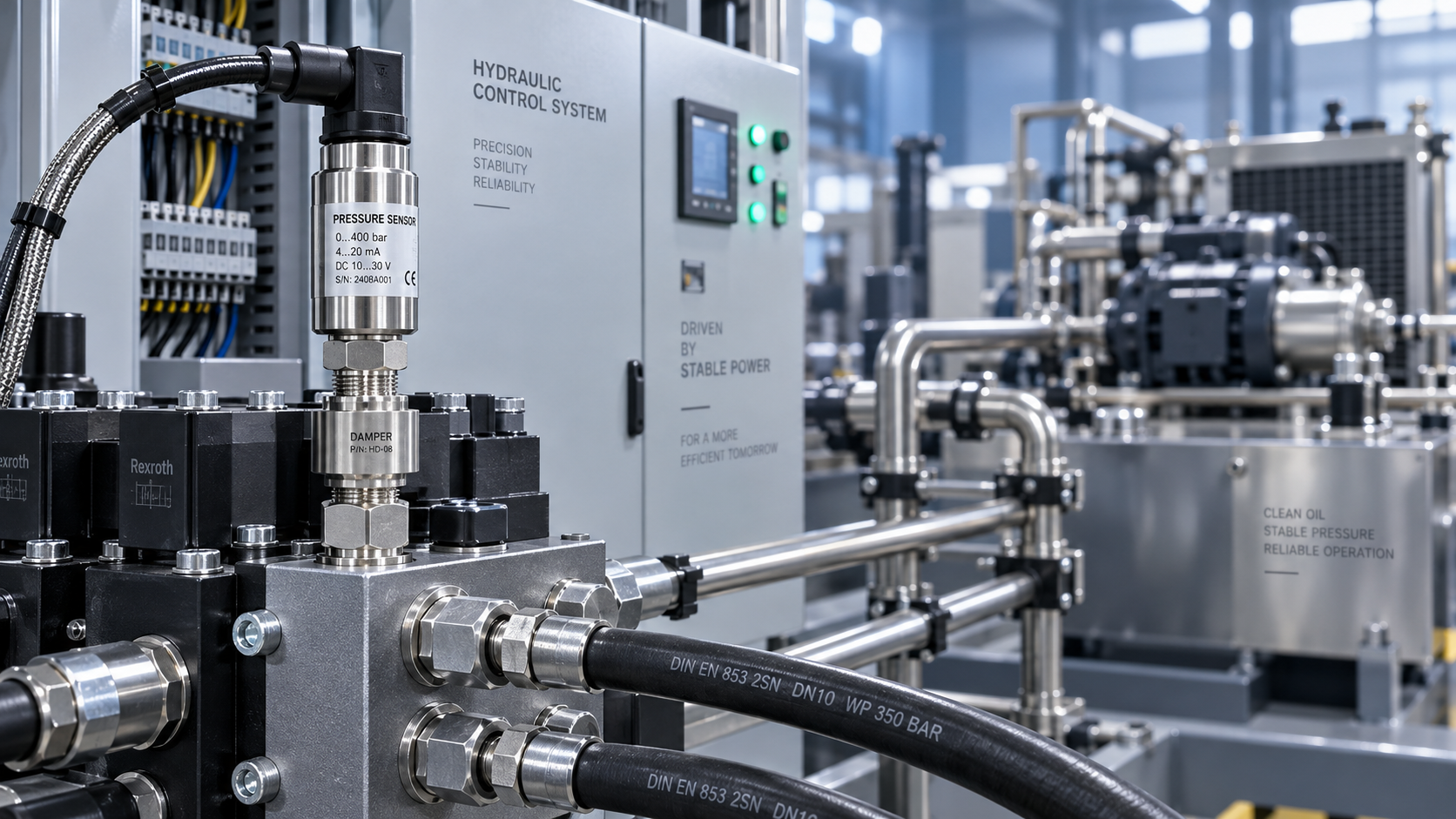
When selecting the JPB-CNM pressure transmitter, many technical evaluators often simply regard the upper range limit as equal to the maximum working pressure of the system. In fact, according to the recommendation of the ASME B40.100 standard, the ideal range should be 1.5-2 times the maximum working pressure. Taking model PBM4-13.B29R.A115.2663 as an example, if the actual peak operating pressure is 10MPa, selecting a 15-20MPa range can prevent the sensor from remaining in a full-scale state for a long time, significantly extending the fatigue life of the diffused silicon sensitive element. At the same time, pressure pulsation factors must also be considered——in dynamic scenarios such as hydraulic systems, instantaneous pressure may exceed the nominal value by 30%, making the range redundancy design of the PA-21R-16 pressure transmitter particularly important in such cases.
Comparative Analysis of Technical Performance
Misconception 2: Ignoring the Impact of Medium Characteristics on the Range
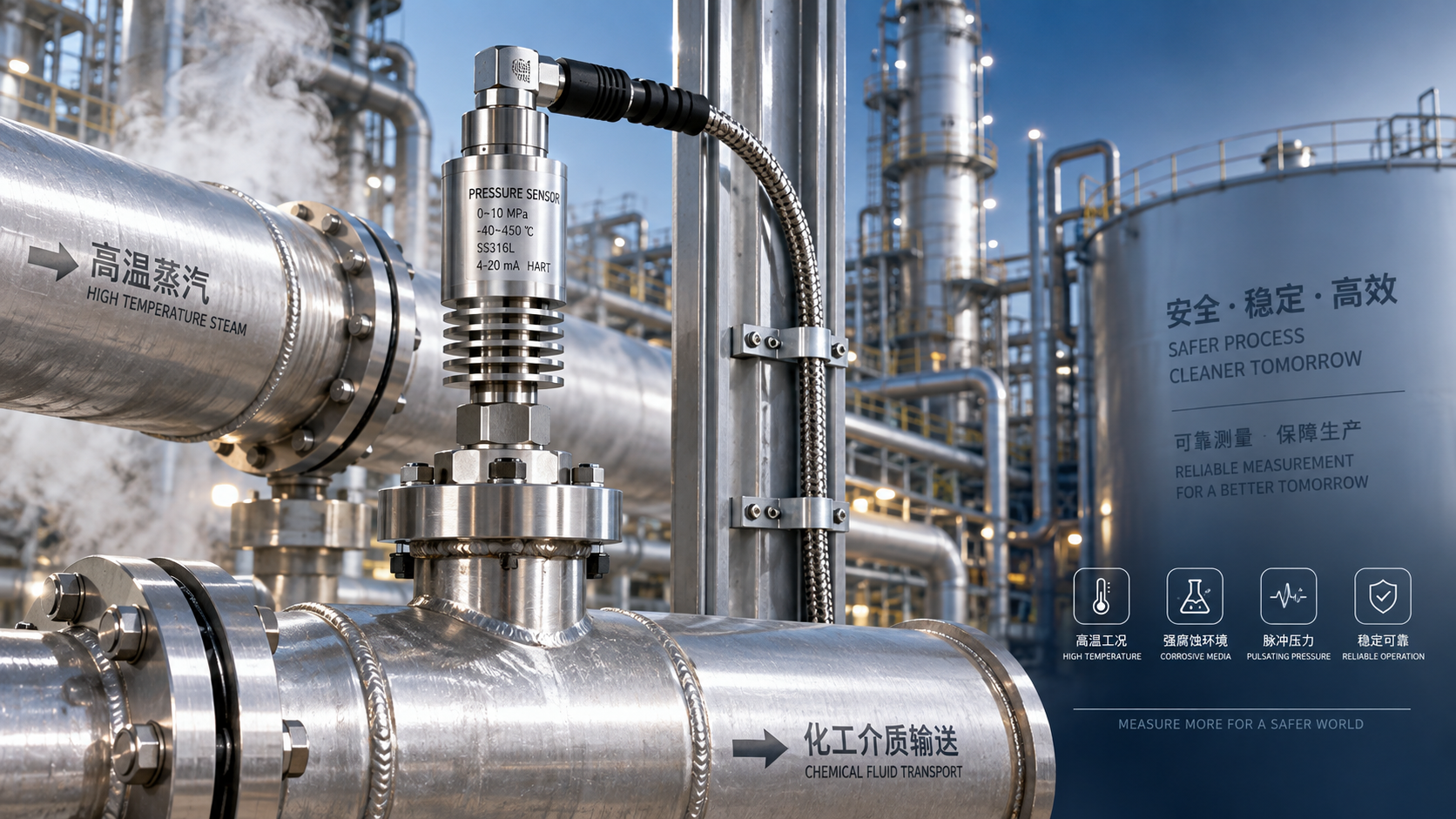
When the HM20-1-A1-F1-W2-T pressure transmitter measures different media, its effective range may change significantly. For example, when measuring corrosive media such as chlorine gas, it is necessary to select the MTPFU-MTPFU model with a Hastelloy diaphragm, and its actual usable range will be adjusted according to the corrosion resistance grade of the diaphragm. According to the ISO 4378 standard, when the medium temperature exceeds 80℃, the thermal zero drift of the diffused silicon sensor will cause the effective range to decrease by 5%-8%. Laboratory data from Xi'an Shenghongchuang Instrumentation Co., Ltd. show that for model PBM4-13.B38R.A115.2663 in a 150℃ steam environment, it is recommended to reduce the nominal range by 10% during use to ensure 0.2 class accuracy.
Procurement and Selection Guide
- Step 1:Confirm the system's maximum working pressure and pressure fluctuation range
- Step 2:Analyze the chemical properties and temperature parameters of the medium
- Step 3:Calculate the safety factor(1.5-3 times is recommended)
- Step 4:Verify the CE/UL certification scope of models such as DG1300-BZ-A-2-40/CJ/AM/FZ
Misconception 3: Failing to Consider Long-Term Stability Compensation
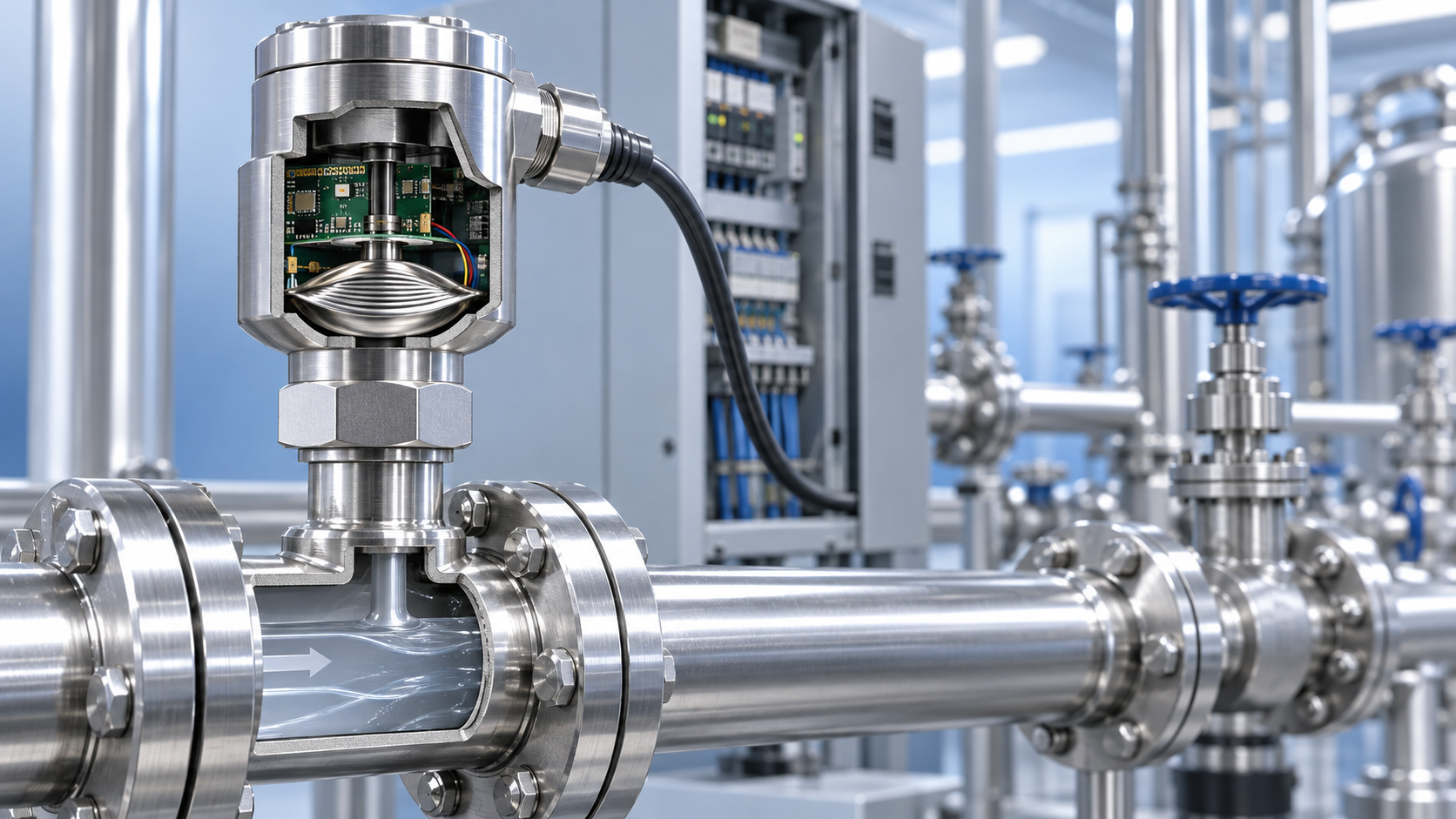
The working principle of the diffused silicon sensor determines that its output will produce slight drift over time. High-quality products such as the PT201H-G5000M pressure transmitter can control the annual drift rate within 0.1%FS through a built-in temperature compensation algorithm. However, if the initial range selection is too small, the accumulated drift over the years will significantly affect measurement accuracy. It is recommended that in continuous operation scenarios such as petrochemicals, a range 20% larger than the calculated value be selected to reserve calibration buffer space for the JPB-CNM pressure transmitter. The 5-year warranty service provided by Xi'an Shenghongchuang is based precisely on full confidence in the long-term stability of its products.
Why Choose Xi'an Shenghongchuang
As a national high-tech enterprise in Xixian New Area, we have a CNAS-certified laboratory and can provide full-range calibration services compliant with the GB/T 17614 standard for models such as PMP131-C1A2L16. For special operating conditions, we support customized production of the PA-21R-16 pressure transmitter, including fine range adjustment and special interface design. Our technical team has 20 years of experience in pressure measurement solutions and has provided precise selection services, including for DG1300-BZ-A-2-2.5/AA/SZWZH, to more than 300 customers.
Frequently Asked Questions
- Q:Can PBM4-13.B29R.A115.2663 be used for oxygen measurement?
A:An oil-free treated model must be selected, and the range must be reduced by 15% during use - Q:How to determine whether the range of HM20-1-A1-F1-W2-T is appropriate?
A:During normal operation, the pointer should be within the 30-70% range - Q:How long is the calibration cycle of MTPFU-MTPFU?
A:1 year is generally recommended for normal working conditions, shortened to 6 months in corrosive environments
Related Recommendations
![]() Southchip Technology Launches Its First Optical Sensor, the SC52115, for Wearable Devices
Southchip Technology Launches Its First Optical Sensor, the SC52115, for Wearable Devices How does a pressure sensor convert changes in applied force into usable electrical signals?
 Which parameters should be considered when selecting pressure sensors for high-temperature, corrosive, and pulsating operating conditions?
 Hydraulic equipment pressure fluctuates frequently. How can sensors be configured to improve control stability?