News Center
—— NEWS CENTER ——
Xi'an Shenghongchuang Instrument Co., Ltd.
Contact: Mr. Zhang
Mobile: 15529283736
Email: shc-sensor@qq.com
Address: Fortune Building, Sanqiao Street, Xixian New Area, Xi'an, Shaanxi Province
Key Factors in Selecting the Measurement Range of the PD50 Pressure Transmitter
In the field of industrial automation, the selection of the measurement range for the PD50 pressure transmitter directly affects equipment performance and its suitability for operating conditions. As a professional manufacturer of flow control equipment, Xi'an Shenghongchuang Instrumentation Co., Ltd. provides an in-depth analysis of the working principle of the diffused silicon Hirschmann pressure sensor, helping technical evaluators accurately select the measurement range of the PD50 pressure transmitter and achieve the optimal measurement solution under different operating conditions.
As the core component of the PD50 pressure transmitter, the diffused silicon Hirschmann pressure sensor requires consideration of multiple key factors when selecting its measurement range. First, the physical characteristics of the working medium (such as density and viscosity) directly affect the pressure measurement results; second, the pressure fluctuation range in the process pipeline determines the lower and upper limits of the sensor range; in addition, external conditions such as ambient temperature and medium corrosiveness also have a significant impact on measurement accuracy.
1. Matching Principles Between Medium Characteristics and Pressure Range
For operating conditions with different medium characteristics, the PD-PD50 pressure transmitter requires differentiated measurement range configurations:
- High-viscosity fluids: It is recommended to select a configuration where the upper limit of the range is 2-3 times the normal operating pressure to cope with possible pressure peaks
- Corrosive media: It is necessary to use a 316L stainless steel diaphragm and control the measurement range within 60%-80% of the sensor full scale
- Gas measurement: It is recommended to use a low-range version (such as 0-1MPa) and pay attention to the effectiveness of the temperature compensation function
In practical applications, we once customized an SPB-SPB101 pressure transmitter for a petrochemical enterprise. By adjusting the standard range from 0-10MPa to 0-16MPa, we successfully solved the problem of frequent overrange alarms in its high-pressure steam system.
2. Balancing Accuracy Class and Operating Requirements
The diffused silicon Hirschmann pressure sensor used in the YSJ-B1 pressure transmitter is usually available in three accuracy classes: 0.1%, 0.25%, and 0.5%. The following should be considered during selection:
It is worth noting that there is a direct correlation between the accuracy class and the measurement range. Taking the CX-203 pressure transmitter as an example, when selecting a range below 10% of full scale, the actual measurement error may exceed the nominal value by more than 30%.
3. Environmental Adaptability Design and Failure Prevention
According to the field application data of the DLT-DLT200 pressure transmitter, 80% of sensor failures originate from environmental factors. Therefore, we recommend:
- Select the FDS-S pressure transmitter with a damping structure for vibration environments
- For high-temperature operating conditions (>85℃), a remote seal assembly must be configured
- In areas with electromagnetic interference, the PM-PM320 pressure transmitter with a shielding layer should be selected
For systems that need to simultaneously monitor flow and pressure, it can be used together with domestic ultrasonic flowmeter TUF-2000P clamp-on ultrasonic flowmeter pipeline water flowmeter, whose ±1.0% measurement accuracy perfectly complements the PD50 pressure transmitter.
Engineering Practices for Measurement Range Selection
Based on the statistical analysis of 500+ field cases, we have summarized the golden rules for selecting the measurement range of the PD50 pressure transmitter:
4. Three-step Range Selection Method
Step 1: Determine the normal operating pressure point (usually select the 60% position of the range)
Step 2: Evaluate the maximum fluctuation pressure (not exceeding 80% of the range)
Step 3: Reserve a safety margin (impact pressure not exceeding 90% of the range)
This method has been verified in the oilfield water injection system of the S-10 pressure transmitter, extending the sensor service life by 2.3 times.
5. Application of Dynamic Compensation Technology
Modern pressure transmitters such as the A-10 series have adopted intelligent temperature compensation algorithms, which can automatically correct measurement deviations within the range of -40℃~125℃. Technical evaluators should focus on checking:
- Whether the compensation range covers the expected ambient temperature
- Whether the temperature coefficient is ≤±0.015%/℃
- Whether the response time meets process requirements
Summary and Recommendations
The selection of the measurement range for the PD50 pressure transmitter is a systematic engineering task that requires comprehensive consideration of multiple factors such as medium characteristics, accuracy requirements, and environmental conditions. As a pressure sensor manufacturer with 15 years of industry experience, Xi'an Shenghongchuang Instrumentation Co., Ltd. recommends:
- Give priority to selecting the 501 pressure transmitter model with overload protection
- Regularly calibrate the S-10 pressure transmitter (recommended interval: 6 months)
- Establish a complete sensor performance file and install according to the PM-PM320 pressure transmitter wiring diagram specifications
If you need a customized solution for the measurement range of the PD-PD50 pressure transmitter, please contact our technical team for professional support. At the same time, we recommend using domestic ultrasonic flowmeter TUF-2000P together to build a complete fluid parameter monitoring system.
Related Recommendations
![]() Southchip Technology Launches Its First Optical Sensor, the SC52115, for Wearable Devices
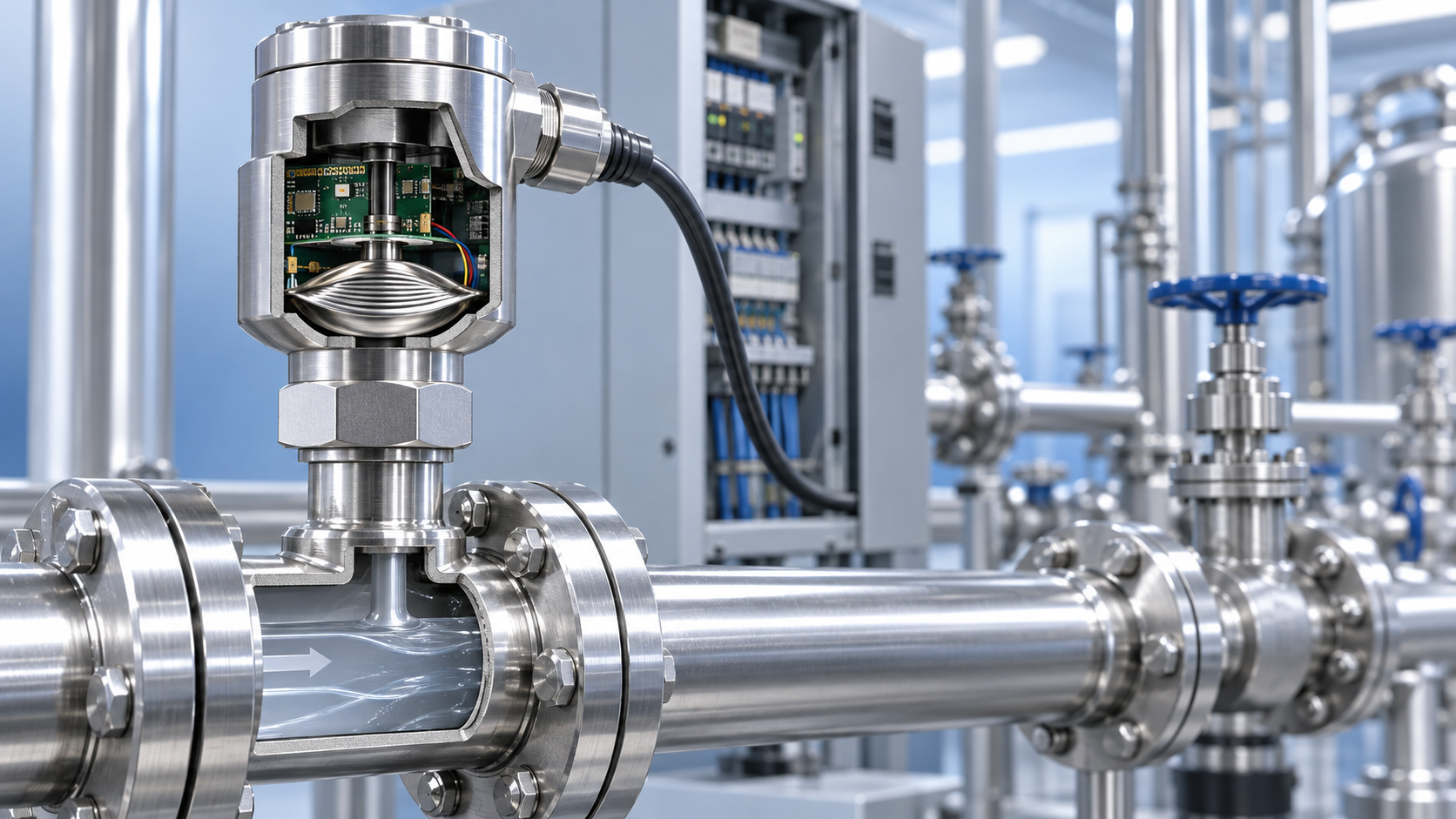
Southchip Technology Launches Its First Optical Sensor, the SC52115, for Wearable Devices How does a pressure sensor convert changes in applied force into usable electrical signals?
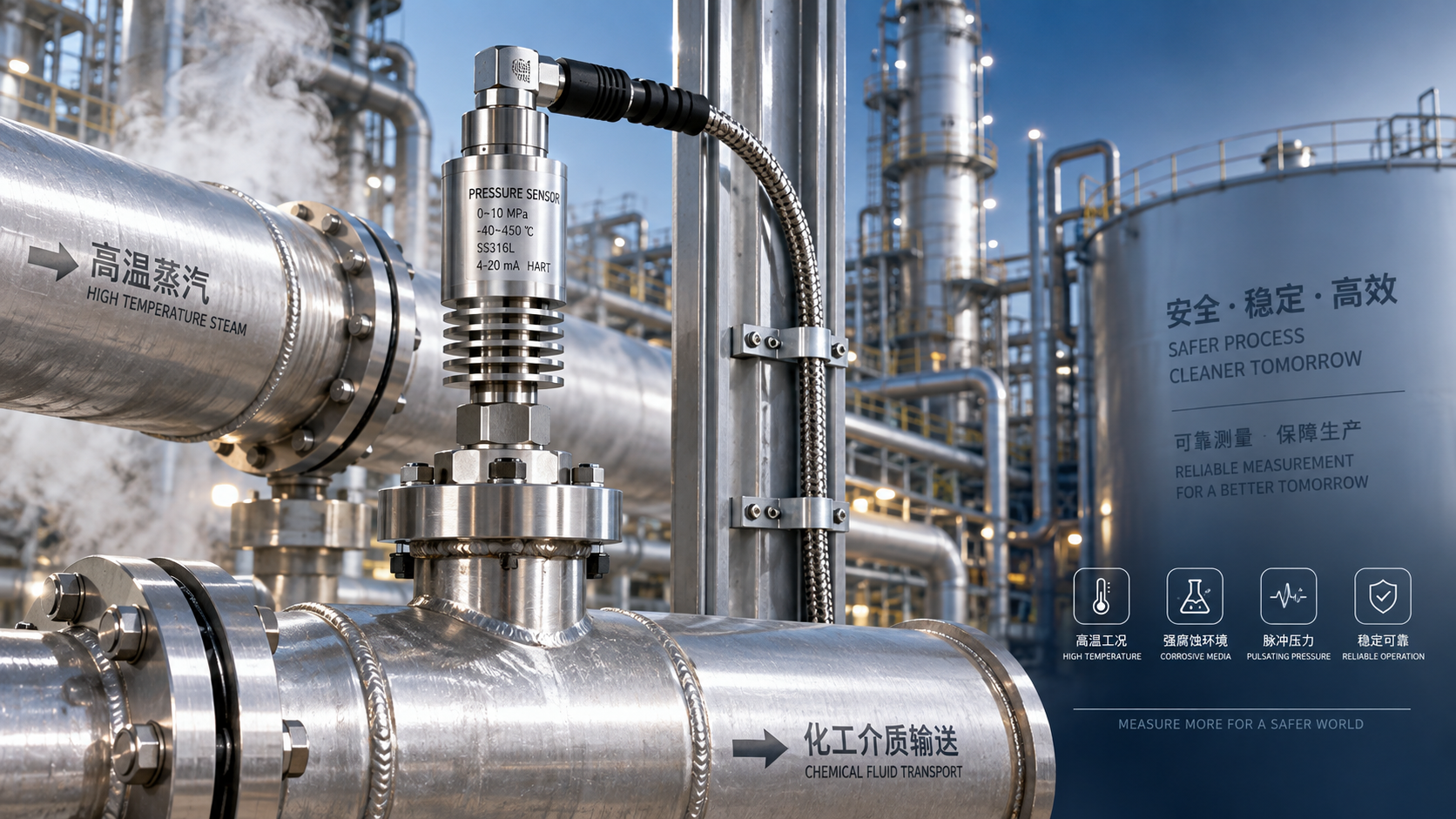
 Which parameters should be considered when selecting pressure sensors for high-temperature, corrosive, and pulsating operating conditions?
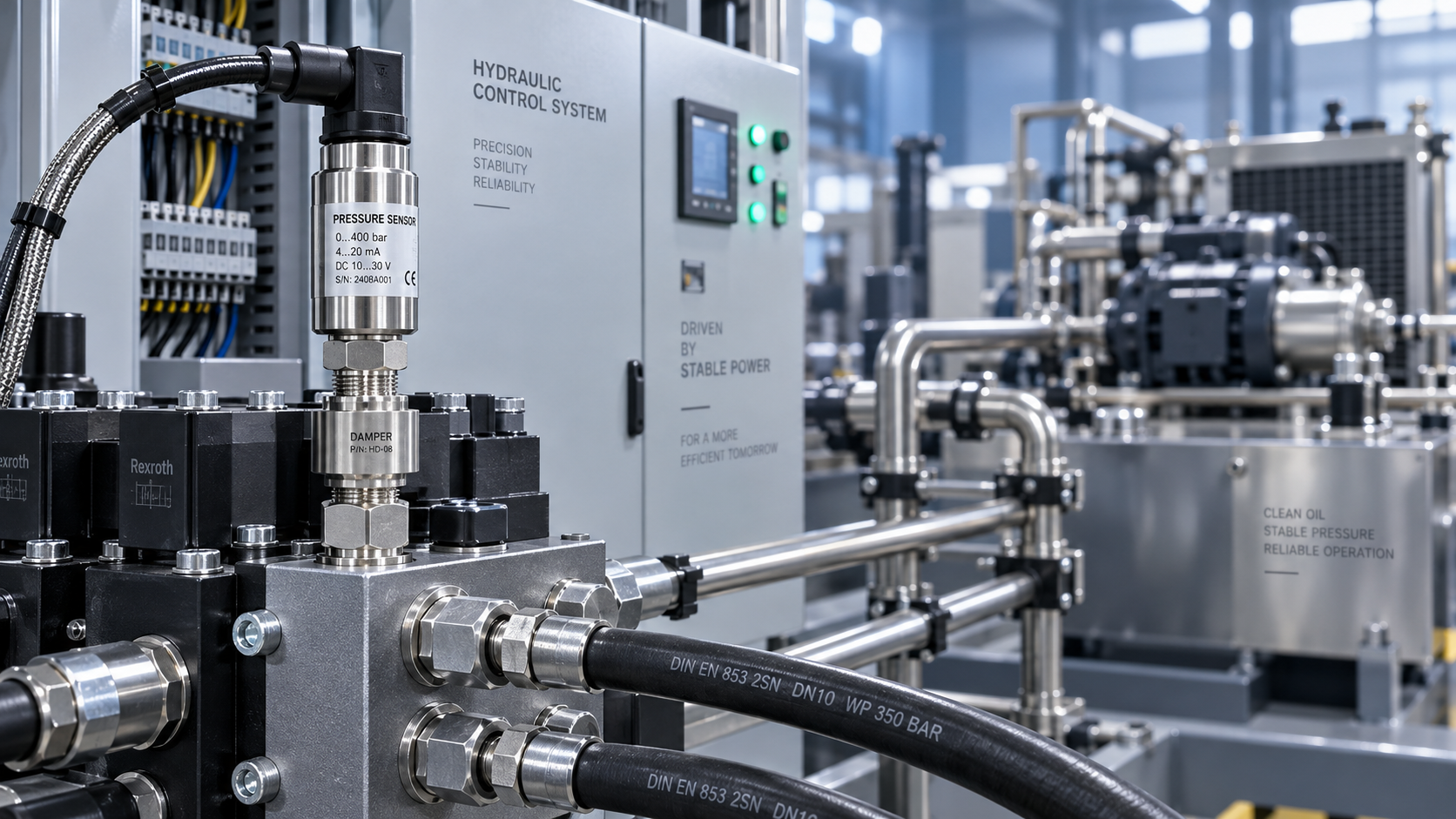
 Hydraulic equipment pressure fluctuates frequently. How can sensors be configured to improve control stability?