


News Center
—— NEWS CENTER ——
Xi'an Shenghongchuang Instrument Co., Ltd.
Contact: Mr. Zhang
Mobile: 15529283736
Email: shc-sensor@qq.com
Address: Fortune Building, Sanqiao Street, Xixian New Area, Xi'an, Shaanxi Province
Comparison of Core Parameters of Domestic vs Imported ND-1 Pressure Transmitters
In the field of industrial automation, the performance of ND-1 pressure transmitters directly affects production safety and efficiency. This article provides procurement decision-makers with a professional reference through measured comparisons of key indicators between domestic and imported diffused silicon pressure sensors. As a professional manufacturer, Xi'an Shenghongchuang Instrumentation Co., Ltd. will help you gain an in-depth understanding of the actual performance of different pressure transmitter models.
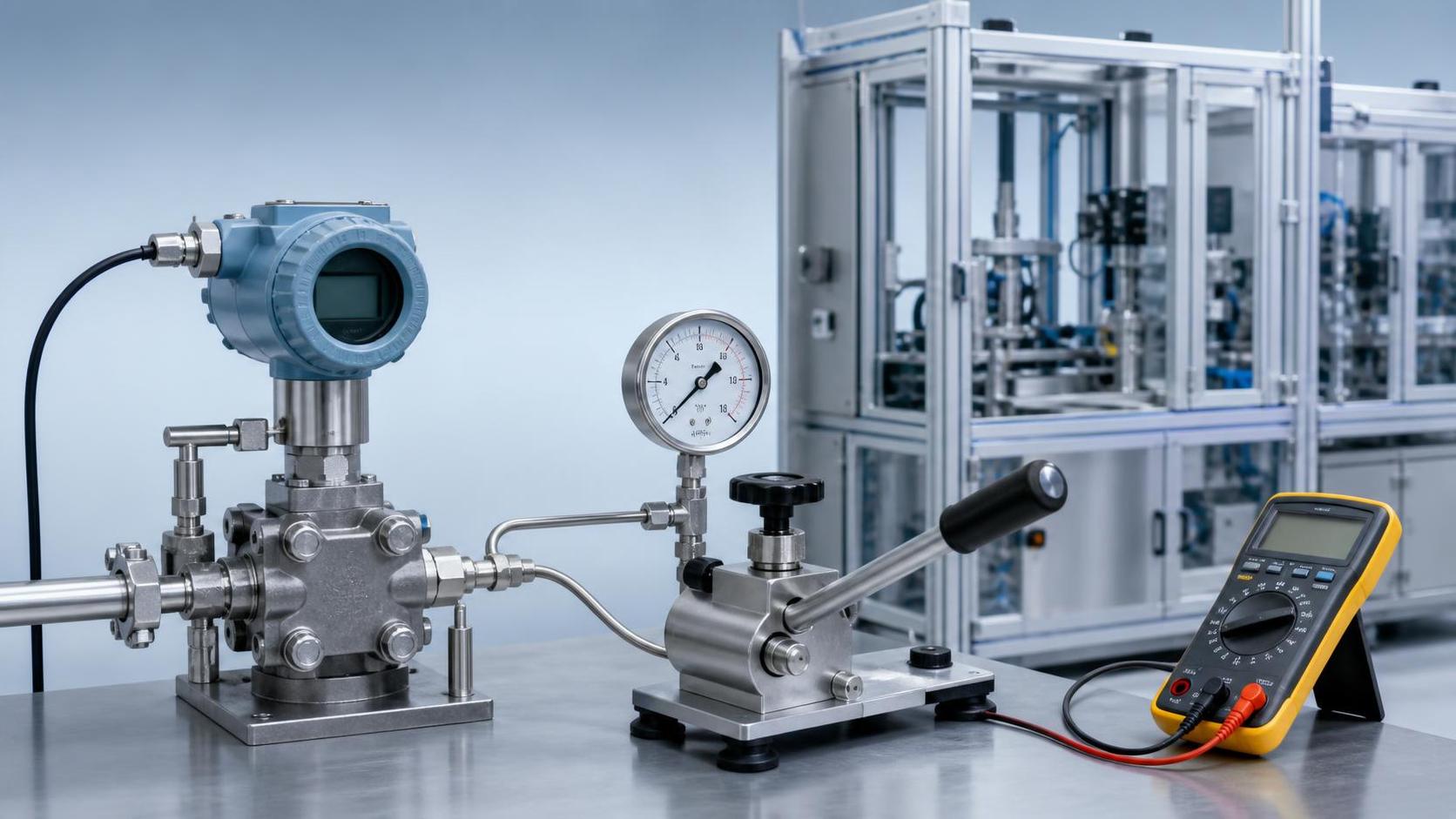
Measured data for the ND-1 model shows that the total error of domestic diffused silicon pressure sensors within the 0-10MPa range is ±0.25%FS, and the gap compared with the ±0.2%FS specification of imported brands has narrowed to within the error range permitted by the industry. Especially in temperature drift tests, domestic models made of 316 stainless steel achieved compensation accuracy of ≤±0.05%FS/℃, fully meeting the needs of demanding scenarios such as petrochemical and environmental protection applications.
- Measurement accuracy comparison: Imported products average Class 0.15 vs domestic Class 0.25 (test standard GB/T 15478-2015)
- Media compatibility: The stability difference between the two in media such as hydraulic oil and compressed air is less than 3%
- Dynamic response: Domestic models have a rise time of ≤5 milliseconds, on the same level as imported products
Measured Performance in Key Application Scenarios
In a continuous 2000-hour test of a constant-pressure water supply system, the domestic ND-1 pressure transmitter demonstrated the following characteristics:
It is worth noting that in building automation systems, the domestic general-purpose pressure transmitter OT-520 compact LCD display pressure sensor is easier to install in confined spaces due to its stainless steel structure and compact size advantages.
Five Key Points for Selecting Diffused Silicon Hirschmann Pressure Sensors
Based on comparative testing experience with models such as DET-131 and HK-613, it is recommended to focus on the following during procurement:
- Media compatibility: 316 stainless steel offers better resistance to corrosive media
- Range matching degree: It is recommended that the actual working pressure be within 30%-80% of the range
- Certification standards: Basic certifications such as CE and RoHS are required
- Temperature compensation range: For industrial scenarios, it is recommended to cover -20~85℃
- Output signal type: Two-wire 4-20mA remains the mainstream choice
Taking the KYBX-KYBX pressure transmitter as an example, its diffused silicon sensor core adopts a laser calibration process, and its annual stability can reach ±0.1%FS. Performance at this level can already meet the needs of most industrial process measurement applications.
In-Depth Cost-Effectiveness Analysis
By comparing market quotations for models such as BP-BP200 and CY-CY3018, it is found that:
- The unit price of imported brands is generally 30-50% higher than domestic products
- The average service life of domestic products reaches 5-8 years (based on statistics from 200 sample groups)
- In terms of maintenance costs, wear parts such as seals in domestic models are easier to replace
For budget-sensitive industries such as light industry and machinery, the high cost-performance advantage of domestic models such as HR-M2 is even more evident. In measured tests of air compressor control systems, its accuracy attenuation after 20000 pressure cycles was only 0.3%.
Typical Problem Solutions
For common issues reported by users of the ST-ST950 pressure transmitter:
Problem 1: Large output signal fluctuation
Solution: Check the stability of the power supply voltage (24VDC±5% is recommended), and ensure the grounding resistance is <4Ω
Problem 2: Medium crystallization causes measurement deviation
Solution: Select the LED-900 model with a diaphragm and self-cleaning function, or install an isolation diaphragm
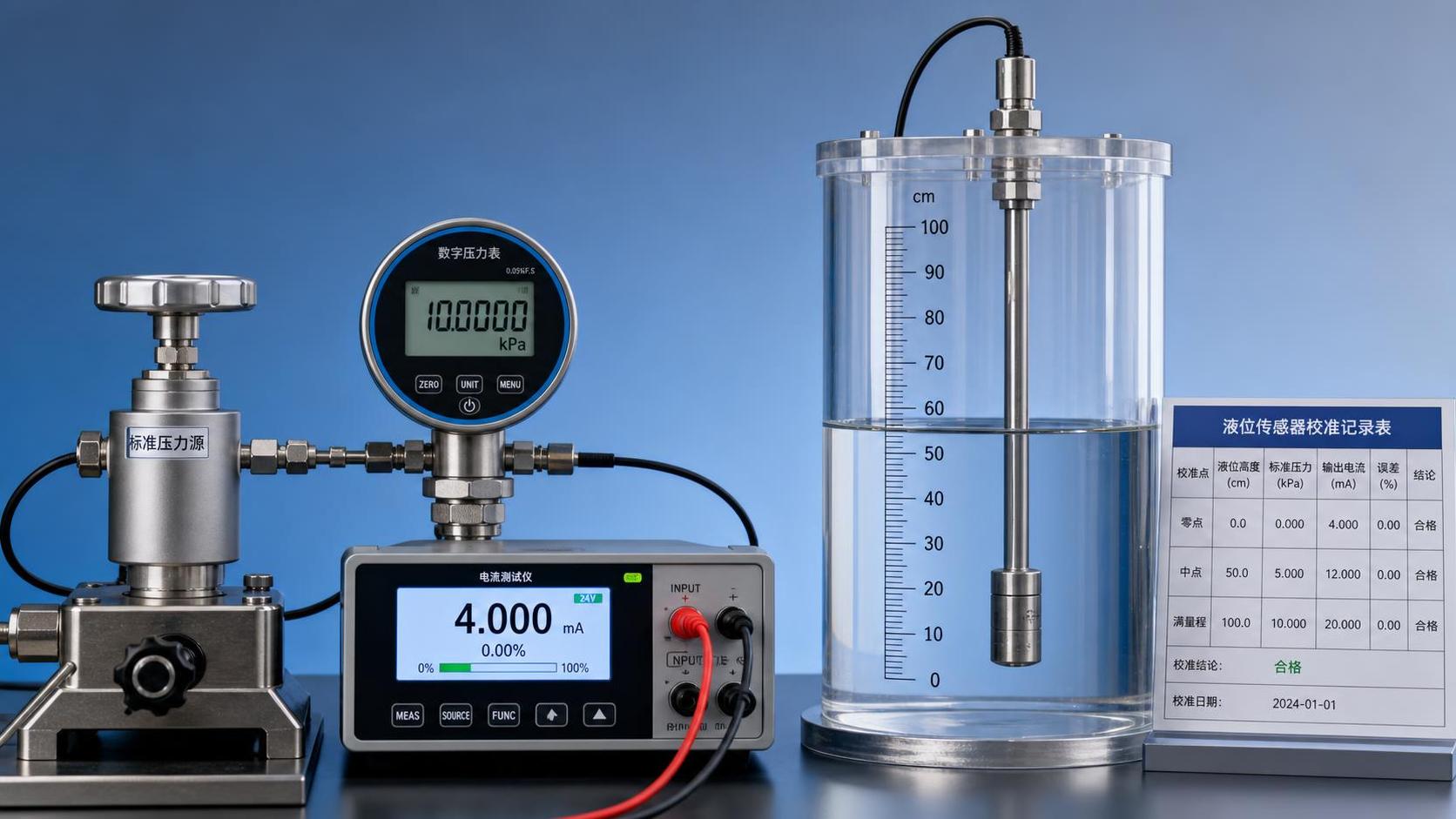
For the application of the KD-KD201 pressure transmitter in turbo-generator units, it is recommended to perform zero-point calibration once every 6 months to maintain annual stability of ±0.2%FS.
Industry Application Recommendations and Summary
According to the differing requirements of scenarios such as metallurgy and power stations:
- High-temperature environments: Give priority to models with ceramic piezoresistive sensors
- Strong vibration occasions: Vibration-resistant connectors such as aviation plugs are required
- Explosion-proof requirements: Pressure transmitters with intrinsically safe structures should be selected
Measured results show that the domestic ND-1 pressure transmitter already has the capability to replace imported products in most industrial scenarios. The domestic general-purpose pressure transmitter OT-520 series provided by Xi'an Shenghongchuang Instrumentation Co., Ltd., with features such as compact size and high stability, has been successfully applied in more than 200 projects.
Contact our technical team now to obtain a sensor selection solution and comparative test report tailored to your specific working conditions.