News Center
—— NEWS CENTER ——
Xi'an Shenghongchuang Instrument Co., Ltd.
Contact: Mr. Zhang
Mobile: 15529283736
Email: shc-sensor@qq.com
Address: Fortune Building, Sanqiao Street, Xixian New Area, Xi'an, Shaanxi Province
Challenges of Liquid Level Measurement in High-Temperature Industrial Environments
In high-temperature industrial scenarios such as petrochemicals and power energy, traditional liquid level sensors often suffer from inaccurate measurement due to issues such as mismatched thermal expansion coefficients of materials and failure of electronic components at high temperatures. The MPM4809TD3E24 guided-pressure liquid level sensor adopts a special stainless steel cable-cylinder structure, combining a 316L stainless steel isolation diaphragm with a low-copper aluminum alloy housing, and can withstand extreme temperature fluctuations from -40℃ to 200℃, solving the problem of sensor zero drift caused by high-temperature media. By introducing German diffused silicon piezoresistive technology, Xi'an Shenghongchuang Instrument Co., Ltd. enables the product to maintain a measurement accuracy of ±0.1%FS at an operating temperature of 85℃, far exceeding the requirements of IEC 60770-1 standard.
Core Technology Analysis: How High-Temperature Stability Is Achieved
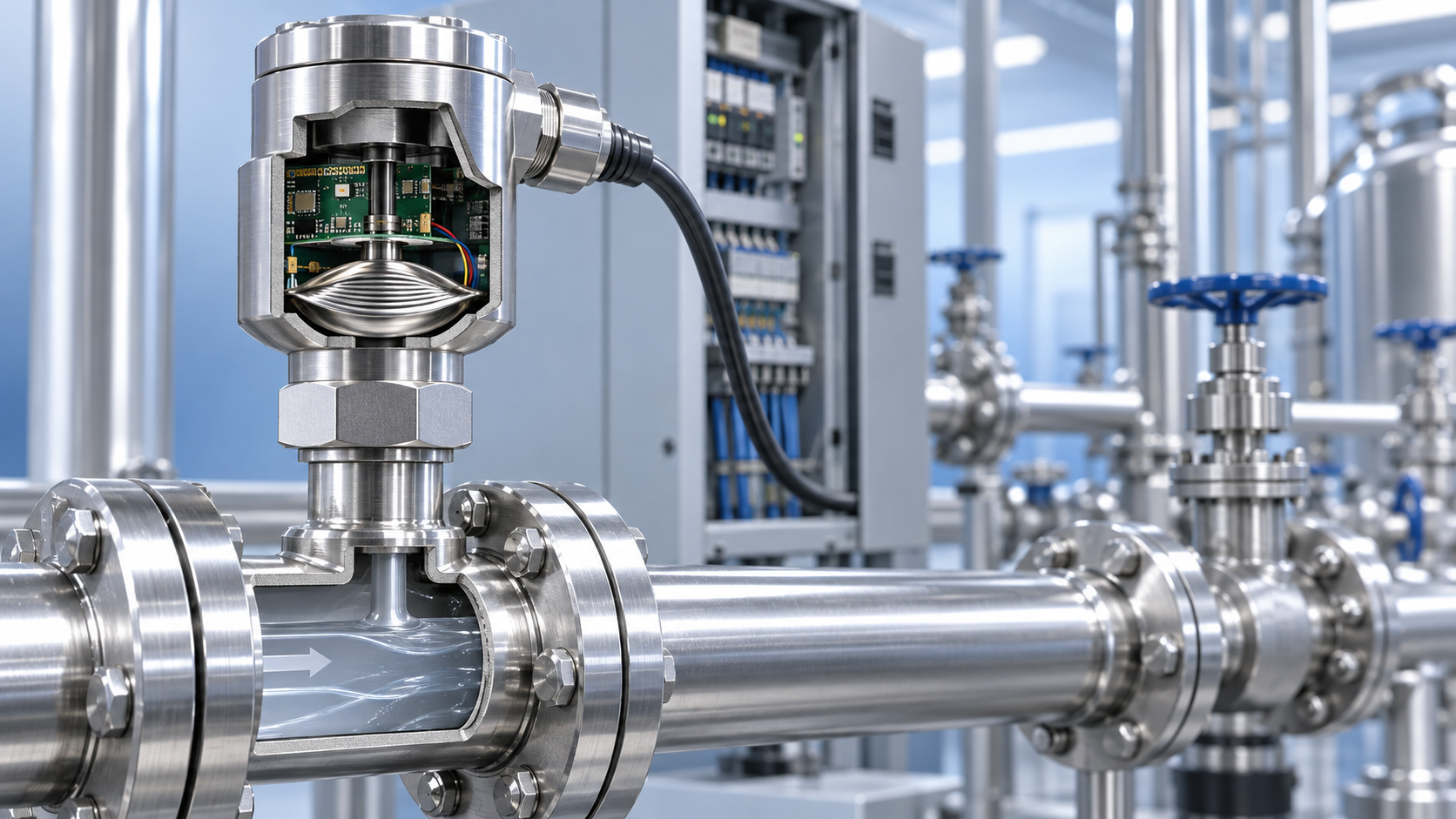
This sensor adopts triple temperature compensation technology: ① laser trimming process performs full-temperature-range calibration on the sensing element; ② built-in PT100 temperature sensor provides real-time correction; ③ original thermal stress elimination structural design. Its pressure-guiding cavity and process connection adopt an integral forging process, avoiding micro-cracks at welded parts during thermal cycling. Comparative tests show that in a 150℃ saturated steam environment, the long-term stability of MPM4809TD3E24 reaches ±0.2%FS/year, which is more than 50% higher than similar domestic BST6700 series liquid level transmitters. This performance advantage is particularly suitable for application scenarios with severe temperature gradients, such as boiler steam drums in thermal power plants.
Selection Guide and Solutions for Special Operating Conditions
For different industrial scenarios, it is recommended to select configurations according to the following dimensions: ① for highly corrosive media (such as concentrated sulfuric acid), a Hastelloy diaphragm version should be selected; ② for slurries containing solid particles, a flush diaphragm structure should be selected; ③ for explosion-proof occasions such as nuclear power, ATEX/IECEx certification is required. The HDP601H series provided by Xi'an Shenghongchuang can be customized with extended cable lengths up to 100 meters, meeting the need for remote installation of electronic components in high-temperature areas. Compared with traditional models such as SP-814, the IP65 protection rating and 100g shock resistance of MPM4809TD3E24 make it perform outstandingly in highly vibrating environments such as converters in the metallurgical industry.
Typical Application Cases and Performance Verification
In the ethylene cracking unit of a large petrochemical enterprise, monitoring data from 20 MPM4809TD3E24 sensors operating continuously for 18 months show that under working conditions of 180℃ and 6MPa, the measurement error was consistently controlled within ±3mm. Its polyurethane-coated cable can resist H2S corrosion in cracking gas, extending service life by 3 times compared with ordinary fluoroplastic cables. This reliability is also reflected in the BST6700 series hydropower plant gate monitoring system, where its三级防雷设计 successfully resists interference from thunderstorms in mountainous areas.
Why Choose Our Technical Solution
As a national high-tech enterprise, Xi'an Shenghongchuang has a CNAS-certified laboratory and 30 patents related to liquid level measurement. We provide a full range of solutions from the YM-GLYW basic model to the KYB1903M1IC1-1 explosion-proof model, and all products have passed ISO 9001:2015 quality management system certification. For ultra-high-temperature working conditions (>200℃), the special BP-801K model with heat dissipation fins can be provided. Our technical team responds to customer needs 24 hours a day and supports on-site commissioning and data verification, ensuring that every sensor meets the reliability requirements for critical equipment under API 682 standard.
Related Recommendations
![]() Southchip Technology Launches Its First Optical Sensor, the SC52115, for Wearable Devices
Southchip Technology Launches Its First Optical Sensor, the SC52115, for Wearable Devices How does a pressure sensor convert changes in applied force into usable electrical signals?
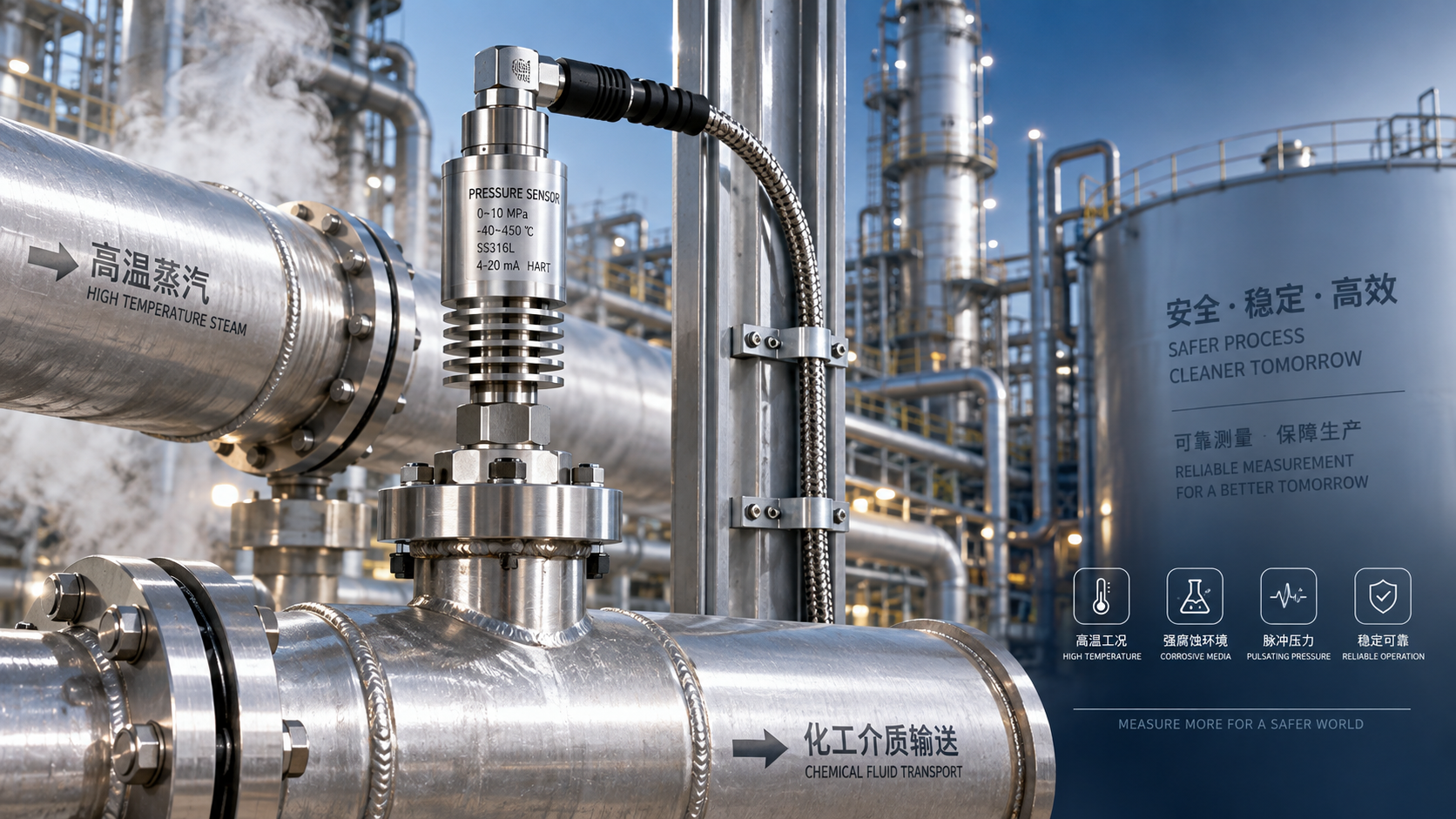
 Which parameters should be considered when selecting pressure sensors for high-temperature, corrosive, and pulsating operating conditions?
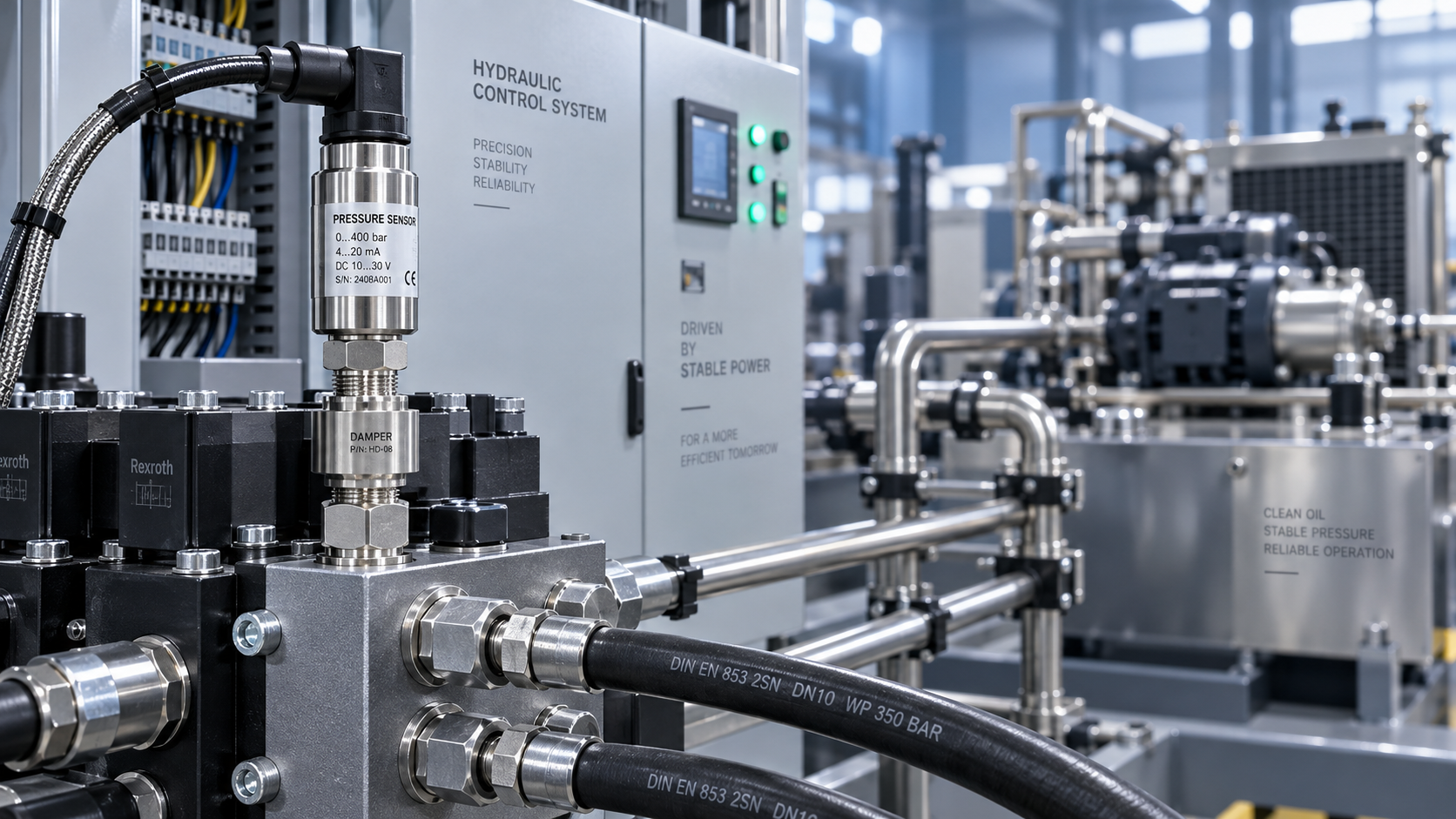
 Hydraulic equipment pressure fluctuates frequently. How can sensors be configured to improve control stability?