News Center
—— NEWS CENTER ——
Xi'an Shenghongchuang Instrument Co., Ltd.
Contact: Mr. Zhang
Mobile: 15529283736
Email: shc-sensor@qq.com
Address: Fortune Building, Sanqiao Street, Xixian New Area, Xi'an, Shaanxi Province
As a commercial evaluator, are you troubled by the complex parameter specifications when selecting the MH-MH310 pressure transmitter? This article focuses on the key purchasing points of the diffused silicon Hesmann pressure sensor, distilling the 7 core parameters of greatest concern in commercial decision-making to help you efficiently complete equipment selection and supplier evaluation.
I. Analysis of the Core Parameters of Pressure Transmitters
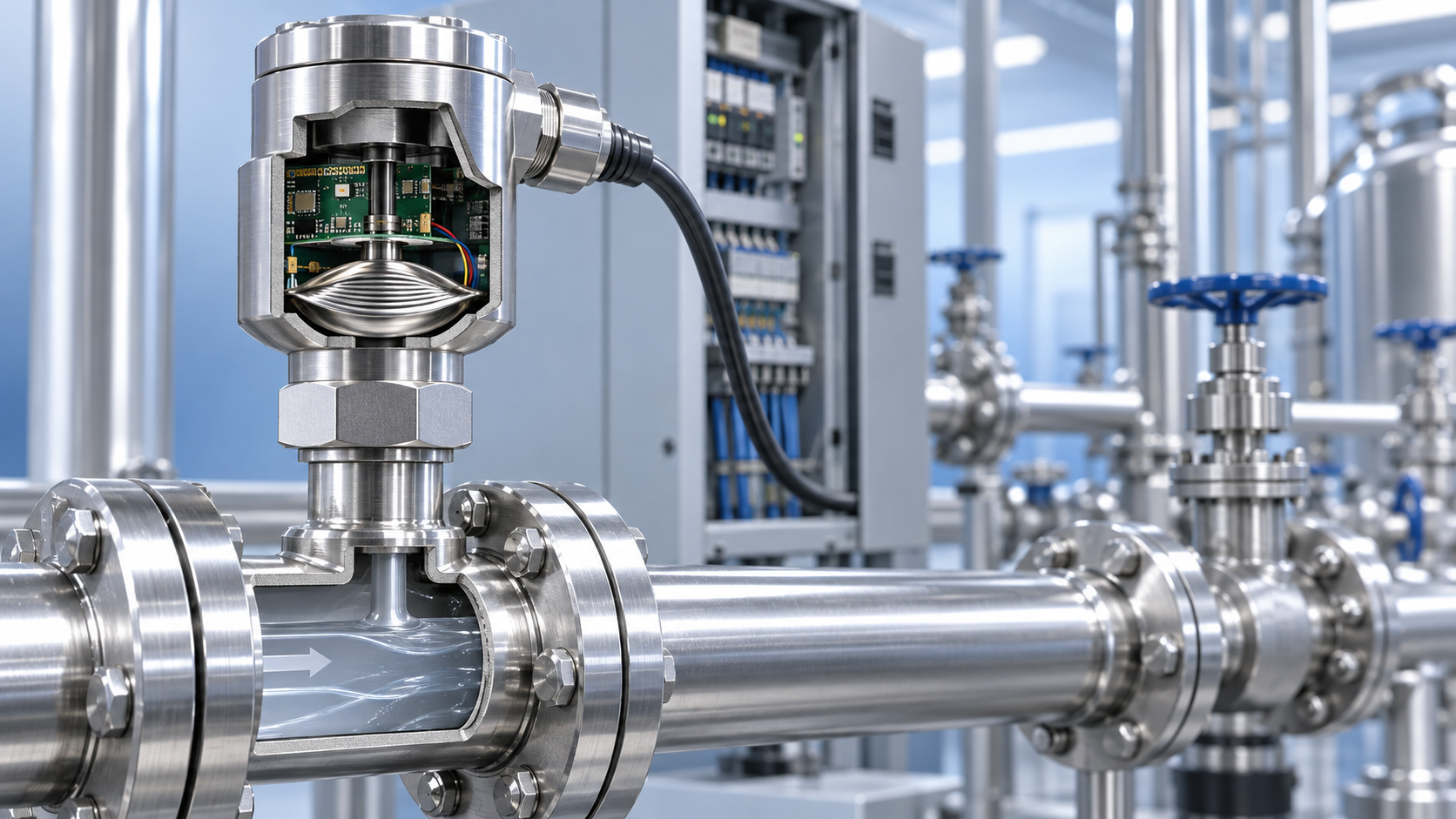
In the field of flow control equipment, the performance of pressure transmitters directly affects the stability and accuracy of system operation. As a typical diffused silicon Hesmann pressure sensor, the MH-MH310 requires focus on the following 7 parameters during procurement: measuring range, accuracy class, output signal type, media compatibility, environmental adaptability, certification standards, and long-term stability. These parameters not only determine whether the device can meet current operating condition requirements, but also relate to the life-cycle cost of the entire control system.
1. Measuring Range and Overload Capacity
During commercial evaluation, the first step is to confirm the pressure range of the measured medium. The typical range of the MH-MH310 covers 0~0.01MPa to 0~250MPa, and it should be noted that its overload pressure is 2 times full scale or 300MPa (whichever is smaller). Similar domestic industrial 2088 pressure transmitter CYYZ35 diffused silicon 2088 pressure sensor also adopts this safety design, which can effectively cope with pressure fluctuations in hydraulic systems. It is recommended to select a model whose upper range limit is 1.5 times higher than the actual maximum working pressure, which ensures measurement accuracy while extending sensor service life.
2. Accuracy Class and Temperature Effects
The accuracy of diffused silicon sensors is usually marked as Class 0.5 or Class 0.25, and this comprehensive error indicator includes factors such as nonlinearity, repeatability, and hysteresis. The temperature drift of the MH-MH310 in an environment of -20~85℃ is ≤±0.05%FS/℃, which is better than the industry average. High-temperature operating conditions such as petrochemicals require special attention to medium temperature parameters. For example, the -30~+85℃ medium tolerance range of the CYYZ35 model can meet most industrial scenarios.
II. Industry Applications and Selection Comparison
Different application scenarios have significantly different requirements for pressure transmitters. In building automation systems, more attention is paid to compact size and 4~20mA two-wire output; while power station inspection requires 316 stainless steel material that can withstand high temperature and high pressure. By comparing similar products such as HB-HB2126 and DYP-DYP418, it can be found that the MH-MH310 has obvious advantages in the rapid response of locomotive braking systems (rise time ≤5 milliseconds).
III. Hidden Cost Considerations in Procurement Decisions
Commercial evaluators often overlook certification standards and commissioning costs. Although the unit price of the MH-MH310 compliant with international certifications such as ISO9001 may be 5-8% higher, its traceable laser marking and pre-calibration functions can save more than 20% of installation and maintenance costs. As a high-tech enterprise, Xi'an Shenghongchuang Instrument Co., Ltd. provides diffused silicon sensors that have all passed rigorous aging tests, with annual stability reaching ±0.1%FS, greatly reducing subsequent calibration frequency.
IV. FAQ on Common Selection Misunderstandings
Q: How can the accuracy specifications claimed by the supplier be verified?A: Require a third-party test report, with focus on checking the comprehensive error within the temperature compensation range. For example, the Class 0.25 accuracy of the CYYZ35 model must be achieved within the 0~70℃ compensation range.
Q: How should three-wire and two-wire outputs be selected?A: Two-wire 4~20mA is more suitable for long-distance transmission, while three-wire 0~10VDC can provide higher signal resolution over short distances. The flexible configuration of the MH-MH310 can adapt to the needs of different control systems.
V. Why Choose Our Solution
Xi'an Shenghongchuang Instrument Co., Ltd. is rooted in the national high-tech development zone of Xixian New Area and has a complete diffused silicon sensor production line. From the MH-MH310 to domestic industrial 2088 pressure transmitter CYYZ35, we provide more than 30 range options and support customized commissioning services. All products undergo 72-hour aging tests before leaving the factory to ensure that delivery quality is fully consistent with rated parameters. Welcome to contact our technical team to obtain an exclusive selection solution.
Related Recommendations
![]() Southchip Technology Launches Its First Optical Sensor, the SC52115, for Wearable Devices
Southchip Technology Launches Its First Optical Sensor, the SC52115, for Wearable Devices How does a pressure sensor convert changes in applied force into usable electrical signals?
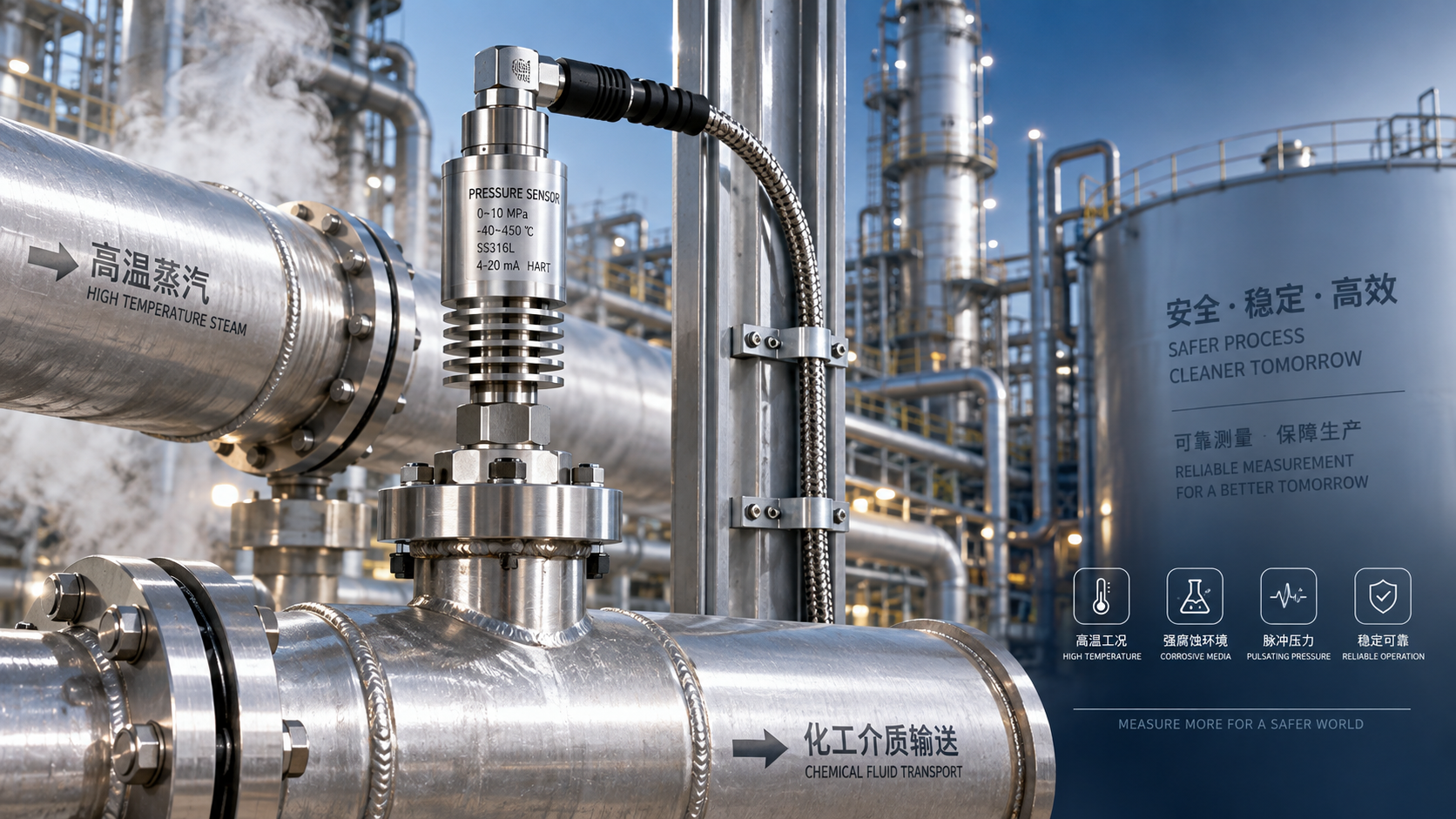
 Which parameters should be considered when selecting pressure sensors for high-temperature, corrosive, and pulsating operating conditions?
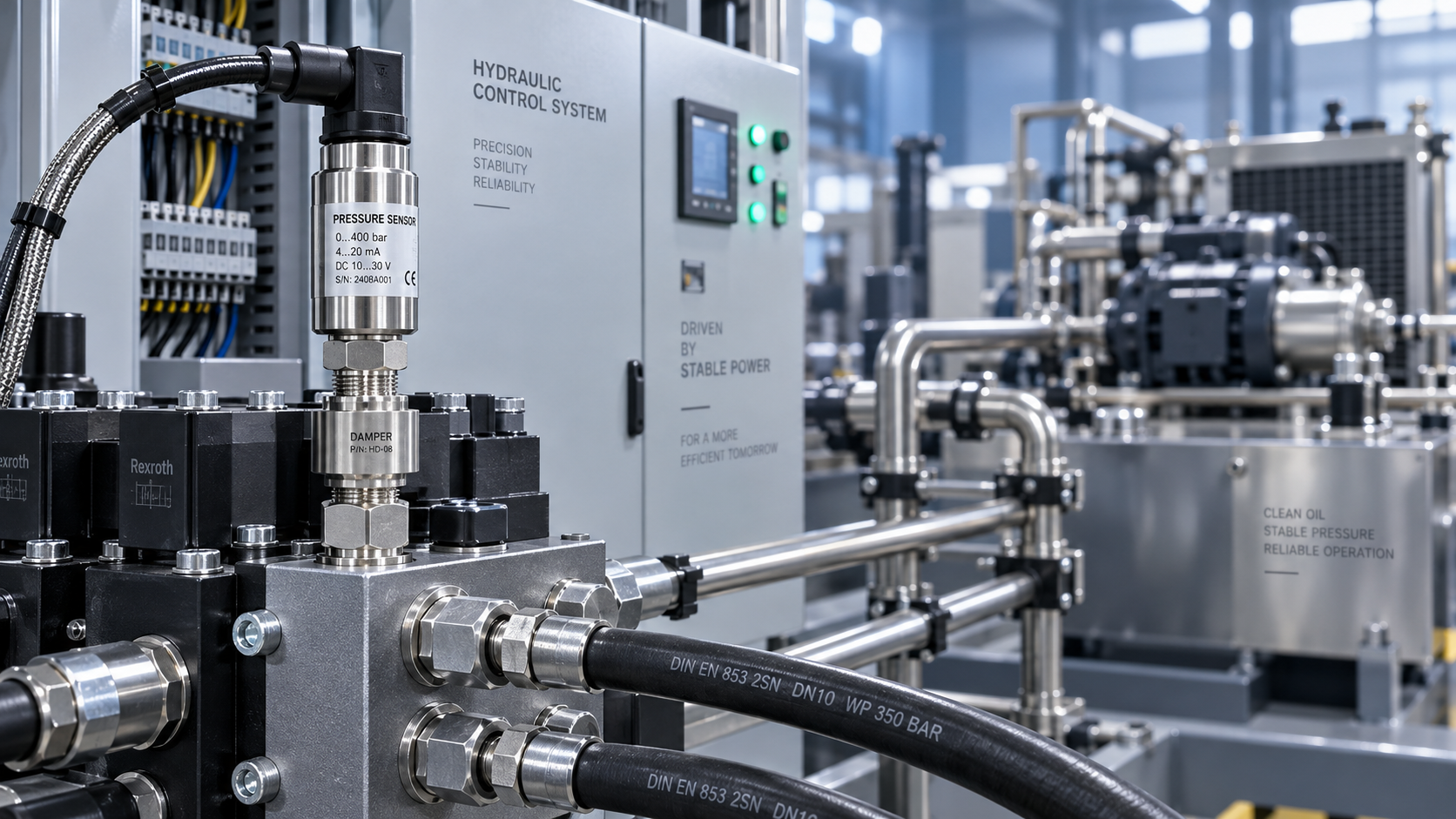
 Hydraulic equipment pressure fluctuates frequently. How can sensors be configured to improve control stability?