News Center
—— NEWS CENTER ——
Xi'an Shenghongchuang Instrument Co., Ltd.
Contact: Mr. Zhang
Mobile: 15529283736
Email: shc-sensor@qq.com
Address: Fortune Building, Sanqiao Street, Xixian New Area, Xi'an, Shaanxi Province
Analysis of Key Parameters in the KYB-C3 Pressure Transmitter Manual
As the core device of a diffused silicon liquid and gas pressure sensor,the key parameters in the manual of the KYB-C3 pressure transmitter directly affect system accuracy and stability。This article provides an in-depth analysis of professional indicators such as range,accuracy,and output signal,helping technical evaluators understand the selection essentials of same-series products such as MBS4701-060G5811 and CLG-D,and providing data support for the maintenance of models such as PX-BACHX。
I、Range Scope and Accuracy Class
Range parameters are the primary consideration in selecting the KYB-C3 pressure transmitter。The typical range of diffused silicon liquid and gas pressure sensors covers 0-0.2kPa to 10MPa,among which the FST800-211P341I-10B model is specially designed for low-pressure calibration scenarios,while FST800-211P341I-400B is suitable for high-pressure operating conditions。Technical evaluation should focus on three points:
1. Basic range matching:The KYB-C3 series offers 6 standard range segments。It is recommended to select a model whose operating pressure is between 30%-80% of the range,for example,the 0-6kPa range of the MBS4701-060G5811 pressure transmitter is especially suitable for micro-pressure gas monitoring。
2. Turndown ratio optimization:Modern sensors such as the domestic capacitive pressure transmitter MDM3051DP have achieved a 40:1 turndown ratio,and their digital compensation technology can ensure ±0.05% accuracy within the 10:1 to 40:1 range,which is highly consistent with the parameter design philosophy of the KYB-C3 diffused silicon sensor。
3. Temperature compensation accuracy:Diffused silicon sensors are easily affected by temperature。KYB-C3 adopts a dual compensation mechanism within the -40~100℃ range,controlling zero error within ±0.25%/55℃(range 4-8)。Similarly,the AST-I0 pressure transmitter further improves temperature stability through a Monel alloy diaphragm。
II、Output Signal and Protocol Compatibility
The signal output mode of a pressure transmitter is directly related to the degree of system integration。Both the KYB-C3 series and the PX-BACHX pressure transmitter support the following modes:
It is particularly worth noting that the KYB-C1 pressure transmitter installation manual emphasizes:when the load resistance is Rmax=(E-10.5)/0.0236Ω,it must be used together with a safety barrier to meet the Exd Ⅱ CT6 explosion-proof requirements,which is highly consistent with the flameproof design parameters of MDM3051DP。
III、Environmental Adaptability and Maintenance Essentials
The long-term stability of diffused silicon sensors depends on correct use and maintenance:
1. Media compatibility:The KYB-C3 pressure transmitter manual clearly requires that corrosive media use a Hastelloy C diaphragm。In practical applications,the performance of FST800-211P341I-400B in the petrochemical industry has proven that fluororubber seals can withstand liquid corrosion with pH2-12。
2. Vibration protection:Test data for the MPM480E22B1C1A model shows that the error is only ±0.05%/g in a 200Hz vibration environment。KYB-C3 adopts a similar structure without mechanical transmission,combined with polyester epoxy resin encapsulation,delivering excellent performance in high-vibration scenarios in the metallurgical industry。
3. Calibration cycle:According to IEC standards,diffused silicon sensors should undergo zero calibration every 6 months。Laboratory data for FST800-211P341I-10B shows that its long-term stability error can be controlled within ±0.15%,but in actual use,it is recommended to implement predictive maintenance in conjunction with the self-diagnostic function of the domestic capacitive pressure transmitter MDM3051DP。
IV、Customized Development Guidelines
For customized KYB-C3 pressure transmitters for special operating conditions,attention should be paid to:
1. Interface adaptation:1/4-18NPT and M20×1.5 threads are standard configurations,but as shown by the AST-I0 pressure transmitter types,special flange connections(center distance 54mm±3mm)are often required in the nuclear power sector。
2. Material upgrade:For high-temperature environments in the power industry,the 0Cr17Ni4CuNb diaphragm of MDM3051DP is recommended,as its temperature resistance is 40% higher than that of standard 316 stainless steel。
3. Function expansion:The remote signal module of the PX-BACHX pressure transmitter proves that adding 4G wireless transmission can extend the monitoring distance to 5 kilometers,and there have already been successful cases in oilfield pipeline monitoring。
Summary and Selection Recommendations
By analyzing the key parameters in the KYB-C3 pressure transmitter manual,technical evaluators should establish a systematic selection logic:first determine the range according to the medium pressure(refer to MBS4701-060G5811 maintenance data),then match the output signal type(such as the alarm control requirements of CLG-D),and finally evaluate environmental adaptability(using application cases of the FST800 series as reference)。For scenarios requiring higher accuracy and intelligence,comparative testing of performance differences between diffused silicon sensors and capacitive pressure transmitters is recommended。
Contact our technical team now to obtain a detailed comparative test report on KYB-C3 pressure transmitter and MDM3051DP,and match your project with the optimal sensor solution。
Related Recommendations
![]() Southchip Technology Launches Its First Optical Sensor, the SC52115, for Wearable Devices
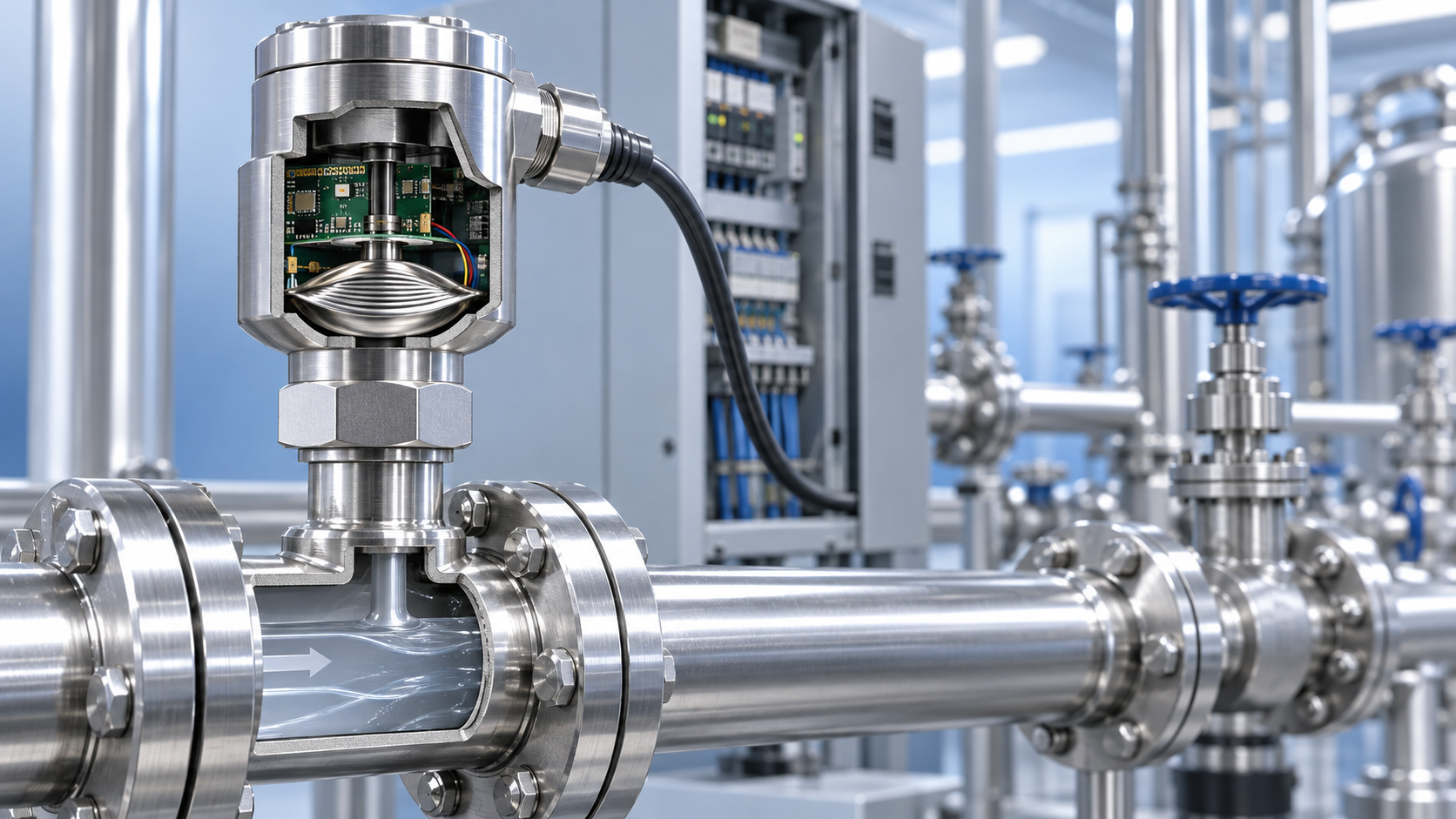
Southchip Technology Launches Its First Optical Sensor, the SC52115, for Wearable Devices How does a pressure sensor convert changes in applied force into usable electrical signals?
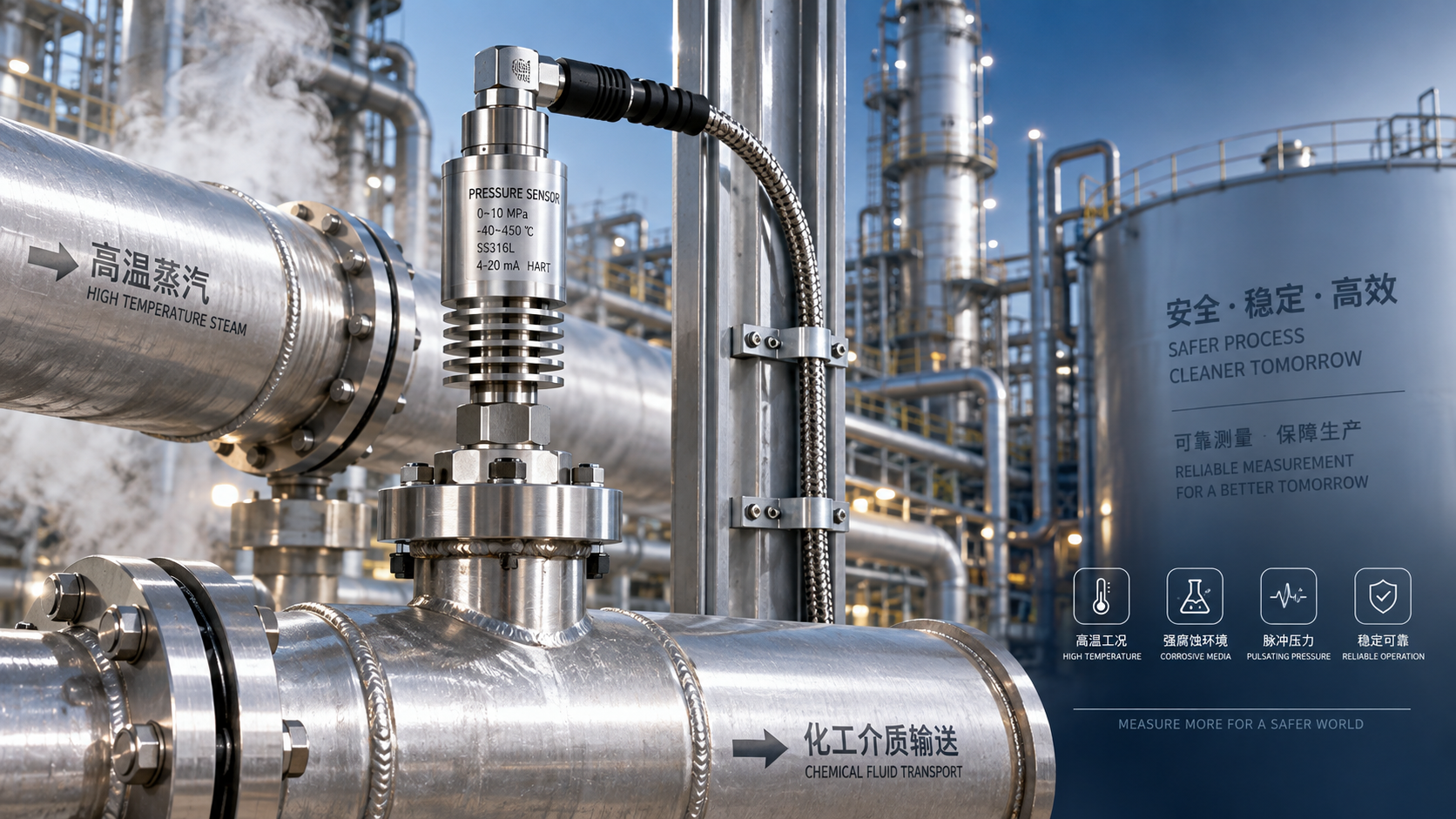
 Which parameters should be considered when selecting pressure sensors for high-temperature, corrosive, and pulsating operating conditions?
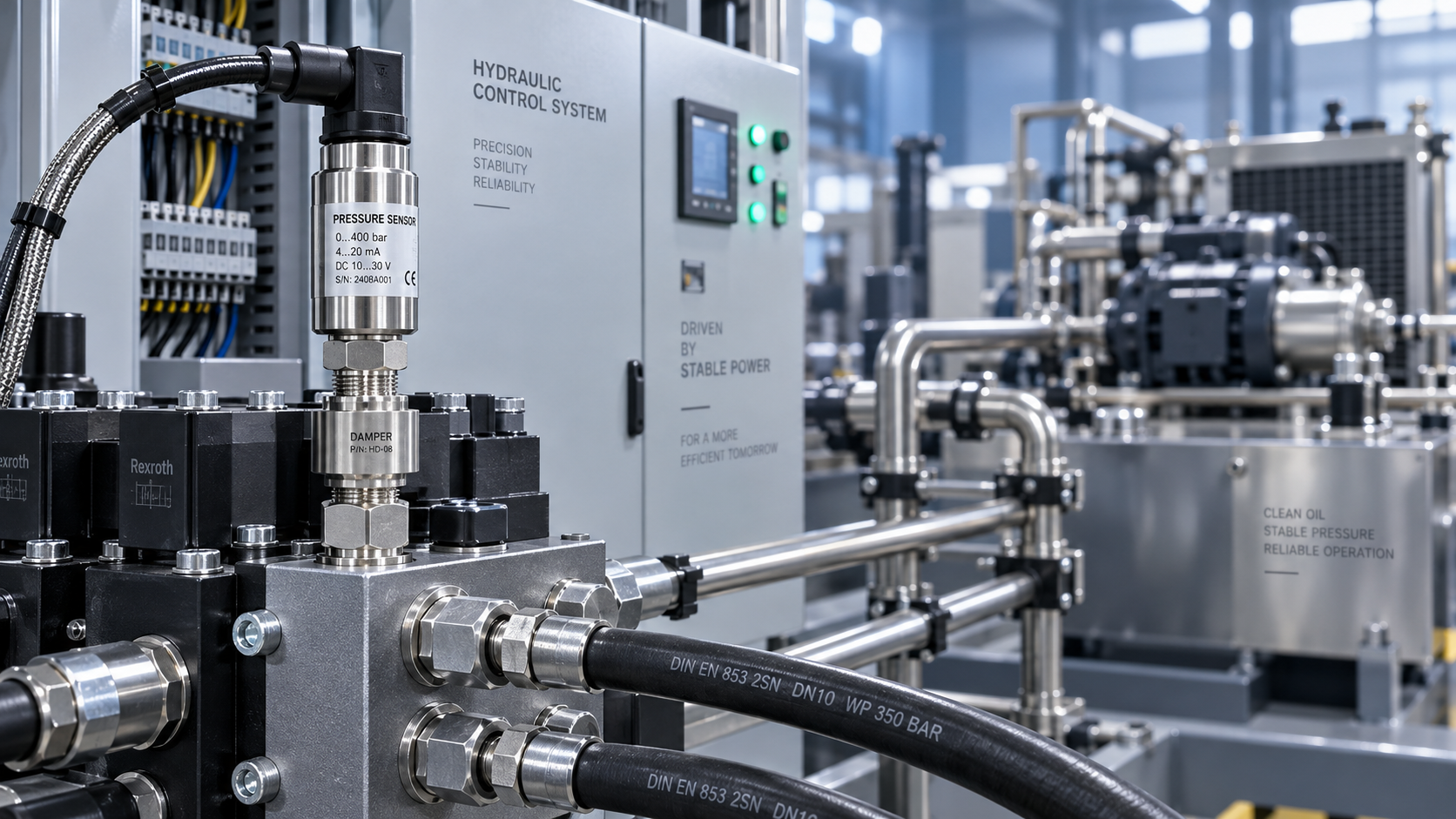
 Hydraulic equipment pressure fluctuates frequently. How can sensors be configured to improve control stability?