News Center
—— NEWS CENTER ——
Xi'an Shenghongchuang Instrument Co., Ltd.
Contact: Mr. Zhang
Mobile: 15529283736
Email: shc-sensor@qq.com
Address: Fortune Building, Sanqiao Street, Xixian New Area, Xi'an, Shaanxi Province
JWP-801D Straight Rod Insertion Type Level Transmitter Installation Guide: 3 Steps to Achieve Accurate Measurement
As an industrial-grade precision measurement device, the installation process of the JWP-801D straight rod insertion type level transmitter directly affects measurement accuracy. This article presents 3 core operating steps to help operators quickly master the correct installation techniques for stainless steel level sensors such as MIDA-DG-21/DBS502/LC-502, ensuring stable and reliable data acquisition in applications such as chemical processing and water treatment.
Step 1: Preparation Before Installation
Before installing the JWP-801D straight rod insertion type level transmitter, thorough preparation must be completed. First, check whether the equipment packaging is intact and confirm that the model is JWP-801D to avoid confusion with other models such as BLH802 or HPT-36. Second, prepare the tools required for installation, including a wrench, screwdriver, sealant, etc. Finally, ensure that the installation environment meets the requirements, and avoid installation in high-temperature, high-humidity, or highly corrosive environments.
In addition, check whether the pipeline or container at the installation location meets the standard requirements. The JWP-801D straight rod insertion type level transmitter is suitable for a variety of media, including water, oil, chemicals, etc., but the installation requirements may vary depending on the medium. For example, for corrosive media, it is recommended to use stainless steel sensors such as MIDA-DG-21 or LC-502 to ensure the long-term stability of the equipment.
Step 2: Key Operations During Installation
When installing the JWP-801D straight rod insertion type level transmitter, special attention should be paid to the following key operations. First, insert the sensor into the pipeline or container, ensuring that the insertion depth meets the design requirements. If the insertion is too shallow, inaccurate measurement may result; if it is too deep, the sensor may be damaged. Second, use a wrench to tighten the mounting bolts to ensure the sensor is firmly fixed and to prevent loosening caused by vibration or pressure changes.
Next, connect the power supply and signal wires. The JWP-801D straight rod insertion type level transmitter typically uses a 4-20mA signal output, so correct wiring must be ensured to avoid short circuits or reverse connections. For models such as DBS502 or HD502, attention should also be paid to shielding the signal wires to reduce electromagnetic interference. Finally, carry out sealing treatment, using sealant or gaskets to ensure there is no leakage at the connection point, especially in high-pressure or high-temperature environments.
Step 3: Commissioning and Calibration After Installation
After installation is completed, the JWP-801D straight rod insertion type level transmitter must be commissioned and calibrated to ensure measurement accuracy. First, power on the device and check whether it is operating normally, observing whether there is any abnormality in the indicator light or display screen. Second, use a standard liquid level for calibration, adjust the zero point and full scale, and ensure that the output signal is consistent with the actual liquid level.
For models such as PN-LR or MB261, temperature compensation calibration may also be required, especially in environments with large temperature differences. After calibration is completed, conduct multiple tests to confirm the stability and repeatability of the device under different liquid levels. If any abnormality is found, check whether the installation is correct or contact the manufacturer's technical support.
Common Problems and Solutions
In actual use, the JWP-801D straight rod insertion type level transmitter may encounter some common problems. For example, unstable signal output may be caused by poor wiring or electromagnetic interference, and the wiring and shielding measures should be checked. Excessive measurement error may be caused by inaccurate calibration or sensor damage, requiring recalibration or sensor replacement.
For models such as LDUSC or HPT-36, attention should also be paid to the influence of the viscosity and density of the medium on measurement. High-viscosity media may cause delayed sensor response, requiring selection of a suitable sensor model or adjustment of the installation position. In addition, regular maintenance and cleaning of the sensor to prevent scaling or blockage are also key to ensuring long-term stable operation.
Summary and Call to Action
Although the installation process of the JWP-801D straight rod insertion type level transmitter is simple, every step is crucial. Through correct installation, commissioning, and maintenance, accurate measurement can be ensured in applications such as chemical processing and water treatment. As a professional high-tech enterprise, Xi'an Shenghongchuang Instrumentation Co., Ltd. provides a variety of stainless steel level sensor models, including MIDA-DG-21, DBS502, LC-502, etc., to meet the needs of different industries.
If you have any questions about the installation or use of the JWP-801D straight rod insertion type level transmitter, please feel free to contact us. Our professional technical team will provide you with detailed solutions and support to ensure your equipment operates stably and reliably. Contact us now to learn more product information and industry application cases.
Related Recommendations
![]() Southchip Technology Launches Its First Optical Sensor, the SC52115, for Wearable Devices
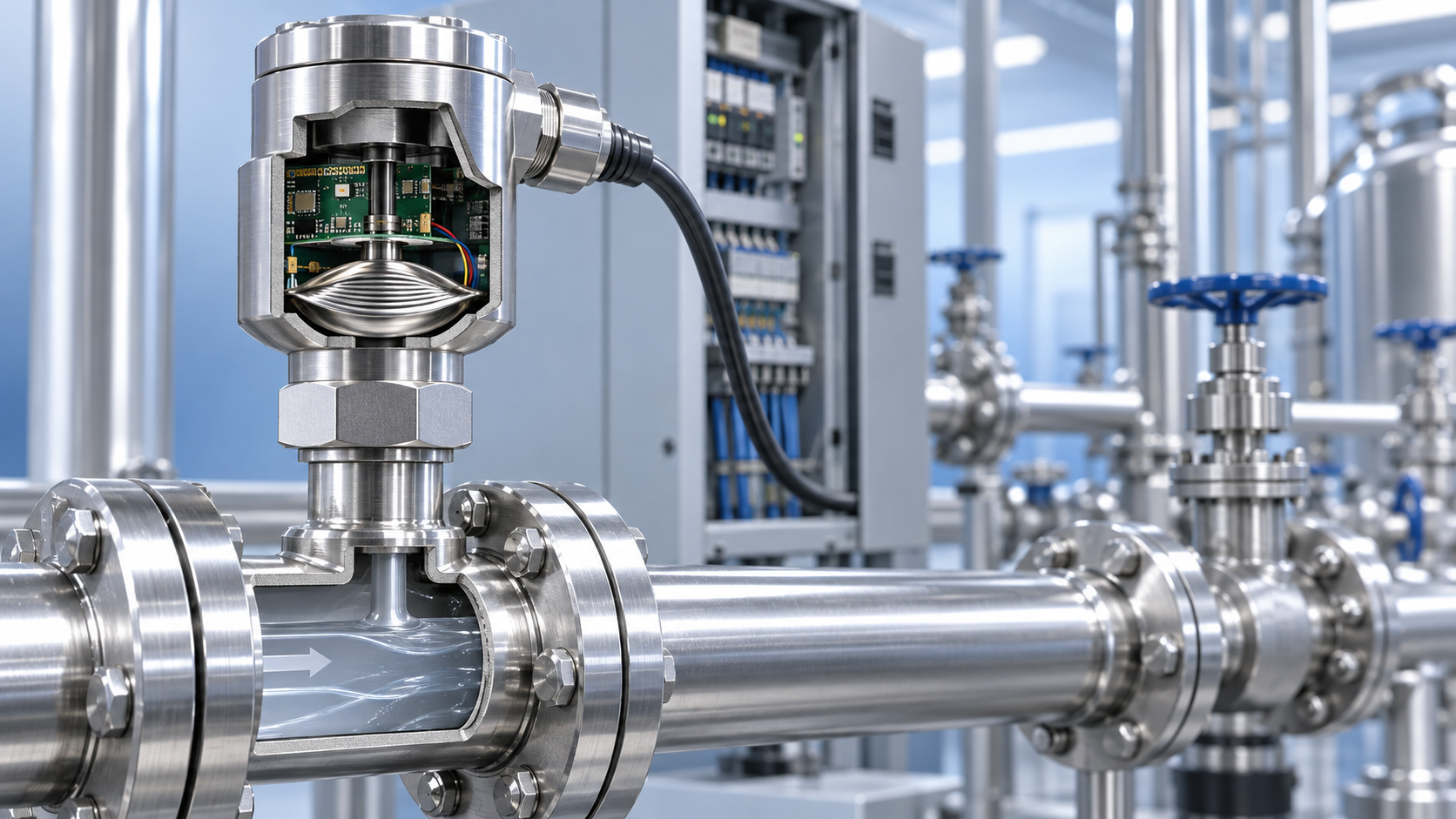
Southchip Technology Launches Its First Optical Sensor, the SC52115, for Wearable Devices How does a pressure sensor convert changes in applied force into usable electrical signals?
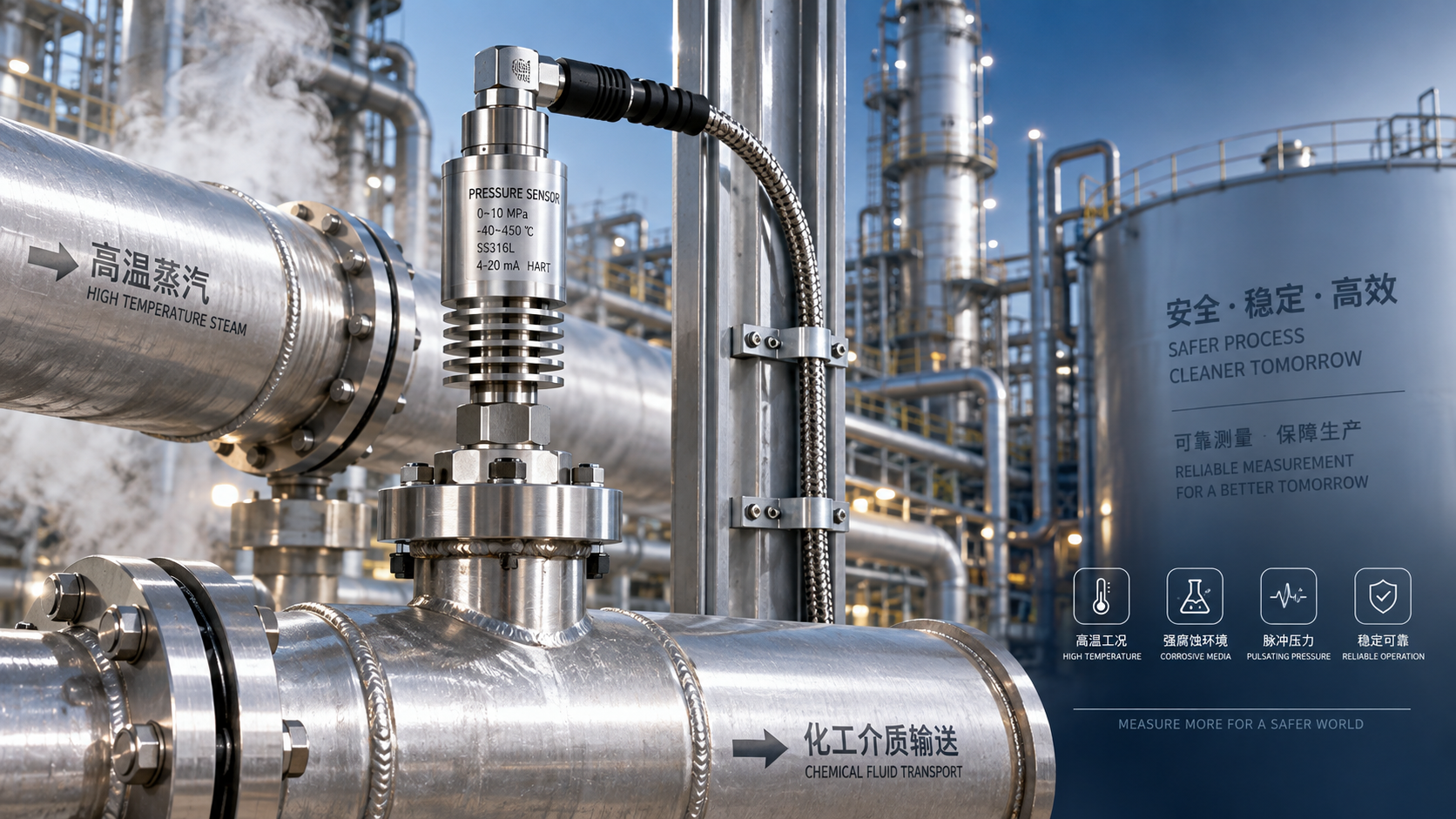
 Which parameters should be considered when selecting pressure sensors for high-temperature, corrosive, and pulsating operating conditions?
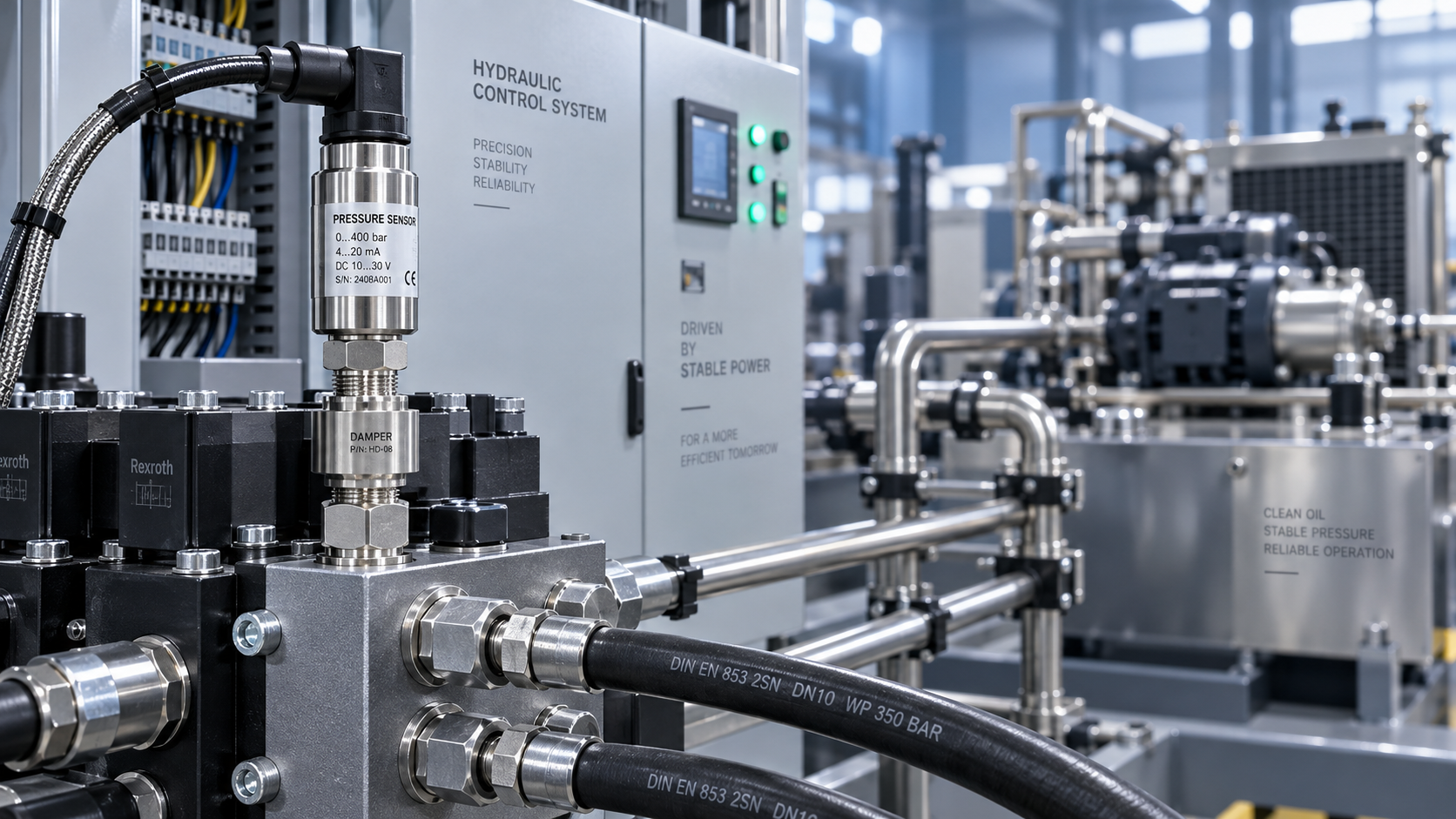
 Hydraulic equipment pressure fluctuates frequently. How can sensors be configured to improve control stability?