News Center
—— NEWS CENTER ——
Xi'an Shenghongchuang Instrument Co., Ltd.
Contact: Mr. Zhang
Mobile: 15529283736
Email: shc-sensor@qq.com
Address: Fortune Building, Sanqiao Street, Xixian New Area, Xi'an, Shaanxi Province
In the field of industrial flow measurement, the JCLDBE electromagnetic flowmeter has become the first choice for many technical evaluators thanks to its insertion design and advantages such as the PTFE lining. This article will provide an in-depth analysis of the installation key points of insertion electromagnetic flowmeters (such as models LY-LDE-C, UHLDB, etc.), revealing why this structure can significantly reduce maintenance costs and improve measurement accuracy, helping you choose the most suitable liquid flow sensor solution.
Structural advantages of insertion electromagnetic flowmeters
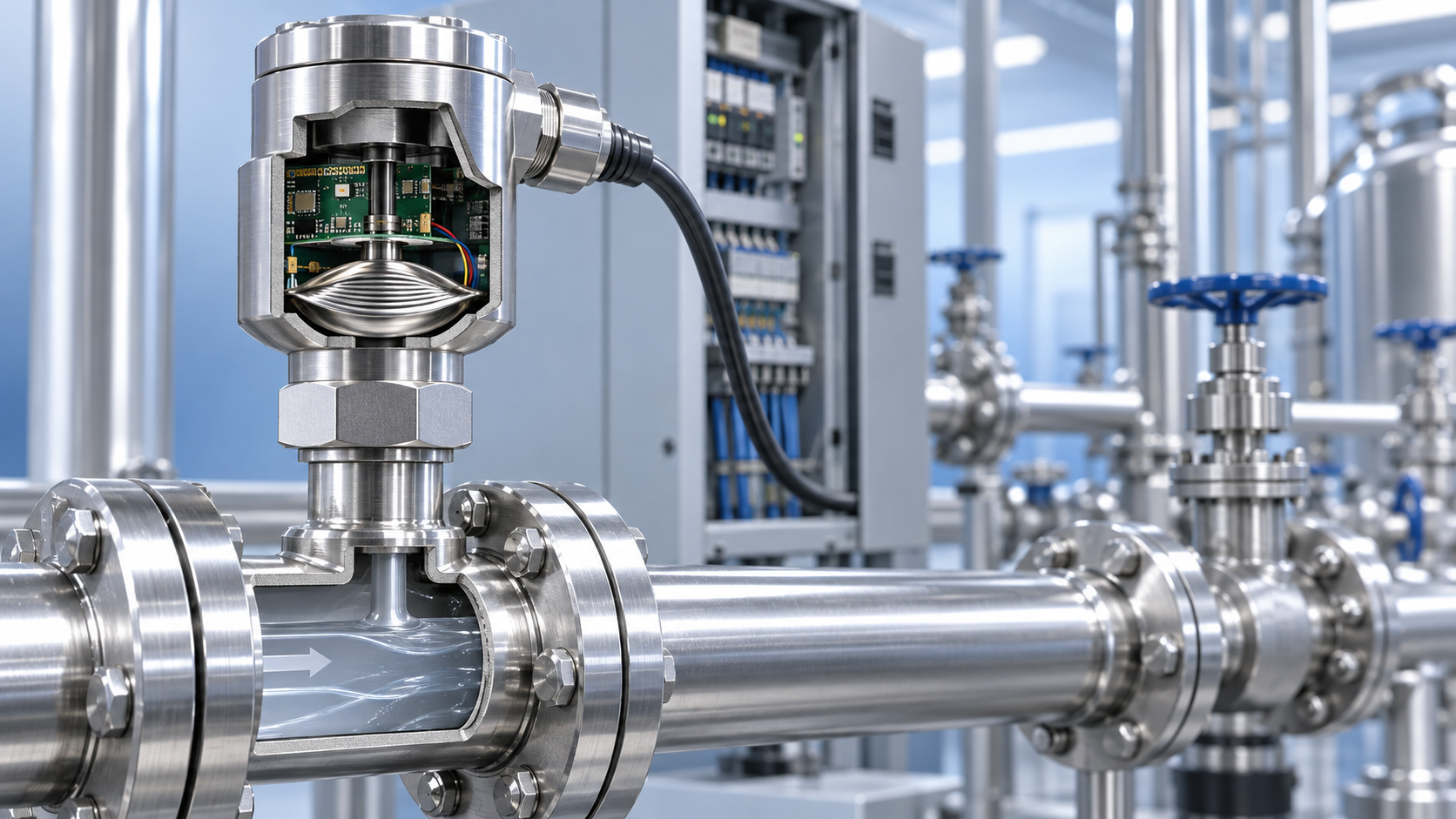
Insertion electromagnetic flowmeters (such as models JCLDBE, LY-LDE-C, etc.) adopt a unique probe-type design, directly inserting the measuring electrodes into the interior of the pipeline. Compared with traditional inline flowmeters, this structure offers significant advantages:
- Ease of installation: No need to cut off the pipeline or shut down the system; installation can be completed through a standard flange or threaded connection, making it especially suitable for retrofit projects
- Cost efficiency: Saves more than 90% of installation material costs, and during maintenance only the probe section needs to be removed, greatly reducing downtime losses
- Material adaptability: The PTFE lining design can withstand strong acid and strong alkali media (PH value 0-14), with a working temperature range of -40℃~180℃
Taking the UHLDB model as an example, its adjustable insertion depth design (±10mm) can meet different pipe diameter requirements. Combined with a patented flow field compensation algorithm, the measurement accuracy can reach ±0.5%FS, fully meeting ISO 9104 standard requirements.
The key role of PTFE lining
In electromagnetic flowmeters such as LY-LDE-WS and HPLDE, the selection of PTFE lining material directly affects equipment life and measurement stability:
Xi'an Shenghongchuang's RT-LDE model adopts a double-layer PTFE lining structure, and after 5000 pressure cycle tests (0-2.5MPa), it still maintains complete sealing integrity. This design has been certified by a CNAS laboratory.
Technical key points during installation
To ensure that insertion flowmeters such as XFE and XFC deliver optimal performance, special attention should be paid to the following installation specifications:
- Electrode orientation: When installed on a horizontal pipeline, the electrode axis should form an angle of ±45° with the vertical direction to avoid bubble accumulation
- Straight pipe section requirement: At least 10D upstream and 5D downstream straight pipe sections are required (D is the pipe diameter). If a flow field optimizer of model RXLDB is used, this can be shortened to 5D/3D
- Grounding protection: When the medium conductivity is <5μS/cm, a dedicated grounding ring of model HKE must be configured to prevent electrostatic interference
Actual cases show that when a petrochemical enterprise used the JCLDBE model to retrofit its existing system, failure to comply with the straight pipe section requirements resulted in a measurement deviation of up to 15%. After adjustment, the error was reduced to 0.8%, fully proving the importance of standardized installation.
Comparative analysis of maintenance costs
Compared with traditional inline electromagnetic flowmeters, the insertion design has overwhelming advantages in life cycle cost:
- Initial investment: Saves 60-75% of procurement costs, especially more evident in large-diameter (above DN300) applications
- Maintenance time: Replacing the probe only takes 2-4 hours, while disassembling an inline type takes an average of 8-16 hours
- Spare parts inventory: Universal probes can adapt to multiple pipe diameters, reducing spare part categories and inventory pressure
According to calculations based on the ISO 15663 standard, using the LY-LDE-C model in a DN400 water supply network can reduce the total 10-year cost by 420,000 yuan/km compared with the inline type, with an investment payback period of <1.5 years.
Typical troubleshooting guide
Professional solutions are provided for common issues with models such as RXLDB and HKE:
Xi'an Shenghongchuang provides a 3-year warranty for all HPLDE series products and is equipped with a remote diagnostic system that can predict more than 90% of potential faults in advance.
Analysis of industry application scenarios
Different models of insertion electromagnetic flowmeters demonstrate excellent performance in specific fields:
- Chemical industry: The combination of Hastelloy electrodes + PTFE lining in the XFC model can measure highly corrosive media such as 98% concentrated sulfuric acid
- Municipal water supply: The IP68 protection rating and lightning protection design of LY-LDE-WS make it suitable for harsh underground well environments
- Food and pharmaceutical
Hygienic grade 316L electrodes, surface roughness Ra≤0.4μm Compliant with FDA 21 CFR 177.2600 standard Mining and metallurgy Wear-resistant tungsten carbide electrodes, lining thickness 6mm Slurry measurement service life increased by 3-5 times After a large brewery replaced traditional turbine flowmeters with the RT-LDE model, the CIP cleaning cycle was extended from 2 weeks to 8 weeks, saving more than 800,000 yuan in annual maintenance costs.
Summary and professional recommendations
Insertion electromagnetic flowmeters (such as models JCLDBE and UHLDB) establish significant advantages in measurement accuracy, installation convenience, and life cycle cost through innovative structural design and material selection. For technical evaluators, we recommend:
- Give priority to selecting lining materials based on medium characteristics; for corrosive media, PTFE lining must be used
- Determine the probe insertion depth according to pipe diameter and flow velocity range, and carry out flow field simulation verification when necessary
- Establish a preventive maintenance plan and regularly inspect electrode status and the grounding system
As a national high-tech enterprise, Xi'an Shenghongchuang Instrumentation Co., Ltd. has 20 years of R&D experience in flow measurement equipment, and all products have passed CE and SIL certification. Our engineering team can provide full-process technical support from model selection guidance to installation and commissioning. Contact us now to obtain a customized solution and let professional flow measurement safeguard your production efficiency.
Related Recommendations
![]() Southchip Technology Launches Its First Optical Sensor, the SC52115, for Wearable Devices
Southchip Technology Launches Its First Optical Sensor, the SC52115, for Wearable Devices How does a pressure sensor convert changes in applied force into usable electrical signals?
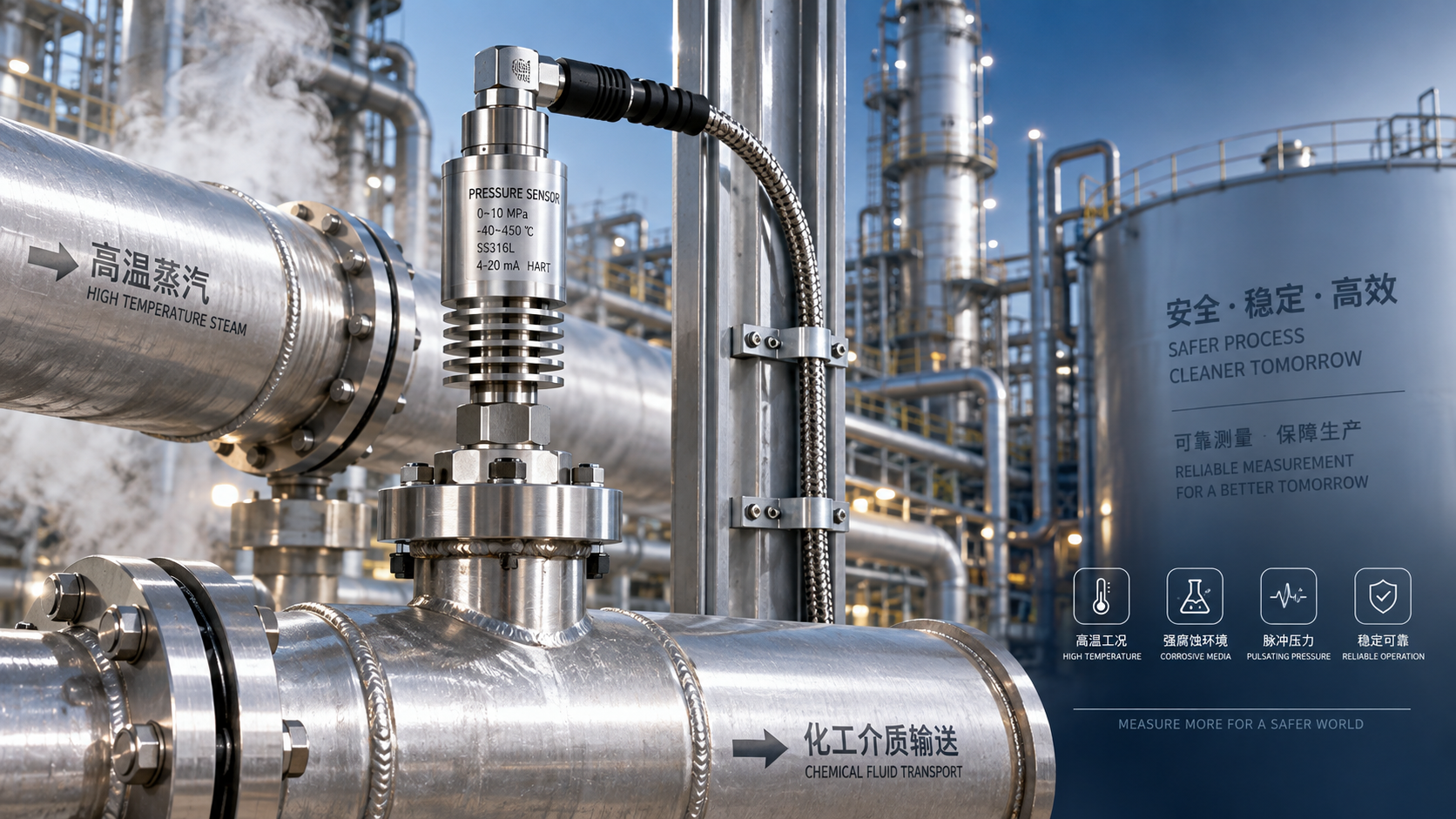
 Which parameters should be considered when selecting pressure sensors for high-temperature, corrosive, and pulsating operating conditions?
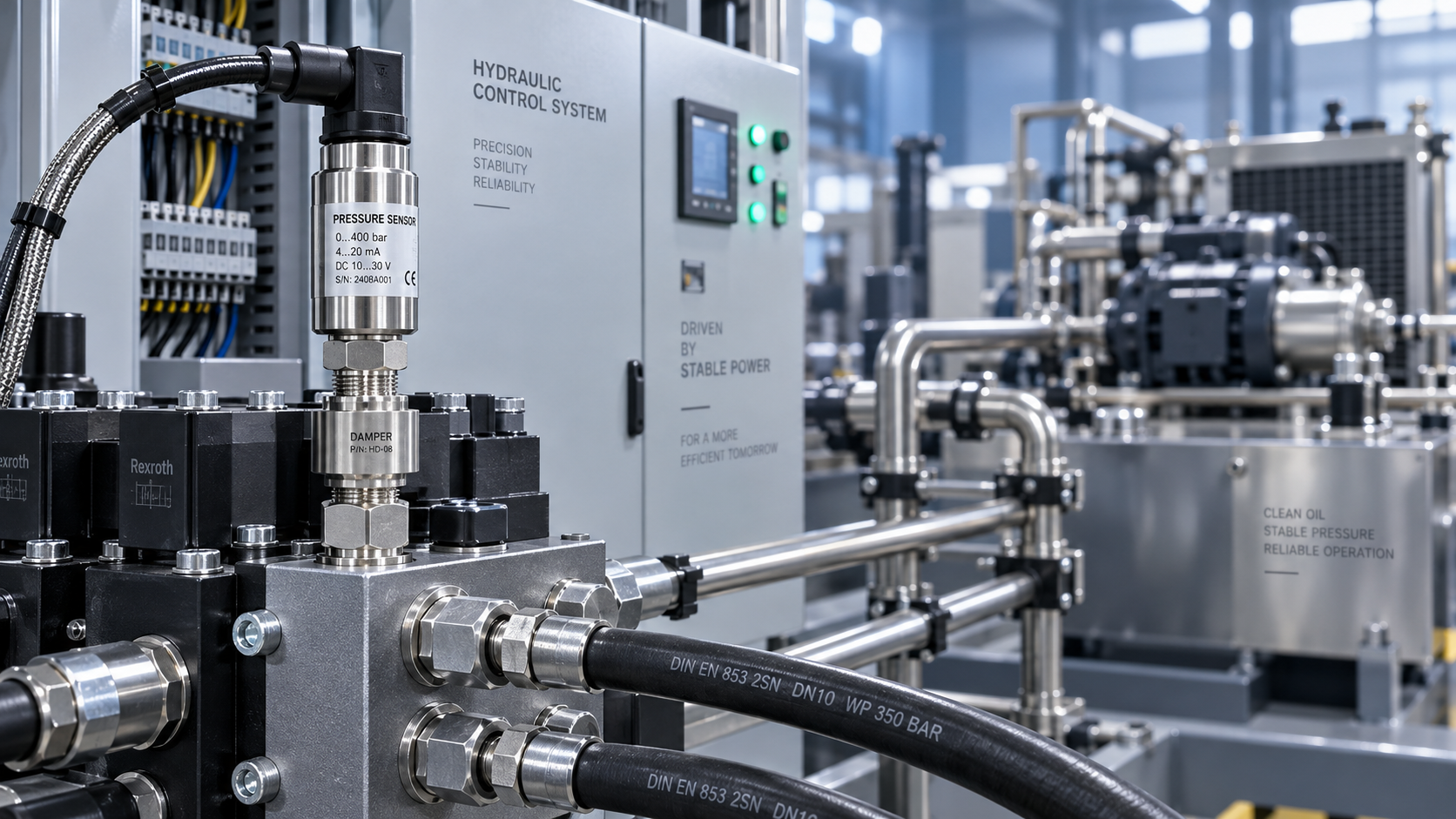
 Hydraulic equipment pressure fluctuates frequently. How can sensors be configured to improve control stability?