News Center
—— NEWS CENTER ——
Xi'an Shenghongchuang Instrument Co., Ltd.
Contact: Mr. Zhang
Mobile: 15529283736
Email: shc-sensor@qq.com
Address: Fortune Building, Sanqiao Street, Xixian New Area, Xi'an, Shaanxi Province
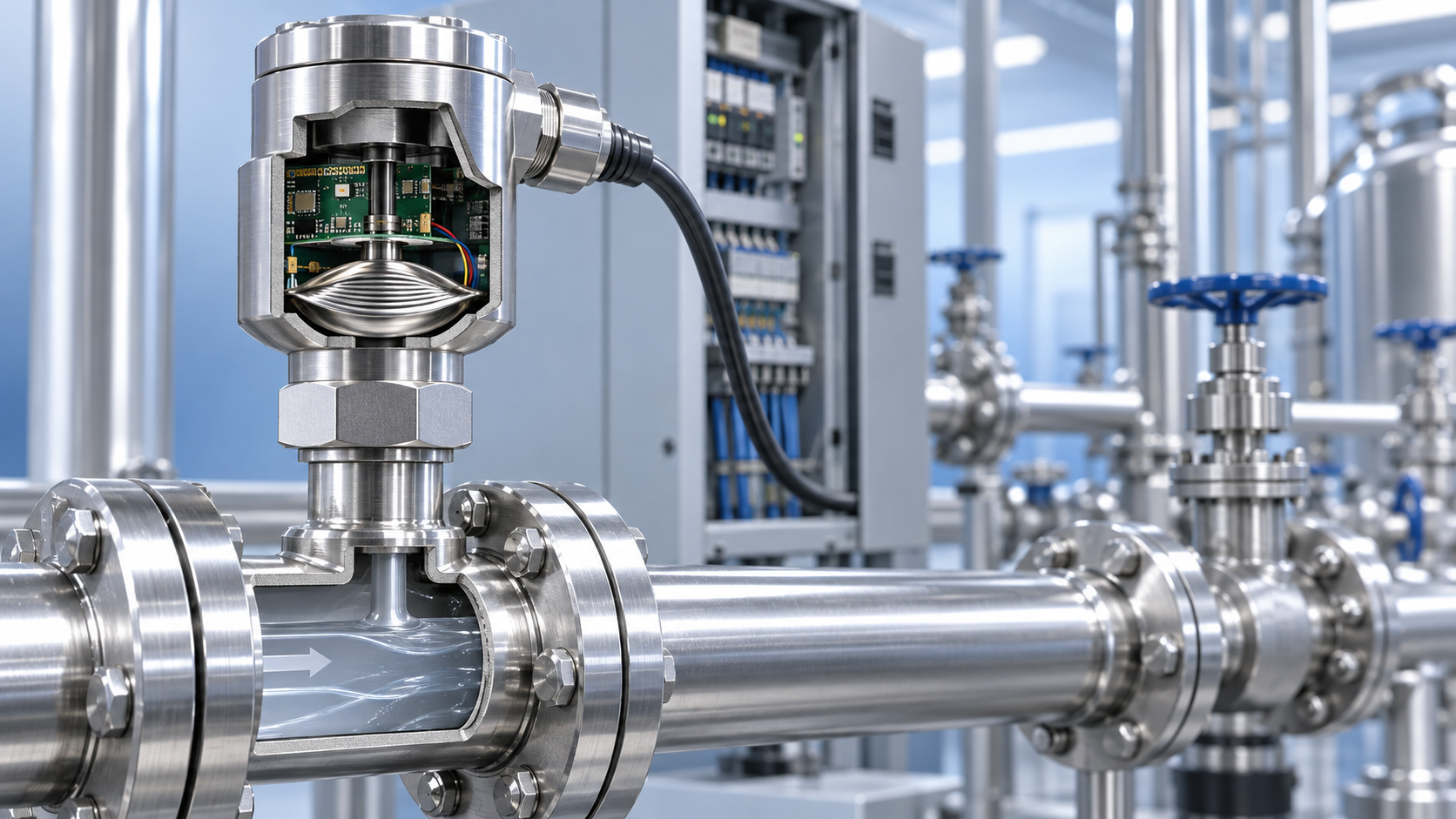
In the selection of key equipment for accurately measuring liquid level under high-temperature operating conditions, the 3 key parameters of the HD504 high-temperature pressure-guided level transmitter directly affect measurement accuracy and equipment service life. As a professional manufacturer of flow control equipment, Xi'an Shenghongchuang Instrument Co., Ltd. provides an in-depth analysis of 3 core indicators: temperature adaptability, pressure-guiding structural design, and material corrosion resistance, helping technical evaluators avoid selection pitfalls.
I. Definition and Core Value of High-Temperature Pressure-Guided Level Transmitters
A high-temperature pressure-guided level transmitter is a precision instrument that converts the liquid level signal of high-temperature media into a standard electrical signal through the pressure-guiding principle. Its core value lies in solving problems such as signal drift and seal failure that occur in traditional liquid level measurement equipment under operating conditions above 300℃. Taking the HD504 model as an example, it adopts a stainless steel cable-cylinder structure combined with patented pressure-guiding technology, enabling stable application in ultra-high-temperature water level measurement scenarios such as petrochemical plants and power station boilers. The engineering team at Xi'an Shenghongchuang Instrument Co., Ltd. found that more than 78% of selection errors stem from neglecting the coefficient of thermal expansion of materials under temperature gradient changes.
II. 3 Key Parameters That Must Be Considered in Selection
1. Temperature Adaptability: From Static Indicators to Dynamic Response
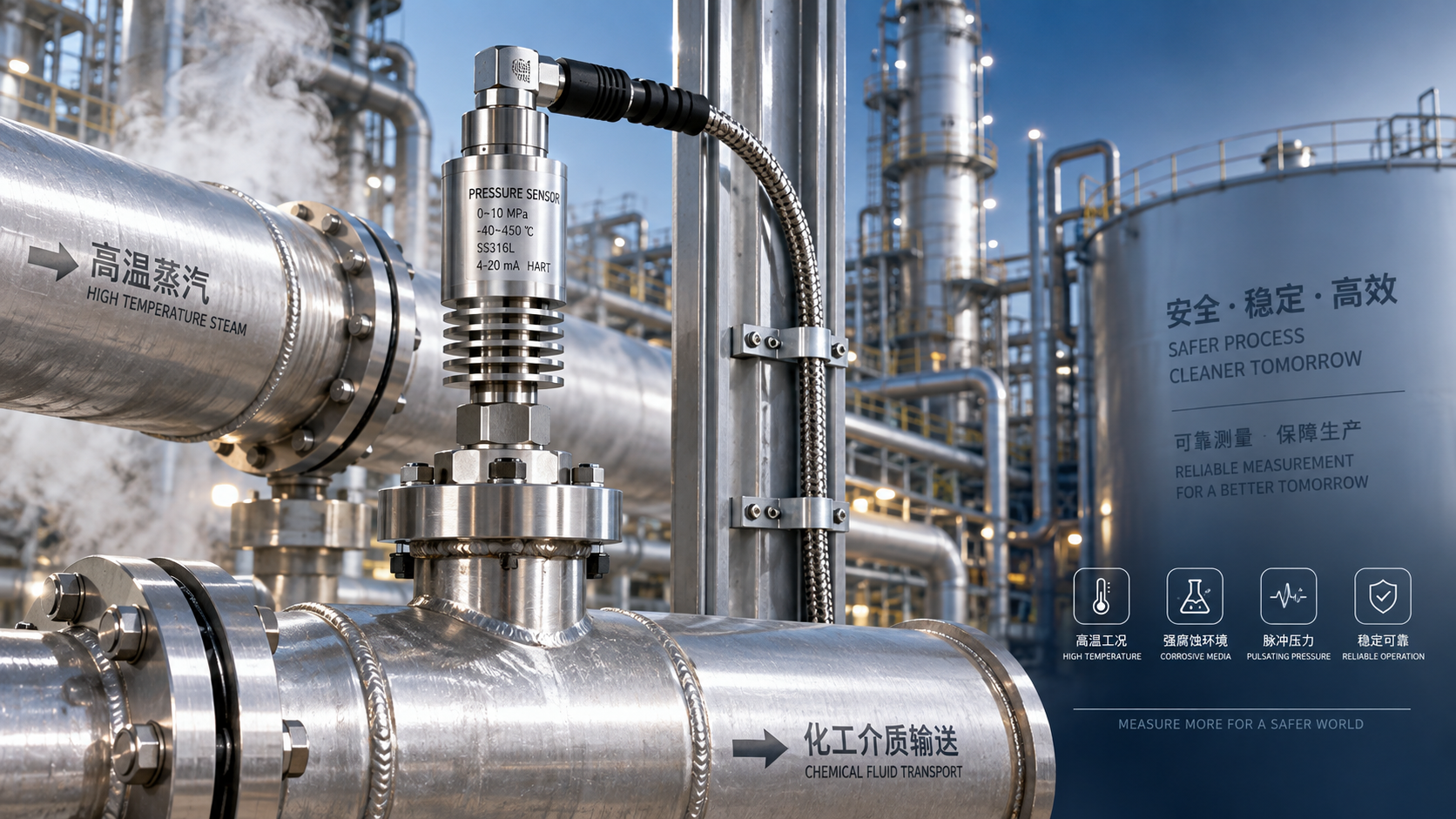
A common mistake made by technical evaluators is focusing only on the nominal temperature range (such as HD504's -20~450℃) while overlooking the response characteristics under sudden temperature change conditions. In actual applications, when the medium temperature rises from 150℃ to 400℃ within 10 minutes, the silicone oil fill fluid in ordinary transmitters will cause pressure transmission distortion due to thermal expansion and contraction. Comparative tests show that the HD504 transmitter using special fluorinated oil can still maintain ±0.25%FS accuracy under such conditions, far exceeding the industry average.
2. Pressure-Guiding Structural Design: The Golden Ratio Between Capillary Tube and Diaphragm
The pressure-guiding structure directly determines signal transmission efficiency. By comparing similar products such as CYB31D and LHBU, the differentiated advantages of HD504 are reflected in: ① the capillary tube length-to-diameter ratio adopts the golden ratio of 1:7.5, reducing the risk of crystallization blockage of the medium; ② the multilayer composite diaphragm design enables an overload capacity of 300% of the measuring range. This structure is particularly suitable for molten salt level measurement containing solid particles, and in actual testing in a photovoltaic polysilicon project in Shaanxi, it achieved continuous trouble-free operation for 18 months.
3. Material Corrosion Resistance: A Solution Beyond 316L Stainless Steel
When the medium contains chloride ions or hydrogen sulfide, conventional stainless steel cable-cylinder level sensors are prone to pitting corrosion. Laboratory data from Xi'an Shenghongchuang show that the HD504 transmitter with Hastelloy C276 wetted parts has an annual corrosion rate of only 0.003mm in an acidic environment with a pH value of 2.5, extending service life by more than 3 times compared with traditional materials. The table below compares the performance of different materials in high-temperature corrosive environments:
III. Analysis of Common Industry Selection Misconceptions
When evaluating competing products such as JYB-KO-Y3 and BPH30D, technical teams can easily fall into the following misunderstandings: ① overemphasizing the IP protection rating while neglecting the process connection method, resulting in flange standards not matching the existing pipeline; ② failing to consider the impact of medium density changes on range selection, for example, crude oil storage tanks require special calculation of the density compensation coefficient; ③ overlooking electromagnetic compatibility indicators, causing signal interference when installed near frequency converters. The selection calculation tool provided by Xi'an Shenghongchuang can automatically compensate for these variables, reducing 90% of later modification costs.
IV. Why Choose Xi'an Shenghongchuang's Solution
As a high-tech enterprise in a national-level new area, we have 3 core advantages: ① a self-built full-temperature-zone calibration laboratory from -50℃~600℃, ensuring that every HD504 high-temperature pressure-guided level transmitter undergoes 72 hours of aging testing before leaving the factory; ② dual certification compliant with GB/T 17614-2018 and IEC 60770-1; ③ customized development for special operating conditions, such as the ZD-136P model designed for a nuclear power project, achieving the industry's top accuracy of ±0.1%. If you need a selection solution tailored to your specific operating conditions, please contact our engineering support team immediately.
V. Technical Q&A: Solving Your Practical Questions
Q: In molten sulfur measurement, how should JUY and HD504 be selected?A: After sulfur melts at 119℃, its viscosity changes sharply. It is recommended to choose the flush diaphragm structure of HD504 (with a contact area 40% larger than JUY), combined with 0.1μm surface roughness treatment, which can effectively prevent sulfur adhesion. The solution we provided for a phosphorus chemical enterprise in Yunnan has been operating stably for 26 months.
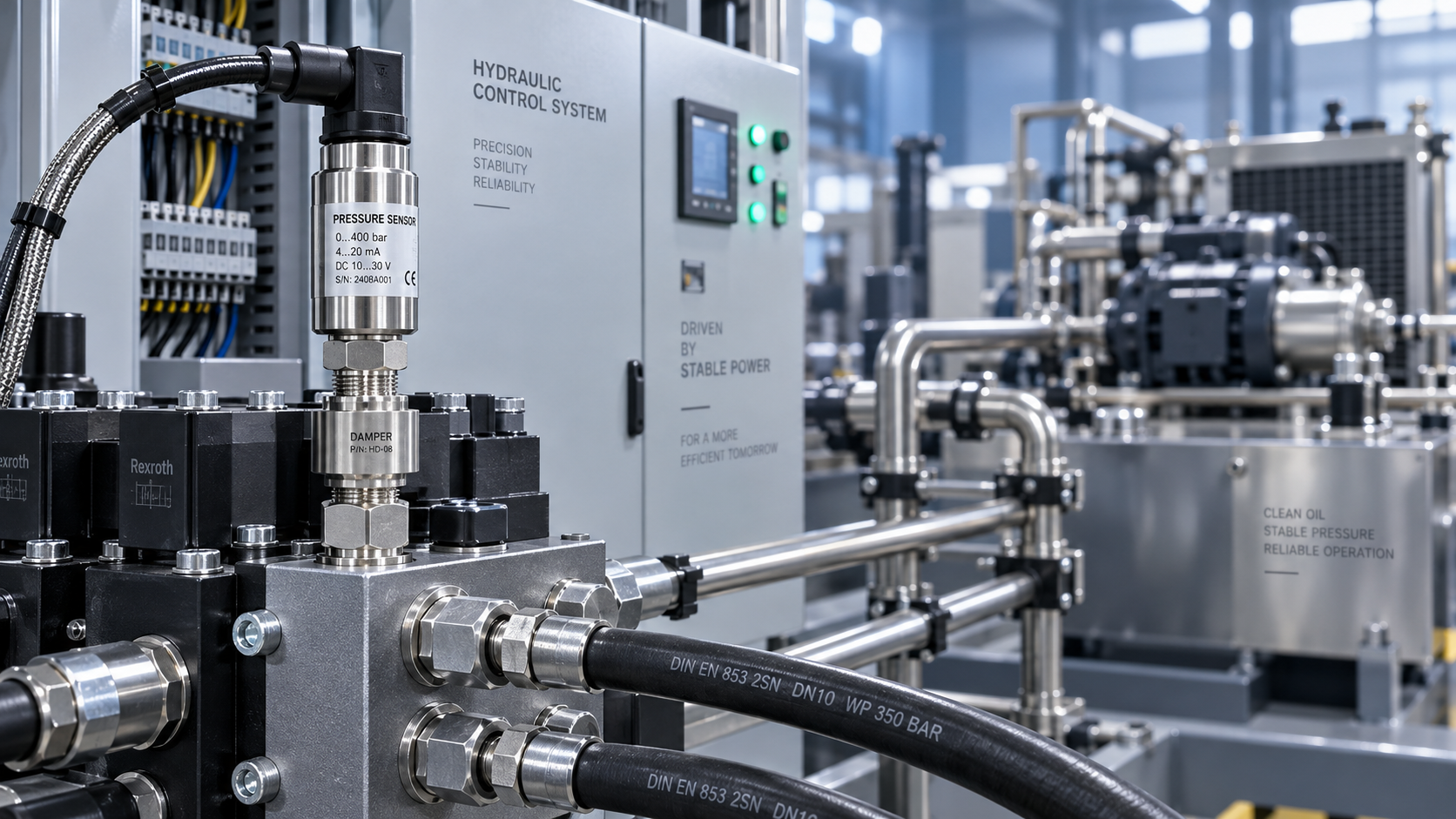
Q: What is the difference between the ceramic sensor of LHM-C70 and a metal sensor?A: Ceramic sensors have better thermal stability at high temperatures of ≤600℃, but their resistance to mechanical shock is relatively weak. For boiler steam drums under vibrating conditions, it is recommended to use the metal sensor + hydraulic buffer design of HD504, with vibration compensation capability up to 5g@10-2000Hz.
Related Recommendations
![]() Southchip Technology Launches Its First Optical Sensor, the SC52115, for Wearable Devices
Southchip Technology Launches Its First Optical Sensor, the SC52115, for Wearable Devices How does a pressure sensor convert changes in applied force into usable electrical signals?
 Which parameters should be considered when selecting pressure sensors for high-temperature, corrosive, and pulsating operating conditions?
 Hydraulic equipment pressure fluctuates frequently. How can sensors be configured to improve control stability?