News Center
—— NEWS CENTER ——
Xi'an Shenghongchuang Instrument Co., Ltd.
Contact: Mr. Zhang
Mobile: 15529283736
Email: shc-sensor@qq.com
Address: Fortune Building, Sanqiao Street, Xixian New Area, Xi'an, Shaanxi Province
HB-S Pressure Transmitter Model Analysis and Selection Guide
As a core component of industrial automation control, the selection of the HB-S pressure transmitter is directly related to system measurement accuracy and stability. This article provides a HB-S model comparison table covering the full range from -0.1MPa to 100MPa, including diffused silicon sensor series such as PN-M2 and YBS-S100, helping technical evaluators quickly match operating condition requirements and solve selection challenges in pressure measurement.
I. Technical Features of Diffused Silicon Pressure Sensors
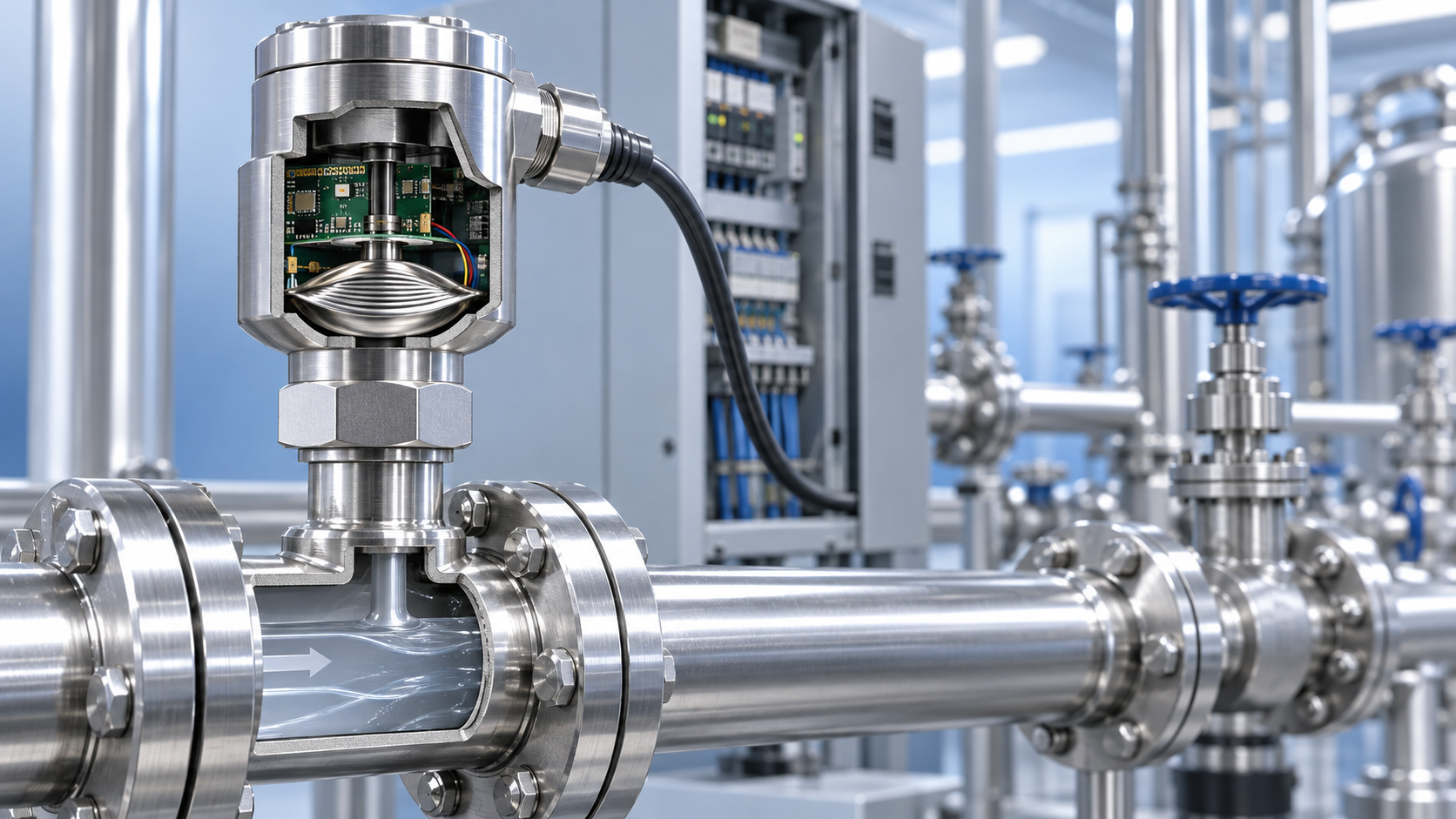
Diffused silicon pressure sensors use the piezoresistive effect of semiconductor silicon materials. Through MEMS technology, a Wheatstone bridge is fabricated on the silicon chip. When pressure acts on the silicon diaphragm, the bridge generates a voltage signal proportional to the pressure. Compared with traditional strain gauge sensors, the HB-S series has the following advantages:
- High sensitivity: the piezoresistive coefficient of silicon material is 50-100 times that of metal strain gauges
- Excellent linearity: typical nonlinear error ≤±0.1%FS
- Wide temperature compensation range: the built-in temperature sensor enables automatic compensation from 0-70℃
- Good long-term stability: annual drift is controlled within ±0.1%FS
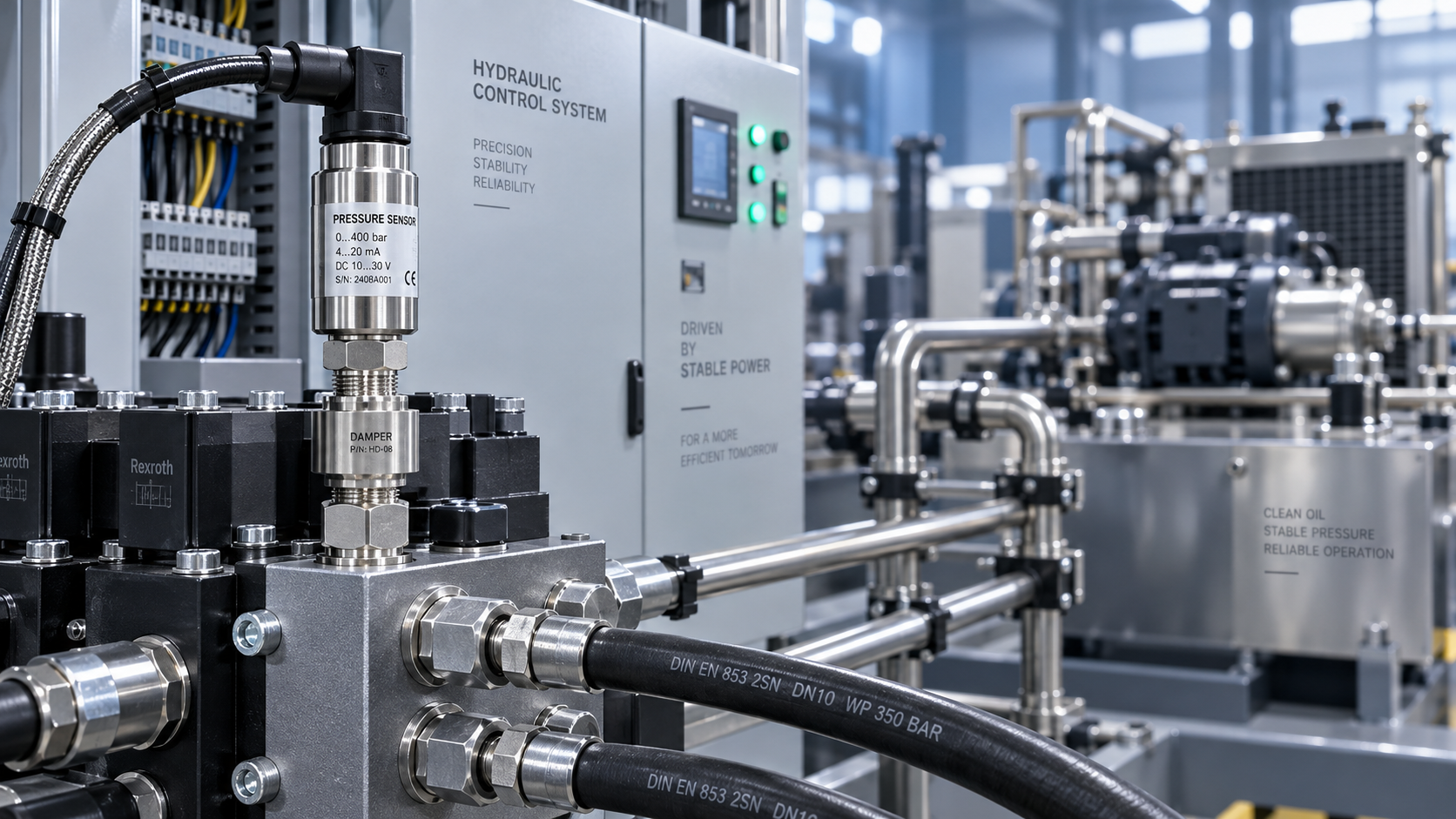
In hydraulic and pneumatic control systems, domestic general-purpose pressure transmitter ZPM317 pneumatic hydraulic pressure sensor uses 316 stainless steel wetted materials and is compatible with the measurement of various corrosive liquid and gas media.
II. Full-Range Model Comparison and Technical Parameters
According to different measurement ranges, the HB-S series is divided into three types: low pressure, medium pressure, and high pressure. Specific model selection needs to consider medium characteristics, installation environment, and output requirements:
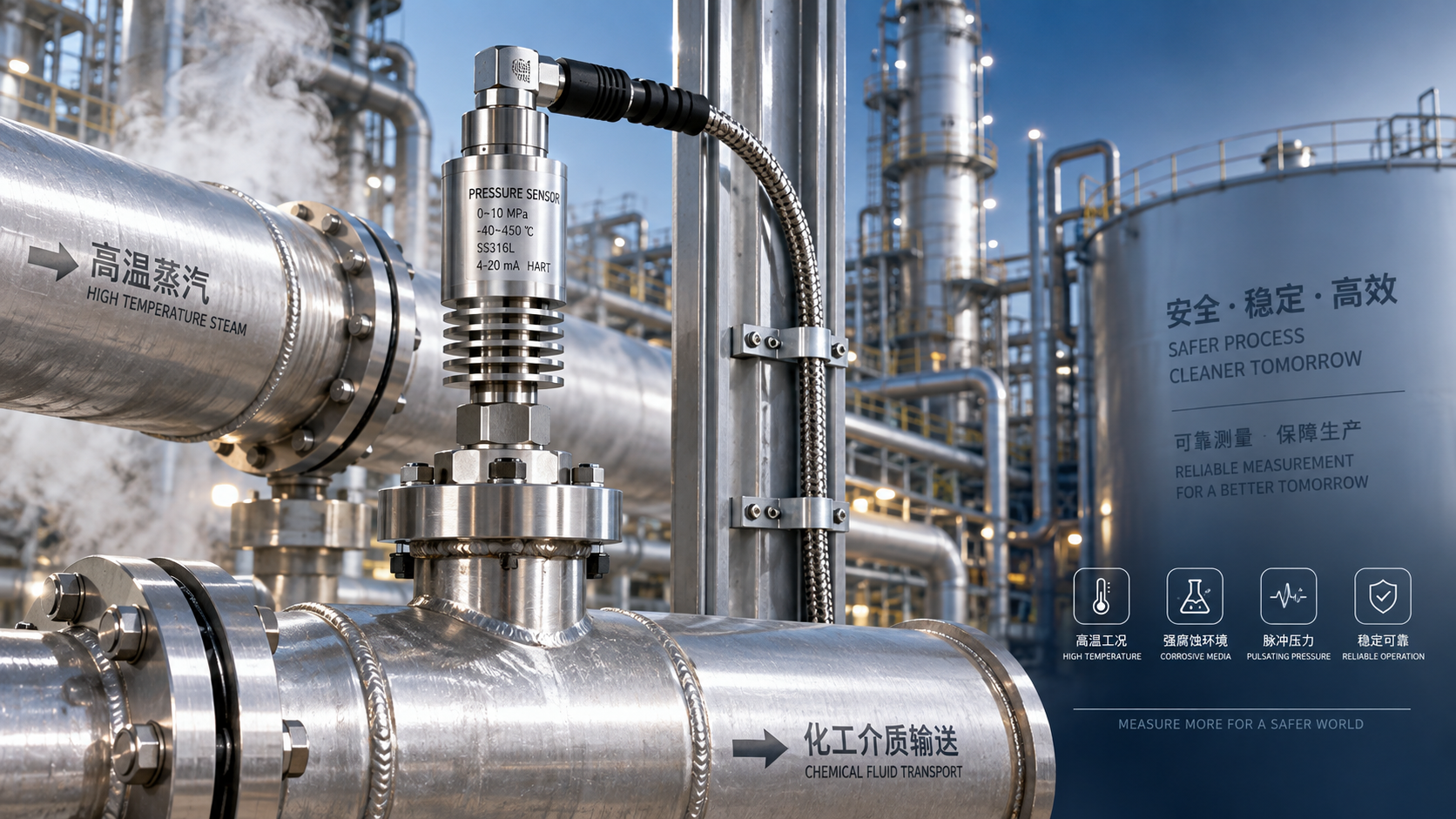
For corrosive environments such as petrochemical and environmental protection applications, it is recommended to choose the ET-A customized model, which uses a special sealing process and a 316L stainless steel isolation diaphragm to withstand corrosive media such as H2S.
III. Operating Condition Adaptation and Selection Points
When selecting diffused silicon pressure transmitters such as DY-X, technical evaluators need to focus on the following factors:
- Media compatibility: confirm whether the sensor wetted materials can withstand the measured medium. For acidic media, it is recommended to choose a Hastelloy diaphragm
- Effect of ambient temperature: for high-temperature operating conditions, the temperature compensation range must be confirmed. Above 85℃, a model with a heat dissipation fin should be selected
- Explosion-proof requirements
ExiaⅡCT6 Chemical reaction kettles In high-temperature applications such as thermal power generating units, it is recommended to select the MBC-1 model with capillary isolation, using remote installation to avoid direct contact between the sensor and high-temperature media.
V. Installation and Commissioning Precautions
According to the PCM-D pressure transmitter installation instructions, the correct installation method directly affects measurement accuracy:
- Installation position: mechanical vibration and thermal radiation should be avoided. During liquid measurement, the pressure port should be kept lower than the pressure tapping point
- Impulse line layout: during gas measurement, the impulse line should slope upward; during liquid measurement, it should slope downward
- Electrical connection: for two-wire 4-20mA output, ensure that loop resistance is ≤600Ω
- Zero-point calibration: after installation, zero adjustment should be carried out under no-load conditions, with a range up to ±8% of span
For the CEQ-CEQ1300 model used in applications such as building automation, it is recommended to perform on-site calibration every 6 months and use a standard pressure source to check zero drift.
Summary and Selection Recommendations
The HB-S series pressure transmitters cover full-range requirements from vacuum to ultra-high pressure. Through the model comparison table and technical parameter analysis in this article, technical evaluators can quickly match operating condition requirements. In applications such as level measurement and control, domestic general-purpose pressure transmitter ZPM317 has become a preferred solution for replacing imported products due to its high cost performance and compact size.
As a professional pressure sensor manufacturer, Xi'an Shenghongchuang Instrumentation Co., Ltd. provides full-process services from selection consultation to after-sales calibration. If you need customized solutions for specific operating conditions, please contact our technical team for professional support.
Related Recommendations
![]() Southchip Technology Launches Its First Optical Sensor, the SC52115, for Wearable Devices
Southchip Technology Launches Its First Optical Sensor, the SC52115, for Wearable Devices How does a pressure sensor convert changes in applied force into usable electrical signals?
 Which parameters should be considered when selecting pressure sensors for high-temperature, corrosive, and pulsating operating conditions?
 Hydraulic equipment pressure fluctuates frequently. How can sensors be configured to improve control stability?