News Center
—— NEWS CENTER ——
Xi'an Shenghongchuang Instrument Co., Ltd.
Contact: Mr. Zhang
Mobile: 15529283736
Email: shc-sensor@qq.com
Address: Fortune Building, Sanqiao Street, Xixian New Area, Xi'an, Shaanxi Province
Introduction:The Accuracy Revolution and Operational Challenges of Diffused Silicon Sensors
In the field of modern industrial pressure measurement,the diffused silicon sensor technology integrated into the HB-31C pressure transmitter has redefined industry standards with its high accuracy of 0.1%FS。However,in practical applications,operators often face issues such as improper wiring configuration(such as KYB18G07M1P4C3-I model)and unreasonable calibration cycles(HQ-HQ1002 case),resulting in sensor performance being utilized at only 60%-70%。This article will systematically analyze accuracy optimization solutions for multiple pressure transmitter models including PQ50-GB10CG12M4B from the perspective of field operation,and combine the collaborative application of MSZ-MSZ11 matching instruments to help you unlock the full potential of diffused silicon sensors。
Core Accuracy Influencing Factors and Calibration Specifications
The accuracy of diffused silicon sensors essentially depends on the stress response characteristics of the silicon wafer,but actual measurement errors often originate from the following operational aspects:
- Mechanical installation stress: Long-term monitoring data of the EDYBT-4 model shows that mechanical stress caused by improper flange installation can increase zero drift by 0.3%FS
- Sudden changes in medium temperature: Field tests of ZWP-L61-K show that a temperature change rate exceeding 5℃/min will cause temporary measurement deviation
- Electrical interference protection: The EMC filter in the MS-MS501 accessory kit can reduce radio frequency interference error by 82%
The standard calibration process for the HQ-HQ1002 pressure transmitter should include:
Key Details of Electrical System Integration
The wiring diagram of the KYB11G01M1PXC1-I pressure transmitter reveals three frequently overlooked electrical configuration points:
1. Shielding layer treatment: The twisted-pair shielded cable must be grounded at a single point on the transmitter side,and actual measurements show that improper grounding can increase common-mode interference by 15mV。The tinned copper braid shielding layer of the genuine TY-TY211 cable can achieve interference attenuation of 94dB@1MHz。
2. Power supply purity: The built-in LDO regulator of the MSZ-MSZ11 matching instrument can control power ripple within 10mVpp,preventing measurement value fluctuations caused by power supply variations。
3. Signal loop resistance: For 4-20mA output models such as PQ50-GB10CG12M4B,it is necessary to ensure that the total loop resistance is ≤(Vs-12V)/0.02A,where Vs is the supply voltage。A petrochemical project case shows that excessive resistance can cause full-scale output attenuation of 3.2%。
Operation and Maintenance Strategies for Extending Sensor Service Life
Accelerated aging tests of the EDYBT-4 pressure transmitter have proven that the following measures can extend the service life of diffused silicon sensors by 2.8 times:
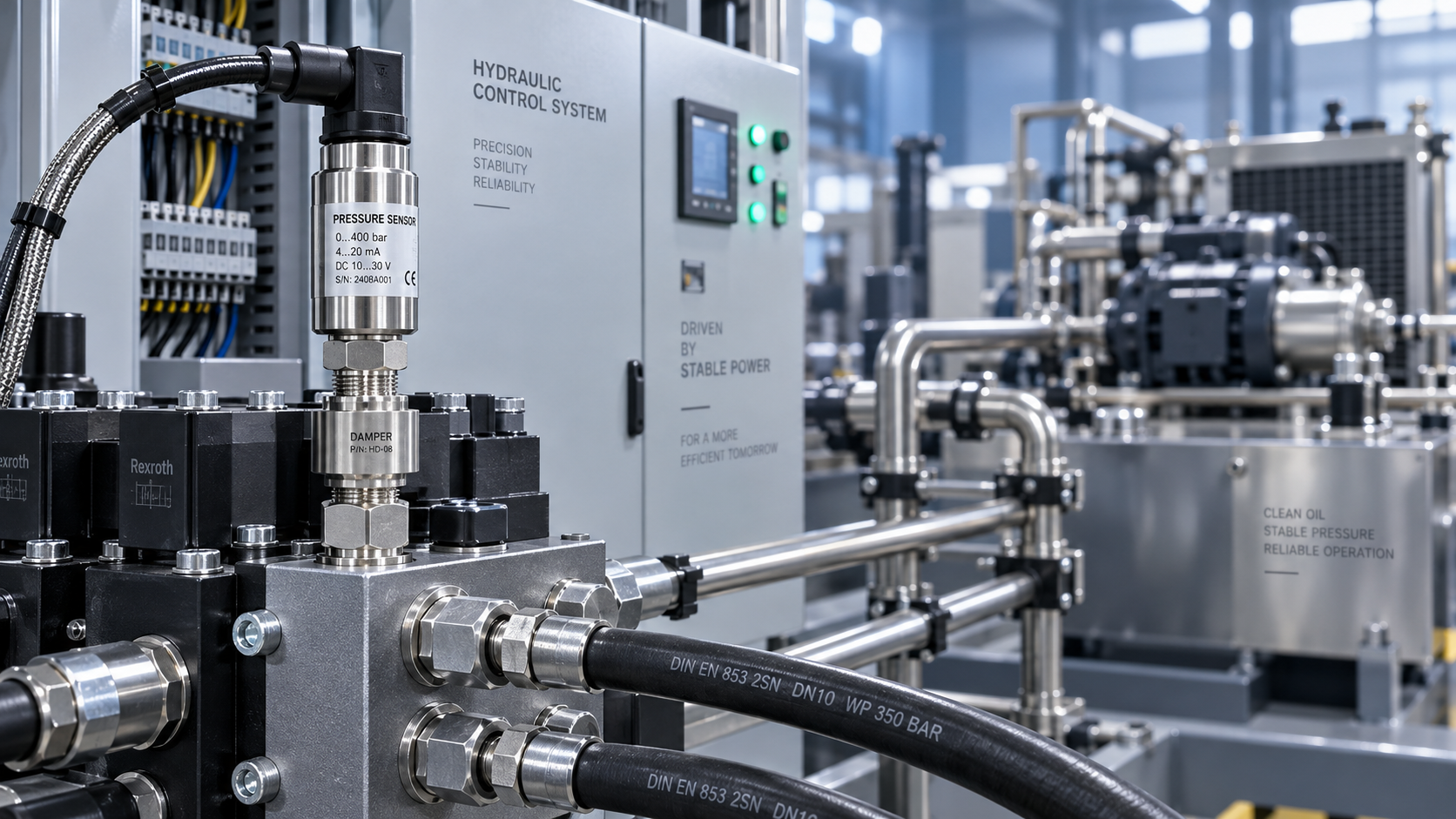
• Pulsation damping application: In pulsating pressure applications such as hydraulic systems,installing an MS-MS501 damper can reduce the impact energy received by the sensor by 76%,making it especially suitable for scenarios with impact frequency >5Hz。
• Overload protection configuration: When the measuring range reaches 120% of the nominal upper limit of ZWP-L61-K,the built-in MEMS structure will trigger self-protection。It is recommended to set two levels of alarms in the control system:90% range pre-alarm,110% range interlock shutdown。
• Cleaning and purging solution: For viscous medium measurement,a combined solution of a 316L stainless steel diaphragm supplied by the original TY-TY211 manufacturer plus weekly nitrogen back purging can prevent crystallized deposits on the diaphragm。
Collaborative Optimization of Matching Systems
Application cases of the KYB18G07M1P4C3-I pressure transmitter used together with the MSZ-MSZ11 intelligent display instrument show that system-level accuracy optimization should focus on:
• Sampling cycle matching: When the transmitter response time is 50ms,the sampling interval of the display instrument should be set to ≥100ms,as an excessively high sampling frequency may instead introduce noise。
• Digital filter settings: Select filtering modes according to different medium characteristics:a 5-point moving average is recommended for oil pressure measurement,while first-order lag filtering(time constant 0.5-2s)is recommended for gas measurement。
• Range alignment calibration: Range parameters between matching devices must be strictly consistent。In one power plant,the DCS system range setting was 5% smaller than that of the PQ50-GB10CG12M4B transmitter,resulting in persistent control deviation。
Summary and Action Recommendations
Improving the accuracy of the HB-31C pressure transmitter is a system engineering task。From precise calibration of HQ-HQ1002 to the correct selection of MS-MS501 accessories,every step affects the final performance of the diffused silicon sensor。Users are advised to:
- Establish a quarterly calibration system,with a focus on monitoring zero drift and linearity
- Keep spare sensors for critical equipment such as KYB11G01M1PXC1-I
- Regularly check the integrity of the shielding layer of TY-TY211 cables
If you need customized solutions for specific models(such as ZWP-L61-K or EDYBT-4),please feel free to contact our sensor engineering team for free technical configuration consulting services。
Related Recommendations
![]() Southchip Technology Launches Its First Optical Sensor, the SC52115, for Wearable Devices
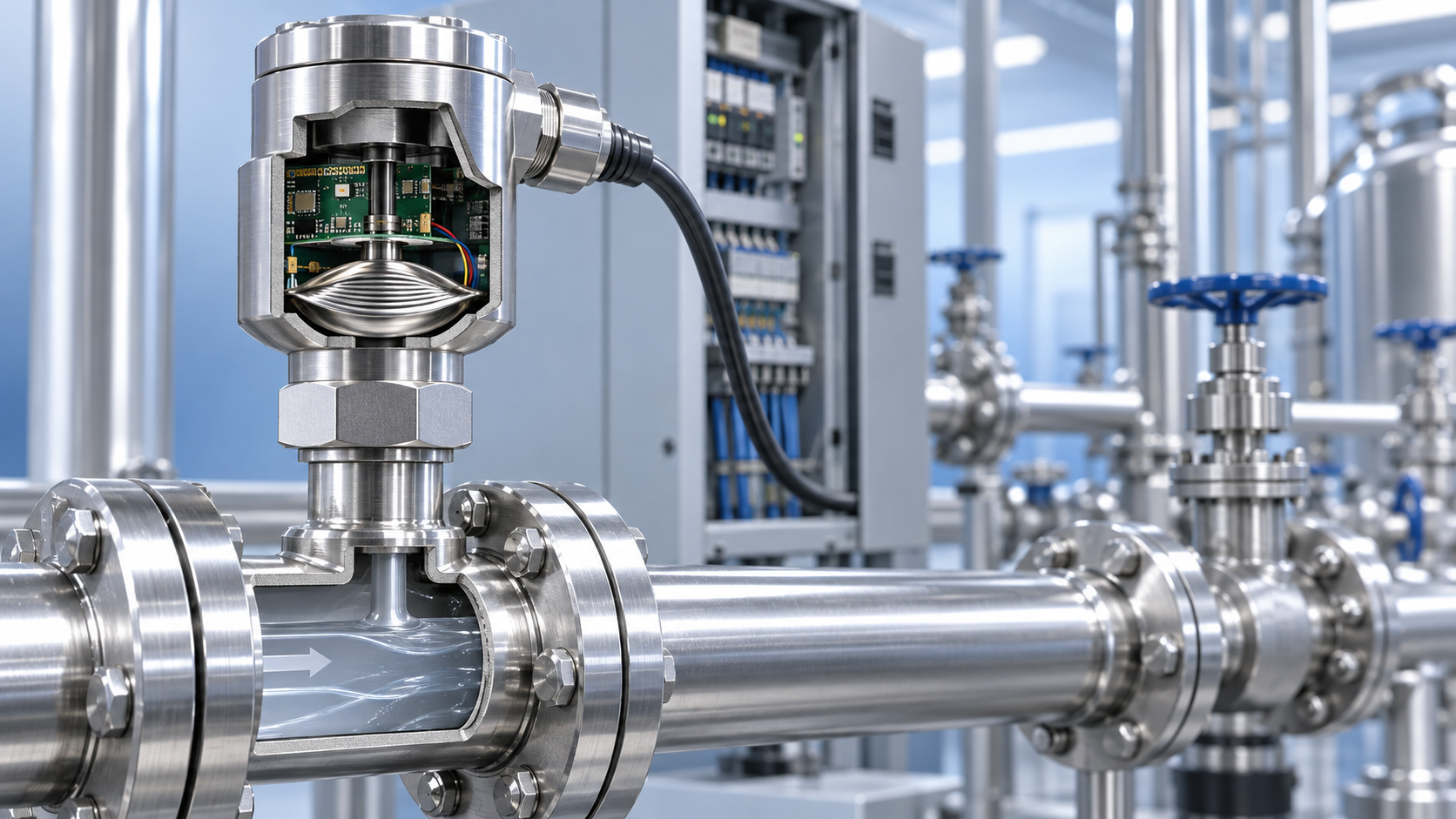
Southchip Technology Launches Its First Optical Sensor, the SC52115, for Wearable Devices How does a pressure sensor convert changes in applied force into usable electrical signals?
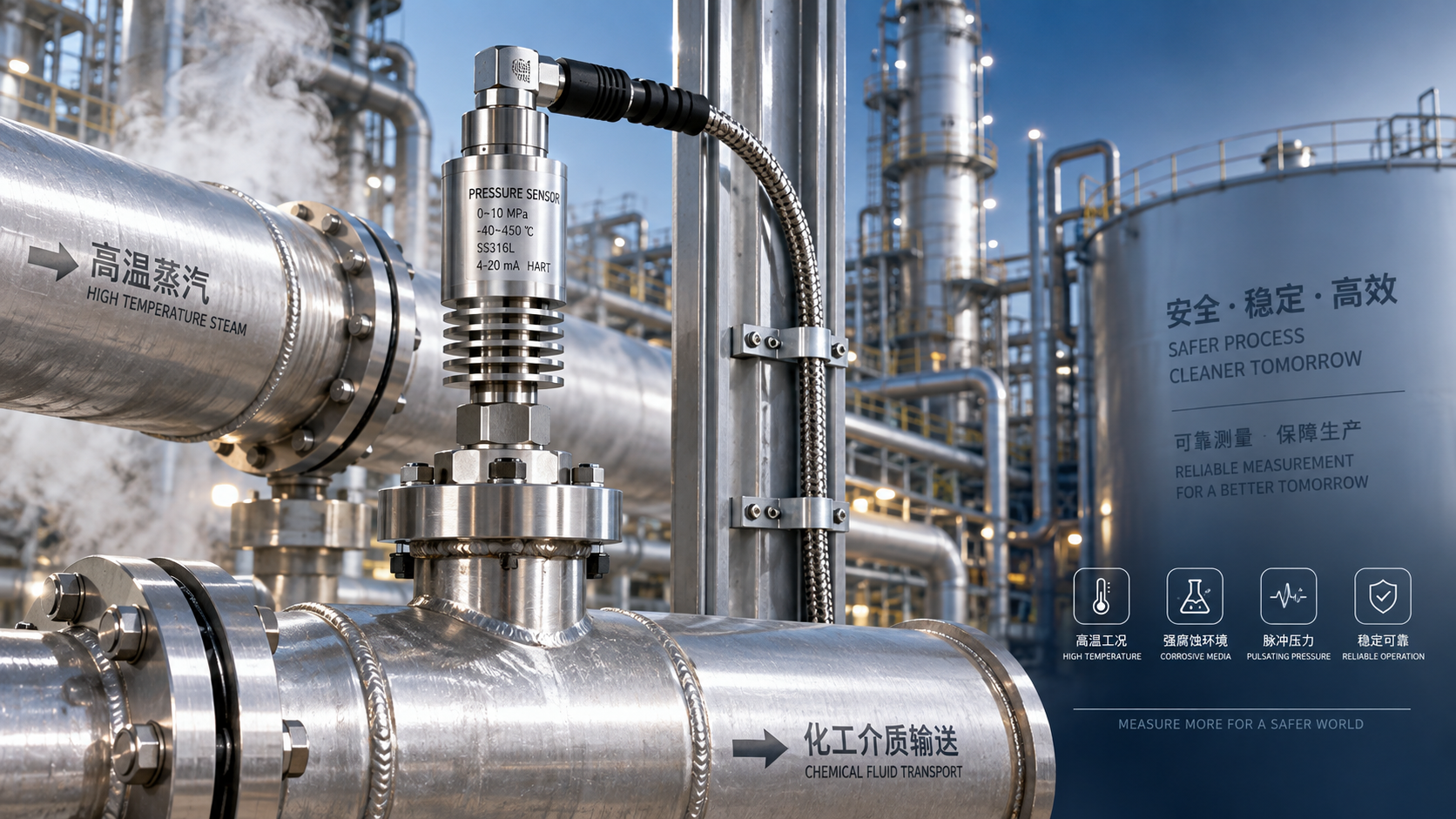
 Which parameters should be considered when selecting pressure sensors for high-temperature, corrosive, and pulsating operating conditions?
 Hydraulic equipment pressure fluctuates frequently. How can sensors be configured to improve control stability?